
 EN
EN
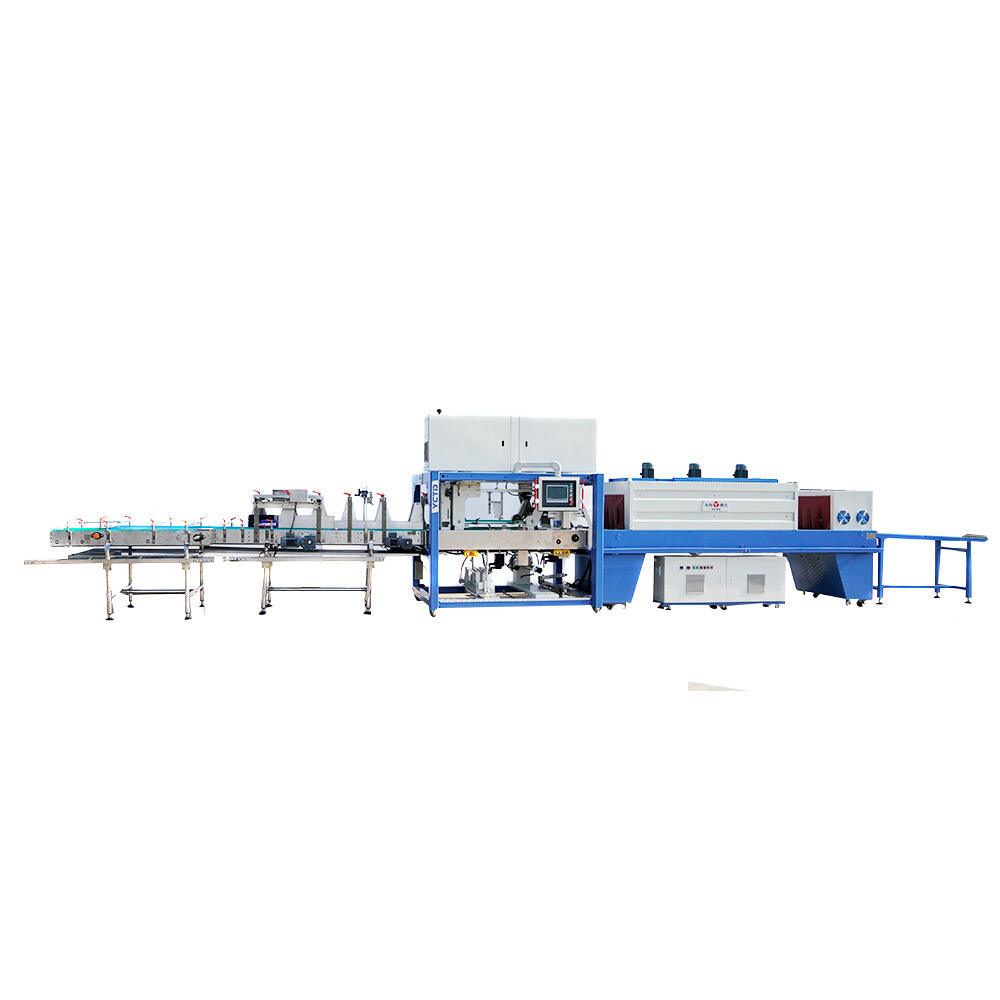
Selecting the ideal shrink wrap machine for your production line represents a critical investment decision that directly impacts operational efficiency, packaging quality, and long-term profitability. Manufacturing facilities across diverse industries rely on automated packaging solutions to maintain consistent output while reducing labor costs and ensuring product protection. The complexity of modern production environments demands careful evaluation of machine specifications, throughput capabilities, and integration requirements before making this essential equipment purchase.
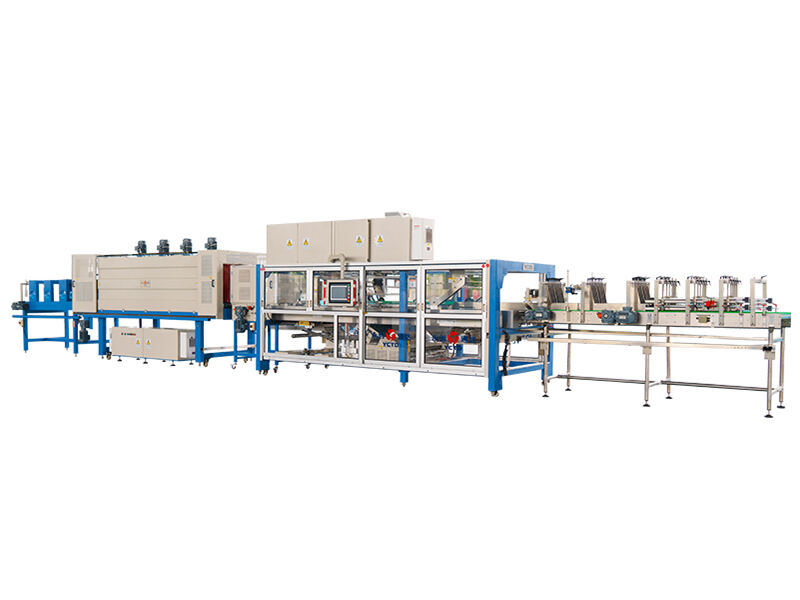
Understanding your specific production requirements, product dimensions, and packaging volumes forms the foundation for making an informed shrink wrap machine selection. This comprehensive guide explores the essential factors that determine optimal machine performance within your operational environment, providing the technical insights and practical considerations needed to choose equipment that aligns with your production goals and budget constraints.
Understanding Shrink Wrap Machine Types and Applications
Manual and Semi-Automatic Systems
Manual shrink wrap machines offer cost-effective solutions for low-volume packaging operations where flexibility and minimal initial investment are prioritized. These systems require operator intervention for product placement and seal initiation but provide excellent control over packaging quality and timing. Semi-automatic models bridge the gap between manual operations and full automation by incorporating automated sealing mechanisms while maintaining operator control over product feeding and positioning.
The selection between manual and semi-automatic configurations depends heavily on your daily packaging volumes and available labor resources. Facilities processing fewer than 500 packages daily often find manual systems sufficient, while operations requiring 500 to 2000 packages per day typically benefit from semi-automatic capabilities. These machines accommodate various product sizes and shapes with relatively simple changeover procedures, making them suitable for environments with frequent product variations.
Fully Automatic Production Systems
Fully automatic shrink wrap machine configurations deliver maximum throughput efficiency for high-volume production environments processing thousands of packages daily. These systems integrate product feeding, wrapping, sealing, and shrinking processes into continuous operation cycles with minimal human intervention. Advanced models incorporate programmable logic controllers that optimize packaging parameters based on product specifications and environmental conditions.
Automatic systems excel in applications requiring consistent packaging quality and high-speed output, typically achieving speeds exceeding 30 packages per minute depending on product dimensions and complexity. The integration capabilities allow seamless connection with upstream and downstream production equipment, creating efficient packaging lines that maximize operational productivity. However, these systems require substantial initial investment and dedicated operator training to achieve optimal performance levels.
Critical Performance Specifications for Machine Selection
Throughput Capacity and Speed Requirements
Determining appropriate throughput capacity requires careful analysis of current production volumes and projected growth patterns over the equipment's operational lifespan. A properly sized shrink wrap machine should handle peak production demands while maintaining consistent packaging quality without creating bottlenecks in your production flow. Underestimating capacity requirements often leads to operational inefficiencies and the need for costly equipment upgrades or additional machine purchases.
Speed specifications must align with your overall production line capabilities to avoid creating imbalances between packaging and upstream manufacturing processes. Modern shrink wrap machines offer variable speed controls that allow operators to optimize packaging rates based on product characteristics and quality requirements. Consider both sustained operating speeds and maximum burst capacity when evaluating different machine models to ensure adequate performance flexibility.
Product Dimension and Weight Limitations
Product dimension compatibility represents a fundamental selection criterion that directly impacts machine functionality and packaging effectiveness. Each shrink wrap machine design accommodates specific ranges of product length, width, height, and weight, with modifications often required for products exceeding standard parameters. Accurate measurement of your current product portfolio and consideration of future product introductions prevents costly specification mismatches.
Weight limitations affect both machine structural requirements and conveyor system capabilities, particularly for heavy or irregularly shaped products. The shrink wrap machine must provide adequate support and stable product handling throughout the packaging process to ensure consistent seal quality and prevent product damage. Evaluate both individual product weights and total conveyor loading to verify compatibility with machine specifications.
Integration Requirements and Production Line Compatibility
Conveyor System Integration
Successful shrink wrap machine integration requires careful coordination between packaging equipment and existing conveyor systems to maintain smooth product flow and prevent operational disruptions. Conveyor height, width, speed, and control protocols must align with machine specifications to enable seamless product transfer and positioning. Mismatched conveyor parameters often necessitate costly modifications or intermediate transfer equipment.
Modern shrink wrap machines incorporate adjustable conveyor sections and variable speed drives that facilitate integration with diverse production line configurations. However, control system compatibility becomes critical for synchronized operation, particularly in automated environments where packaging timing must coordinate with upstream manufacturing processes. Evaluate communication protocols and control interfaces early in the selection process to avoid integration challenges.
Utility Requirements and Infrastructure Considerations
Power consumption, compressed air requirements, and heat generation characteristics significantly impact facility infrastructure and operational costs associated with shrink wrap machine operation. Electrical supply specifications must match available facility capacity, with consideration for startup surge currents and sustained operating loads. Inadequate electrical infrastructure often requires costly facility upgrades that substantially increase total project costs.
Compressed air quality and pressure requirements affect both machine performance and maintenance intervals, particularly for pneumatic actuators and control systems. The shrink wrap machine heat generation during normal operation impacts facility ventilation requirements and ambient temperature control, especially in temperature-sensitive production environments. Plan for adequate ventilation and cooling capacity to maintain optimal operating conditions.
Economic Evaluation and Return on Investment
Initial Capital Investment Analysis
Capital cost evaluation extends beyond the base machine price to include installation, commissioning, operator training, and any required facility modifications. Installation complexity varies significantly between machine types, with automatic systems typically requiring more extensive setup and calibration procedures. Factor these additional costs into your total investment calculation to develop accurate budget projections and realistic implementation timelines.
Financing options and payment terms can significantly impact cash flow and project feasibility, particularly for smaller operations with limited capital resources. Many shrink wrap machine manufacturers offer lease arrangements or extended payment plans that reduce initial financial requirements while preserving working capital for other operational needs. Compare total cost of ownership across different financing scenarios to identify the most advantageous arrangement.
Operational Cost Considerations
Ongoing operational expenses include energy consumption, maintenance costs, replacement parts, and consumable materials such as shrink film and sealing components. Energy-efficient shrink wrap machine designs can substantially reduce utility costs over extended operational periods, particularly in high-volume applications. Evaluate energy specifications and consumption patterns to project long-term operational expenses accurately.
Maintenance requirements and parts availability directly impact operational continuity and cost predictability throughout the machine's service life. Preventive maintenance schedules, recommended spare parts inventory, and service support availability influence both planned and unplanned maintenance expenses. Consider maintenance contracts and service agreements that provide cost predictability and guaranteed response times for critical support needs.
Quality Control and Packaging Standards
Seal Quality and Consistency Requirements
Package seal quality directly impacts product protection, shelf life, and customer satisfaction, making seal consistency a critical performance parameter for shrink wrap machine evaluation. Different sealing technologies including impulse sealing, hot knife sealing, and ultrasonic sealing offer distinct advantages depending on film materials and package requirements. Evaluate sealing capabilities against your specific film types and product protection needs.
Temperature control accuracy and heating element distribution affect seal strength uniformity across package dimensions, particularly for large or irregularly shaped products. Advanced shrink wrap machines incorporate temperature monitoring and feedback systems that maintain optimal sealing conditions regardless of environmental variations or extended operating periods. Consider machines with adjustable temperature profiles and automated seal quality monitoring capabilities.
Film Compatibility and Material Handling
Shrink film compatibility encompasses material types, thickness ranges, and roll specifications that determine packaging appearance and performance characteristics. Different shrink wrap machine designs accommodate specific film widths and roll diameters, with some models offering quick-changeover capabilities for multiple film types. Verify compatibility with your preferred film suppliers and consider future material requirements when evaluating machine specifications.
Film tensioning and unwinding systems significantly impact package appearance and material waste, particularly during high-speed operations. Consistent film tension prevents wrinkles and ensures uniform shrinkage patterns while minimizing film consumption and waste generation. Advanced machines incorporate automatic tension control and film tracking systems that maintain optimal material handling regardless of operator skill levels.
FAQ
How do I determine the appropriate shrink wrap machine capacity for my production needs?
Calculate your peak daily packaging requirements and add 20-30% capacity buffer to accommodate production variations and future growth. Consider both sustained operating speeds and maximum burst capacity requirements. Analyze your current production patterns over several months to identify peak demand periods and ensure the shrink wrap machine can handle these volume spikes without creating bottlenecks in your production flow.
What are the most important factors to consider when integrating a shrink wrap machine into an existing production line?
Focus on conveyor system compatibility, control system integration, and utility requirements. Ensure conveyor heights, speeds, and widths match machine specifications. Verify that electrical supply, compressed air capacity, and facility ventilation can support machine operation. Plan for adequate space around the machine for operator access, maintenance activities, and material handling requirements.
How can I evaluate the total cost of ownership for different shrink wrap machine options?
Include initial purchase price, installation costs, training expenses, energy consumption, maintenance costs, and consumable materials in your analysis. Compare financing options and factor in productivity gains from improved packaging efficiency. Consider the machine's expected service life and resale value when calculating long-term investment returns. Request detailed operational cost projections from manufacturers to support your financial analysis.
What maintenance requirements should I expect with a shrink wrap machine investment?
Typical maintenance includes daily cleaning, weekly lubrication, monthly calibration checks, and quarterly component inspections. Plan for replacement of sealing elements, heating components, and conveyor parts based on manufacturer recommendations. Establish relationships with qualified service technicians and maintain adequate spare parts inventory to minimize downtime. Consider maintenance contracts that provide scheduled service and emergency support coverage.
Table of Contents
- Understanding Shrink Wrap Machine Types and Applications
- Critical Performance Specifications for Machine Selection
- Integration Requirements and Production Line Compatibility
- Economic Evaluation and Return on Investment
- Quality Control and Packaging Standards
-
FAQ
- How do I determine the appropriate shrink wrap machine capacity for my production needs?
- What are the most important factors to consider when integrating a shrink wrap machine into an existing production line?
- How can I evaluate the total cost of ownership for different shrink wrap machine options?
- What maintenance requirements should I expect with a shrink wrap machine investment?