
 EN
EN
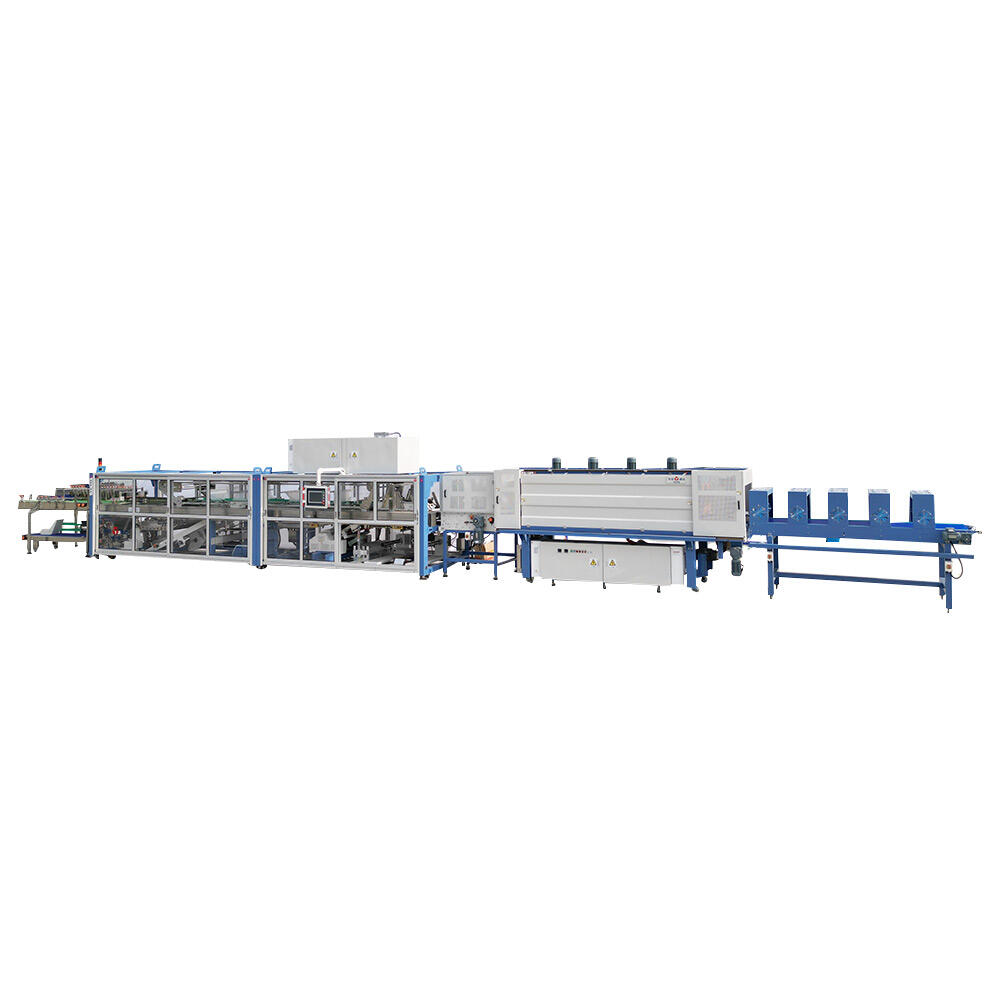
Optimizing the performance of a shrink tunnel requires precise control over temperature and speed settings to achieve consistent, high-quality packaging results. Industrial packaging operations depend on these critical parameters to ensure proper film shrinkage while maintaining product integrity and maximizing throughput. Understanding the relationship between heat distribution, conveyor speed, and film characteristics enables operators to fine-tune their shrink tunnel systems for optimal efficiency and cost-effectiveness.
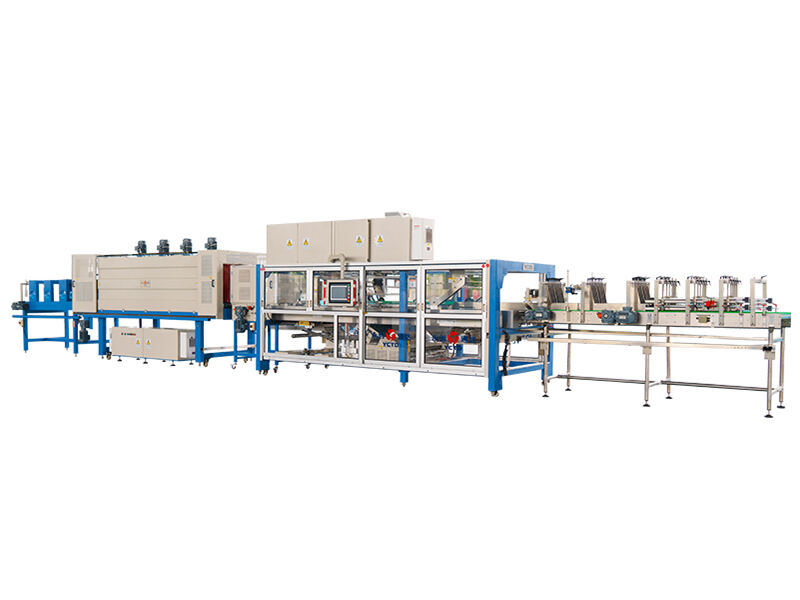
Understanding Shrink Tunnel Temperature Control
Heat Distribution Principles
Effective temperature management in a shrink tunnel begins with understanding how heat transfers to the packaging film. The heating elements must create uniform temperature zones throughout the tunnel chamber to ensure consistent shrinkage across all product surfaces. Temperature variations can result in uneven shrinkage, wrinkles, or incomplete sealing that compromises package appearance and protection.
Most industrial shrink tunnel systems utilize multiple heating zones with independent temperature controls. This configuration allows operators to create temperature gradients that accommodate different product sizes and film types. The entry zone typically operates at lower temperatures to initiate gradual shrinkage, while the center zones reach peak temperatures for complete film activation.
Film-Specific Temperature Requirements
Different shrink films require specific temperature ranges to achieve optimal shrinkage characteristics. Polyolefin films typically perform best between 250-350°F, while PVC films require lower temperatures around 200-275°F to prevent overheating and film degradation. Understanding these material properties helps operators set appropriate temperature parameters for their specific applications.
The shrink tunnel temperature settings must account for film thickness variations as well. Thicker films require higher temperatures and longer dwell times to achieve complete shrinkage, while thinner films may overheat quickly and require more moderate temperature settings. Proper calibration prevents film burnthrough while ensuring adequate shrink force for tight package conformity.
Speed Optimization Strategies
Conveyor Speed Calculations
Determining the optimal conveyor speed for a shrink tunnel involves calculating the required dwell time for proper film activation. The dwell time represents how long each package remains within the heated zone, directly affecting shrinkage quality and production throughput. Faster speeds increase productivity but may result in incomplete shrinkage if insufficient heat exposure occurs.
Standard dwell time calculations consider tunnel length, product dimensions, and film specifications to establish baseline speed parameters. Most applications require 15-45 seconds of heat exposure depending on package size and film type. Operators can adjust conveyor speed within this framework to balance quality requirements with production targets.
Variable Speed Applications
Advanced shrink tunnel systems incorporate variable speed controls that automatically adjust based on product characteristics or production demands. These systems can slow down for larger packages requiring extended heat exposure or accelerate for smaller items that shrink quickly. Variable speed capability maximizes equipment versatility across diverse product lines.
Implementing variable speed control requires sophisticated sensors and control systems that monitor package dimensions and adjust conveyor speeds accordingly. This automation reduces operator intervention while maintaining consistent package quality across varying product specifications. The investment in variable speed technology often pays dividends through improved efficiency and reduced waste.
Temperature and Speed Interaction
Balancing Heat and Time
The relationship between temperature and speed in a shrink tunnel follows inverse proportional principles where higher temperatures allow faster conveyor speeds while maintaining adequate shrinkage quality. However, excessive temperatures can damage products or create safety hazards, making speed adjustments the preferred method for increasing throughput in most applications.
Operators must consider the thermal mass of products when adjusting temperature and speed parameters. Dense or thick products absorb more heat and may require longer dwell times or higher temperatures to achieve proper shrinkage around edges and corners. The shrink tunnel settings must accommodate the most challenging products in a production run to maintain consistent quality standards.
Energy Efficiency Considerations
Optimizing the temperature-speed relationship directly impacts energy consumption and operating costs. Running a shrink tunnel at unnecessarily high temperatures wastes energy and increases utility expenses. Finding the minimum effective temperature for each application reduces energy costs while maintaining packaging quality standards.
Energy-efficient shrink tunnel operation also involves proper insulation and heat recovery systems that minimize thermal losses. Well-insulated tunnels maintain stable temperatures with less energy input, allowing for more precise control over the shrinking process. Heat recovery systems can capture waste heat for preheating incoming air or other facility heating needs.
Troubleshooting Common Issues
Incomplete Shrinkage Problems
Incomplete shrinkage typically results from insufficient temperature, inadequate dwell time, or improper airflow within the shrink tunnel chamber. Diagnosing the root cause requires systematic evaluation of each parameter to identify the limiting factor. Temperature measurements at multiple points help verify uniform heat distribution throughout the tunnel.
Airflow patterns significantly affect shrinkage uniformity by ensuring even heat distribution around packages. Poor air circulation can create hot spots or cold zones that result in inconsistent shrinking. The shrink tunnel design should incorporate proper ventilation and air circulation systems to maintain optimal thermal conditions.
Overheating and Film Damage
Excessive temperatures or prolonged heat exposure can cause film damage including holes, excessive shrinkage, or material degradation. These issues often occur when operators increase temperatures beyond film specifications or run products too slowly through the tunnel. Proper parameter limits prevent costly material waste and ensure consistent package quality.
Product damage from overheating represents another common challenge in shrink tunnel operations. Heat-sensitive products require careful temperature control to prevent melting, warping, or other thermal damage. The shrink tunnel settings must balance adequate film shrinkage with product protection requirements for each application.
Monitoring and Quality Control
Temperature Monitoring Systems
Continuous temperature monitoring ensures consistent shrink tunnel performance and helps identify potential issues before they affect product quality. Modern monitoring systems provide real-time temperature data from multiple sensor locations within the tunnel chamber. This information enables operators to make immediate adjustments when temperature variations occur.
Data logging capabilities in advanced monitoring systems create historical records that help identify trends and optimize performance over time. These records support preventive maintenance programs by highlighting patterns that indicate equipment degradation or calibration drift. Regular analysis of temperature data improves overall shrink tunnel reliability and efficiency.
Quality Assessment Protocols
Establishing systematic quality assessment protocols ensures consistent package standards and helps validate shrink tunnel parameter settings. Visual inspection criteria should address shrinkage uniformity, seal integrity, and overall package appearance. Regular quality checks during production runs identify parameter drift before significant quality issues develop.
Quantitative measurement tools such as shrink force gauges and dimensional analysis equipment provide objective quality data that supports process optimization efforts. These measurements help establish statistical process control limits and validate the effectiveness of parameter adjustments. The shrink tunnel operation benefits from both visual and quantitative quality assessment methods.
Maintenance and Calibration
Heating Element Care
Regular maintenance of heating elements ensures reliable temperature control and extends shrink tunnel service life. Heating elements accumulate debris and oxidation over time that reduces heat transfer efficiency and creates uneven temperature distribution. Scheduled cleaning and inspection programs prevent these issues from affecting packaging quality.
Calibration verification involves comparing actual temperatures with controller readings using certified reference thermometers. Temperature calibration should occur regularly according to equipment manufacturer recommendations and quality system requirements. Proper calibration ensures accurate process control and maintains packaging consistency across production runs.
Conveyor System Maintenance
The conveyor system requires regular inspection and maintenance to ensure accurate speed control and smooth product transport through the shrink tunnel. Belt tension, roller alignment, and drive system components affect conveyor performance and package positioning during the shrinking process. Proper maintenance prevents speed variations that could impact shrinkage quality.
Lubrication schedules and wear component replacement programs maintain conveyor reliability and prevent unexpected downtime. The shrink tunnel conveyor operates in elevated temperature environments that accelerate component wear and require more frequent maintenance attention compared to standard conveyor applications.
FAQ
What temperature range works best for most shrink films
Most shrink films perform optimally between 250-350°F, though specific requirements vary by material type. Polyolefin films typically require temperatures in the upper portion of this range, while PVC films work best at lower temperatures around 200-275°F. Always consult film manufacturer specifications for precise temperature recommendations, as exceeding limits can cause film damage or incomplete shrinkage.
How do I calculate the correct conveyor speed for my products
Calculate conveyor speed by determining the required dwell time for your specific film and product combination, then dividing tunnel length by this time requirement. Most applications need 15-45 seconds of heat exposure depending on package size and film thickness. Start with manufacturer recommendations and adjust based on shrinkage quality results during test runs.
Why does my shrink tunnel produce uneven shrinkage results
Uneven shrinkage typically results from poor temperature distribution, inadequate airflow, or incorrect speed settings. Check temperature uniformity across the tunnel width and length using multiple measurement points. Verify proper air circulation and consider whether dwell time provides adequate heat exposure for complete film activation throughout the package surface.
How often should I calibrate my shrink tunnel temperature controls
Temperature calibration should occur at least quarterly or according to your quality system requirements, with additional verification after any maintenance work on heating systems. Use certified reference thermometers to compare actual temperatures with controller readings at multiple points within the tunnel. Document calibration results to track system performance trends over time.