
 EN
EN
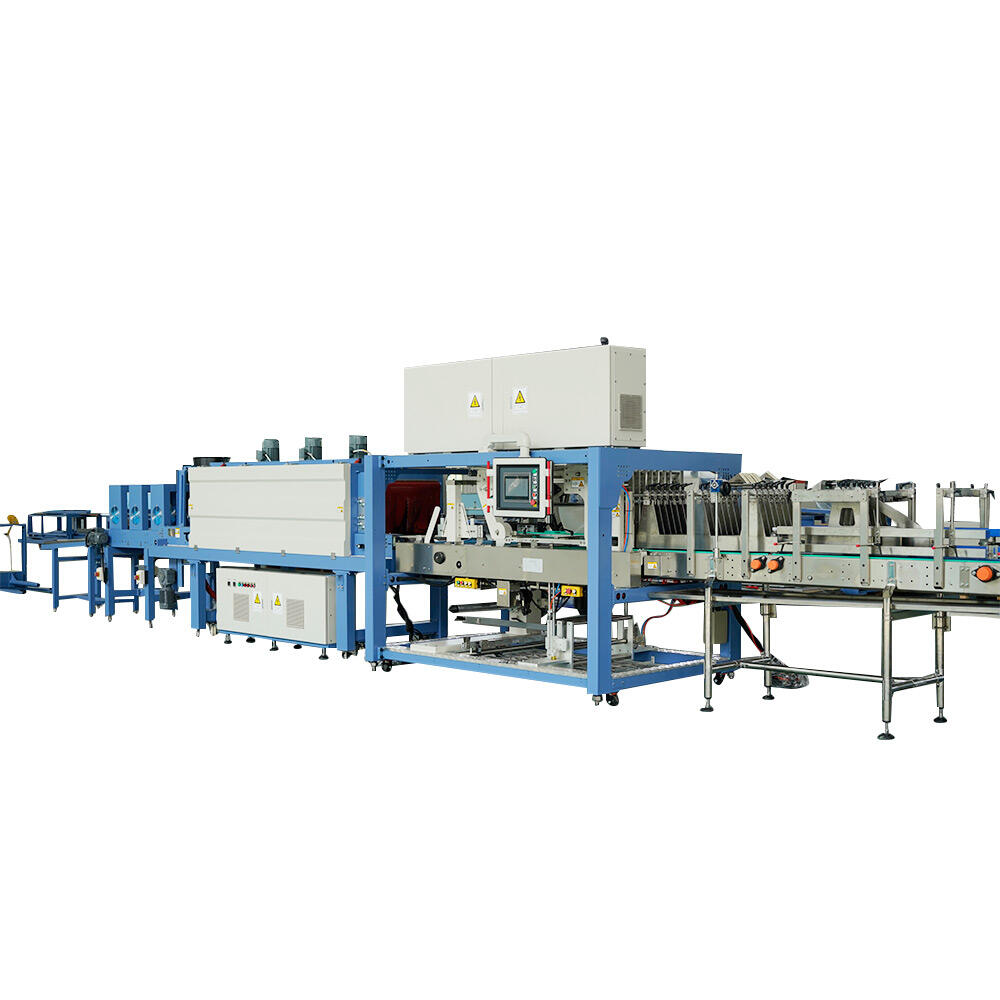
The food and beverage industry demands exceptional packaging standards to maintain product quality, extend shelf life, and ensure consumer safety. A reliable shrink film packaging machine has become an indispensable asset for manufacturers seeking to optimize their production lines while meeting stringent regulatory requirements. These sophisticated systems offer unparalleled efficiency in wrapping products with protective polymer films that conform perfectly to product contours when heated. Modern food processing facilities increasingly rely on automated packaging solutions to handle high-volume production demands while maintaining consistent quality standards.
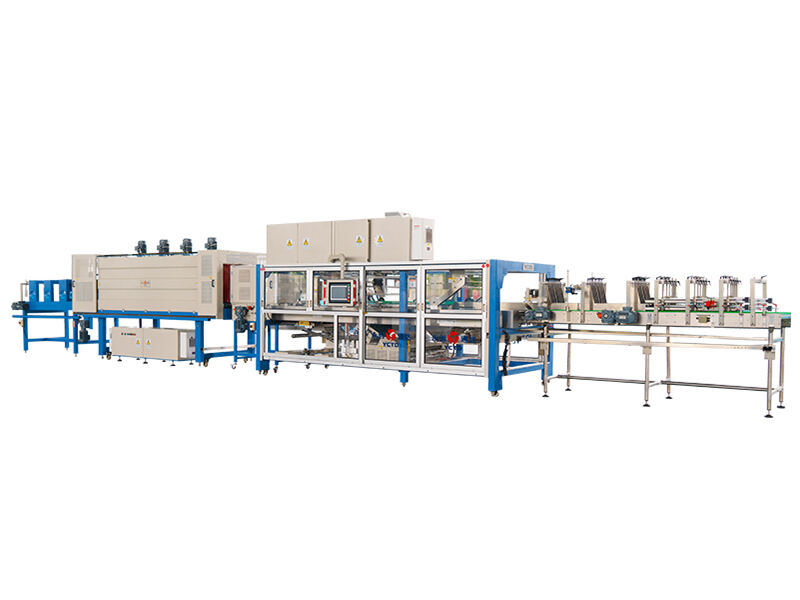
Understanding Shrink Film Technology in Food Packaging
Fundamentals of Heat Shrink Processing
Heat shrink technology operates on the principle of polymer memory, where specialized films return to their original molecular configuration when exposed to controlled thermal energy. A professional shrink film packaging machine utilizes precise temperature control systems to activate this process, ensuring uniform shrinkage across the entire product surface. The heat tunnel component maintains consistent temperatures typically ranging from 250°F to 400°F, depending on film specifications and product requirements. Advanced machines incorporate variable speed conveyors that allow operators to adjust dwell time, optimizing the shrinking process for different product geometries and film materials.
Temperature distribution becomes critical when processing food items with varying thermal sensitivities. Modern shrink film packaging machine designs feature multi-zone heating systems that provide graduated temperature profiles, protecting sensitive products from excessive heat exposure. The integration of infrared and convection heating elements ensures rapid heat transfer while maintaining energy efficiency. Sophisticated control panels allow operators to create custom heating programs for specific product categories, storing parameters for quick changeovers between different packaging requirements.
Film Material Selection Considerations
Polyolefin films dominate food packaging applications due to their excellent clarity, seal strength, and FDA compliance for direct food contact. These materials exhibit superior shrink characteristics when processed through a quality shrink film packaging machine, creating tight, professional-looking packages that enhance product presentation. Polyolefin films typically shrink between 40-60% in both directions, providing excellent conformity to irregular product shapes commonly found in food packaging applications. The material's natural barrier properties help protect products from moisture, oxygen, and other environmental contaminants.
Alternative film materials include PVC, polyethylene, and specialized barrier films designed for extended shelf-life applications. Each material requires specific processing parameters when used with a shrink film packaging machine, including adjusted temperature settings, conveyor speeds, and sealing pressure. Manufacturers must consider factors such as product shelf life requirements, storage conditions, and regulatory compliance when selecting appropriate film materials. The choice significantly impacts the overall packaging performance and determines the optimal machine configuration for specific production requirements.
Operational Efficiency in Food Production Lines
Throughput Optimization Strategies
Production line efficiency depends heavily on the integration capabilities of the shrink film packaging machine with existing equipment. Modern systems feature adjustable conveyor speeds ranging from 10 to 100 feet per minute, accommodating various product sizes and packaging requirements. Proper synchronization with upstream and downstream equipment eliminates bottlenecks and maintains consistent product flow throughout the packaging process. Advanced machines incorporate servo-driven systems that provide precise speed control and quick acceleration/deceleration cycles.
Automated product feeding systems enhance operational efficiency by reducing manual labor requirements and minimizing packaging inconsistencies. A well-configured shrink film packaging machine can process hundreds of products per hour, significantly improving throughput compared to manual packaging methods. Quick changeover capabilities allow manufacturers to switch between different product lines with minimal downtime, typically requiring less than 15 minutes for complete setup adjustments. The implementation of recipe storage systems enables operators to recall previously optimized settings for recurring product runs.
Quality Control Integration
Integrated quality control systems ensure consistent packaging standards throughout production runs. Modern shrink film packaging machine designs incorporate vision systems that detect packaging defects, misaligned products, and incomplete seals before products reach final inspection stages. These systems automatically reject defective packages, maintaining high-quality standards while reducing waste and rework costs. Real-time monitoring capabilities provide operators with immediate feedback on packaging performance metrics.
Temperature monitoring systems continuously track heat tunnel performance, alerting operators to variations that could compromise packaging quality. Statistical process control integration allows manufacturers to maintain detailed records of packaging parameters, supporting quality assurance programs and regulatory compliance requirements. The data collection capabilities of advanced shrink film packaging machine systems provide valuable insights for continuous improvement initiatives and predictive maintenance scheduling.
Industry-Specific Applications and Benefits
Beverage Packaging Solutions
The beverage industry presents unique packaging challenges that require specialized shrink film packaging machine configurations. Multi-pack bundling applications demand precise film placement and uniform shrinkage to create stable, attractive product presentations. Bottle and can packaging typically requires machines capable of handling various container sizes and shapes while maintaining consistent packaging quality. Advanced systems incorporate product guides and stabilization mechanisms that prevent container movement during the shrinking process.
Carbonated beverage packaging requires careful temperature control to prevent product damage or container deformation. A properly calibrated shrink film packaging machine maintains optimal heat levels that achieve complete film shrinkage without compromising product integrity. The integration of cooling systems helps stabilize packages immediately after heat processing, ensuring dimensional stability and preventing post-packaging issues. Specialized conveyor systems accommodate various bottle and can configurations while maintaining production line efficiency.
Fresh Food Processing Applications
Fresh food packaging requires careful consideration of product sensitivity and shelf life requirements. A shrink film packaging machine designed for fresh food applications incorporates modified atmosphere packaging capabilities, removing oxygen and replacing it with protective gases before sealing. This process significantly extends product shelf life while maintaining freshness and nutritional value. Temperature-sensitive products require precise heat control to prevent cooking or degradation during the packaging process.
Produce packaging benefits from the tamper-evident properties provided by shrink film applications. The tight conformity achieved through proper shrink processing creates a protective barrier that maintains product moisture while preventing contamination. Specialized film materials designed for fresh food applications provide appropriate gas permeability rates that support natural respiration processes while preventing spoilage. The visual appeal of professionally shrink-wrapped produce enhances consumer appeal and supports premium pricing strategies.
Equipment Selection and Specifications
Capacity Planning Considerations
Selecting an appropriate shrink film packaging machine requires careful analysis of current production volumes and future expansion plans. Entry-level systems typically handle 10-30 packages per minute, suitable for smaller operations or specialty product lines. Mid-range machines process 30-60 packages per minute, accommodating moderate production volumes while providing flexibility for product variety. High-speed industrial systems can exceed 100 packages per minute, designed for large-scale manufacturing operations with consistent product specifications.
Package size capabilities represent another critical selection factor, with machines designed for specific dimensional ranges. Compact systems handle small products up to 12 inches in length and width, while industrial machines accommodate packages exceeding 24 inches in any dimension. The heat tunnel size directly impacts maximum package dimensions and must align with product specifications. Consideration of future product development plans ensures the selected shrink film packaging machine provides adequate capacity for business growth.
Technology Integration Features
Modern shrink film packaging machine systems incorporate advanced control technologies that enhance operational efficiency and product quality. Programmable logic controllers provide precise parameter control and recipe storage capabilities, enabling quick changeovers between different product configurations. Human-machine interfaces offer intuitive operation with touchscreen displays that simplify operator training and reduce setup times. Network connectivity allows integration with manufacturing execution systems for comprehensive production monitoring.
Safety systems represent essential features in contemporary equipment designs, incorporating emergency stops, light curtains, and protective enclosures that comply with industrial safety standards. Automated diagnostics capabilities provide real-time equipment health monitoring and predictive maintenance alerts, minimizing unexpected downtime and repair costs. Energy-efficient designs incorporate heat recovery systems and optimized insulation that reduce operating costs while maintaining performance standards. The integration of these technologies ensures a shrink film packaging machine delivers reliable, cost-effective operation throughout its service life.
Maintenance and Operational Excellence
Preventive Maintenance Programs
Establishing comprehensive maintenance programs ensures optimal shrink film packaging machine performance and extends equipment lifespan. Daily maintenance tasks include cleaning heat tunnels, inspecting sealing elements, and verifying temperature calibration. Weekly procedures involve lubrication of moving components, examination of conveyor systems, and testing safety devices. Monthly maintenance includes detailed inspection of heating elements, replacement of wear components, and comprehensive system calibration checks.
Proper maintenance documentation supports warranty compliance and helps identify recurring issues that may indicate design improvements or operator training needs. Scheduled component replacement based on manufacturer recommendations prevents unexpected failures that could disrupt production schedules. Training programs for maintenance personnel ensure proper procedures and safety protocols are followed consistently. The implementation of predictive maintenance technologies helps identify potential problems before they result in equipment failure, optimizing the operational reliability of shrink film packaging machine systems.
Troubleshooting Common Issues
Operational challenges with shrink film packaging machine systems typically involve temperature inconsistencies, film tracking problems, or sealing defects. Temperature variations often result from dirty heating elements, faulty sensors, or inadequate insulation maintenance. Regular cleaning and calibration procedures help prevent these issues while ensuring consistent packaging quality. Film tracking problems usually stem from improper tension settings, worn guides, or misaligned components that require adjustment or replacement.
Sealing inconsistencies may indicate worn sealing bars, incorrect pressure settings, or contaminated sealing surfaces. Systematic troubleshooting approaches help operators quickly identify root causes and implement appropriate corrections. Documentation of common issues and solutions creates valuable reference materials that support training programs and reduce downtime. Regular operator training on proper machine operation and basic troubleshooting techniques ensures problems are addressed promptly and correctly, maintaining optimal shrink film packaging machine performance.
Cost Analysis and Return on Investment
Initial Investment Considerations
The capital investment for a shrink film packaging machine varies significantly based on capacity requirements, automation level, and specialized features. Entry-level semi-automatic systems typically range from $15,000 to $40,000, suitable for smaller operations with moderate production volumes. Fully automatic industrial systems can exceed $200,000, incorporating advanced features like automatic product feeding, quality control systems, and high-speed processing capabilities. Custom configurations for specialized applications may require additional investment but provide optimized solutions for unique packaging requirements.
Total cost of ownership calculations must include installation expenses, operator training, maintenance costs, and consumable materials. Proper installation by qualified technicians ensures optimal performance and warranty compliance, typically adding 10-15% to equipment costs. Training programs for operators and maintenance personnel represent essential investments that maximize equipment utilization and minimize operational issues. Regular maintenance and replacement parts constitute ongoing operational expenses that should be factored into long-term budget planning for shrink film packaging machine operations.
Operational Cost Benefits
Labor cost reductions represent the most significant operational benefit from shrink film packaging machine implementation. Automated systems typically replace 2-4 manual packaging positions while increasing throughput and consistency. The elimination of manual packaging reduces repetitive stress injuries and associated workers' compensation costs. Improved packaging consistency reduces customer complaints and product returns, supporting brand reputation and customer satisfaction.
Material cost optimization through precise film usage and reduced waste contributes to ongoing operational savings. Automated systems eliminate human error that can result in material waste or rework requirements. Energy-efficient designs reduce utility costs compared to older equipment or manual operations. The enhanced product presentation achieved through professional shrink packaging often supports premium pricing strategies that improve profit margins. Comprehensive cost-benefit analysis typically demonstrates positive return on investment within 12-24 months for most shrink film packaging machine installations.
FAQ
What types of food products work best with shrink film packaging machines
Shrink film packaging machines excel with products that benefit from tamper-evident sealing, moisture protection, and enhanced presentation. Ideal applications include baked goods, frozen foods, fresh produce, beverages, and dry goods like snacks and confections. Products with irregular shapes particularly benefit from shrink film's conforming properties. However, products with sharp edges or extreme temperature sensitivity may require specialized film materials or modified processing parameters.
How do I determine the right machine size for my production needs
Machine sizing depends on your largest package dimensions, desired throughput, and available floor space. Measure your largest product in all dimensions and add 2-3 inches for clearance. Calculate required packages per hour based on production schedules and efficiency targets. Consider future growth plans and product diversification when selecting capacity. Consult with equipment manufacturers who can recommend appropriate configurations based on your specific requirements and budget constraints.
What maintenance is required for optimal shrink film packaging machine performance
Daily maintenance includes cleaning heat tunnels, checking film tracking, and inspecting sealing elements. Weekly tasks involve lubricating moving parts and testing safety systems. Monthly procedures include detailed inspection of heating elements, conveyor systems, and control calibration. Annual maintenance should include comprehensive system evaluation by qualified technicians. Proper maintenance documentation and operator training are essential for reliable operation and warranty compliance.
Can shrink film packaging machines handle different film materials and thicknesses
Most modern shrink film packaging machines accommodate various film materials including polyolefin, PVC, and polyethylene films with thicknesses ranging from 40 to 100 gauge. Different materials require specific temperature and speed adjustments for optimal results. Machine versatility depends on the control system sophistication and heating element design. Consult equipment specifications and conduct trials with your preferred film materials to ensure compatibility and optimal performance results.
Table of Contents
- Understanding Shrink Film Technology in Food Packaging
- Operational Efficiency in Food Production Lines
- Industry-Specific Applications and Benefits
- Equipment Selection and Specifications
- Maintenance and Operational Excellence
- Cost Analysis and Return on Investment
-
FAQ
- What types of food products work best with shrink film packaging machines
- How do I determine the right machine size for my production needs
- What maintenance is required for optimal shrink film packaging machine performance
- Can shrink film packaging machines handle different film materials and thicknesses