 EN
EN
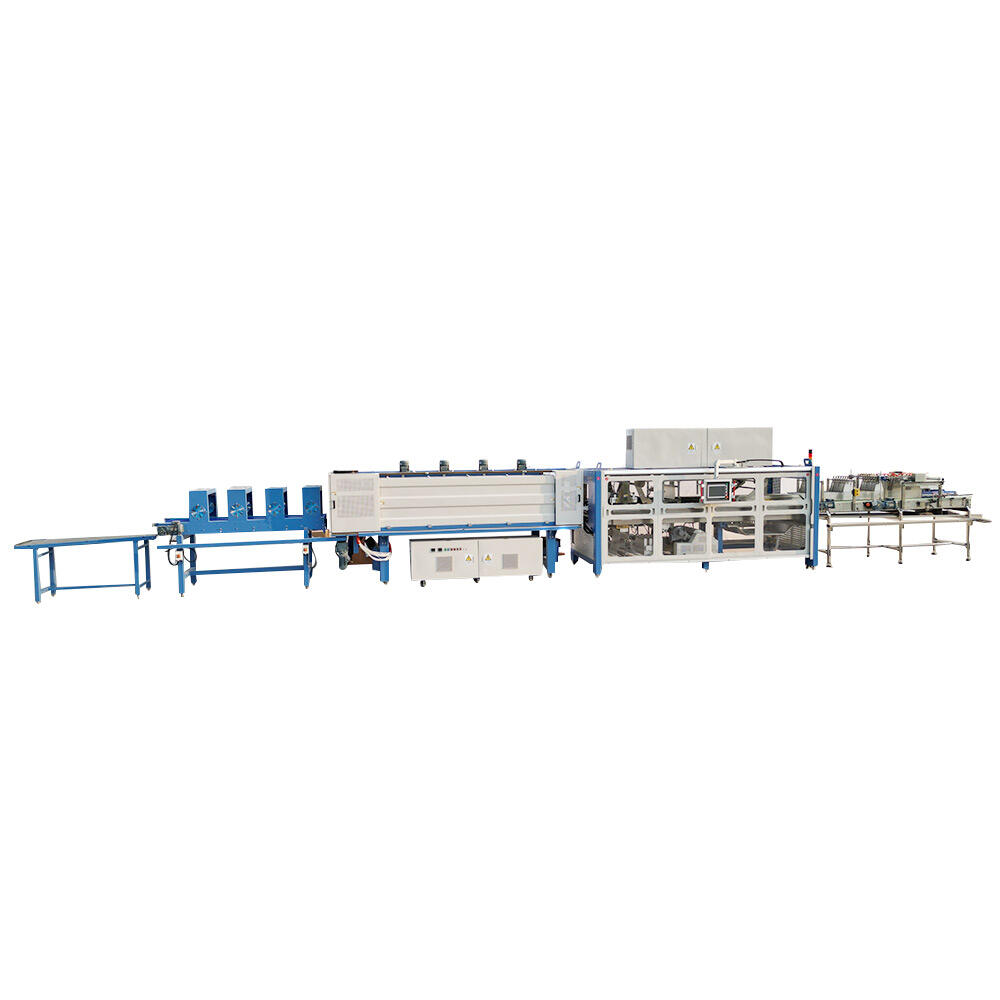
Industrial packaging operations face mounting pressure to increase efficiency while maintaining product quality and reducing costs. Modern manufacturing environments demand solutions that can handle high volumes with consistent results, making automated packaging systems increasingly essential. A shrink packing machine represents one of the most effective investments for companies looking to streamline their packaging workflows while achieving superior protection and presentation standards.
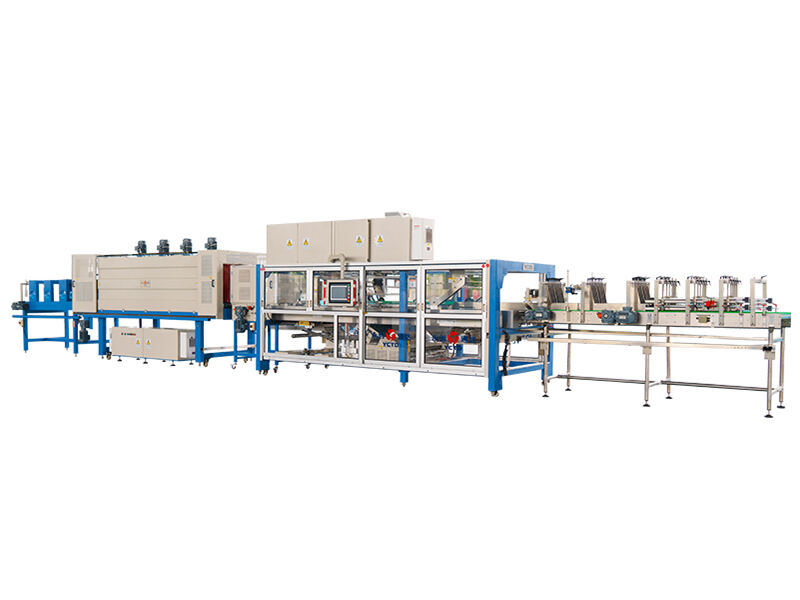
The transition from manual packaging processes to automated solutions transforms operational capabilities across industries. Companies implementing shrink packing machine technology report significant improvements in throughput, consistency, and overall packaging quality. These systems integrate seamlessly into existing production lines, offering scalable solutions that grow with business demands.
Understanding the specific advantages of automated shrink packaging helps organizations make informed decisions about equipment investments. The following comprehensive analysis explores five critical benefits that directly impact operational efficiency, cost management, and competitive positioning in today's demanding marketplace.
Enhanced Production Speed and Throughput
Rapid Packaging Cycles
A quality shrink packing machine delivers packaging speeds that far exceed manual operations, typically processing hundreds of items per hour compared to dozens with traditional methods. Advanced conveyor systems and heat tunnel technologies ensure consistent cycle times regardless of operator skill levels or fatigue factors. This dramatic improvement in processing speed directly translates to increased daily output capacity.
Modern shrink packaging equipment incorporates programmable logic controllers that optimize heating cycles and conveyor speeds based on product specifications. These intelligent systems automatically adjust parameters to maintain optimal packaging quality while maximizing throughput. The result is consistent high-speed operation that maintains quality standards throughout extended production runs.
Integration capabilities allow shrink packing machine systems to synchronize with upstream and downstream equipment, creating seamless production flows. This coordination eliminates bottlenecks and ensures steady material flow throughout the packaging line. Companies often report throughput improvements of 300-500% when transitioning from manual to automated shrink packaging processes.
Reduced Labor Dependencies
Automated shrink packaging systems significantly reduce labor requirements while improving output consistency. A single operator can typically manage multiple packaging lines simultaneously, compared to the multiple workers needed for equivalent manual packaging volumes. This labor efficiency creates opportunities for workforce reallocation to higher-value activities.
The reduced dependency on manual labor also minimizes variability associated with human factors such as skill differences, training requirements, and performance fluctuations. Shrink packing machine technology ensures consistent packaging quality regardless of shift changes or staffing variations. This reliability proves especially valuable during peak production periods or when facing labor shortages.
Training requirements for automated systems are typically more streamlined than traditional packaging methods, as operators focus on machine monitoring and material handling rather than complex manual packaging techniques. This simplified training approach reduces onboarding time and ensures faster achievement of full operational competency.
Superior Product Protection and Quality
Consistent Seal Integrity
Automated shrink packaging delivers exceptional seal consistency through precise temperature and timing controls that eliminate human error variables. A properly calibrated shrink packing machine maintains optimal heat distribution patterns that create uniform seals across all package surfaces. This consistency ensures reliable product protection throughout storage and distribution cycles.
Advanced heating elements and air circulation systems in modern shrink packaging equipment provide even heat distribution that prevents hot spots or inadequate sealing areas. Digital temperature controls maintain precise heat levels within narrow tolerances, ensuring consistent shrink film activation. These controlled conditions result in professional-quality packaging that enhances product presentation and protection.
Quality monitoring systems integrated into shrink packing machine designs can detect seal defects or packaging irregularities in real-time. These systems automatically adjust parameters or alert operators to potential issues before they result in product damage or customer complaints. Such preventive capabilities significantly reduce packaging-related quality issues and associated costs.
Enhanced Contamination Protection
Shrink packaging creates hermetically sealed barriers that protect products from moisture, dust, and other environmental contaminants more effectively than many alternative packaging methods. The tight conforming nature of shrink film eliminates gaps or loose areas where contaminants might penetrate. This protection proves especially critical for sensitive products or items requiring extended shelf life.
Automated shrink packing machine systems maintain cleaner packaging environments compared to manual operations, as they minimize human contact with products during the packaging process. Enclosed heat tunnels and controlled conveyor systems reduce exposure to airborne contaminants. These clean processing conditions contribute to improved product hygiene and reduced contamination risks.
The tamper-evident properties of shrink packaging provide additional security benefits, as any attempt to access packaged products becomes immediately apparent. This security feature proves valuable for pharmaceutical, food, and consumer goods applications where product integrity assurance is paramount. Shrink packing machine technology enables consistent application of these protective features across all packaged items.
Cost Efficiency and Material Optimization
Reduced Material Waste
Modern shrink packing machine systems incorporate precise cutting and sealing mechanisms that minimize film waste through accurate material usage calculations. Automated systems can optimize film dimensions based on product specifications, reducing excess material consumption that commonly occurs with manual packaging methods. This precision directly impacts material costs and environmental sustainability.
Advanced film feeding systems ensure consistent material tension and alignment, preventing wrinkles or misaligned seals that require rework or material waste. Programmable controls allow operators to fine-tune material usage parameters for different product sizes or packaging requirements. These optimization capabilities often result in material savings of 10-20% compared to manual packaging operations.
Integrated quality control systems detect packaging defects early in the process, preventing the waste of both packaging materials and products. Automated rejection systems can remove defective packages before additional downstream processing occurs. This early detection capability minimizes the compound costs associated with packaging failures discovered later in the supply chain.
Labor Cost Reduction
The labor efficiency gains achieved through shrink packing machine implementation translate directly to significant cost savings in personnel expenses. Reduced staffing requirements for packaging operations allow companies to redeploy workers to other productive activities or reduce overall labor costs. These savings often justify equipment investments within relatively short payback periods.
Automated systems also reduce the indirect costs associated with labor management, including training, supervision, and performance variability. The consistent operation of shrink packaging equipment minimizes the need for specialized packaging skills or extensive ongoing training programs. This simplification reduces management overhead and administrative costs related to packaging operations.
Workers operating automated shrink packing machine systems typically experience less physical strain and fatigue compared to manual packaging roles, potentially reducing workplace injury risks and associated costs. The ergonomic advantages of automated systems contribute to improved worker satisfaction and reduced turnover rates in packaging departments.
Improved Workplace Safety and Ergonomics
Reduced Manual Handling Risks
Automated shrink packaging systems significantly reduce the repetitive motions and heavy lifting associated with manual packaging operations. Workers no longer need to perform continuous bending, lifting, and reaching movements that contribute to musculoskeletal disorders. A properly designed shrink packing machine workspace positions materials and controls at ergonomically appropriate heights and distances.
The enclosed nature of automated heat tunnels eliminates direct worker exposure to high temperatures and heat sources required for shrink film activation. Safety interlocks and emergency stop systems provide additional protection against accidental contact with moving parts or heated surfaces. These safety features create significantly safer working environments compared to manual heat gun or oven-based shrink packaging methods.
Reduced handling requirements also minimize the risk of product-related injuries, such as cuts from sharp edges or strain from awkward product shapes. Automated conveyor systems transport items smoothly through the packaging process, eliminating the need for workers to manipulate heavy or unwieldy products manually. This protection proves especially valuable when packaging items with challenging handling characteristics.
Enhanced Environmental Controls
Modern shrink packing machine designs incorporate effective ventilation systems that manage heat and fume extraction from packaging areas. These systems maintain comfortable working temperatures and air quality, creating more pleasant and healthier work environments. Proper ventilation also prevents the accumulation of packaging material fumes that might occur with high-volume shrink packaging operations.
Noise reduction features in contemporary shrink packaging equipment minimize the acoustic impact on surrounding work areas. Quieter operation reduces worker fatigue and improves communication capabilities in packaging departments. These environmental improvements contribute to overall workplace satisfaction and productivity.
Automated systems also provide better control over packaging material handling, reducing the risk of cuts or injuries from sharp film edges. Material feeding systems keep sharp cutting edges enclosed and away from operator interaction zones. This controlled handling approach significantly improves safety compared to manual cutting and wrapping operations.
Scalability and Flexibility Advantages
Adaptable Production Capacity
Shrink packing machine systems offer excellent scalability options that allow companies to adjust production capacity based on demand fluctuations. Speed controls enable operators to increase or decrease throughput as needed, providing flexibility to handle seasonal variations or changing market requirements. This adaptability proves valuable for businesses with variable production volumes.
Modular design approaches in modern shrink packaging equipment allow for capacity expansion through additional units or upgraded components. Companies can start with basic systems and add capabilities or capacity as business grows. This incremental investment approach reduces initial capital requirements while providing clear upgrade paths for future expansion needs.
Multiple product handling capabilities enable shrink packing machine systems to process diverse item types and sizes without extensive changeover requirements. Quick-change tooling and adjustable guides accommodate different product dimensions efficiently. This versatility allows companies to serve multiple market segments or product lines with single packaging systems.
Technology Integration Capabilities
Contemporary shrink packaging equipment integrates seamlessly with modern manufacturing execution systems and enterprise resource planning platforms. Data collection capabilities provide real-time production metrics and quality information that support continuous improvement initiatives. These connectivity features enable comprehensive production monitoring and optimization.
Advanced shrink packing machine control systems can interface with upstream and downstream equipment through industrial communication protocols. This integration enables coordinated production line operation and automated material flow control. Such connectivity proves essential for implementing Industry 4.0 manufacturing concepts and achieving optimal production efficiency.
Remote monitoring and diagnostic capabilities allow maintenance teams to track equipment performance and predict service requirements proactively. These predictive maintenance features minimize unexpected downtime and optimize maintenance scheduling. The resulting operational reliability supports consistent production scheduling and customer service commitments.
FAQ
What types of products work best with shrink packing machine systems
Shrink packing machine technology accommodates a wide range of product types, including boxed goods, bottles, cans, irregularly shaped items, and multi-product bundles. The key considerations include product heat sensitivity, size consistency, and weight distribution. Most consumer goods, industrial components, and food products package effectively with appropriate film selection and temperature controls.
How much space is required for a typical shrink packaging installation
Space requirements vary significantly based on production capacity and product characteristics, but most shrink packing machine systems require 15-30 feet of linear space for complete installations. Compact units designed for smaller operations may require as little as 8-12 feet, while high-capacity systems with extensive conveyor integration can extend to 50+ feet. Ceiling height requirements typically range from 8-12 feet to accommodate heat tunnels and material handling equipment.
What maintenance requirements should be expected with automated shrink packaging equipment
Regular maintenance for shrink packing machine systems includes daily cleaning and inspection, weekly lubrication of moving parts, monthly heating element checks, and quarterly comprehensive system evaluations. Most manufacturers recommend annual professional service visits for major component inspection and calibration. Preventive maintenance programs typically result in 95%+ uptime when properly implemented with adequate spare parts inventory.
Can existing production lines integrate with new shrink packaging systems
Most modern shrink packing machine designs accommodate integration with existing conveyor systems, product handling equipment, and control systems through standard interfaces and adjustable height configurations. Integration typically requires coordination of conveyor speeds, product orientation, and timing sequences. Professional installation teams can evaluate existing systems and recommend appropriate integration approaches to minimize disruption during implementation.
Table of Contents
- Enhanced Production Speed and Throughput
- Superior Product Protection and Quality
- Cost Efficiency and Material Optimization
- Improved Workplace Safety and Ergonomics
- Scalability and Flexibility Advantages
-
FAQ
- What types of products work best with shrink packing machine systems
- How much space is required for a typical shrink packaging installation
- What maintenance requirements should be expected with automated shrink packaging equipment
- Can existing production lines integrate with new shrink packaging systems