
 EN
EN
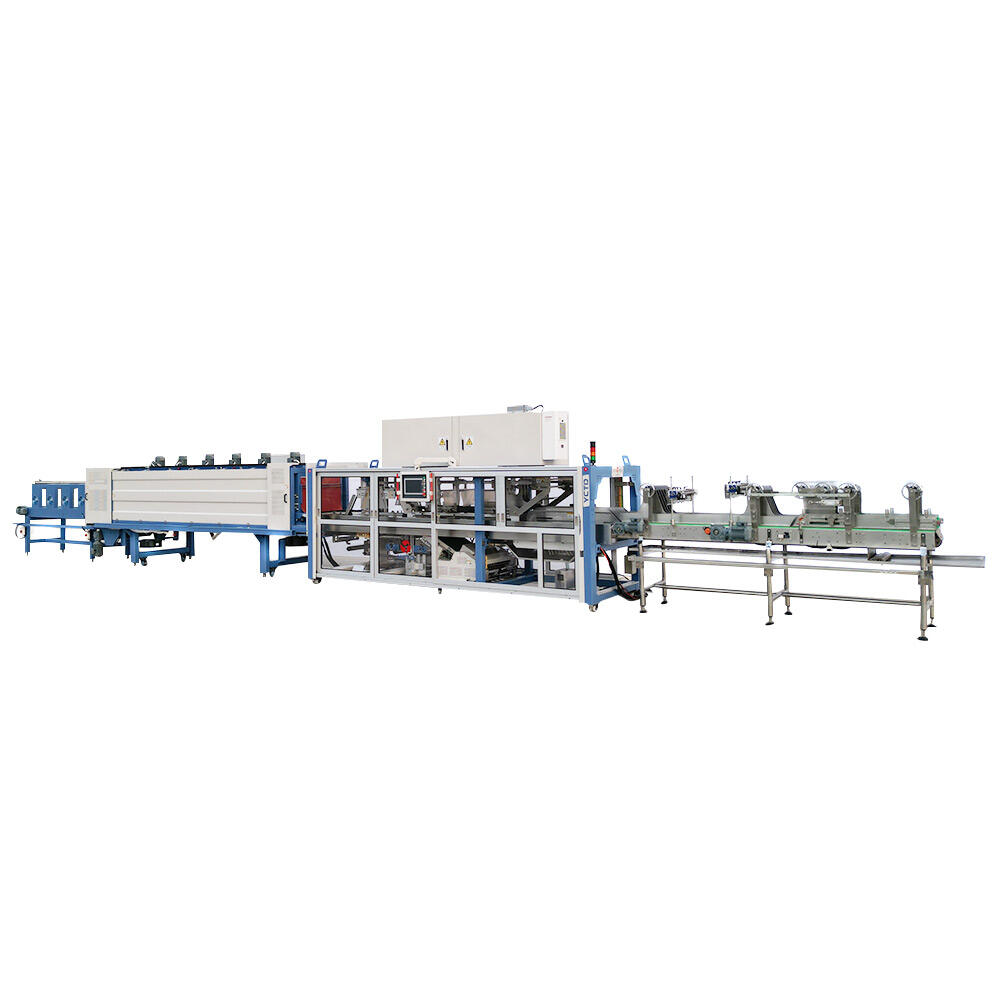
Manufacturing facilities across industries face mounting pressure to optimize operations while reducing overhead costs. Among the most significant expenses confronting production managers today are labor costs, which continue to escalate due to rising wages, benefits, and workforce shortages. A strategic approach to addressing these challenges involves implementing automated packaging solutions, particularly through the integration of a shrink film packaging machine. This advanced equipment offers substantial opportunities to streamline packaging processes, enhance productivity, and achieve measurable reductions in labor-related expenses.
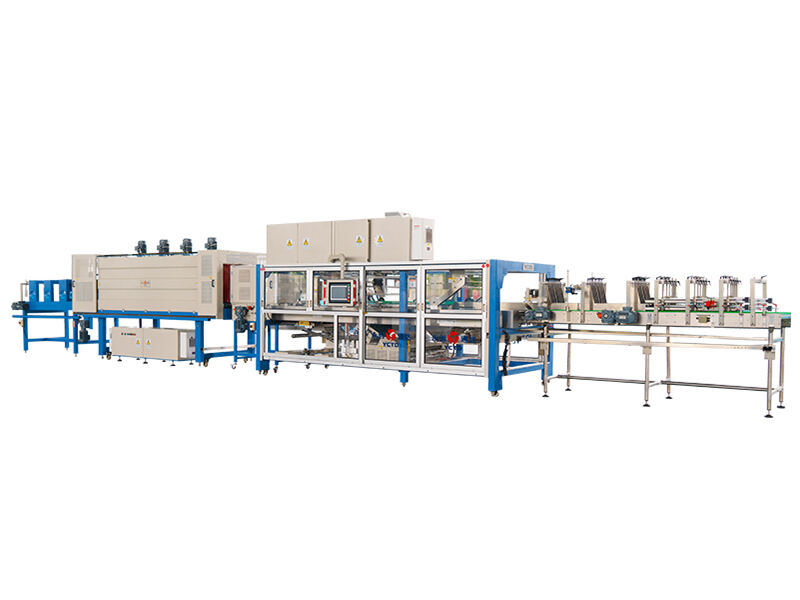
The economic impact of manual packaging operations extends beyond direct wage costs to encompass training expenses, worker compensation claims, turnover rates, and productivity limitations. Modern shrink film packaging machine technology addresses these concerns by automating repetitive tasks, maintaining consistent output quality, and reducing dependency on human intervention. Companies that have transitioned to automated shrink wrapping solutions report significant improvements in operational efficiency while simultaneously reducing their overall workforce requirements for packaging operations.
Understanding Shrink Film Packaging Machine Technology
Core Components and Functionality
A shrink film packaging machine operates through a sophisticated combination of mechanical and thermal processes designed to create secure, professional packaging around products. The system begins with product feeding mechanisms that position items correctly within the packaging area. Advanced conveyor systems ensure consistent product flow while maintaining optimal spacing between items to prevent packaging errors or equipment jams.
The sealing station represents the heart of the shrink film packaging machine operation, where specialized heating elements create precise seals around products. Temperature control systems maintain exact heat levels required for different film materials, ensuring consistent seal quality without damaging sensitive products. Modern machines incorporate infrared heating technology that provides uniform heat distribution across the entire sealing area.
Shrink tunnels complete the packaging process by applying controlled heat to activate the film's shrinking properties. These tunnels feature adjustable temperature zones and variable conveyor speeds, allowing operators to customize the shrinking process for different product types and film specifications. Advanced ventilation systems remove excess heat and film vapors, maintaining safe working conditions while preserving product integrity.
Automation Features and Control Systems
Contemporary shrink film packaging machine designs incorporate sophisticated programmable logic controllers that enable precise operation management. These control systems allow operators to establish custom packaging parameters for different products, storing multiple program settings for quick changeovers between production runs. Touch-screen interfaces provide intuitive access to machine functions while displaying real-time operational data.
Sensor technology plays a crucial role in ensuring optimal performance and reducing manual oversight requirements. Photoelectric sensors detect product presence and positioning, automatically adjusting machine timing to accommodate varying production speeds. Temperature sensors continuously monitor heat levels throughout the sealing and shrinking processes, making automatic adjustments to maintain consistent packaging quality.
Integration capabilities allow shrink film packaging machine systems to connect with existing production line equipment, creating seamless automated workflows. Communication protocols enable data exchange between machines, facilitating coordinated operation and reducing the need for manual intervention at transition points between different packaging stages.
Direct Labor Cost Reduction Benefits
Workforce Optimization Through Automation
Implementation of a shrink film packaging machine immediately reduces the number of personnel required for packaging operations. Traditional manual packaging typically requires multiple workers to handle product positioning, film application, sealing, and quality inspection. Automated systems consolidate these functions into a single machine operation that requires minimal human oversight, often reducing staffing requirements by sixty to seventy percent.
The elimination of repetitive manual tasks allows companies to reassign existing employees to higher-value activities such as quality assurance, maintenance, or production planning. This workforce reallocation strategy maximizes human resource utilization while reducing the total number of positions dedicated exclusively to packaging functions. Organizations benefit from improved employee satisfaction as workers transition from monotonous packaging tasks to more engaging responsibilities.
Reduced dependency on manual labor also minimizes exposure to workforce availability fluctuations. Companies operating shrink film packaging machine systems experience greater operational stability during periods of high employee turnover or seasonal workforce challenges. The consistency provided by automated equipment ensures continuous production capacity regardless of temporary staffing limitations.
Elimination of Overtime and Shift Premium Costs
Manual packaging operations frequently require overtime work to meet production deadlines or handle unexpected order increases. The enhanced speed and consistency of a shrink film packaging machine significantly reduces the need for extended work hours. Automated systems maintain steady output rates throughout entire shifts, eliminating the productivity decline typically associated with worker fatigue during extended operations.
The ability to operate continuously without breaks or shift changes allows companies to maintain production schedules without incurring shift differential payments or overtime premiums. A properly maintained shrink film packaging machine can operate for extended periods with minimal supervision, enabling organizations to complete large orders within regular working hours rather than extending into premium-rate time periods.
Reduced reliance on multiple shift operations also decreases associated costs such as shift supervision, security, and facility utilities. Companies can consolidate packaging operations into fewer shifts while maintaining or increasing total output, resulting in substantial savings on labor-related overhead expenses.
Productivity Enhancement and Efficiency Gains
Speed and Throughput Improvements
Modern shrink film packaging machine systems deliver packaging speeds that far exceed manual capabilities. While experienced manual packaging workers typically complete twenty to thirty packages per minute, automated systems routinely achieve rates of sixty to one hundred packages per minute, depending on product size and complexity. This dramatic speed increase translates directly into reduced labor hours required per unit of output.
Consistent operating speeds eliminate the variability inherent in manual packaging processes. Human workers experience natural fluctuations in productivity due to fatigue, distraction, or varying skill levels among team members. shrink film packaging machine systems maintain steady output rates throughout entire production runs, enabling accurate production planning and reliable delivery commitments to customers.
The ability to maintain peak performance levels continuously allows organizations to process larger order volumes within existing facility operating hours. Companies can accept increased business without proportionally expanding their packaging workforce, improving profit margins while enhancing competitive positioning in their respective markets.
Quality Consistency and Waste Reduction
Automated shrink film packaging machine operations produce consistently uniform packages that meet exact specifications without variation. Manual packaging inherently involves human error, resulting in inconsistent seal quality, improper film application, or inadequate shrinkage. These quality issues require rework or product rejection, increasing labor costs and material waste.
Precise temperature control and timing mechanisms ensure optimal film shrinkage for every package, eliminating the learning curve and skill variation associated with manual operators. New employees operating a shrink film packaging machine can achieve consistent results immediately, whereas manual packaging requires extensive training and practice to develop proficiency.
Reduced packaging defects minimize the labor required for quality inspection and rework activities. Automated systems produce packages that consistently meet quality standards, reducing the need for dedicated quality control personnel and eliminating the costs associated with reprocessing defective packages.
Training and Skill Development Cost Savings
Simplified Operation Requirements
Operating a shrink film packaging machine requires significantly less training than developing proficiency in manual packaging techniques. Automated systems feature intuitive control interfaces that enable new operators to achieve productive output levels within hours rather than weeks. This dramatic reduction in training time translates to immediate labor cost savings and faster integration of new personnel into production operations.
The standardized nature of machine operation eliminates the need for specialized packaging skills or extensive experience. Workers can transition between different shrink film packaging machine systems with minimal additional training, providing operational flexibility and reducing the premium costs associated with highly specialized packaging personnel.
Simplified operation also reduces ongoing training requirements as employee turnover occurs. New hires can quickly reach full productivity levels, minimizing the transition period during which partial productivity impacts overall operational efficiency. Companies experience fewer disruptions to production schedules when replacing packaging personnel.
Reduced Supervision and Management Overhead
Automated shrink film packaging machine operations require less direct supervision than manual packaging teams. The consistent performance and self-monitoring capabilities of modern equipment reduce the need for constant oversight, allowing supervisors to manage larger operational areas or focus on strategic improvement initiatives rather than day-to-day packaging supervision.
The elimination of complex manual coordination between multiple packaging workers simplifies management requirements. A single operator can manage an entire shrink film packaging machine system that would traditionally require a team of manual workers, reducing the supervisory complexity and associated management costs.
Automated data collection and reporting capabilities provide managers with detailed operational information without requiring manual data gathering. This improved visibility into packaging performance enables more effective resource allocation and reduces the administrative burden on supervisory personnel.
Long-term Economic Impact Analysis
Return on Investment Calculations
The financial benefits of implementing a shrink film packaging machine compound over time as labor cost savings accumulate. Organizations typically achieve complete return on equipment investment within eighteen to thirty-six months, depending on production volumes and current labor costs. Beyond the payback period, ongoing savings contribute directly to improved profit margins and competitive advantages.
Labor cost inflation affects manual packaging operations more severely than automated systems. As wages continue to rise, the cost differential between manual and automated packaging increases, providing growing economic benefits to companies that have invested in shrink film packaging machine technology. Early adopters of automation gain increasingly significant cost advantages over competitors relying on manual processes.
The scalability of automated packaging systems enables companies to handle business growth without proportional increases in labor costs. A shrink film packaging machine can accommodate higher production volumes through extended operating hours or improved efficiency settings, providing operational flexibility that would require substantial workforce expansion in manual operations.
Competitive Positioning and Market Advantages
Lower packaging costs achieved through shrink film packaging machine implementation enable more competitive pricing strategies while maintaining profit margins. Companies can offer better value propositions to customers or invest savings into product development, marketing, or other growth initiatives that strengthen market position.
The reliability and consistency of automated packaging operations support improved customer service levels. Companies using shrink film packaging machine systems can offer shorter lead times, more reliable delivery commitments, and consistent package quality that enhances customer satisfaction and retention rates.
Operational efficiency gains from automated packaging free up management attention and resources for strategic business development activities. Organizations can focus on market expansion, product innovation, or process improvement initiatives rather than managing complex manual packaging operations and associated labor challenges.
Implementation Strategies and Best Practices
Equipment Selection and Specification
Successful shrink film packaging machine implementation begins with careful analysis of current packaging requirements and future growth projections. Organizations must evaluate product dimensions, packaging volume requirements, and specific film materials to select equipment that optimizes both immediate needs and long-term operational flexibility. Proper sizing ensures maximum efficiency while avoiding overcapitalization on unnecessary features.
Integration planning involves assessing existing production line configurations and determining optimal placement for new shrink film packaging machine systems. Effective integration minimizes disruption to current operations while maximizing workflow efficiency. Companies should consider conveyor modifications, utility requirements, and space optimization to achieve seamless automation implementation.
Vendor selection criteria should emphasize technical support capabilities, training programs, and maintenance service availability. The long-term success of shrink film packaging machine operations depends heavily on reliable supplier relationships that ensure continued operational excellence and rapid response to technical challenges.
Transition Planning and Change Management
Effective transition to automated packaging requires comprehensive change management strategies that address both technical and human resource considerations. Organizations should develop detailed implementation timelines that coordinate equipment installation, employee training, and process modifications while maintaining continuous production capabilities during the transition period.
Employee communication and training programs help ensure successful adoption of new shrink film packaging machine technology. Workers need clear understanding of how automation changes their roles and responsibilities, along with adequate training to operate new equipment effectively. Positive change management reduces resistance and accelerates achievement of projected efficiency gains.
Pilot testing phases allow organizations to validate performance expectations and refine operational procedures before full-scale implementation. Limited-scope testing identifies potential issues while providing opportunities to optimize settings and procedures for maximum efficiency and cost savings.
FAQ
What initial investment is required for a shrink film packaging machine
The initial investment for a shrink film packaging machine typically ranges from fifty thousand to two hundred thousand dollars, depending on production capacity, automation level, and specific feature requirements. Organizations should evaluate total cost of ownership including installation, training, and ongoing maintenance when calculating investment requirements. Most companies achieve complete return on investment within two to three years through labor cost savings and increased productivity.
How quickly can companies achieve labor cost reductions after implementation
Labor cost reductions begin immediately upon successful shrink film packaging machine installation and operator training completion. Companies typically observe significant cost savings within the first month of operation as reduced staffing requirements and increased productivity take effect. Full optimization usually occurs within ninety days as operators become proficient and processes are refined for maximum efficiency.
What ongoing maintenance requirements affect long-term cost savings
Shrink film packaging machine systems require regular preventive maintenance including cleaning, lubrication, and component inspection to maintain optimal performance. Monthly maintenance costs typically represent one to three percent of equipment value annually. Proper maintenance programs ensure continued reliability and prevent costly breakdowns that could impact labor savings achievements.
Can existing employees operate automated packaging equipment effectively
Most existing employees can successfully transition to operating shrink film packaging machine equipment with appropriate training programs. The intuitive control systems and automated functions reduce skill requirements compared to manual packaging processes. Companies often find that current packaging personnel become highly effective machine operators within one to two weeks of comprehensive training.