
 EN
EN
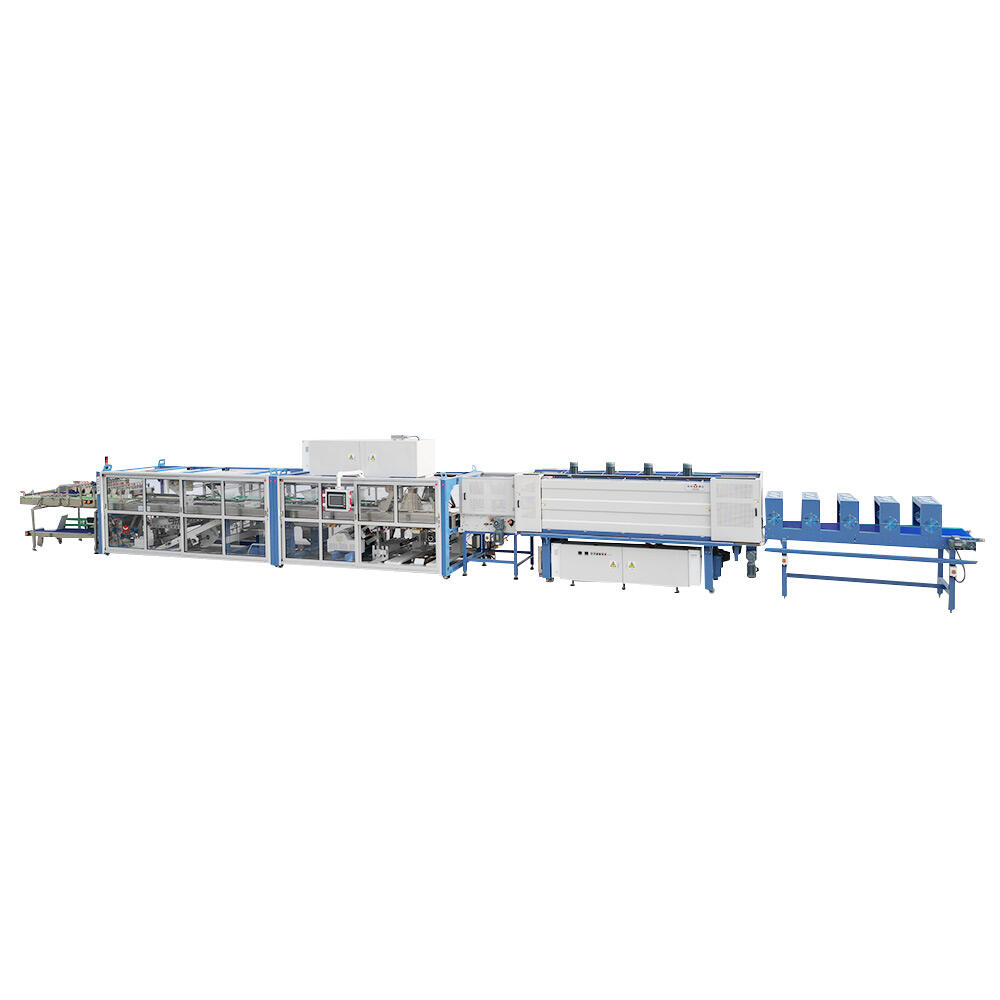
Small businesses seeking efficient packaging solutions often turn to shrink wrapping technology to protect their products while maintaining professional presentation. The right shrink wrapper can transform your packaging process, reducing labor costs and improving product protection during storage and transportation. Modern shrink wrapper systems offer versatility, reliability, and cost-effectiveness that make them essential equipment for businesses across various industries.
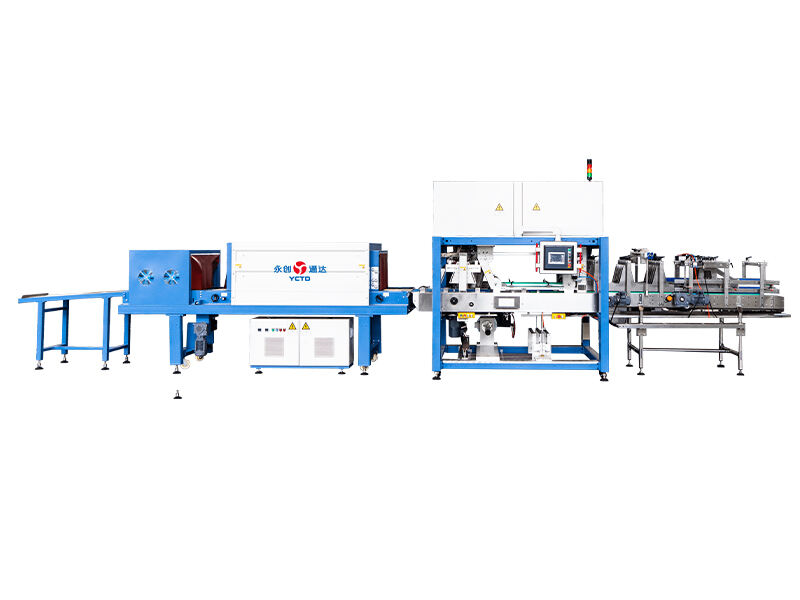
Understanding the specific requirements of your business is crucial when selecting packaging equipment. A quality shrink wrapper should deliver consistent results while accommodating different product sizes and shapes. The investment in proper shrink wrapping equipment pays dividends through improved product presentation, reduced material waste, and enhanced operational efficiency that directly impacts your bottom line.
Essential Features of Modern Shrink Wrappers
Temperature Control Systems
Professional shrink wrapper machines incorporate advanced temperature control systems that ensure optimal film shrinkage without damaging sensitive products. These systems maintain precise heat distribution across the sealing area, preventing overheating that could compromise product integrity or packaging appearance. Temperature consistency is particularly important when working with different film types or varying product materials.
Digital temperature controllers allow operators to set specific parameters for different products, creating reproducible results across production runs. The ability to adjust temperature settings quickly enables businesses to package diverse product lines efficiently using the same shrink wrapper equipment.
Sealing Mechanism Design
The sealing mechanism represents the heart of any effective shrink wrapper system. High-quality machines feature durable sealing bars that create consistent, leak-proof seals while maintaining optimal film tension. Pneumatic or electronic sealing systems provide precise control over sealing pressure and duration, accommodating different film thicknesses and product requirements.
Advanced sealing mechanisms include safety features such as automatic shut-off systems and heat-resistant guards that protect operators while maintaining productivity. These design elements contribute to both operator safety and equipment longevity, making them essential considerations for business owners evaluating shrink wrapper options.
Productivity Enhancement Through Automation
Conveyor Integration Capabilities
Modern shrink wrapper systems often feature conveyor integration options that streamline the packaging process from start to finish. Integrated conveyor systems eliminate manual product handling between packaging stages, reducing labor requirements while increasing throughput capacity. This automation capability becomes particularly valuable for businesses processing high volumes of similar products.
Conveyor-integrated shrink wrapper machines can be synchronized with upstream production equipment, creating seamless packaging lines that maximize efficiency. The reduced handling requirements also minimize the risk of product damage during the packaging process, improving overall quality control.
Speed and Throughput Optimization
Production speed capabilities vary significantly among different shrink wrapper models, making throughput requirements a critical selection factor. Entry-level machines typically handle 200-400 packages per hour, while industrial-grade systems can process over 1000 packages hourly. Understanding your current and projected volume requirements helps ensure you select equipment that grows with your business.
Variable speed controls allow operators to optimize packaging rates based on product complexity and quality requirements. This flexibility enables businesses to maintain consistent output quality while maximizing productivity during peak demand periods.
Film Compatibility and Material Options
Polyethylene Film Applications
Polyethylene shrink films offer excellent clarity, puncture resistance, and sealing properties that make them suitable for a wide range of products. A versatile shrink wrapper should accommodate various polyethylene film gauges and formulations to provide packaging flexibility. These films work particularly well for food products, electronics, and consumer goods requiring moisture protection.
The ability to handle different film thicknesses without mechanical adjustments simplifies operation and reduces changeover time between product runs. Quality shrink wrapper equipment maintains consistent sealing performance across the full range of compatible film specifications.
Specialized Film Requirements
Some applications require specialized films such as anti-static materials for electronics packaging or FDA-approved films for food contact applications. Professional shrink wrapper systems accommodate these specialized materials through adjustable temperature and sealing parameters that optimize performance for specific film characteristics.
Multi-layer films and barrier materials require precise temperature control to achieve proper shrinkage without compromising barrier properties. Advanced shrink wrapper equipment provides the fine-tuned control necessary for these demanding applications.
Size and Space Considerations
Compact Desktop Models
Space-constrained facilities benefit from compact desktop shrink wrapper designs that deliver professional results within minimal footprints. These machines typically measure less than 24 inches in width while still accommodating products up to 18 inches in length. Desktop models prove ideal for small-batch production, seasonal packaging requirements, or businesses testing shrink wrapping before committing to larger systems.
Despite their compact size, quality desktop shrink wrapper units incorporate the same essential features as larger machines, including adjustable temperature controls, safety systems, and consistent sealing mechanisms. This makes them viable long-term solutions rather than temporary stopgap equipment.
Floor-Standing Industrial Units
Larger operations require floor-standing shrink wrapper systems that handle bigger products and higher volumes. These machines typically accommodate products up to 36 inches in length and width, making them suitable for packaging large items or multiple smaller products simultaneously. Floor-standing models also offer enhanced stability and durability for continuous operation environments.
Industrial shrink wrapper units often include additional features such as built-in cooling fans, extended conveyor sections, and enhanced safety systems that support high-volume production requirements. The increased investment in these systems pays dividends through improved productivity and reduced per-unit packaging costs.
Cost-Effectiveness and Return on Investment
Initial Equipment Investment
Shrink wrapper pricing varies significantly based on features, capacity, and construction quality. Entry-level manual systems start around $2,000, while fully automated industrial units can exceed $50,000. Understanding your volume requirements and quality standards helps determine the appropriate investment level for your specific application.
Quality shrink wrapper equipment delivers consistent performance over many years, making the initial investment cost less significant when calculated on a per-package basis. Reliable equipment also reduces maintenance costs and minimizes production disruptions that can impact profitability.
Operating Cost Analysis
Beyond initial purchase price, operating costs include film materials, electricity consumption, and maintenance requirements. Efficient shrink wrapper systems minimize film waste through precise cutting and sealing mechanisms, reducing material costs over time. Energy-efficient heating systems also contribute to lower operating expenses, particularly important for high-volume operations.
Preventive maintenance requirements for quality shrink wrapper equipment remain minimal, typically involving routine cleaning and occasional seal bar replacement. These low maintenance requirements contribute to favorable total cost of ownership calculations compared to alternative packaging methods.
Safety Features and Operator Protection
Heat Protection Systems
Professional shrink wrapper equipment incorporates comprehensive safety features that protect operators from heat-related injuries. Insulated housing, safety guards, and emergency shut-off systems prevent accidental contact with heating elements during operation. These safety features meet or exceed industry standards while maintaining productivity and ease of use.
Automatic cooling cycles and temperature monitoring systems prevent overheating conditions that could pose safety risks or damage equipment. Quality shrink wrapper machines include visual and audible indicators that alert operators to system status and potential safety concerns.
Electrical Safety Standards
Electrical safety remains paramount in shrink wrapper design, with quality machines incorporating proper grounding, circuit protection, and emergency disconnect systems. UL listing and CE certification provide assurance that equipment meets recognized safety standards for commercial and industrial applications.
Modern shrink wrapper systems include ground fault protection and other electrical safety features that prevent shock hazards while maintaining operational reliability. These safety systems operate transparently, providing protection without interfering with normal packaging operations.
Maintenance and Service Requirements
Routine Maintenance Procedures
Regular maintenance keeps shrink wrapper equipment operating at peak performance while extending service life. Daily cleaning procedures remove film residue and dust that can accumulate on sealing surfaces and heating elements. Weekly inspection of moving parts, electrical connections, and safety systems helps identify potential issues before they impact production.
Proper maintenance documentation and scheduling ensure consistent equipment performance and help maintain warranty coverage. Quality shrink wrapper manufacturers provide detailed maintenance instructions and schedules that minimize complexity while maximizing equipment reliability.
Parts Availability and Support
Long-term equipment viability depends on parts availability and technical support from the manufacturer. Established shrink wrapper manufacturers maintain extensive parts inventories and provide technical support through phone, email, and on-site service options. This support infrastructure proves crucial for maintaining productive operations over the equipment's service life.
Standardized components and common replacement parts reduce maintenance costs and minimize downtime when service is required. Quality shrink wrapper systems use readily available components wherever possible while maintaining performance and reliability standards.
FAQ
What size products can a standard shrink wrapper handle
Most standard shrink wrapper machines accommodate products ranging from small items measuring 2x2 inches up to larger packages measuring 18x24 inches. The specific size limitations depend on the machine model and sealing bar dimensions. Some industrial shrink wrapper systems can handle even larger products, while compact desktop units may have smaller capacity limits. Always verify product size compatibility before purchasing equipment.
How much electricity does a shrink wrapper consume during operation
Typical shrink wrapper power consumption ranges from 1500 to 3000 watts during active sealing and heating cycles. Most machines operate intermittently, with actual power usage averaging 30-50% of rated capacity during normal production. Energy-efficient models incorporate improved insulation and heating element designs that reduce overall power consumption while maintaining consistent performance.
Can shrink wrapper machines work with different types of shrink film
Quality shrink wrapper equipment accommodates various film types including polyethylene, PVC, and specialized barrier films. Different films may require temperature and timing adjustments to achieve optimal results. Most professional machines include adjustable controls that allow optimization for specific film characteristics. Always consult manufacturer specifications to ensure film compatibility with your particular shrink wrapper model.
What is the typical lifespan of a commercial shrink wrapper
Well-maintained commercial shrink wrapper equipment typically provides 8-15 years of reliable service depending on usage intensity and maintenance quality. Machines used for high-volume production may require more frequent component replacement but can still deliver many years of productive operation. Regular maintenance and proper operation significantly extend equipment life while maintaining consistent packaging quality throughout the service period.