
 EN
EN
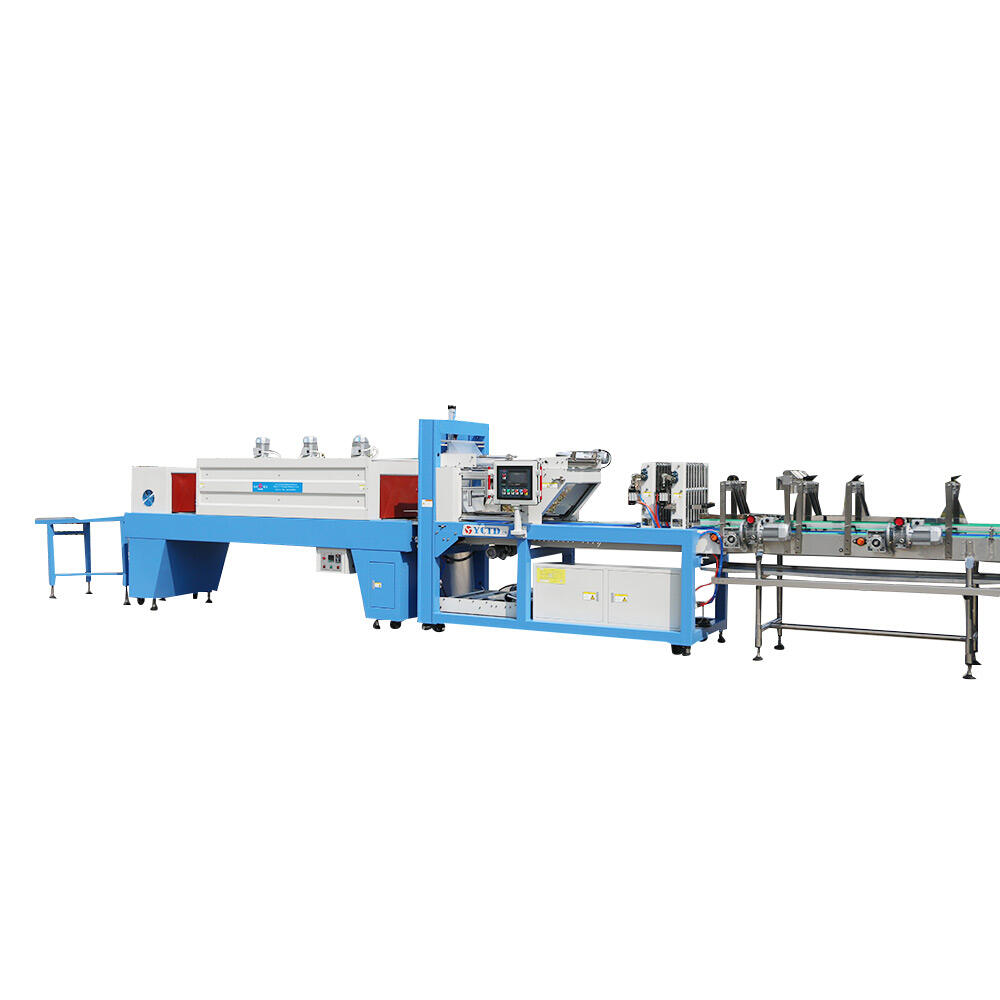
In today's fast-moving distribution and logistics environment, warehouse efficiency is no longer a competitive advantage — it is a baseline requirement. Operations managers and packaging engineers are under relentless pressure to reduce cycle times, minimize material waste, and maintain product integrity throughout the supply chain. One of the most impactful upgrades a modern warehouse can implement is integrating a high-performance Shrink Packaging Machine into its tray-based packaging workflow. This single investment touches multiple efficiency pillars simultaneously — throughput speed, labor reduction, unit load stability, and inventory space optimization.
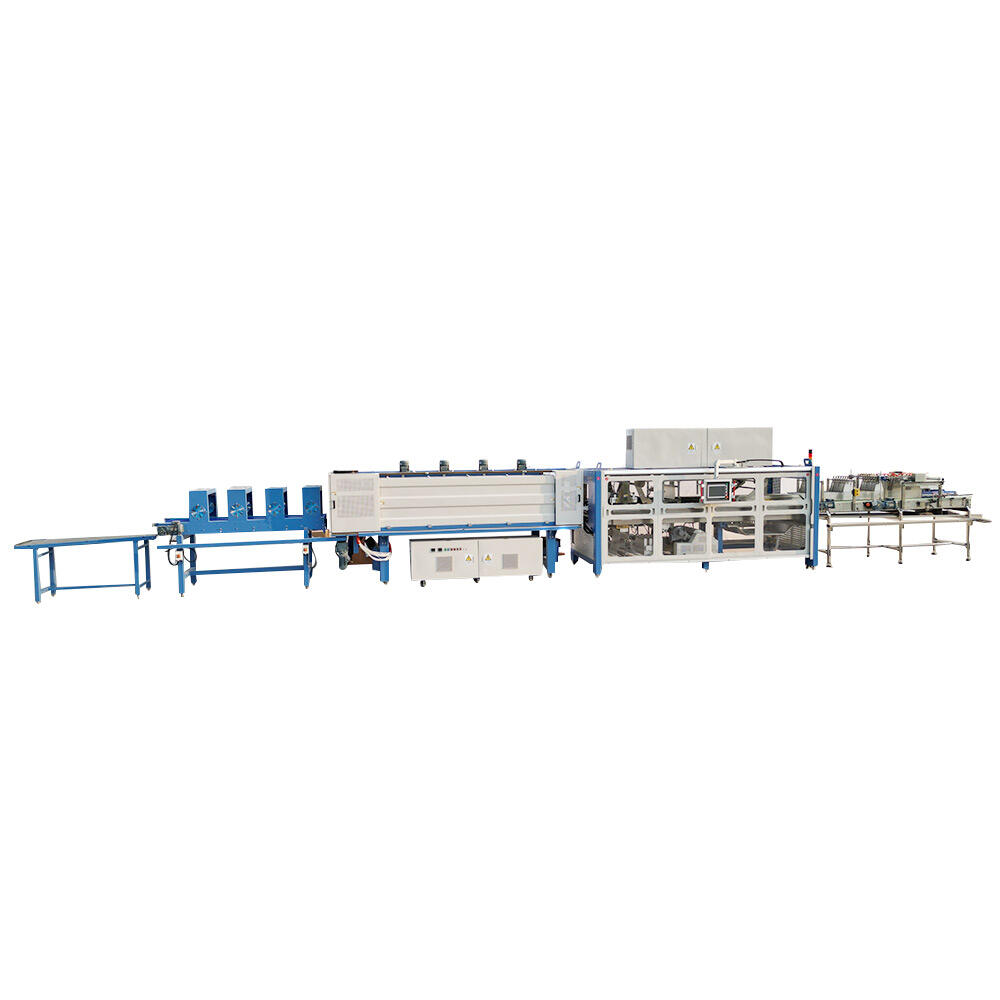
Tray packaging solutions have evolved considerably over the past decade. Where manual wrapping and stretch film stations once dominated secondary packaging lines, facilities are now deploying automated Shrink Packaging Machine systems that integrate seamlessly with conveyors, palletizers, and warehouse management software. The result is a packaging cell that doesn't just wrap products — it becomes a strategic node in the broader warehouse efficiency ecosystem. Understanding how to configure, position, and optimize these machines within a tray-based line is the key to unlocking their full value.
Understanding the Role of Tray Packaging in Warehouse Workflow
Why Tray Packaging Is Central to Secondary Packaging Efficiency
Tray packaging serves as the structural bridge between primary product units and palletized bulk loads. When products are grouped onto a tray and then secured with film using a Shrink Packaging Machine, they form a stable, tamper-evident bundle that is far easier to handle, scan, and store than loose units. This grouping logic directly reduces the number of individual picks and placements required during putaway and fulfillment, cutting labor hours significantly across high-volume SKUs.
In warehouse environments managing dozens or hundreds of product variants, tray-based groupings also simplify inventory counting and cycle checks. A Shrink Packaging Machine applying consistent film tension and heat creates uniform bundle dimensions, which is invaluable when slot-based storage systems depend on predictable unit footprints. Inconsistent bundle sizes, by contrast, lead to wasted rack space, unstable stacking, and increased picking errors.
Beyond storage efficiency, tray packaging reduces product exposure to dust, moisture, and incidental contact during transit within the facility. For industries like food and beverage, pharmaceuticals, or personal care goods, this secondary containment function provided by a properly configured Shrink Packaging Machine is not optional — it is a compliance and quality requirement. The tray adds rigidity, and the shrink film adds containment and visual identification, together forming a package that performs well from line end to shelf.
How Tray and Film Configuration Affects Line Speed
The geometry of the tray and the type of shrink film used have a direct impact on how fast a Shrink Packaging Machine can process each bundle. Trays that are dimensionally consistent and load-matched to the machine's infeed specifications allow the machine to operate at rated speed without adjustments or jams. Selecting the right tray depth, flute profile, and board weight in coordination with machine parameters is a pre-optimization step that many facilities overlook until they experience repeated downtime.
Film gauge and shrink ratio are equally important. A Shrink Packaging Machine processes film through a heat tunnel that must be calibrated to the film's specific shrink temperature and the bundle's geometry. Mismatched film specifications cause either insufficient shrink — resulting in loose, unsecured bundles — or over-shrink, which can crush trays or deform products. Working with verified film specifications that match machine tunnel settings ensures consistent output and protects line throughput.
Line speed optimization also depends on the machine's sealing mechanism and the film feed system. Modern Shrink Packaging Machine models designed for tray applications often include servo-driven film feed and precision sealing bars that allow rapid changeover between SKU sizes without manual tooling changes. This flexibility is critical in warehouses running multiple product formats across a single packaging line.
Positioning the Shrink Packaging Machine for Maximum Throughput
Line Layout Principles That Amplify Machine Performance
The physical placement of a Shrink Packaging Machine within the warehouse packaging cell has a measurable effect on overall throughput. Machines placed at the end of a product accumulation conveyor, with adequate buffer length upstream, can operate at rated capacity without being starved of product. Machines placed too close to upstream operations without buffer create a stop-start cadence that both reduces machine efficiency and increases seal quality variability due to irregular dwell times.
Downstream of the Shrink Packaging Machine, adequate cooling conveyor length must be provided before any automated labeling, scanning, or palletizing equipment. Shrink film that exits the heat tunnel is still pliable and can deform under contact pressure if handled too quickly. A cooling zone of appropriate length — sized to the machine's output rate and tunnel temperature — ensures bundles are dimensionally stable by the time they reach downstream handling points.
For warehouses running multiple shifts, the positioning of the Shrink Packaging Machine must also account for maintenance access on all sides. Machines positioned flush against walls or other equipment create blind spots that delay preventive maintenance and extend repair times during unplanned stops. Best-practice layouts provide at least one meter of clearance on the film loading side and service access on the tunnel end for element inspection and replacement.
Integrating the Machine with Warehouse Management Systems
A modern Shrink Packaging Machine is not simply a standalone mechanical device — it is a data-producing node on the production floor. Machines equipped with PLC controls and OPC-UA or Ethernet communication protocols can report cycle counts, fault codes, film consumption data, and downtime events in real time to warehouse management systems or MES platforms. This data integration transforms the packaging cell from an opaque process into a visible, manageable workflow segment.
When the Shrink Packaging Machine is connected to inventory and order management systems, packaging line output can be directly linked to fulfillment triggers. As bundles are completed and scanned, inventory records update automatically, reducing manual data entry errors and improving order accuracy. In distribution centers where same-day fulfillment is standard, this closed-loop data flow between the packaging machine and the WMS is a meaningful operational differentiator.
Facilities that have invested in vision systems or barcode scanners downstream of their Shrink Packaging Machine gain an additional quality gate. Every completed bundle is verified for label placement, bundle count, and film integrity before it moves to storage or shipping. Defective bundles are flagged and diverted automatically, keeping quality control from becoming a bottleneck and ensuring that only compliant product reaches fulfillment staging.
Reducing Labor Costs Through Automation and Smart Configuration
Where Manual Processes Can Be Replaced by Machine Automation
In warehouses that still rely on manual tray assembly and stretch wrapping, labor costs represent a substantial and variable expense. An automated Shrink Packaging Machine replaces the most repetitive and physically demanding steps in the secondary packaging process — film application, sealing, and heat shrinking — allowing operators to focus on supervisory, quality, and material replenishment tasks. A single machine operating at moderate speed can typically replace the output of two to four manual wrapping stations, depending on bundle complexity and SKU mix.
The consistency benefit is equally important as the speed benefit. Manual wrapping produces variable film tension, inconsistent seal placement, and irregular bundle appearance — all of which create downstream handling complications. An automated Shrink Packaging Machine applies precisely calibrated film tension and seal dwell time on every cycle, producing bundles that are dimensionally and structurally consistent regardless of operator fatigue or shift variation. This consistency reduces rework, complaints, and product damage claims across the distribution chain.
Warehouses implementing semi-automated tray lines — where product loading is manual but film application and sealing are machine-driven — often find an intermediate efficiency point that aligns with their current labor model and capital budget. Even partial automation using a Shrink Packaging Machine delivers measurable gains in throughput rate, seal quality, and material utilization compared to fully manual operations.
Film Consumption Optimization and Material Cost Reduction
Material cost is often the second-largest operating expense on a packaging line after labor. A well-configured Shrink Packaging Machine offers several mechanisms for reducing film consumption without compromising bundle integrity. Precision film feed systems that apply exact cut lengths based on bundle dimensions eliminate the overrun material waste common in manual wrapping. Across thousands of cycles per shift, this precision translates into meaningful film savings that accumulate quickly against the machine's capital cost.
Heat tunnel energy management is another area where modern Shrink Packaging Machine designs deliver efficiency gains. Machines with variable-speed tunnel blowers and temperature zoning can match energy consumption to actual production rate, reducing power draw during low-volume periods without sacrificing shrink quality. For large facilities running packaging lines multiple shifts per day, this energy management capability has a visible impact on utility costs over an annual operating period.
Selecting a Shrink Packaging Machine with an intuitive recipe management system also reduces material waste during changeovers. When the machine stores precise film, temperature, and speed settings for each SKU, operators can switch between products with minimal trial runs and wasted film. Recipe-based changeover is especially valuable in facilities managing a wide product mix where manual re-tuning between formats would otherwise consume significant time and material.
Maintenance Strategies That Protect Long-Term Efficiency
Preventive Maintenance Routines for Continuous Operation
The efficiency gains delivered by a Shrink Packaging Machine are only sustainable if the machine is maintained to a consistent standard. Sealing element condition is the most critical maintenance variable — worn or contaminated sealing elements produce inconsistent seals that either fail during handling or require rework at downstream quality checks. Establishing a sealing element inspection and replacement schedule based on cycle count rather than calendar time is the most reliable approach for high-volume operations.
Heat tunnel components, including heating elements, temperature sensors, and blower motors, require periodic inspection to ensure they are operating within specification. A Shrink Packaging Machine running with a degraded heating element produces bundles with uneven shrink, which may pass visual inspection but fail under physical handling stress. Catching heating element degradation early through thermal imaging or periodic resistance testing prevents both quality escapes and unplanned downtime.
Film path components — rollers, guides, and tension controls — accumulate adhesive residue and film debris over time and should be cleaned on a scheduled basis. Contaminated film paths cause film tracking errors and sealing defects that reduce machine efficiency and increase scrap rates. A Shrink Packaging Machine that receives consistent film path maintenance operates at rated speed with lower scrap rates, directly supporting the warehouse efficiency targets that justified its installation.
Operator Training as an Efficiency Multiplier
Technical maintenance alone does not sustain Shrink Packaging Machine efficiency. Operator competence in machine setup, changeover execution, fault response, and basic troubleshooting is equally critical. Operators who understand how to read the machine's HMI diagnostics, respond correctly to film jams, and execute recipe changeovers without supervision add measurable throughput hours across a weekly operating schedule compared to operators who require constant supervisory support.
Structured training programs for Shrink Packaging Machine operation should cover not only button-by-button procedures but the underlying physical principles of heat shrink packaging — why film tension matters, how dwell time affects seal integrity, and what visual indicators signal degrading machine performance. Operators with this deeper understanding are proactive in identifying problems before they cause downtime, rather than reactive after failures occur.
Cross-training multiple operators on the Shrink Packaging Machine reduces the dependency on single-operator knowledge and ensures that shift changes and absences do not disrupt packaging line throughput. In warehouses operating extended or continuous shift schedules, cross-trained operators are a direct enabler of the labor flexibility that modern distribution environments demand.
FAQ
What types of products benefit most from tray packaging with a Shrink Packaging Machine?
Products that are grouped for retail display or bulk distribution — including beverage cans, bottled goods, canned foods, personal care items, and hardware units — benefit significantly from tray-based Shrink Packaging Machine processing. The tray provides structural support while the shrink film secures the bundle, making the combination particularly effective for products that need to be handled as grouped units without individual product damage.
How does a Shrink Packaging Machine contribute to reducing product damage in the warehouse?
A Shrink Packaging Machine applies calibrated film tension uniformly around each tray bundle, creating a tight, stable secondary package that resists shifting, tipping, and abrasion during conveyor transport, forklift handling, and racked storage. This structural containment reduces the incidence of product contact damage and eliminates the loose-bundle instability that commonly causes product loss during high-speed automated handling.
Can a Shrink Packaging Machine be integrated into an existing warehouse packaging line without major reconstruction?
In most cases, yes. Modern Shrink Packaging Machine models are designed with modular infeed and outfeed conveyor configurations that allow integration into existing line layouts with standard mechanical and electrical connections. The primary requirements are adequate upstream buffer space, downstream cooling conveyor length, and electrical supply matching the machine's power specification. A qualified equipment integrator can assess line compatibility and plan the integration with minimal disruption to ongoing operations.
What is the typical changeover time for a Shrink Packaging Machine when switching between tray sizes?
On machines equipped with recipe management and servo-driven film feed, changeover between tray sizes can be completed in as little as five to fifteen minutes by a trained operator. Machines without recipe management or with manual film path adjustments may require thirty minutes or more per changeover. For warehouses running four or more SKU formats on a single Shrink Packaging Machine, the cumulative efficiency impact of changeover time is significant, making recipe-based automation a high-value specification criterion during machine selection.
Table of Contents
- Understanding the Role of Tray Packaging in Warehouse Workflow
- Positioning the Shrink Packaging Machine for Maximum Throughput
- Reducing Labor Costs Through Automation and Smart Configuration
- Maintenance Strategies That Protect Long-Term Efficiency
-
FAQ
- What types of products benefit most from tray packaging with a Shrink Packaging Machine?
- How does a Shrink Packaging Machine contribute to reducing product damage in the warehouse?
- Can a Shrink Packaging Machine be integrated into an existing warehouse packaging line without major reconstruction?
- What is the typical changeover time for a Shrink Packaging Machine when switching between tray sizes?