
 EN
EN
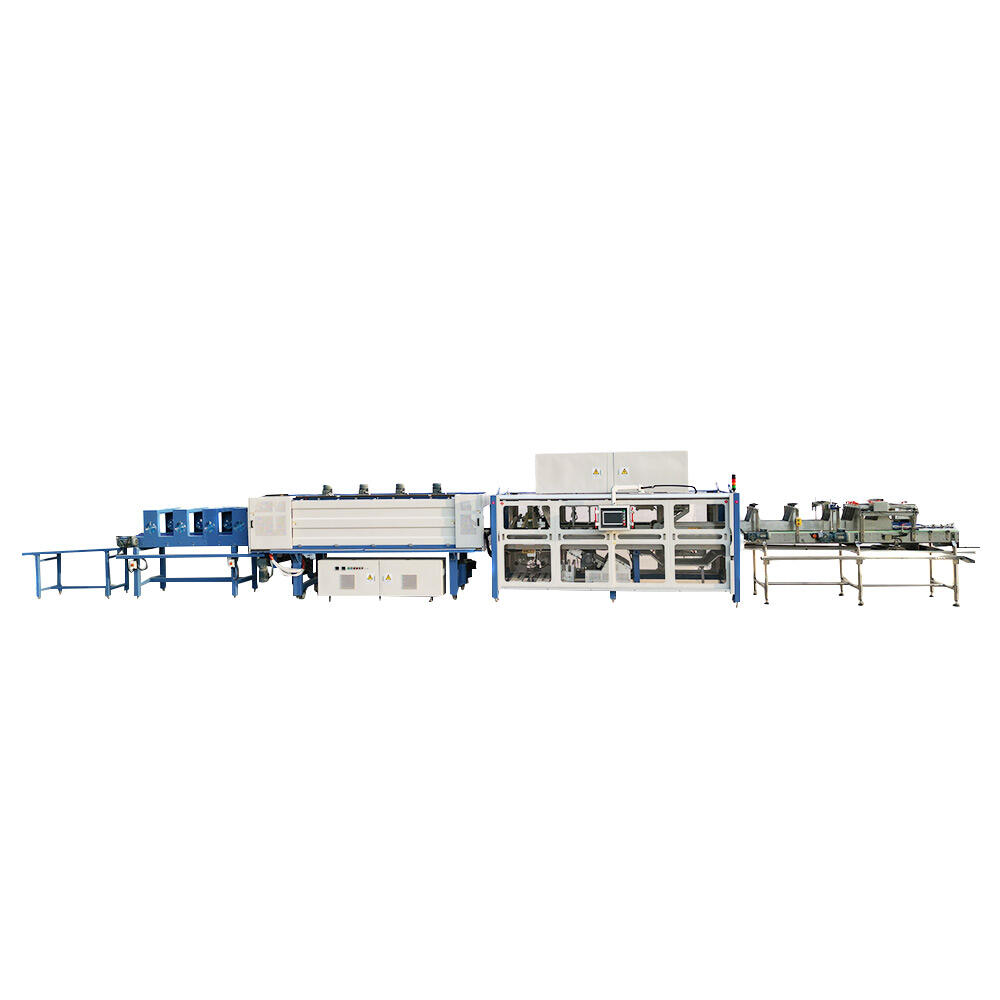
In today's competitive manufacturing landscape, choosing the right packaging solution can significantly impact your operational efficiency and bottom line. When evaluating packaging equipment options, businesses often face a critical decision between manual and automatic shrink wrapping systems. Understanding the fundamental differences, capabilities, and long-term implications of each approach is essential for making an informed investment decision. A shrink packing machine represents more than just equipment—it's a strategic asset that influences production speed, labor costs, product quality, and customer satisfaction. The choice between manual and automatic systems depends on various factors including production volume, budget constraints, product types, and future growth projections.
Understanding Manual Shrink Wrapping Systems
Basic Functionality and Operation
Manual shrink wrapping systems require direct operator intervention for each packaging cycle. These systems typically consist of a sealing bar, heat tunnel, and basic control mechanisms that depend on human operators to position products, apply film, and initiate the shrinking process. The operator manually places items on the wrapping platform, positions the shrink film around the product, and activates the sealing mechanism. This hands-on approach provides complete control over the packaging process but requires consistent attention and physical presence throughout operations. Manual systems often feature adjustable temperature controls and timer settings that operators can modify based on product requirements and film specifications.
The simplicity of manual shrink packing machine designs makes them accessible to operators with minimal technical training. Most systems feature straightforward controls with clear indicators for temperature, timing, and operational status. This user-friendly approach reduces the learning curve and allows businesses to implement packaging solutions quickly without extensive staff retraining. However, the manual nature of these systems inherently limits production speed and introduces variability in packaging quality depending on operator skill and consistency.
Advantages of Manual Systems
Manual shrink wrapping systems offer several distinct advantages that make them attractive for specific business scenarios. The lower initial investment cost represents the most immediate benefit, making these systems accessible to small businesses and startups with limited capital budgets. Maintenance requirements are typically minimal due to fewer mechanical components and simpler operational mechanisms. This reduced complexity translates to lower ongoing maintenance costs and fewer potential failure points that could disrupt production schedules.
Flexibility stands out as another significant advantage of manual systems. Operators can easily accommodate various product sizes, shapes, and packaging requirements without complex programming or setup procedures. This adaptability proves particularly valuable for businesses handling diverse product lines or custom packaging requests. The ability to make real-time adjustments and quality assessments during the packaging process allows for immediate corrections and ensures consistent output quality when operated by skilled personnel.
Limitations and Considerations
Despite their advantages, manual shrink packing machine systems present several limitations that businesses must carefully consider. Production speed limitations represent the most significant constraint, as human operators can only process a finite number of packages per hour regardless of skill level. This throughput limitation becomes increasingly problematic as business volumes grow, potentially creating bottlenecks in production workflows. Labor costs also accumulate over time, as manual systems require dedicated operators throughout production runs, increasing per-unit packaging costs compared to automated alternatives.
Consistency challenges arise from the inherent variability in human performance. Factors such as operator fatigue, training level, and attention to detail can affect packaging quality and uniformity. This variability may lead to customer complaints, product returns, or quality control issues that impact brand reputation. Additionally, manual systems are vulnerable to production disruptions caused by staff absences, turnover, or scheduling conflicts, potentially affecting delivery commitments and customer satisfaction.
Exploring Automatic Shrink Wrapping Technology
Advanced Automation Features
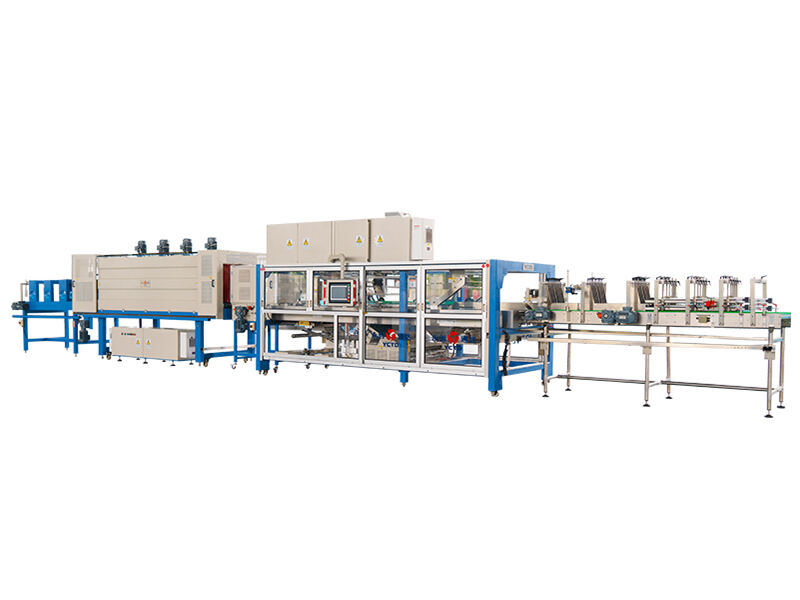
Automatic shrink wrapping systems represent sophisticated packaging technology that minimizes human intervention while maximizing efficiency and consistency. These systems integrate conveyor mechanisms, automatic film application, precise sealing controls, and programmable heat tunnels to create seamless packaging workflows. Advanced sensors detect product presence, adjust film tension, monitor temperature conditions, and ensure proper sealing without operator input. The integration of programmable logic controllers allows for precise timing, temperature regulation, and quality monitoring that maintains consistent results across thousands of packaging cycles.
Modern automatic shrink packing machine systems often include touchscreen interfaces that simplify operation and provide real-time production data. These interfaces allow operators to monitor throughput rates, track quality metrics, adjust parameters for different products, and receive maintenance alerts. Some systems feature recipe storage capabilities that enable quick changeovers between different product types or packaging specifications. This technological sophistication enables businesses to maintain high-quality packaging standards while achieving significant productivity improvements.
Productivity and Efficiency Benefits
The productivity advantages of automatic shrink wrapping systems are substantial and measurable. These systems can typically process several hundred to thousands of packages per hour, depending on product size and system specifications. This dramatic increase in throughput capability allows businesses to meet growing demand without proportional increases in labor costs. The consistent cycle times and reduced setup requirements enable predictable production scheduling and improved delivery performance.
Quality consistency represents another critical benefit of automatic systems. Precise temperature control, consistent film application, and standardized sealing procedures eliminate the variability associated with manual operations. This consistency reduces product damage, minimizes film waste, and ensures professional packaging appearance that enhances brand image. The ability to maintain consistent quality standards across high-volume production runs provides competitive advantages in markets where packaging quality influences customer purchasing decisions.
Investment and Implementation Considerations
Implementing automatic shrink packing machine systems requires significant upfront investment that extends beyond equipment purchase costs. Installation requirements may include facility modifications, electrical upgrades, and integration with existing production lines. Training programs for maintenance personnel and operators represent additional investment in human resources and knowledge transfer. However, these initial costs must be evaluated against long-term operational benefits and cost savings potential.
The complexity of automatic systems necessitates more sophisticated maintenance programs and technical support capabilities. Preventive maintenance schedules, spare parts inventory, and qualified service technicians become critical components of operational planning. While these requirements increase operational complexity, they also provide opportunities for predictive maintenance and performance optimization that can extend equipment life and maximize return on investment.
Comparative Analysis of Total Cost of Ownership
Initial Investment Comparison
The initial capital investment difference between manual and automatic shrink wrapping systems can be substantial, often ranging from thousands to hundreds of thousands of dollars depending on system complexity and capacity requirements. Manual systems typically require minimal facility preparation and can be operational within days of installation. The lower barrier to entry makes manual systems attractive for businesses with limited capital resources or uncertain volume projections. However, this initial cost advantage must be weighed against long-term operational expenses and scalability limitations.
Automatic shrink packing machine systems command higher initial investments due to sophisticated components, engineering complexity, and integration requirements. These systems often require professional installation, electrical modifications, and commissioning procedures that add to implementation costs. Despite higher upfront expenses, automatic systems provide scalability and efficiency benefits that can justify the investment for businesses with consistent high-volume requirements or aggressive growth projections.
Operating Cost Analysis
Operating cost differences between manual and automatic systems become apparent over extended operational periods. Manual systems incur ongoing labor costs that accumulate throughout the equipment lifecycle, while automatic systems require higher maintenance investments but reduced labor expenses. Energy consumption patterns also differ, with automatic systems typically featuring more efficient heating and cooling cycles that reduce utility costs per package processed. Film usage efficiency varies between systems, with automatic equipment often achieving better material utilization through precise application and reduced waste.
Maintenance cost profiles differ significantly between manual and automatic systems. Manual shrink packing machine units require basic maintenance procedures that can often be performed by general maintenance staff, while automatic systems necessitate specialized technical support and more expensive replacement components. However, the predictable maintenance schedules and diagnostic capabilities of automatic systems enable better cost planning and potentially longer equipment lifecycles that offset higher individual maintenance expenses.
Return on Investment Calculations
Calculating return on investment requires comprehensive analysis of productivity gains, labor cost savings, quality improvements, and operational efficiency benefits. Businesses processing high volumes typically achieve faster payback periods with automatic systems due to significant labor cost reductions and increased throughput capabilities. The breakeven point often occurs within two to five years for high-volume operations, depending on labor costs, production volumes, and system specifications.
Quality-related benefits also contribute to return on investment through reduced product damage, decreased customer complaints, and improved brand reputation. These intangible benefits can be substantial but are often difficult to quantify precisely. The shrink packing machine selection decision should therefore consider both quantifiable financial metrics and strategic business objectives to ensure alignment with long-term growth plans.
Production Volume and Scalability Factors
Volume Threshold Analysis
Determining the optimal shrink wrapping solution requires careful analysis of current and projected production volumes. Manual systems typically remain cost-effective for businesses processing fewer than 500 packages per day, while automatic systems become advantageous for operations exceeding 1,000 packages daily. These threshold numbers vary based on labor costs, product complexity, and quality requirements specific to each business situation. Understanding volume breakeven points helps businesses make informed decisions that align equipment capabilities with operational needs.
Seasonal volume fluctuations and growth projections significantly influence equipment selection decisions. Businesses experiencing rapid growth may benefit from investing in automatic systems earlier to avoid costly equipment transitions during critical expansion periods. Conversely, companies with stable or declining volumes might optimize costs by selecting manual systems that meet current needs without excess capacity investments. The flexibility to accommodate future volume changes should be incorporated into equipment evaluation criteria.
Scalability Planning Strategies
Scalability planning involves anticipating future production requirements and selecting equipment that can adapt to changing business needs. Modular automatic systems offer expansion capabilities that allow businesses to increase capacity incrementally as volumes grow. This approach provides flexibility while managing capital investment timing to align with revenue growth. Manual systems offer limited scalability options beyond adding additional units, which may create operational complexity and space utilization challenges.
Integration capabilities with existing production lines and future automation plans represent important scalability considerations. Automatic shrink packing machine systems often provide better integration potential with upstream and downstream equipment, enabling comprehensive automation strategies that optimize entire production workflows. This integration capability supports long-term operational efficiency improvements and competitive positioning in evolving market conditions.
Product Variety and Packaging Requirements
Handling Diverse Product Lines
Product diversity significantly influences shrink wrapping system selection, as different products present unique packaging challenges and requirements. Manual systems excel at handling varied product sizes, irregular shapes, and custom packaging specifications that require human judgment and adaptability. Operators can make real-time adjustments to accommodate product variations without programming changes or extensive setup procedures. This flexibility proves valuable for businesses serving diverse customer bases or offering customized products.
Automatic systems require more sophisticated programming and setup procedures to accommodate product variations, but modern systems offer remarkable flexibility through recipe storage and quick-change capabilities. Advanced automatic shrink packing machine units can store dozens of product configurations and switch between them with minimal setup time. This capability enables efficient handling of multiple product lines while maintaining the productivity advantages of automation. However, extremely irregular or delicate products may still require manual handling to ensure proper packaging quality.
Quality and Consistency Requirements
Quality expectations and consistency requirements vary significantly across industries and applications. Businesses serving premium markets or retail channels often require exceptional packaging presentation and uniformity that automatic systems deliver more reliably. The precise temperature control, consistent film application, and standardized procedures of automatic equipment ensure professional appearance and protection standards that enhance product value and brand perception.
Regulatory compliance requirements in industries such as food, pharmaceuticals, or medical devices may dictate specific packaging standards that influence equipment selection. Automatic systems typically provide better documentation capabilities, process validation, and consistency verification that support regulatory compliance efforts. These capabilities become increasingly important as businesses expand into regulated markets or pursue quality certifications that require documented packaging processes.
FAQ
What is the typical lifespan difference between manual and automatic shrink packing machines
Manual shrink packing machines typically last 10-15 years with proper maintenance due to their simpler mechanical design and fewer wear components. Automatic systems generally have lifespans of 15-20 years but require more sophisticated maintenance programs. The longevity advantage of automatic systems often offsets their higher initial investment when calculated over the equipment lifecycle, especially in high-volume applications where durability and reliability directly impact operational costs.
How do space requirements compare between manual and automatic systems
Manual shrink wrapping systems require minimal floor space, typically 4-6 square feet for basic units, making them suitable for small facilities or limited production areas. Automatic systems require significantly more space, often 15-25 square feet or more, including conveyor integration and maintenance access areas. However, automatic systems process higher volumes within their footprint, often providing better space utilization efficiency when measured by packages processed per square foot in high-volume operations.
Can businesses transition from manual to automatic systems as they grow
Yes, many businesses successfully transition from manual to automatic shrink packing machine systems as production volumes increase. This transition requires careful planning for facility modifications, operator retraining, and integration with existing processes. Some manufacturers offer trade-in programs or modular systems that facilitate this transition. The key is timing the upgrade to align with volume growth while ensuring adequate return on investment from the existing manual system.
What maintenance skills are required for each type of system
Manual systems require basic mechanical maintenance skills including cleaning, lubrication, and simple component replacement that most maintenance staff can perform with minimal training. Automatic systems require more specialized skills including electrical troubleshooting, programmable controller operation, and precision mechanical adjustments. Many businesses partner with equipment suppliers for complex maintenance or invest in specialized training for their maintenance personnel to ensure optimal system performance and longevity.