
 EN
EN
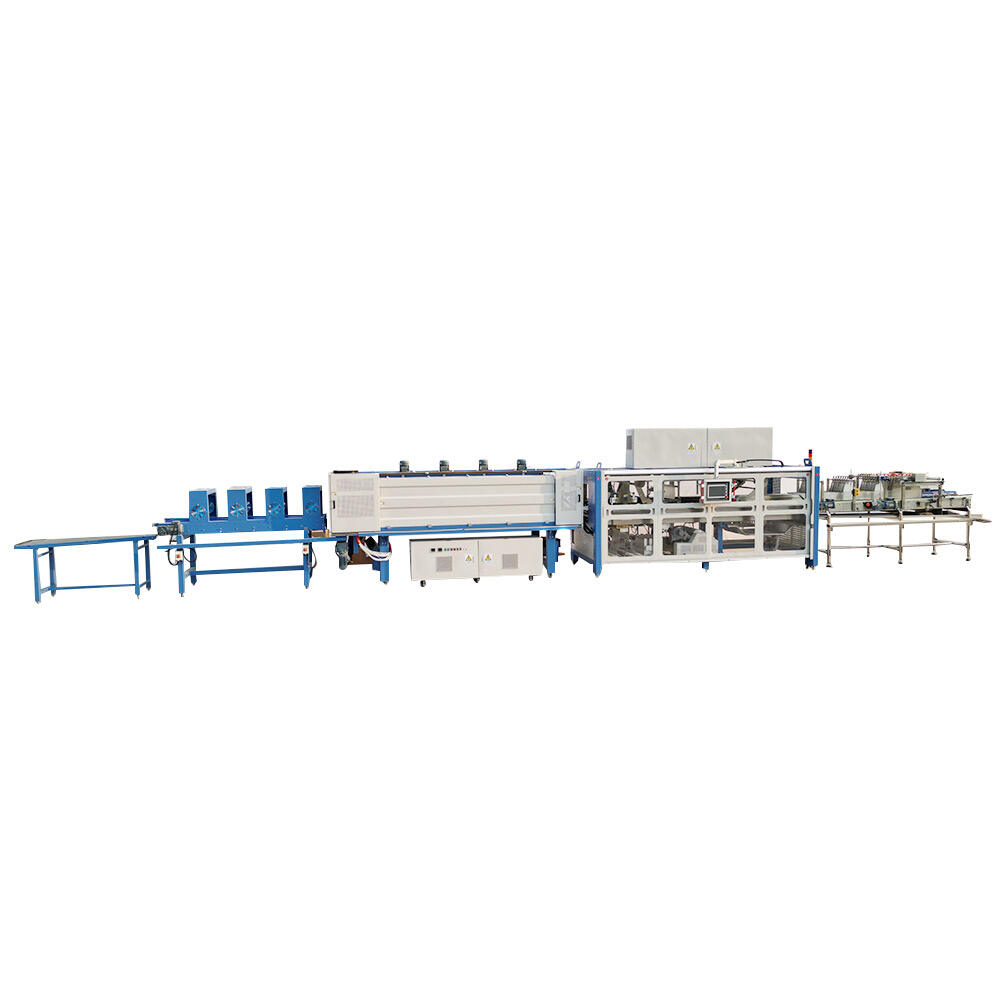
Modern manufacturing and packaging operations face increasing pressure to optimize efficiency while reducing material waste and operational costs. A high-speed shrink wrapper represents a transformative solution that addresses both challenges simultaneously, offering businesses a pathway to enhanced profitability and environmental responsibility. This advanced packaging technology delivers precise film application, minimized material consumption, and accelerated throughput rates that directly impact your bottom line.
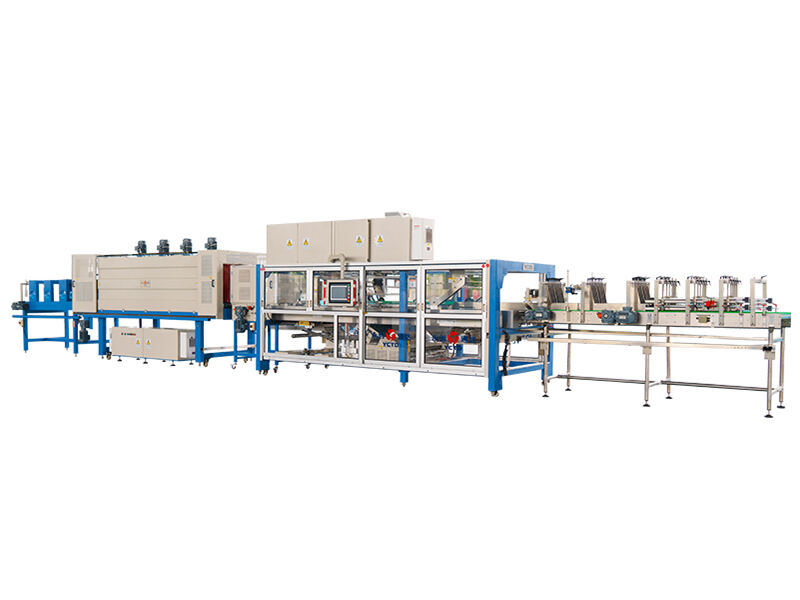
The integration of intelligent automation and precision engineering in contemporary shrink wrapper systems creates opportunities for substantial cost savings across multiple operational dimensions. These machines eliminate the inconsistencies associated with manual packaging processes while delivering superior product protection and presentation quality. Understanding how to leverage this technology effectively can revolutionize your packaging operations and establish competitive advantages in today's demanding marketplace.
Understanding Modern Shrink Wrapper Technology
Core Components and Operational Mechanisms
A high-performance shrink wrapper incorporates sophisticated mechanical systems designed to handle diverse product configurations with remarkable precision. The film feeding mechanism ensures consistent material delivery while advanced heating elements provide uniform temperature distribution for optimal shrinkage results. These integrated systems work harmoniously to minimize film waste through precise cutting and sealing operations that adapt automatically to varying product dimensions.
Temperature control systems within modern shrink wrapper units utilize digital monitoring and feedback loops to maintain optimal processing conditions. This technological advancement eliminates the guesswork associated with traditional packaging methods, ensuring that each product receives the exact amount of heat required for proper film adhesion. The result is consistent packaging quality with minimal material consumption and reduced energy expenditure.
Advanced Control Systems and Automation Features
Contemporary shrink wrapper technology incorporates programmable logic controllers that enable operators to establish precise parameters for different product types and packaging requirements. These intelligent systems store multiple recipe configurations, allowing for rapid changeovers between production runs without manual recalibration. The automation capabilities significantly reduce setup times while ensuring consistent packaging quality across all production cycles.
Sensor integration within the shrink wrapper system provides real-time monitoring of film tension, product positioning, and seal quality. This continuous feedback enables immediate adjustments that prevent material waste and maintain optimal packaging integrity. The sophisticated monitoring capabilities also generate valuable production data that helps identify opportunities for further efficiency improvements and cost reductions.
Material Waste Reduction Strategies
Precision Film Cutting and Application
The precision cutting mechanism in a modern shrink wrapper eliminates the excessive material usage commonly associated with manual or semi-automatic packaging processes. Advanced measuring systems calculate the exact film length required for each product, accounting for shrinkage rates and seal overlap requirements. This mathematical precision ensures that no excess material is wasted while maintaining proper package integrity and professional appearance.
Intelligent film tensioning systems within the shrink wrapper prevent material stretching and tearing that often leads to package failures and rewrapping requirements. The controlled application of appropriate tension ensures optimal film utilization while reducing the likelihood of packaging defects that result in material waste. These systems also minimize film breaks during high-speed operations, maintaining consistent production flow and material efficiency.
Adaptive Sizing and Dynamic Adjustments
Modern shrink wrapper systems incorporate adaptive sizing capabilities that automatically adjust to product variations without operator intervention. This flexibility eliminates the need for manual film adjustments that often result in overconsumption or inadequate coverage. The dynamic adjustment features ensure that each product receives precisely the amount of film required for proper packaging, regardless of size variations within production batches.
Product detection sensors enable the shrink wrapper to identify dimensional changes and adjust film application accordingly. This intelligent response capability prevents the material waste associated with one-size-fits-all approaches while maintaining consistent packaging quality. The system learns from each packaging cycle, continuously refining its adjustment parameters to optimize material utilization for specific product characteristics.
Cost Reduction Through Operational Efficiency
Labor Cost Optimization
Implementing a high-speed shrink wrapper dramatically reduces labor requirements compared to manual packaging operations. A single operator can manage significantly higher throughput rates while maintaining superior packaging quality and consistency. This productivity enhancement translates directly into reduced labor costs per unit packaged, creating substantial savings in operations with high-volume packaging requirements.
The automated nature of modern shrink wrapper systems eliminates the need for specialized packaging skills while reducing the training time required for new operators. This standardization of the packaging process reduces variability in packaging quality and material consumption that typically occurs with different operator techniques. The consistent operation also minimizes the supervision requirements, further contributing to labor cost reductions.
Energy Efficiency and Utility Cost Savings
Advanced heating technologies in contemporary shrink wrapper systems deliver superior energy efficiency compared to traditional packaging methods. Precise temperature control and rapid heat-up capabilities reduce energy consumption while maintaining optimal processing conditions. The efficient heat transfer mechanisms ensure that energy is directed specifically to the packaging film rather than wasted on heating surrounding air or equipment components.
Intelligent power management systems within the shrink wrapper automatically adjust energy consumption based on production demands and environmental conditions. These systems enter standby modes during production breaks, significantly reducing idle energy consumption. The overall energy efficiency improvements contribute to lower utility costs while supporting environmental sustainability initiatives.
Quality Enhancement and Product Protection
Superior Package Integrity
The controlled environment within a high-speed shrink wrapper ensures consistent package quality that exceeds manual packaging capabilities. Uniform heat distribution and precise timing create optimal shrinkage patterns that provide superior product protection and professional presentation. This consistency eliminates the package variations that can lead to product damage, returns, and associated costs.
Advanced sealing mechanisms in modern shrink wrapper systems create robust package closures that maintain integrity throughout distribution and storage. The precise control over seal temperature and pressure ensures optimal bond strength without damaging the packaging film or enclosed products. This reliability reduces package failures that result in product loss and customer dissatisfaction.
Enhanced Product Presentation and Market Appeal
Professional packaging quality achieved through shrink wrapper technology enhances product presentation and market appeal. The tight, wrinkle-free finish creates an attractive appearance that positively influences consumer purchasing decisions. This improved presentation quality can justify premium pricing while reducing the marketing costs associated with overcoming poor packaging impressions.
Consistent packaging appearance across all products builds brand recognition and reinforces quality perceptions. The uniform results delivered by a shrink wrapper system eliminate the variability in package appearance that can occur with manual processes. This consistency supports marketing efforts and builds consumer confidence in product quality and brand reliability.
Implementation Considerations and Best Practices
System Integration and Workflow Optimization
Successful shrink wrapper implementation requires careful consideration of existing production workflows and material handling systems. The integration process should evaluate conveyor compatibility, product flow patterns, and quality control checkpoints to ensure seamless operation. Proper planning minimizes disruption during installation while maximizing the efficiency gains from the new packaging system.
Workflow optimization around the shrink wrapper system can amplify cost savings and waste reduction benefits. Analyzing upstream and downstream processes helps identify opportunities for further automation and efficiency improvements. The enhanced packaging speed capabilities may reveal bottlenecks in other production areas that, when addressed, multiply the overall operational benefits.
Maintenance and Performance Optimization
Regular maintenance protocols ensure that shrink wrapper systems continue delivering optimal performance and material efficiency. Preventive maintenance schedules address wear components before they impact packaging quality or increase material consumption. Proper maintenance also extends equipment lifespan, maximizing the return on investment while maintaining consistent cost savings.
Performance monitoring and optimization processes help identify gradual changes in material consumption or packaging quality that may indicate adjustment needs. Regular calibration and parameter verification ensure that the shrink wrapper continues operating at peak efficiency. This ongoing attention to system performance maintains the material waste reduction and cost savings benefits throughout the equipment lifecycle.
Return on Investment and Long-term Benefits
Financial Impact Analysis
The financial benefits of implementing a high-speed shrink wrapper extend beyond immediate material and labor cost savings. Reduced product damage during packaging and distribution decreases warranty claims and replacement costs. The improved packaging consistency also reduces customer complaints and returns, contributing to enhanced customer satisfaction and retention rates.
Quantifying the total cost of ownership for a shrink wrapper system reveals substantial long-term savings that justify the initial investment. The combination of material waste reduction, labor cost savings, and improved packaging quality creates multiple revenue streams that compound over time. Many operations achieve payback periods of less than two years while establishing ongoing competitive advantages.
Scalability and Future Growth Support
Modern shrink wrapper systems provide scalability options that support business growth without requiring complete equipment replacement. Modular design features enable capacity increases and capability enhancements that adapt to changing production requirements. This flexibility protects the investment value while supporting expansion plans and market development initiatives.
The data collection capabilities of contemporary shrink wrapper systems provide valuable insights for continuous improvement initiatives. Production analytics help identify trends and opportunities for further optimization while supporting quality management programs. This intelligence enables proactive decision-making that maintains competitive advantages and operational efficiency.
FAQ
What types of products work best with high-speed shrink wrapper systems
High-speed shrink wrapper systems accommodate a wide range of products including consumer goods, industrial components, food items, pharmaceuticals, and electronic devices. The key requirements are dimensional consistency and heat tolerance of the products being packaged. Most modern systems handle products from small individual items to large multi-packs with adjustable parameters for different product categories.
How much material waste reduction can be expected from upgrading to an automated shrink wrapper
Material waste reduction typically ranges from 15% to 35% compared to manual or semi-automatic packaging processes. The exact savings depend on current packaging methods, product variety, and operator skill levels. Precision cutting, adaptive sizing, and elimination of packaging errors contribute to these substantial material savings that directly impact operational costs.
What maintenance requirements are necessary to maintain optimal shrink wrapper performance
Regular maintenance includes daily cleaning of film paths and sealing surfaces, weekly calibration of cutting mechanisms, and monthly inspection of heating elements and sensors. Preventive maintenance schedules typically recommend quarterly replacement of wear components and annual comprehensive system calibration. Following manufacturer maintenance protocols ensures consistent performance and material efficiency throughout the equipment lifecycle.
How quickly can operators be trained to use a new shrink wrapper system effectively
Most operators can achieve basic proficiency with a modern shrink wrapper system within one to two days of training. Advanced features and troubleshooting typically require one week of comprehensive training. The intuitive interfaces and automated functions in contemporary systems significantly reduce the learning curve compared to traditional packaging equipment, enabling rapid implementation and productivity gains.
Table of Contents
- Understanding Modern Shrink Wrapper Technology
- Material Waste Reduction Strategies
- Cost Reduction Through Operational Efficiency
- Quality Enhancement and Product Protection
- Implementation Considerations and Best Practices
- Return on Investment and Long-term Benefits
-
FAQ
- What types of products work best with high-speed shrink wrapper systems
- How much material waste reduction can be expected from upgrading to an automated shrink wrapper
- What maintenance requirements are necessary to maintain optimal shrink wrapper performance
- How quickly can operators be trained to use a new shrink wrapper system effectively