 EN
EN
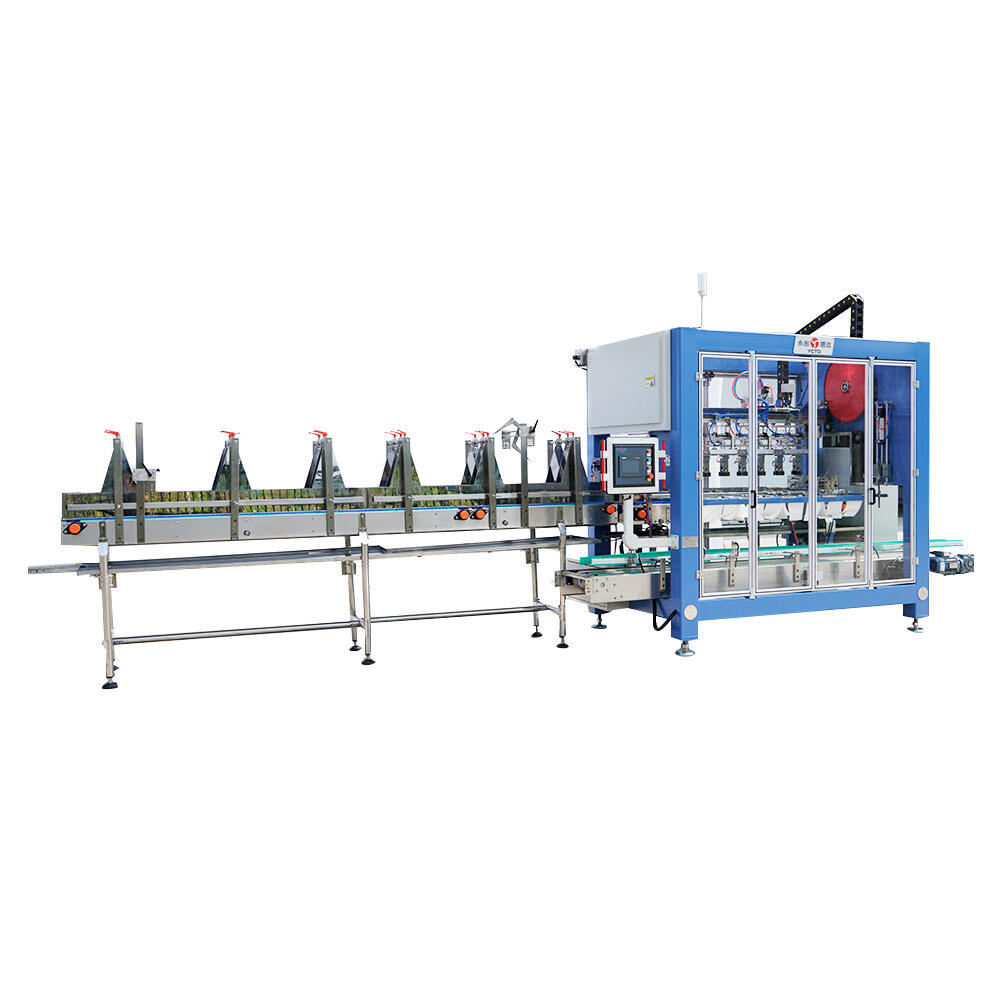
Modern industrial packaging operations rely heavily on efficient and reliable equipment to maintain product quality while optimizing throughput. Among the most critical pieces of equipment in contemporary packaging facilities, shrink packaging machines have evolved to offer sophisticated features that address the complex demands of various industries. Understanding the top features and benefits of these machines is essential for manufacturers, distributors, and packaging professionals who need to make informed decisions about their packaging infrastructure.
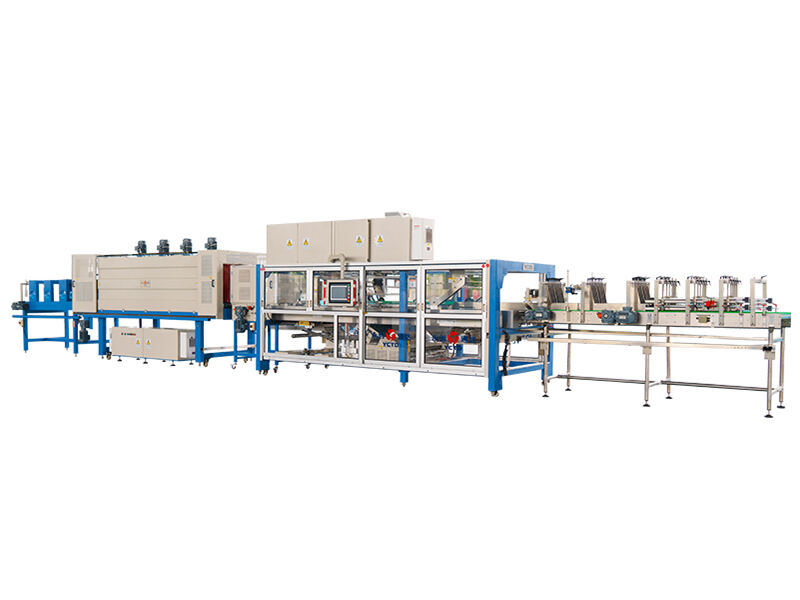
The selection of an appropriate shrink packaging machine directly impacts operational efficiency, product protection, and overall packaging costs. Advanced shrink packaging systems incorporate cutting-edge technology that delivers consistent results while minimizing waste and energy consumption. These machines have become indispensable in industries ranging from food and beverage to pharmaceuticals, electronics, and consumer goods, where precise packaging standards and high-speed operations are paramount to business success.
Advanced Control Systems and Automation Features
Digital Temperature Control Technology
Top-tier shrink packaging machine models incorporate sophisticated digital temperature control systems that maintain precise heat levels throughout the shrinking process. These systems utilize advanced sensors and microprocessor technology to monitor and adjust temperature variations in real-time, ensuring consistent shrink quality across different product batches. The digital controls allow operators to program specific temperature profiles for different film types and product configurations, eliminating guesswork and reducing the risk of overheating or inadequate shrinking.
Temperature control precision becomes particularly critical when packaging heat-sensitive products or when working with premium shrink films that require narrow temperature ranges. Modern shrink packaging machine systems can maintain temperature accuracy within plus or minus two degrees Celsius, which significantly improves package appearance and reduces film waste. This level of control also extends equipment life by preventing thermal stress on heating elements and other components.
Automated Speed and Timing Controls
Contemporary shrink packaging machines feature variable speed controls that automatically adjust conveyor speeds based on product dimensions and packaging requirements. These intelligent systems calculate optimal timing for each phase of the packaging process, from film sealing to heat application and cooling periods. The automated timing controls ensure that each package receives the appropriate amount of heat exposure, preventing both under-shrinking and film damage from excessive heat.
Integration with production line management systems allows the shrink packaging machine to communicate with upstream and downstream equipment, creating seamless workflow coordination. This connectivity enables automatic speed adjustments when product changeovers occur, maintaining consistent throughput while adapting to different package sizes and configurations. The automation features significantly reduce operator intervention requirements and minimize human error in the packaging process.
Enhanced Safety and Ergonomic Design Elements
Operator Safety Protection Systems
Leading shrink packaging machine manufacturers prioritize operator safety through comprehensive protection systems that exceed industry safety standards. Emergency stop systems, safety interlocks, and protective barriers prevent accidental contact with heated surfaces and moving components. Light curtains and pressure-sensitive safety mats create invisible barriers that immediately halt machine operation when breached, protecting workers from potential injury during routine operation and maintenance activities.
Heat-resistant guards and thermal barriers protect operators from radiant heat exposure while maintaining easy access for monitoring and adjustment purposes. These safety features are particularly important in high-volume operations where multiple operators work in close proximity to the shrink packaging machine. Compliance with international safety standards ensures that these machines meet rigorous workplace safety requirements across different countries and regulatory environments.
User-Friendly Interface and Accessibility
Modern shrink packaging machines incorporate intuitive touchscreen interfaces that simplify operation and reduce training requirements for new personnel. These interfaces provide clear visual feedback on machine status, temperature readings, speed settings, and diagnostic information. Color-coded status indicators and graphical displays make it easy for operators to quickly assess machine performance and identify any issues that require attention.
Ergonomic design considerations extend beyond the control interface to include adjustable work surfaces, tool-free changeover mechanisms, and strategically positioned maintenance access points. These design elements reduce operator fatigue and improve overall productivity by minimizing awkward postures and repetitive motions. The ergonomic features become particularly valuable in facilities that operate multiple shifts or handle high-volume packaging requirements.
Energy Efficiency and Environmental Performance
Advanced Insulation and Heat Recovery Systems
Premium shrink packaging machine models incorporate sophisticated insulation materials and heat recovery technologies that significantly reduce energy consumption compared to conventional systems. Multi-layer insulation systems trap heat more effectively, reducing the energy required to maintain operating temperatures and minimizing heat loss to the surrounding environment. This improved thermal efficiency translates directly into lower operating costs and reduced environmental impact.
Heat recovery systems capture and redirect waste heat from the shrinking process to preheat incoming air or support other facility heating requirements. Some advanced shrink packaging machine configurations can recover up to thirty percent of the thermal energy that would otherwise be lost, providing substantial energy savings in high-volume operations. These energy efficiency features become increasingly important as utility costs rise and environmental regulations become more stringent.
Eco-Friendly Film Compatibility
Contemporary shrink packaging machines are engineered to work effectively with a wide range of environmentally friendly film materials, including biodegradable and recyclable options. The machines can accommodate varying shrink ratios and temperature requirements of these alternative films without compromising package quality or production speed. This versatility allows companies to adopt more sustainable packaging materials as they become available and economically viable.
Advanced film handling systems minimize waste through precise cutting mechanisms and optimized film usage calculations. Smart film management features track consumption patterns and identify opportunities for material savings through improved cutting efficiency and reduced setup waste. These capabilities support corporate sustainability initiatives while reducing material costs and disposal requirements.
Production Flexibility and Adaptability Features
Multi-Format Package Handling Capabilities
Top-performing shrink packaging machines offer exceptional versatility in handling diverse product configurations and package formats within a single system. Quick-change tooling systems allow operators to switch between different product sizes and shapes with minimal downtime, maintaining production flexibility while maximizing equipment utilization. These changeover capabilities are essential in facilities that process multiple product lines or frequently adjust package configurations to meet changing market demands.
Modular conveyor systems and adjustable guide rails accommodate products ranging from small consumer items to large industrial components. The machines can handle irregular shapes, fragile items, and products with varying heights or widths without requiring extensive reconfiguration. This adaptability reduces the need for multiple specialized machines and enables more efficient use of floor space and capital investment.
Integration with Quality Control Systems
Advanced shrink packaging machines incorporate integrated quality control features that monitor package integrity and appearance throughout the production process. Vision systems and sensors detect package defects, film irregularities, and seal quality issues in real-time, automatically rejecting substandard packages before they proceed to downstream operations. These quality control capabilities help maintain consistent product appearance and reduce customer complaints.
Data logging and reporting features provide detailed records of packaging parameters, production volumes, and quality metrics for each production run. This information supports process optimization efforts and provides traceability documentation required by many industries. Integration with enterprise resource planning systems enables automatic data transfer and reporting, reducing manual record-keeping requirements and improving overall operational visibility.
Maintenance and Service Advantages
Predictive Maintenance Capabilities
Modern shrink packaging machines incorporate predictive maintenance technologies that monitor equipment condition and performance trends to identify potential issues before they cause production disruptions. Vibration sensors, temperature monitors, and operating cycle counters collect continuous data that machine learning algorithms analyze to predict component wear and optimal maintenance timing. These predictive capabilities help minimize unplanned downtime and extend equipment life through proactive maintenance scheduling.
Remote diagnostic capabilities allow service technicians to access machine data and performance information over secure internet connections, enabling rapid troubleshooting and reducing the need for on-site service calls. This remote support capability is particularly valuable for facilities in remote locations or operations that require 24-hour production schedules. The diagnostic systems can identify specific component issues and recommend corrective actions, accelerating repair processes and reducing maintenance costs.
Simplified Component Access and Replacement
Leading shrink packaging machine designs prioritize maintainability through strategic component placement and tool-free access mechanisms. Hinged panels, quick-release fasteners, and color-coded components simplify routine maintenance tasks and reduce the time required for service activities. Standardized fasteners and common tool requirements minimize the need for specialized equipment and reduce maintenance complexity.
Modular component design allows individual systems to be replaced or upgraded without affecting other machine functions, reducing repair costs and enabling incremental technology improvements. Clear maintenance procedures and component labeling help maintenance personnel quickly identify and address issues, while comprehensive documentation and training materials support effective maintenance programs. These design considerations significantly reduce total cost of ownership and improve overall equipment effectiveness.
FAQ
What film types can modern shrink packaging machines handle effectively?
Contemporary shrink packaging machines are designed to work with various film materials including polyolefin, PVC, polyethylene, and newer biodegradable options. The machines can adjust temperature, speed, and airflow parameters to accommodate different shrink ratios and material characteristics, ensuring optimal results regardless of the film type selected.
How do energy-efficient features impact overall operating costs?
Energy-efficient shrink packaging machines typically reduce operating costs by fifteen to thirty percent compared to conventional systems through advanced insulation, heat recovery, and optimized heating element design. The energy savings accumulate significantly over time, often offsetting higher initial equipment costs within two to three years of operation.
What maintenance considerations are most important for shrink packaging machines?
Regular cleaning of heating elements, lubrication of moving components, and calibration of temperature controls are essential maintenance tasks. Modern machines with predictive maintenance features provide specific guidance on optimal maintenance timing and procedures, helping prevent unexpected failures and extending equipment life through proper care and attention.
How quickly can operators switch between different product configurations?
Advanced shrink packaging machines with quick-change tooling systems can typically accommodate product changeovers in five to fifteen minutes, depending on the complexity of the format change. Automated adjustment features and preset configuration memory further reduce changeover time and ensure consistent setup accuracy for different product specifications.