 EN
EN
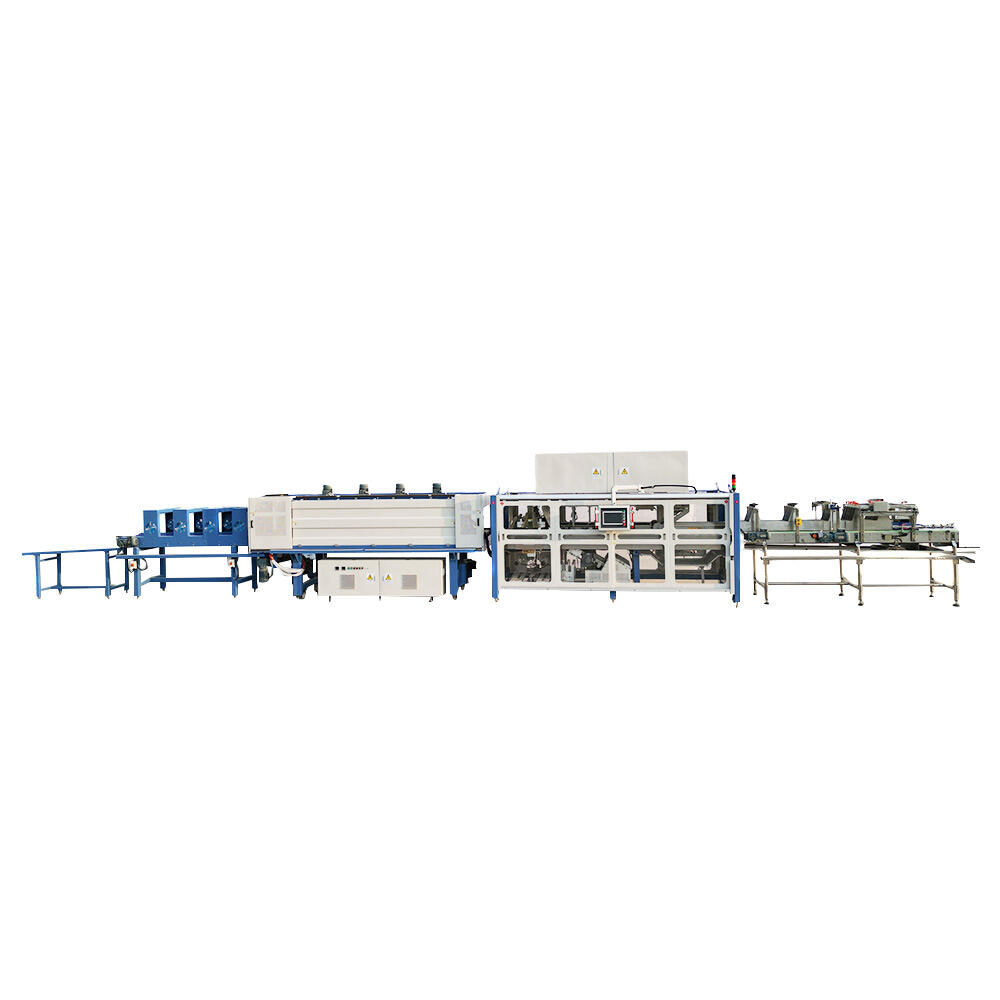
The packaging industry stands at the precipice of a technological revolution as we approach 2026, with shrink packaging machine technology leading the charge in innovation. Modern manufacturers are increasingly demanding equipment that combines efficiency, sustainability, and intelligent automation to meet evolving market requirements. These emerging trends in shrink packaging machine design are reshaping how companies approach product protection, presentation, and operational excellence across diverse industrial sectors.
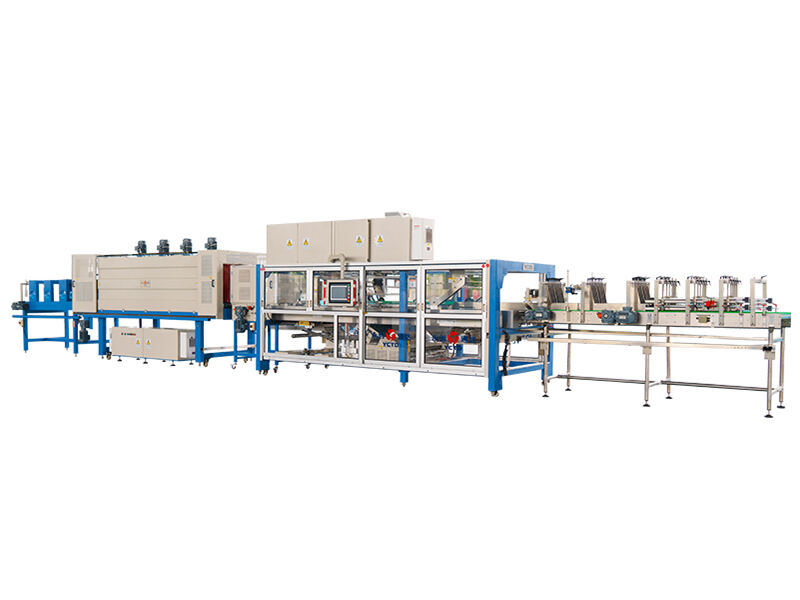
The convergence of artificial intelligence, sustainable materials science, and precision engineering is fundamentally transforming what we can expect from next-generation shrink packaging machine systems. Industry leaders are investing heavily in research and development to create solutions that address current challenges while anticipating future market demands. Understanding these innovative trends enables manufacturers to make informed decisions about equipment investments and operational strategies that will define competitive advantage in the coming years.
Smart Automation and AI Integration
Machine Learning Optimization Systems
Advanced shrink packaging machine models are incorporating sophisticated machine learning algorithms that continuously analyze production patterns and optimize performance parameters in real-time. These intelligent systems monitor variables such as film tension, heat distribution, and conveyor speed to automatically adjust settings for maximum efficiency. The integration of predictive analytics allows the shrink packaging machine to anticipate potential issues before they impact production quality or throughput.
Modern AI-driven systems learn from historical data to establish optimal operating profiles for different product types and packaging requirements. This technology reduces waste, minimizes downtime, and ensures consistent packaging quality across extended production runs. The machine learning capabilities extend to maintenance scheduling, where algorithms predict component wear patterns and recommend service intervals based on actual usage rather than arbitrary time periods.
These intelligent optimization systems also adapt to environmental conditions such as ambient temperature and humidity, automatically compensating for variations that could affect shrink film performance. The result is unprecedented consistency in packaging outcomes, regardless of external factors that previously required manual intervention and constant monitoring by operators.
Vision System Integration
Computer vision technology is becoming standard equipment on advanced shrink packaging machine platforms, enabling automatic quality inspection and process verification throughout the packaging cycle. High-resolution cameras and specialized lighting systems capture detailed images of products before, during, and after the shrinking process to ensure proper seal integrity and aesthetic appearance.
These vision systems can detect defects such as incomplete seals, wrinkled film, or product misalignment with remarkable accuracy, triggering automatic corrections or product rejection as appropriate. The technology extends beyond simple pass-fail inspection to provide detailed analytics on packaging quality trends and potential process improvements.
Integration with central control systems allows vision data to inform broader production decisions, creating feedback loops that continuously improve overall packaging efficiency. This technology represents a significant advancement in quality assurance capabilities for shrink packaging machine operations, reducing manual inspection requirements while improving defect detection rates.
Sustainable Technology Innovations
Energy Efficiency Advancements
The next generation of shrink packaging machine technology prioritizes energy conservation through innovative heating systems and thermal management solutions. Advanced infrared heating elements and precisely controlled airflow systems reduce energy consumption by up to thirty percent compared to conventional designs while maintaining superior shrinking performance.
Heat recovery systems capture and redirect thermal energy that would otherwise be lost to the environment, creating closed-loop efficiency that significantly reduces operational costs. These systems incorporate variable-speed drives and intelligent power management to match energy consumption precisely to production demands, eliminating waste during idle periods or low-volume operations.
Modern shrink packaging machine designs also feature rapid heating and cooling capabilities that reduce startup times and enable more responsive production scheduling. This efficiency extends to standby modes that maintain optimal readiness while consuming minimal power during production breaks or shift changes.
Biodegradable Film Compatibility
Innovative shrink packaging machine technology is being developed specifically to handle new generations of biodegradable and compostable shrink films that require different processing parameters than traditional materials. These machines feature enhanced temperature control systems and modified sealing mechanisms designed to work optimally with plant-based polymers and other sustainable packaging materials.
The challenge of working with biodegradable films lies in their different thermal properties and shrinkage characteristics compared to conventional plastics. Advanced shrink packaging machine systems address these challenges through adaptive heating profiles and real-time monitoring of film behavior during the shrinking process.
Research and development efforts are focused on creating machine configurations that can seamlessly switch between conventional and sustainable film materials without requiring extensive changeover procedures or recalibration. This flexibility ensures that manufacturers can adopt sustainable packaging practices without sacrificing production efficiency or packaging quality.
Enhanced User Interface and Connectivity
Intuitive Control Systems
The evolution of shrink packaging machine interfaces reflects broader trends toward user-centric design and intuitive operation. Modern control systems feature large touchscreen displays with graphical interfaces that simplify setup procedures and provide real-time visibility into all aspects of machine performance and production status.
These advanced interfaces allow operators to access detailed diagnostics, historical performance data, and predictive maintenance recommendations through easy-to-navigate menu systems. The integration of augmented reality features enables operators to visualize machine components and access step-by-step guidance for troubleshooting and routine maintenance procedures.
Voice control capabilities and gesture recognition technology are emerging features that allow hands-free interaction with shrink packaging machine systems, improving safety and convenience in industrial environments. These interfaces also support multiple languages and customizable display options to accommodate diverse operator preferences and facility requirements.
Remote Monitoring Capabilities
Cloud connectivity and remote monitoring represent significant advances in shrink packaging machine technology, enabling real-time oversight and control from virtually any location with internet access. These systems provide comprehensive data streaming that includes production metrics, energy consumption, maintenance alerts, and quality assurance information.
Remote diagnostic capabilities allow technical support teams to analyze machine performance and provide troubleshooting assistance without physical presence at the production facility. This technology reduces downtime and ensures rapid resolution of technical issues that might otherwise require extended service visits.
Advanced shrink packaging machine connectivity also enables integration with enterprise resource planning systems and manufacturing execution platforms, creating seamless data flow between packaging operations and broader production management systems. This integration supports more sophisticated production planning and inventory management strategies.
Modularity and Flexibility Features
Adaptable Configuration Options
Modern shrink packaging machine design emphasizes modularity and reconfiguration capabilities that allow manufacturers to adapt equipment to changing production requirements without major capital investments. These systems feature interchangeable components and scalable architectures that can accommodate different product sizes, packaging materials, and throughput demands.
Modular shrink packaging machine platforms enable incremental capacity expansion through the addition of processing modules, conveyor sections, or auxiliary equipment as production volumes grow. This approach reduces initial investment requirements while providing clear upgrade paths that protect long-term equipment value.
Quick-change tooling systems and automated setup procedures minimize changeover times between different product lines or packaging configurations. These features are particularly valuable for manufacturers serving diverse markets or producing seasonal product variations that require different packaging approaches.
Multi-Product Processing Capabilities
Advanced shrink packaging machine technology incorporates sophisticated product handling systems that can automatically adjust to different item sizes, shapes, and packaging requirements within the same production run. These capabilities reduce the need for dedicated packaging lines and enable more efficient use of floor space and equipment resources.
Intelligent product detection systems identify items as they enter the shrink packaging machine and automatically configure processing parameters for optimal results. This technology supports mixed-case packaging operations and enables more flexible production scheduling that responds rapidly to changing customer demands.
The integration of robotic handling systems with shrink packaging machine operations creates unprecedented flexibility in product orientation, grouping, and presentation options. These automated systems can handle delicate products with precision while maintaining high-speed throughput rates that match or exceed manual operations.
FAQ
What are the most significant technological advances expected in shrink packaging machines by 2026?
The most significant advances include AI-driven optimization systems that automatically adjust machine parameters for optimal performance, advanced vision systems for quality inspection, energy-efficient heating technologies that reduce operational costs, and enhanced connectivity features that enable remote monitoring and control. These innovations focus on improving efficiency, reducing waste, and providing greater operational flexibility for manufacturers across various industries.
How will sustainable packaging trends affect shrink packaging machine technology?
Sustainable packaging trends are driving the development of shrink packaging machine systems specifically designed to handle biodegradable and compostable films that require different processing parameters than conventional materials. These machines feature adaptive heating systems, modified sealing mechanisms, and enhanced temperature control to work effectively with plant-based polymers and other sustainable packaging materials while maintaining production efficiency and package quality.
What benefits do smart automation features provide for shrink packaging operations?
Smart automation features provide numerous benefits including reduced waste through optimized processing parameters, predictive maintenance that prevents unexpected downtime, automatic quality inspection through vision systems, and adaptive control that compensates for environmental variations. These technologies significantly reduce manual intervention requirements while improving consistency, efficiency, and overall equipment effectiveness in packaging operations.
How do modular shrink packaging machine designs improve operational flexibility?
Modular designs improve operational flexibility by allowing manufacturers to reconfigure equipment for different products, add capacity through additional modules, and adapt to changing production requirements without major capital investments. These systems feature interchangeable components, quick-change tooling, and automated setup procedures that minimize changeover times and enable efficient multi-product processing within the same production line.
Table of Contents
- Smart Automation and AI Integration
- Sustainable Technology Innovations
- Enhanced User Interface and Connectivity
- Modularity and Flexibility Features
-
FAQ
- What are the most significant technological advances expected in shrink packaging machines by 2026?
- How will sustainable packaging trends affect shrink packaging machine technology?
- What benefits do smart automation features provide for shrink packaging operations?
- How do modular shrink packaging machine designs improve operational flexibility?