
 EN
EN
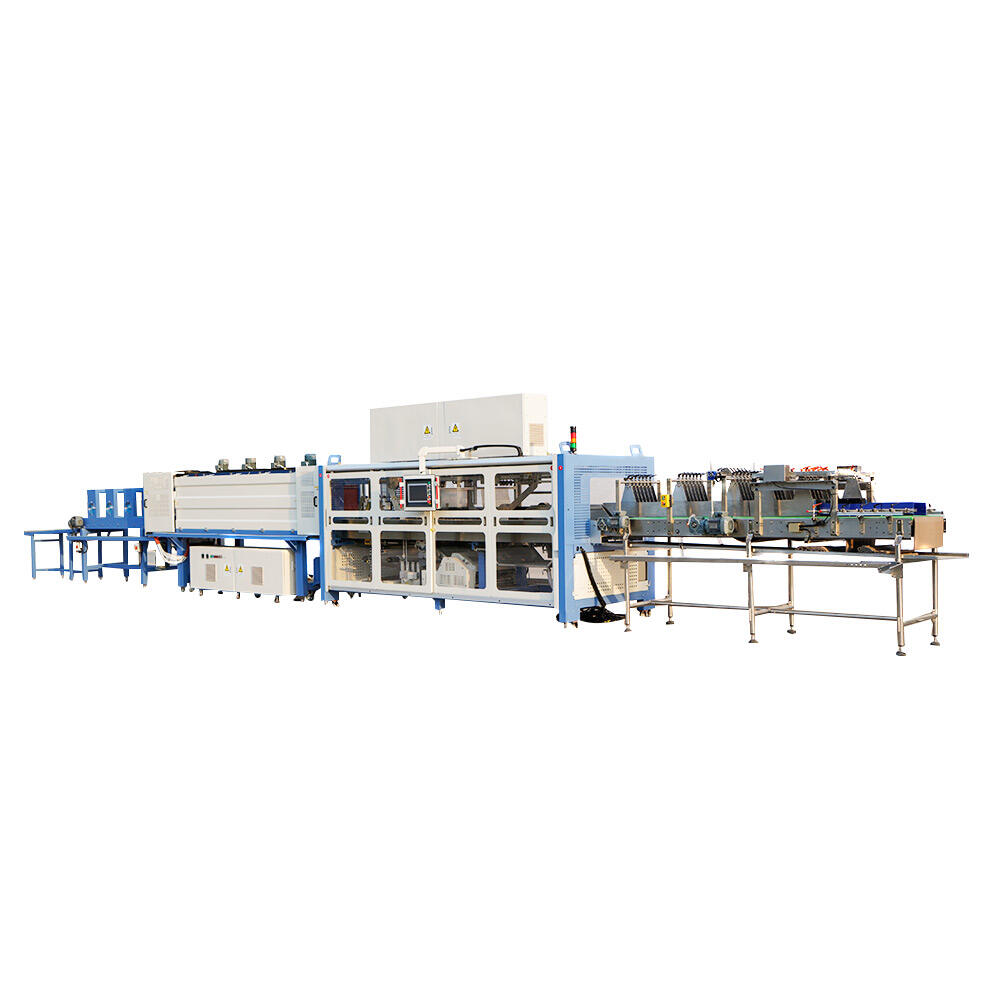
Selecting the appropriate shrink wrapper for your production facility requires careful consideration of multiple technical and operational factors. Modern manufacturing environments demand packaging solutions that deliver consistent performance, operational efficiency, and cost-effectiveness across diverse product lines. Understanding the fundamental characteristics and capabilities of different shrink wrapper systems enables informed decision-making that directly impacts your packaging line's productivity and profitability.
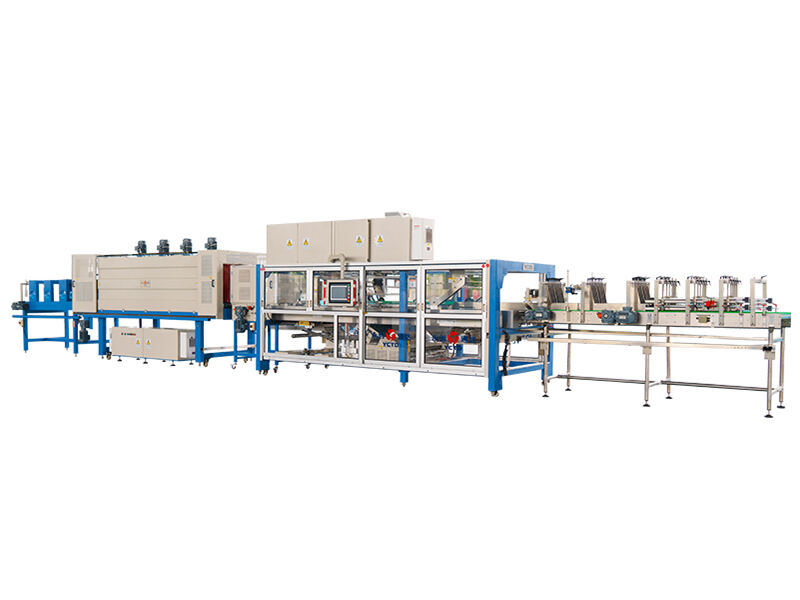
Understanding Shrink Wrapper Technology Fundamentals
Heat Application Methods and Temperature Control
The effectiveness of any shrink wrapper depends heavily on its heat application system and temperature control mechanisms. Convection heating systems utilize heated air circulation to achieve uniform temperature distribution across the film surface, ensuring consistent shrinkage patterns. Infrared heating elements provide rapid heat transfer through electromagnetic radiation, offering precise temperature control for delicate products. Advanced shrink wrapper models incorporate both heating methods to optimize performance across different film materials and product configurations.
Temperature consistency throughout the heating chamber directly affects film shrinkage quality and product presentation. Variable temperature zones allow operators to customize heating profiles for specific product requirements, preventing overheating of sensitive items while ensuring complete film activation. Digital temperature controllers with feedback sensors maintain precise thermal conditions, reducing material waste and improving overall packaging quality standards.
Film Compatibility and Material Considerations
Different shrink wrapper systems accommodate varying film materials, each offering distinct advantages for specific packaging applications. Polyolefin films provide excellent clarity and puncture resistance, making them ideal for retail display packaging. PVC films offer superior conformability around irregular product shapes but require careful temperature management to prevent degradation. Polyethylene films deliver exceptional strength and moisture barrier properties for industrial applications requiring extended storage periods.
Film thickness selection significantly impacts the shrink wrapper's performance and final package appearance. Thinner films require lower activation temperatures and shorter dwell times, increasing throughput rates while reducing energy consumption. Heavier gauge materials provide enhanced protection but demand higher thermal input and extended processing cycles. Understanding these material characteristics ensures optimal shrink wrapper configuration for your specific product portfolio.
Production Capacity and Throughput Requirements
Speed and Efficiency Metrics
Determining the appropriate shrink wrapper capacity requires accurate assessment of current and projected production volumes. Entry-level systems typically handle 15-30 packages per minute, suitable for small to medium-scale operations with moderate throughput requirements. Mid-range equipment achieves 40-80 packages per minute, accommodating higher volume production while maintaining packaging quality standards. High-speed industrial systems exceed 100 packages per minute, designed for continuous operation in demanding manufacturing environments.
Efficiency considerations extend beyond raw speed metrics to include setup time, changeover procedures, and maintenance requirements. Quick-change features enable rapid transitions between different product sizes and configurations, minimizing downtime during production shifts. Automated product feeding systems integrate seamlessly with existing conveyor infrastructure, eliminating manual handling bottlenecks that can limit overall line performance. These operational factors significantly influence the total cost of ownership for your shrink wrapper investment.
Integration with Existing Production Lines
Successful shrink wrapper implementation requires seamless integration with upstream and downstream equipment in your packaging line. Conveyor speed synchronization ensures smooth product flow without accumulation or gaps that could disrupt packaging operations. Variable speed drives allow precise matching of wrapper throughput to overall line capacity, preventing bottlenecks and optimizing resource utilization.
Communication protocols between the shrink wrapper and line control systems enable coordinated operation and centralized monitoring. PLC integration facilitates automated fault detection, diagnostic reporting, and performance optimization across the entire packaging sequence. These connectivity features reduce operator intervention requirements while improving overall equipment effectiveness and production reliability.
Product-Specific Configuration Requirements
Size Range and Dimensional Flexibility
Product dimensions directly influence shrink wrapper selection, as different systems accommodate varying size ranges and geometric configurations. Adjustable film sealing mechanisms enable processing of products with different lengths, widths, and heights within specified operational limits. Manual adjustment systems provide cost-effective flexibility for operations with limited product variation, while servo-driven positioning offers rapid automatic sizing for diverse product portfolios.
Chamber dimensions define the maximum product envelope that can be effectively processed through the shrink wrapper system. Oversized chambers provide flexibility for large or irregularly shaped items but may compromise energy efficiency when processing smaller products consistently. Modular chamber designs allow future expansion or reconfiguration as product requirements evolve, protecting your equipment investment over time.
Special Handling and Protection Features
Certain products require specialized handling capabilities to prevent damage during the shrinking process. Cushioned product supports protect fragile items from thermal stress and mechanical shock during packaging operations. Ventilation systems prevent moisture accumulation around temperature-sensitive products, maintaining quality throughout the shrink wrapper cycle.
Multi-zone heating profiles accommodate products with varying thermal sensitivity across different sections or components. Independent temperature control for each heating zone enables customized thermal treatment that protects vulnerable areas while ensuring complete film activation. These advanced features expand the range of products that can be effectively processed through a single shrink wrapper system.
Operational Cost Analysis and ROI Considerations
Energy Consumption and Efficiency Metrics
Energy costs represent a significant portion of shrink wrapper operating expenses, making efficiency optimization crucial for long-term profitability. Insulation quality and chamber design directly impact thermal efficiency, with well-insulated systems requiring substantially less energy to maintain operating temperatures. Variable output controls automatically adjust power consumption based on actual throughput demands, reducing energy waste during low-volume periods.
Heat recovery systems capture and recycle thermal energy from exhaust air streams, further reducing overall power requirements. Advanced shrink wrapper designs incorporate thermal mass optimization to minimize startup energy consumption and maintain stable operating conditions throughout production shifts. These efficiency improvements typically generate measurable cost savings that contribute to faster payback periods and improved return on investment.
Maintenance Requirements and Service Support
Maintenance complexity and frequency significantly influence the total cost of ownership for shrink wrapper equipment. Modular component designs facilitate rapid replacement of wear parts without extensive disassembly procedures, reducing downtime and service costs. Diagnostic systems provide predictive maintenance alerts, enabling proactive component replacement before failures occur that could disrupt production schedules.
Service support availability and response times directly impact operational continuity, particularly for high-volume production environments. Local service networks ensure rapid technical assistance and parts availability, minimizing the impact of unexpected equipment issues. Comprehensive training programs enable in-house maintenance capabilities, reducing dependence on external service providers while improving operational flexibility.
Quality Control and Consistency Features
Monitoring and Feedback Systems
Modern shrink wrapper systems incorporate sophisticated monitoring capabilities that ensure consistent packaging quality throughout production runs. Temperature sensors throughout the heating chamber provide real-time thermal profiling, enabling automatic adjustments to maintain optimal shrinking conditions. Film tension monitoring prevents wrinkles and ensures uniform appearance across all packaged products.
Vision systems can detect packaging defects and automatically reject substandard packages before they reach downstream operations. These quality control features reduce customer complaints and minimize the costs associated with product recalls or rework procedures. Statistical process control capabilities track performance trends over time, enabling continuous improvement initiatives that enhance overall packaging quality.
Repeatability and Process Standardization
Consistent results across different operators and production shifts require standardized process parameters and automated control systems. Recipe management features store optimal settings for different product configurations, ensuring repeatable performance regardless of operator experience levels. Automatic parameter recall eliminates setup errors and reduces the time required for product changeovers.
Process validation capabilities document operating conditions and results for regulatory compliance and quality assurance purposes. Data logging systems maintain comprehensive records of shrink wrapper performance, supporting continuous improvement efforts and troubleshooting procedures. These documentation features are particularly important for regulated industries requiring detailed process validation and traceability.
Future-Proofing and Scalability Options
Expansion and Upgrade Capabilities
Business growth and changing market demands may require enhanced shrink wrapper capabilities over time, making scalability considerations important during initial equipment selection. Modular system architectures allow incremental capacity increases through additional heating zones or enhanced control systems without complete equipment replacement. Upgrade paths for improved automation or enhanced monitoring capabilities protect your initial investment while enabling future improvements.
Software update capabilities ensure continued compatibility with evolving industry standards and communication protocols. Remote diagnostic access enables off-site troubleshooting and performance optimization, reducing service costs while improving equipment uptime. These forward-looking features extend equipment life cycles and maintain operational competitiveness in changing market conditions.
Technology Integration and Industry 4.0 Readiness
Advanced shrink wrapper systems incorporate connectivity features that support Industry 4.0 initiatives and smart manufacturing concepts. IoT sensors provide continuous equipment monitoring and predictive maintenance capabilities, optimizing performance while minimizing unexpected downtime. Cloud-based data analytics identify optimization opportunities and benchmark performance against industry standards.
Integration with enterprise resource planning systems enables automated scheduling and material planning based on actual shrink wrapper capacity and performance metrics. These advanced capabilities support lean manufacturing initiatives while improving overall operational efficiency and resource utilization throughout your packaging operations.
FAQ
What factors determine the ideal shrink wrapper size for my production line
The optimal shrink wrapper size depends on your largest product dimensions, anticipated throughput requirements, and available floor space. Consider both current product portfolio and potential future expansions when selecting chamber dimensions. Oversized equipment provides flexibility but may compromise energy efficiency, while undersized systems limit product variety and growth potential.
How do I calculate the return on investment for shrink wrapper equipment
ROI calculations should include labor cost reductions, material savings from reduced waste, energy consumption comparisons, and maintenance cost differences compared to existing packaging methods. Consider both direct cost savings and indirect benefits such as improved product presentation, reduced damage rates, and enhanced production flexibility when evaluating total economic impact.
What training is required for operators to effectively use shrink wrapper systems
Most shrink wrapper systems require 1-2 days of operator training covering safety procedures, routine operation, basic troubleshooting, and quality control checks. Advanced systems with automated features may require additional training on recipe management and diagnostic systems. Ongoing refresher training ensures consistent operation and helps identify optimization opportunities as operators gain experience with the equipment.
How often should shrink wrapper equipment undergo preventive maintenance
Preventive maintenance schedules vary by equipment type and operating conditions but typically include daily cleaning, weekly lubrication, monthly calibration checks, and quarterly comprehensive inspections. High-volume operations may require more frequent attention to heating elements, conveyor systems, and sealing mechanisms. Following manufacturer recommendations while monitoring actual wear patterns helps optimize maintenance intervals for your specific application.
Table of Contents
- Understanding Shrink Wrapper Technology Fundamentals
- Production Capacity and Throughput Requirements
- Product-Specific Configuration Requirements
- Operational Cost Analysis and ROI Considerations
- Quality Control and Consistency Features
- Future-Proofing and Scalability Options
-
FAQ
- What factors determine the ideal shrink wrapper size for my production line
- How do I calculate the return on investment for shrink wrapper equipment
- What training is required for operators to effectively use shrink wrapper systems
- How often should shrink wrapper equipment undergo preventive maintenance