
 EN
EN
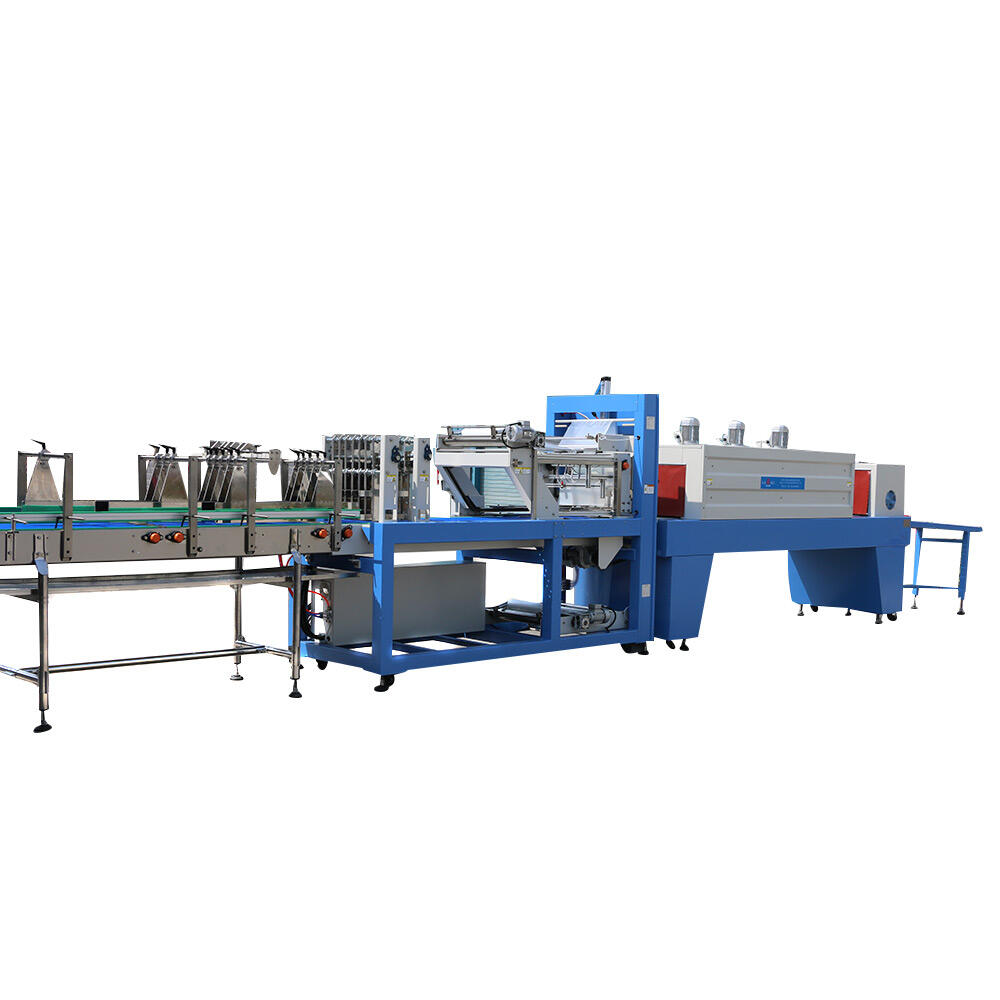
Selecting the appropriate shrink wrapper for your manufacturing facility requires careful consideration of multiple factors that directly impact productivity, cost-effectiveness, and product quality. Modern production lines demand reliable packaging solutions that can handle diverse product sizes while maintaining consistent performance throughout extended operating periods. The right shrink wrapper becomes a cornerstone of efficient operations, ensuring products reach customers in pristine condition while optimizing labor costs and material usage.
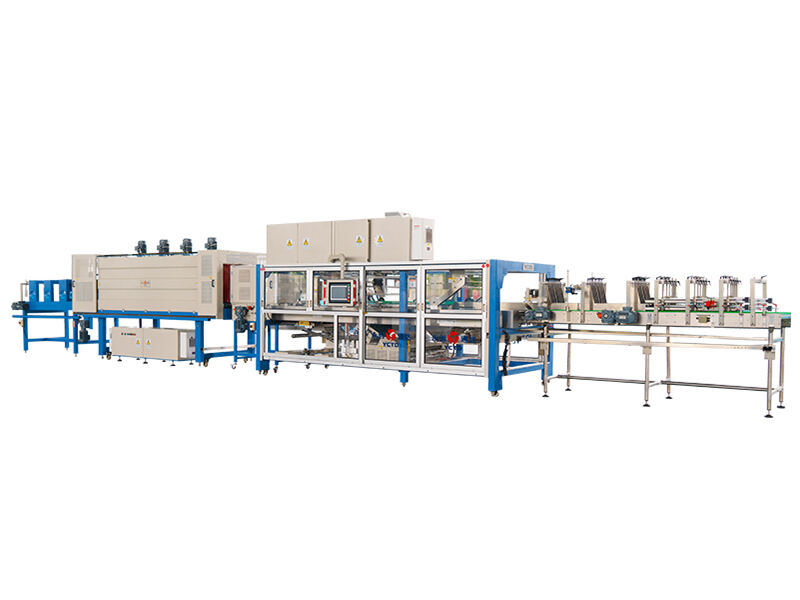
Manufacturing environments present unique challenges that require specialized packaging equipment capable of adapting to varying production demands. Understanding these requirements helps facility managers make informed decisions that align with both current needs and future expansion plans. The complexity of choosing a shrink wrapper extends beyond basic functionality, encompassing considerations such as energy efficiency, maintenance requirements, and integration capabilities with existing production infrastructure.
Understanding Shrink Wrapper Technologies
Heat Source Configurations
The heat generation method represents a fundamental aspect of shrink wrapper design that significantly influences performance characteristics and operational costs. Electric heating systems provide precise temperature control and consistent heat distribution, making them ideal for facilities with stable power supplies and moderate production volumes. These systems typically offer faster startup times and more responsive temperature adjustments compared to alternative heating methods.
Gas-powered heating solutions excel in high-volume applications where energy costs become a primary concern. Natural gas and propane heating systems often deliver lower operating expenses per unit processed, particularly in regions with favorable gas pricing. The initial investment may be higher due to ventilation requirements and safety systems, but long-term savings can justify the additional infrastructure costs for facilities processing large quantities daily.
Steam heating systems provide uniform temperature distribution across the entire heating chamber, resulting in consistent shrink wrapper performance across varied product dimensions. This technology proves especially valuable when processing irregularly shaped items or products with significant size variations. Steam systems require dedicated boiler infrastructure but offer exceptional temperature stability and energy efficiency in continuous operation scenarios.
Conveyor Integration Systems
Modern shrink wrapper installations benefit significantly from seamless conveyor integration that maintains production flow while ensuring proper product positioning during the wrapping process. Variable speed conveyor systems allow operators to adjust processing rates according to product characteristics and quality requirements. Synchronized conveyor movement prevents product clustering and ensures adequate spacing for optimal heat application.
Accumulation conveyors provide buffer capacity that accommodates variations in upstream production rates while maintaining steady input to the shrink wrapper. This configuration prevents bottlenecks during peak production periods and allows for brief maintenance activities without completely halting the packaging line. Integration with existing conveyor systems requires careful planning to ensure proper height alignment and smooth product transitions.
Rejection systems incorporated into conveyor designs enable automatic removal of improperly wrapped products without stopping the entire production line. Quality control sensors can detect wrapping defects and trigger diversion mechanisms that route substandard packages to inspection areas. This automation reduces manual labor requirements while maintaining consistent packaging quality standards.
Production Volume Considerations
Capacity Planning Methods
Accurate assessment of production requirements forms the foundation for selecting an appropriately sized shrink wrapper that meets both current demands and anticipated growth. Peak production periods often require significantly higher processing rates than average daily volumes, necessitating equipment capable of handling surge capacity without compromising quality or reliability. Historical production data provides valuable insights into seasonal variations and trend patterns that influence sizing decisions.
Multi-shift operations require shrink wrapper systems designed for extended continuous operation with minimal downtime for routine maintenance. Equipment durability becomes paramount when facilities operate around the clock, requiring robust construction materials and components rated for intensive use. Preventive maintenance schedules must align with production requirements to avoid unexpected interruptions during critical periods.
Scalability considerations encompass both horizontal expansion through additional shrink wrapper units and vertical integration with complementary packaging equipment. Modular system designs facilitate future capacity increases without requiring complete equipment replacement. Planning for growth ensures that initial investments remain viable as business volumes expand over time.
Throughput Optimization Strategies
Maximizing shrink wrapper throughput involves balancing processing speed with packaging quality to achieve optimal overall equipment effectiveness. Higher speeds may reduce cycle times but could compromise wrap integrity if heat application becomes insufficient. Temperature profiles must be carefully calibrated to ensure complete shrinkage while preventing overheating that damages products or creates wrinkle patterns.
Product changeover efficiency directly impacts overall throughput when facilities process multiple product lines through the same shrink wrapper. Quick-change tooling and programmable control systems reduce setup times between different products, minimizing production delays and maximizing equipment utilization. Automated size adjustments eliminate manual intervention requirements during product transitions.
Operator training programs ensure that personnel understand proper operating procedures and can identify optimization opportunities during routine operations. Well-trained operators recognize early signs of performance degradation and can implement corrective measures before significant quality issues develop. Regular performance monitoring helps maintain peak efficiency throughout equipment lifecycles.
Product Compatibility Assessment
Size Range Flexibility
Determining the dimensional capabilities required for your shrink wrapper involves analyzing both current product portfolio and potential future additions that may require packaging. Variable product sizes necessitate adjustable tooling systems that accommodate different lengths, widths, and heights without extensive reconfiguration. Automatic sizing systems can detect product dimensions and adjust wrapping parameters accordingly, reducing setup times and improving consistency.
Minimum and maximum size limitations must align with production requirements to ensure all products can be processed effectively. Oversized products may require specialized handling equipment or modified conveyor systems to maintain proper positioning throughout the wrapping process. Undersized items might need custom fixtures or grouping mechanisms to achieve adequate wrap tension and appearance.
Height clearance requirements influence shrink wrapper selection, particularly for tall products or stacked configurations. Adequate clearance prevents contact between products and heating elements while allowing proper film positioning around product perimeters. Adjustable height systems provide flexibility for varied product configurations without compromising wrapping quality or creating safety hazards.
Material Compatibility Requirements
Heat-sensitive products require careful temperature management during the shrink wrapping process to prevent damage or quality degradation. Temperature-sensitive electronics, pharmaceuticals, and food products may need specialized shrink wrapper configurations with precise temperature control and shorter exposure times. Modified atmosphere packaging capabilities can protect sensitive products during the wrapping process.
Product surface characteristics influence film selection and heat application parameters within the shrink wrapper system. Smooth surfaces typically require different wrap tension settings compared to textured or irregular surfaces to achieve uniform appearance and protection. Surface contamination or residue can affect film adhesion and may necessitate pre-cleaning procedures before wrapping.
Weight considerations impact conveyor design and product handling mechanisms within the shrink wrapper. Heavy products require reinforced conveyor systems and potentially modified support structures to prevent sagging or misalignment during processing. Weight distribution affects stability during transport through the heating chamber and may influence wrapping quality if not properly managed.
Energy Efficiency and Operating Costs
Power Consumption Analysis
Energy efficiency directly impacts long-term operating costs and environmental sustainability of shrink wrapper operations. Modern systems incorporate advanced insulation materials and heat recovery mechanisms that reduce overall energy consumption while maintaining consistent performance. Variable power controls allow operators to adjust energy usage based on production requirements and ambient conditions.
Standby power consumption becomes significant in facilities with intermittent production schedules where the shrink wrapper remains idle for extended periods. Energy-saving modes automatically reduce power draw during non-productive periods while maintaining readiness for rapid startup when production resumes. Smart controls can coordinate with production schedules to optimize energy usage patterns.
Peak demand charges associated with electrical usage spikes can substantially increase utility costs in facilities with variable production patterns. Load management systems distribute power consumption more evenly throughout operating periods, reducing peak demand penalties. Energy storage systems can provide supplemental power during high-demand periods, further reducing utility costs.
Maintenance Cost Factors
Preventive maintenance requirements vary significantly among different shrink wrapper designs and directly influence total cost of ownership. Systems with fewer mechanical components typically require less frequent servicing and experience lower failure rates. Accessible component layouts simplify maintenance procedures and reduce service time requirements.
Spare parts availability and cost considerations affect long-term operational expenses and equipment uptime. Common components shared across multiple equipment types often cost less and maintain better availability compared to proprietary parts. Standardized replacement parts reduce inventory requirements and simplify procurement processes.
Service support quality influences both maintenance costs and production reliability. Local service availability reduces response times and travel charges for emergency repairs. Comprehensive service contracts can provide predictable maintenance costs while ensuring professional support throughout equipment lifecycles.
Safety and Compliance Standards
Regulatory Requirements
Industrial shrink wrapper installations must comply with applicable safety standards and regulatory requirements that vary by geographic location and industry sector. Electrical safety standards govern wiring practices, grounding requirements, and protective devices necessary for safe operation. Mechanical safety features prevent operator contact with moving parts and hot surfaces during normal operation and maintenance activities.
Food industry applications require shrink wrapper systems designed for sanitary operation with materials approved for food contact applications. Washdown capabilities enable thorough cleaning between product changeovers and comply with food safety regulations. Stainless steel construction resists corrosion and facilitates cleaning procedures required in food processing environments.
Environmental regulations may restrict emissions from heating systems and require specific ventilation or filtration equipment. Air quality standards influence facility design and may necessitate specialized exhaust systems for certain shrink wrapper configurations. Noise regulations could affect equipment selection in urban manufacturing locations or facilities with noise-sensitive operations nearby.
Operator Safety Features
Comprehensive safety systems protect operators from thermal, mechanical, and electrical hazards present in shrink wrapper operations. Emergency stop controls provide immediate shutdown capabilities accessible from multiple locations around the equipment. Light curtains and pressure-sensitive mats detect operator presence in hazardous areas and automatically halt dangerous operations.
Thermal protection prevents accidental contact with heated surfaces through physical barriers and warning systems. Temperature monitoring ensures that surface temperatures remain within safe limits during operation and cooldown periods. Proper ventilation removes heated air and potential fumes from operator work areas.
Lockout/tagout procedures enable safe maintenance activities by ensuring complete energy isolation during service work. Multiple energy sources including electrical, pneumatic, and thermal systems require coordinated lockout procedures. Clear labeling and standardized procedures reduce the risk of accidental startup during maintenance activities.
Integration and Automation Options
Control System Capabilities
Advanced control systems enable precise parameter management and data collection that optimize shrink wrapper performance while providing valuable production insights. Programmable logic controllers store multiple recipe settings for different products, allowing rapid changeovers with consistent results. Touchscreen interfaces simplify operator interaction and provide real-time status information for monitoring system performance.
Network connectivity enables integration with plant-wide manufacturing execution systems and provides remote monitoring capabilities. Real-time data collection supports predictive maintenance programs and quality analysis initiatives. Historical trend data helps identify optimization opportunities and track performance improvements over time.
Automated quality control systems monitor wrapping parameters and product appearance to ensure consistent results. Vision systems can detect wrapping defects and trigger corrective actions or rejection procedures. Statistical process control capabilities track quality metrics and alert operators to developing issues before they affect product quality.
Line Integration Requirements
Successful shrink wrapper integration requires careful coordination with upstream and downstream equipment to maintain smooth product flow throughout the packaging line. Communication protocols must be compatible with existing control systems to enable coordinated operation. Standardized interfaces simplify integration and reduce commissioning time for new installations.
Buffer systems manage variations in processing rates between different equipment types and prevent bottlenecks that reduce overall line efficiency. Accumulation conveyors provide temporary product storage during brief interruptions while maintaining steady input to the shrink wrapper. Surge capacity planning ensures that temporary rate variations do not disrupt continuous production flow.
Product tracking systems maintain identification throughout the packaging process and enable traceability for quality control purposes. Barcode readers or RFID systems can associate products with specific wrapping parameters and quality data. Integration with enterprise systems provides complete production visibility from raw materials through finished goods packaging.
FAQ
What factors determine the appropriate shrink wrapper size for my facility
The appropriate shrink wrapper size depends on your maximum product dimensions, production volume requirements, and available floor space. Consider both current needs and anticipated growth when evaluating size options. Peak production periods typically require higher capacity than average daily volumes, so equipment should handle surge requirements without compromising quality. Factor in clearance requirements for maintenance access and integration with existing conveyor systems.
How do I evaluate energy efficiency in different shrink wrapper models
Energy efficiency evaluation should include both operational power consumption and standby energy usage during idle periods. Compare heating system types, insulation quality, and heat recovery features across different models. Request energy consumption data from manufacturers and calculate projected annual operating costs based on your utility rates and production schedule. Consider energy-saving features like variable power controls and automatic shutdown modes that reduce consumption during non-productive periods.
What maintenance requirements should I expect with a new shrink wrapper
Maintenance requirements vary significantly based on equipment design, usage intensity, and operating environment. Expect routine tasks like conveyor belt inspection, heating element cleaning, and control system calibration. Complex systems with multiple moving parts typically require more frequent servicing than simpler designs. Factor in spare parts costs, service technician availability, and planned downtime for major maintenance activities when calculating total ownership costs.
How important is local service support when choosing a shrink wrapper supplier
Local service support significantly impacts equipment uptime and long-term operational success. Quick response times for emergency repairs minimize production disruptions and reduce lost revenue from extended downtime. Local technicians familiar with your specific shrink wrapper model can diagnose problems more efficiently and maintain adequate spare parts inventory. Consider the supplier's service network coverage, response time commitments, and availability of comprehensive service contracts when making your selection decision.