
 EN
EN
Product safety remains a paramount concern across manufacturing industries, driving companies to seek innovative packaging solutions that ensure product integrity during storage and transportation. Modern packaging technologies have evolved significantly, with advanced machinery offering comprehensive protection while maintaining cost efficiency. Among these solutions, specialized equipment designed for creating protective barriers around products has become indispensable for manufacturers prioritizing quality assurance and consumer safety.
Understanding Shrink Packaging Technology
Core Mechanisms and Functionality
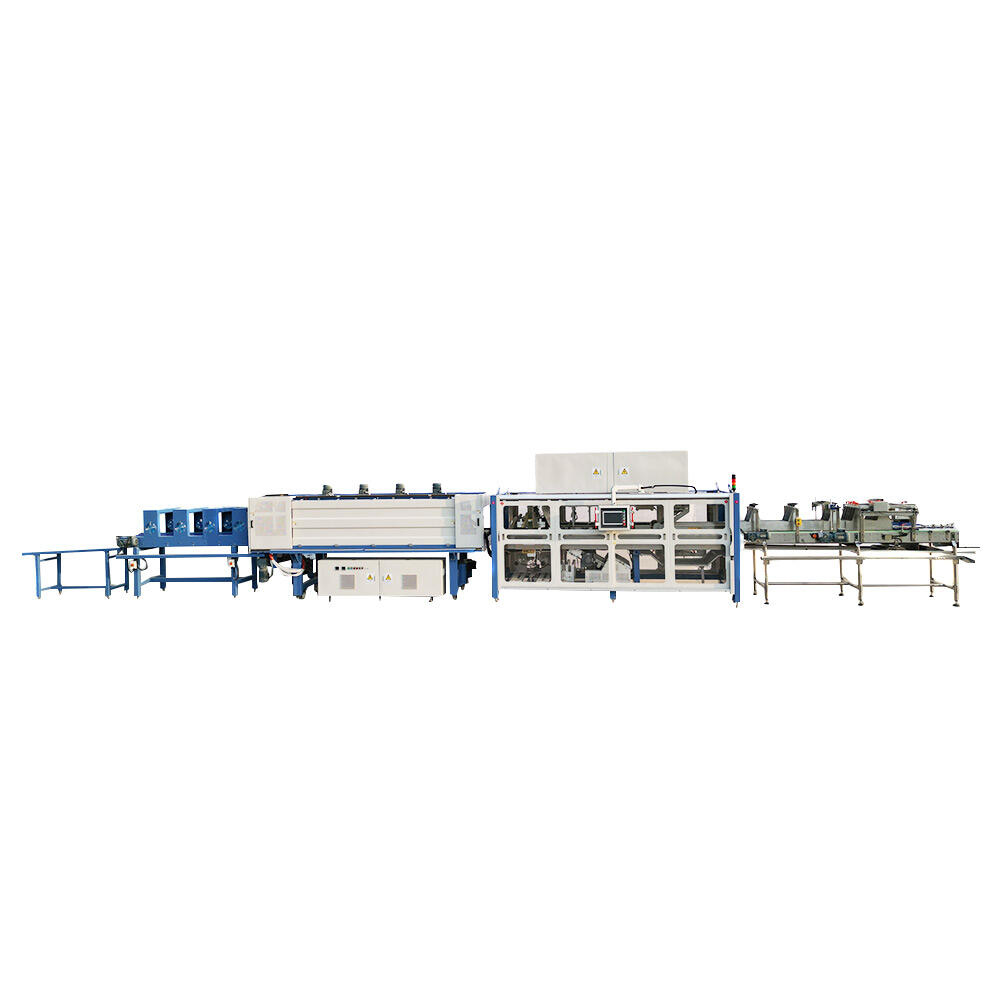
Shrink packaging technology operates through precise heat application and controlled film manipulation, creating tight-fitting protective layers around products. The process involves specialized equipment that applies heat-shrinkable films, which contract uniformly when exposed to specific temperatures. This contraction creates a secure barrier that conforms to product contours, eliminating gaps where contaminants might penetrate. The technology ensures consistent results across various product shapes and sizes, making it versatile for diverse manufacturing applications.
Temperature control systems within these machines maintain optimal heat distribution, preventing damage to sensitive products while ensuring proper film adhesion. Advanced sensors monitor the shrinking process continuously, adjusting parameters automatically to maintain quality standards. The precision of modern shrink packaging equipment allows manufacturers to achieve uniform packaging results, regardless of production volume or operator experience levels.
Material Compatibility and Selection
Contemporary shrink films offer exceptional compatibility with various product types, from pharmaceuticals to industrial components. These materials provide excellent clarity, allowing product visibility while maintaining protective properties. The chemical composition of shrink films ensures resistance to moisture, dust, and other environmental factors that could compromise product quality. Material selection depends on specific application requirements, with options ranging from basic protection to specialized formulations for sensitive products.
Different film thicknesses accommodate varying protection levels, with thicker materials providing enhanced durability for heavy-duty applications. The flexibility of shrink films allows them to conform to irregular shapes without compromising seal integrity. This adaptability makes shrink packaging suitable for complex product geometries that traditional packaging methods struggle to accommodate effectively.
Enhanced Product Protection Mechanisms
Contamination Prevention Strategies
Effective contamination prevention requires comprehensive barrier systems that prevent foreign substances from reaching products during handling and storage. shrink packaging machine technology creates hermetic seals that block microscopic particles, moisture, and airborne contaminants. The tight-fitting nature of shrink films eliminates spaces where bacteria or other harmful substances might accumulate, significantly reducing contamination risks.
The sealing process creates multiple protection layers, with each application adding to the overall barrier effectiveness. This multi-layered approach proves particularly valuable for products requiring extended shelf life or those destined for challenging storage environments. The consistency of machine-applied packaging ensures uniform protection across entire product batches, eliminating variability that manual packaging methods often introduce.
Tamper Evidence and Security Features
Security features integrated into shrink packaging systems provide visible evidence of unauthorized access attempts, protecting both manufacturers and consumers. The tight-fitting nature of properly applied shrink film makes tampering immediately apparent, as any disruption to the package integrity becomes visually obvious. This transparency builds consumer confidence while protecting brand reputation from potential security breaches.
Advanced shrink packaging incorporates specialized films with built-in security features, such as void indicators or color-change properties when disturbed. These features provide additional layers of protection beyond basic barrier functions, making unauthorized access extremely difficult without detection. The security benefits extend throughout the supply chain, from manufacturing facilities to retail environments.
Quality Assurance and Consistency Benefits
Standardization Across Production Lines
Manufacturing consistency requires standardized processes that deliver predictable results regardless of external variables. Automated shrink packaging systems eliminate human error factors that can lead to packaging variations, ensuring every product receives identical protection levels. This standardization proves crucial for maintaining quality certifications and meeting regulatory requirements across different markets.
The repeatability of machine-controlled processes allows manufacturers to establish precise quality benchmarks and maintain them consistently over time. Statistical process control becomes more effective when packaging variables are minimized, enabling better quality prediction and issue prevention. This consistency translates directly into reduced product returns and enhanced customer satisfaction.
Documentation and Traceability
Modern shrink packaging machine systems integrate with manufacturing execution systems to provide comprehensive documentation of packaging parameters and quality metrics. This integration enables detailed traceability throughout the production process, supporting quality investigations and regulatory compliance requirements. The data collection capabilities of advanced equipment provide valuable insights for continuous improvement initiatives.
Automated record-keeping eliminates manual documentation errors while providing real-time visibility into packaging operations. This transparency supports proactive quality management, allowing operators to identify and address potential issues before they impact product quality. The documentation capabilities also facilitate compliance with industry standards and customer-specific requirements.
Economic Advantages and Operational Efficiency
Material Optimization and Waste Reduction
Efficient material utilization represents a significant advantage of automated shrink packaging systems, with precise film application minimizing waste while maintaining protection effectiveness. The accuracy of machine-controlled processes ensures optimal film usage, reducing material costs while maintaining packaging integrity. This efficiency becomes increasingly important as material costs fluctuate and environmental considerations gain prominence.
Waste reduction extends beyond material savings to include reduced rework and product losses due to packaging failures. The reliability of machine-applied packaging reduces the likelihood of protection failures that could result in product damage or contamination. This reliability translates into lower overall packaging costs when considering the total cost of ownership.
Labor Efficiency and Skill Requirements
Automated packaging systems reduce dependence on highly skilled operators while maintaining consistent output quality, addressing labor challenges many manufacturers face. The user-friendly interfaces of modern shrink packaging machine equipment enable operators to achieve professional results with minimal training. This accessibility reduces training costs while improving operational flexibility.
The reduced physical demands of automated packaging systems contribute to improved workplace safety and reduced injury risks. Operators can focus on quality monitoring and system optimization rather than repetitive manual tasks, leading to better job satisfaction and reduced turnover. This human factor consideration adds to the overall economic benefits of automated packaging solutions.
Implementation Considerations and Best Practices
Equipment Selection and Configuration
Successful implementation requires careful evaluation of production requirements, product characteristics, and operational constraints to select optimal equipment configurations. The scalability of shrink packaging machine systems allows manufacturers to start with basic configurations and expand capabilities as production volumes grow. This flexibility supports both startup operations and established manufacturers seeking to upgrade existing processes.
Integration with existing production lines requires careful planning to ensure seamless operation and minimal disruption during installation. The modular design of contemporary packaging systems facilitates integration while providing options for future expansion or modification. This adaptability ensures long-term value from packaging investments.
Maintenance and Support Strategies
Preventive maintenance programs ensure optimal performance and extend equipment lifespan while minimizing unexpected downtime. The diagnostic capabilities of modern packaging systems provide early warning of potential issues, enabling proactive maintenance scheduling. This predictive approach reduces maintenance costs while improving operational reliability.
Training programs for maintenance personnel ensure proper care and optimization of packaging equipment throughout its operational life. The availability of technical support and spare parts affects long-term operational success, making supplier selection an important consideration. Comprehensive support programs contribute significantly to the return on investment for packaging equipment purchases.
Future Developments and Industry Trends
Technological Innovations and Capabilities
Emerging technologies continue to enhance the capabilities of shrink packaging machine systems, with developments in sensor technology, control systems, and material science driving improvements. Smart packaging solutions integrate Internet of Things connectivity, enabling remote monitoring and predictive maintenance capabilities. These advances promise to further improve reliability and reduce operational costs.
Artificial intelligence applications in packaging systems optimize parameters automatically based on product characteristics and environmental conditions, reducing setup times and improving consistency. Machine learning algorithms analyze packaging performance data to identify optimization opportunities and predict maintenance requirements. These intelligent systems represent the future direction of packaging technology.
Sustainability and Environmental Considerations
Environmental sustainability drives development of recyclable and biodegradable shrink films, addressing growing concerns about packaging waste. The efficiency of modern packaging systems reduces overall material consumption while maintaining protection effectiveness. This balance between performance and environmental responsibility becomes increasingly important for manufacturers facing sustainability requirements.
Energy efficiency improvements in packaging equipment reduce operational costs while supporting corporate sustainability goals. The development of more efficient heating systems and recovery mechanisms minimizes energy consumption during the packaging process. These improvements contribute to both economic and environmental benefits for manufacturers adopting advanced packaging technologies.
FAQ
How does a shrink packaging machine improve product safety compared to other packaging methods
Shrink packaging machines create hermetic seals that provide superior protection against contamination, moisture, and tampering compared to traditional packaging methods. The tight-fitting film eliminates gaps where contaminants could penetrate, while the transparent nature allows for easy inspection. The automated process ensures consistent application, reducing human error that could compromise package integrity.
What types of products benefit most from shrink packaging machine technology
Products requiring extended shelf life, contamination protection, or tamper evidence benefit significantly from shrink packaging. This includes pharmaceuticals, food products, electronics, industrial components, and consumer goods. The versatility of shrink films allows adaptation to various product shapes and sizes, making the technology suitable for diverse applications across multiple industries.
How do modern shrink packaging machines ensure consistent quality across production batches
Advanced control systems monitor temperature, film tension, and sealing parameters continuously, automatically adjusting settings to maintain optimal conditions. Integrated sensors detect variations in product dimensions and adjust packaging parameters accordingly. Data logging capabilities provide documentation of packaging conditions for each batch, supporting quality assurance and traceability requirements.
What maintenance requirements should manufacturers expect with shrink packaging equipment
Regular maintenance includes cleaning heating elements, inspecting film guides, and calibrating sensors to ensure optimal performance. Preventive maintenance schedules typically involve monthly inspections, quarterly calibrations, and annual comprehensive servicing. Modern equipment includes diagnostic systems that alert operators to potential issues before they affect production, enabling proactive maintenance scheduling and reducing unexpected downtime.