
 EN
EN
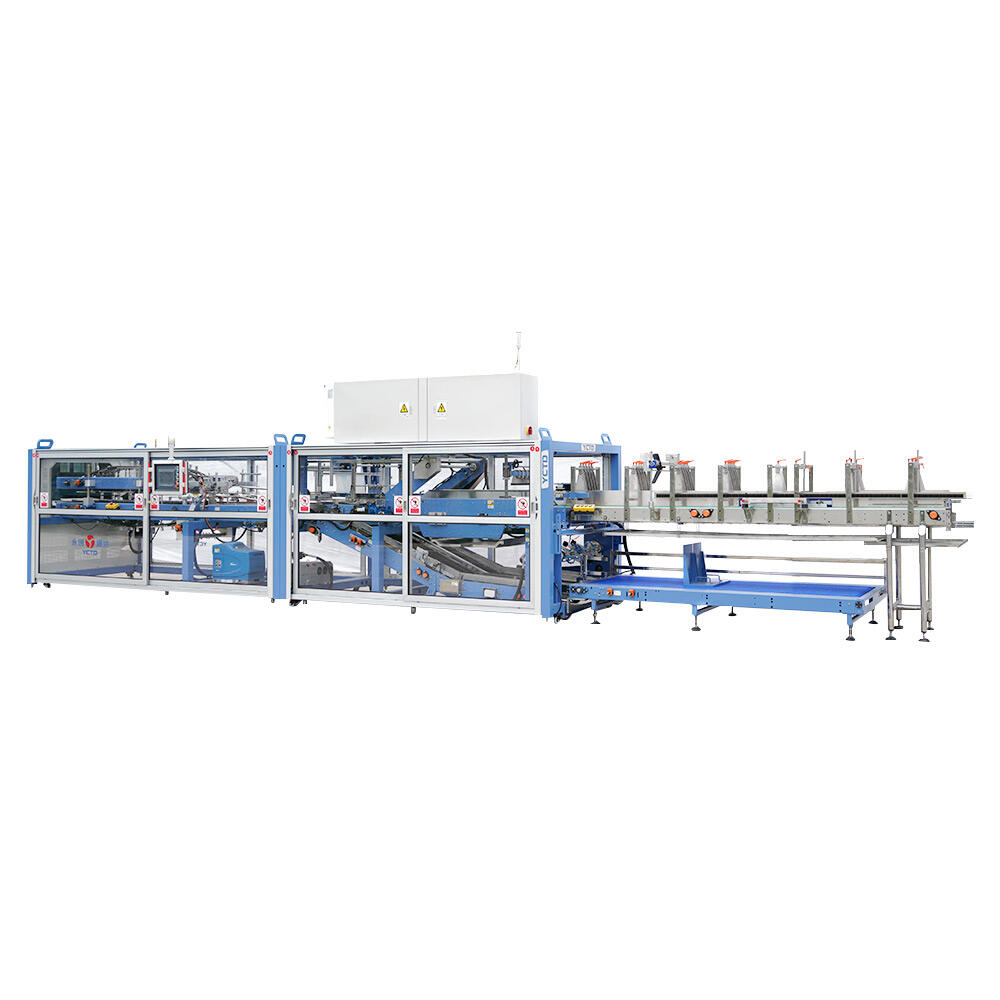
Sustainability has emerged as a defining principle in modern manufacturing, fundamentally reshaping how businesses approach packaging operations. The integration of advanced shrink packaging machine technology represents a pivotal shift toward environmentally responsible production methods, offering manufacturers the ability to reduce material waste while maintaining superior product protection and presentation standards.
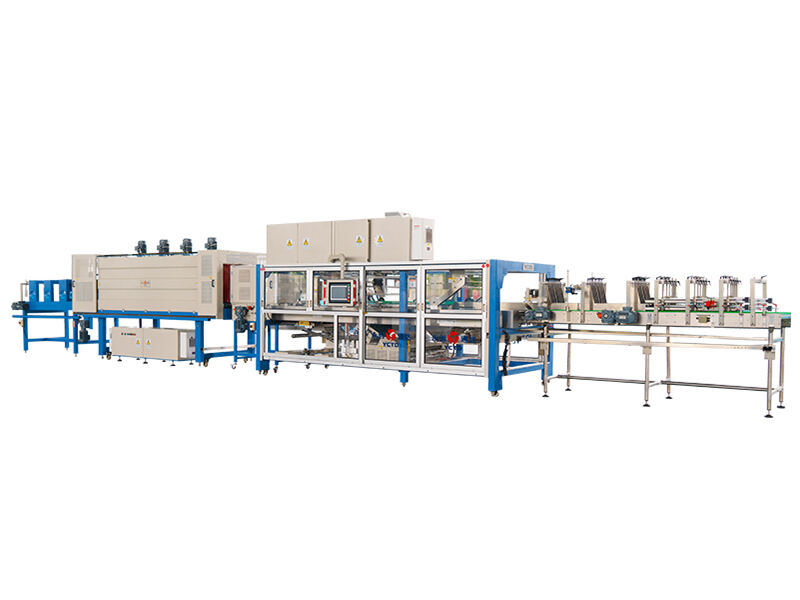
The role of shrink packaging machines in sustainable packaging extends far beyond simple automation benefits, encompassing material efficiency optimization, energy consumption reduction, and waste stream minimization. These sophisticated systems enable manufacturers to achieve precise material usage patterns while supporting circular economy principles through enhanced recyclability and reduced environmental impact throughout the packaging lifecycle.
Material Efficiency and Waste Reduction Benefits
Precise Film Application Technology
Modern shrink packaging machine systems utilize advanced sensor technology and programmable controls to ensure optimal film application with minimal material waste. The precision cutting mechanisms automatically adjust to product dimensions, eliminating excess material usage that traditionally occurs with manual or semi-automated packaging processes. This technological precision directly supports sustainable packaging objectives by reducing raw material consumption per packaged unit.
The automated film feeding systems incorporated in contemporary shrink packaging machine designs feature sophisticated tension control mechanisms that prevent film stretching and tearing during application. This controlled application process significantly reduces material rejection rates and ensures consistent packaging quality without requiring material overconsumption for safety margins.
Advanced shrink packaging machine configurations include real-time monitoring systems that track material usage patterns and identify optimization opportunities. These data-driven insights enable operators to fine-tune machine parameters for maximum material efficiency while maintaining packaging integrity standards essential for product protection during transportation and storage.
Biodegradable and Recyclable Film Compatibility
The evolution of shrink packaging machine technology has prioritized compatibility with sustainable film materials, including biodegradable polymers and recyclable shrink films. These machines feature adjustable temperature profiles and sealing parameters specifically designed to accommodate the unique characteristics of eco-friendly packaging materials without compromising performance or reliability.
Contemporary shrink packaging machine systems support multiple film types within a single production run, enabling manufacturers to select the most environmentally appropriate material for specific product categories. This flexibility allows companies to implement graduated sustainability strategies while maintaining operational efficiency and meeting diverse customer requirements.
The integration of recyclable film materials with advanced shrink packaging machine technology creates closed-loop packaging systems where post-consumer materials can be reprocessed and reintroduced into the packaging supply chain. This circular approach significantly reduces the environmental footprint of packaging operations while supporting broader corporate sustainability initiatives.
Energy Efficiency and Environmental Impact
Optimized Heat Application Systems
Energy-efficient shrink packaging machine designs incorporate precisely controlled heating elements that minimize power consumption while ensuring consistent shrink film activation. The advanced thermal management systems utilize infrared heating technology and heat recovery mechanisms to reduce overall energy requirements compared to traditional packaging methods.
Modern shrink packaging machine configurations feature variable speed drives and intelligent power management systems that automatically adjust energy consumption based on production requirements. These adaptive systems significantly reduce standby power usage and optimize operational energy efficiency during both high-volume production runs and intermittent packaging operations.
The implementation of zone-controlled heating in advanced shrink packaging machine systems allows for targeted energy application, heating only the specific areas required for optimal film shrinkage. This precision heating approach reduces overall energy consumption while improving packaging quality and consistency across diverse product configurations.
Carbon Footprint Reduction Strategies
The operational efficiency gains achieved through modern shrink packaging machine technology directly contribute to reduced carbon emissions throughout the packaging process. The elimination of manual handling steps and the optimization of material usage patterns result in lower transportation requirements and reduced warehouse storage needs for packaging materials.
Automated shrink packaging machine systems enable manufacturers to implement lean production principles that minimize waste generation and optimize resource utilization. These efficiency improvements translate directly into reduced environmental impact through decreased material consumption, lower energy usage, and minimized transportation requirements for raw materials and finished products.
The integration of shrink packaging machine technology with renewable energy systems creates packaging operations with significantly reduced carbon footprints. Solar-powered and wind-powered packaging facilities utilizing efficient shrink packaging machines represent the leading edge of sustainable manufacturing practices in the packaging industry.
Circular Economy Integration and Recyclability
Design for Recycling Principles
Advanced shrink packaging machine technology supports design for recycling principles through precise application of mono-material films that facilitate efficient post-consumer processing. The controlled shrinkage process ensures uniform film thickness and minimizes contamination that can complicate recycling operations in waste processing facilities.
The ability of modern shrink packaging machine systems to work with recycled content films creates opportunities for manufacturers to incorporate post-consumer recycled materials into their packaging operations. This capability supports circular economy objectives by creating demand for recycled materials while maintaining packaging performance standards.
Shrink packaging machine configurations designed for sustainable operations include features that facilitate easy package disassembly for recycling purposes. The precise sealing and cutting capabilities ensure clean separation of different materials, supporting efficient sorting and processing in recycling facilities.
Extended Producer Responsibility Support
The role of shrink packaging machine technology in supporting extended producer responsibility programs involves enabling manufacturers to implement packaging designs that minimize environmental impact throughout the product lifecycle. These systems support the creation of packaging solutions that are optimized for both protection and end-of-life processing.
Modern shrink packaging machine systems provide the flexibility needed to implement packaging innovations that support take-back programs and closed-loop material flows. The precise control capabilities enable manufacturers to create packaging configurations that facilitate consumer participation in recycling and reuse programs.
The data collection capabilities integrated into contemporary shrink packaging machine systems support lifecycle assessment activities and environmental impact reporting required for extended producer responsibility compliance. These systems track material usage, energy consumption, and waste generation patterns that inform sustainability reporting and improvement initiatives.
Innovation and Future Sustainability Developments
Smart Technology Integration
The evolution of shrink packaging machine technology toward Industry 4.0 integration creates opportunities for real-time sustainability optimization through artificial intelligence and machine learning applications. These smart systems continuously analyze packaging operations to identify opportunities for material reduction, energy efficiency improvements, and waste minimization.
Internet of Things connectivity in modern shrink packaging machine systems enables comprehensive monitoring of environmental impact metrics, including material consumption rates, energy usage patterns, and waste generation levels. This data-driven approach supports continuous improvement in sustainability performance and enables rapid identification of optimization opportunities.
Predictive maintenance capabilities in advanced shrink packaging machine designs reduce environmental impact by minimizing unplanned downtime and preventing material waste associated with equipment malfunctions. These proactive maintenance systems support consistent sustainability performance while reducing the overall environmental footprint of packaging operations.
Emerging Sustainable Material Technologies
The development of next-generation shrink packaging machine systems focuses on compatibility with emerging bio-based and compostable film materials that offer enhanced sustainability benefits. These advanced machines feature adaptive processing parameters that accommodate the unique characteristics of innovative sustainable materials without compromising packaging performance.
Research and development in shrink packaging machine technology increasingly emphasizes support for water-soluble and marine-degradable films that address specific environmental concerns related to packaging waste in sensitive ecosystems. These specialized applications require precise control systems that ensure proper film activation while maintaining material integrity.
The integration of nanotechnology and smart materials with shrink packaging machine systems creates opportunities for active and intelligent packaging solutions that extend product shelf life while maintaining environmental sustainability. These innovations reduce food waste and support more efficient supply chain operations through enhanced product protection capabilities.
FAQ
How do shrink packaging machines reduce material waste in packaging operations?
Shrink packaging machines reduce material waste through precise film application technology that automatically adjusts to product dimensions, eliminating excess material usage. Advanced sensor systems and programmable controls ensure optimal film cutting and application, while real-time monitoring capabilities track usage patterns to identify further optimization opportunities for material efficiency.
Can shrink packaging machines work with biodegradable and recyclable films?
Yes, modern shrink packaging machines are specifically designed to accommodate biodegradable polymers and recyclable shrink films through adjustable temperature profiles and sealing parameters. These systems support multiple film types within single production runs, enabling manufacturers to select environmentally appropriate materials while maintaining operational efficiency and packaging quality standards.
What energy efficiency benefits do modern shrink packaging machines provide?
Modern shrink packaging machines incorporate energy-efficient heating elements, variable speed drives, and intelligent power management systems that significantly reduce energy consumption. Zone-controlled heating technology minimizes power usage by targeting specific areas for film activation, while heat recovery mechanisms and adaptive controls optimize energy efficiency during both high-volume and intermittent packaging operations.
How do shrink packaging machines support circular economy principles in packaging?
Shrink packaging machines support circular economy principles by enabling precise application of mono-material films that facilitate recycling, working with recycled content materials, and creating packaging designs optimized for end-of-life processing. These systems support extended producer responsibility programs through flexible packaging configurations that facilitate take-back programs and closed-loop material flows while providing data for lifecycle assessment and environmental reporting.
Table of Contents
- Material Efficiency and Waste Reduction Benefits
- Energy Efficiency and Environmental Impact
- Circular Economy Integration and Recyclability
- Innovation and Future Sustainability Developments
-
FAQ
- How do shrink packaging machines reduce material waste in packaging operations?
- Can shrink packaging machines work with biodegradable and recyclable films?
- What energy efficiency benefits do modern shrink packaging machines provide?
- How do shrink packaging machines support circular economy principles in packaging?