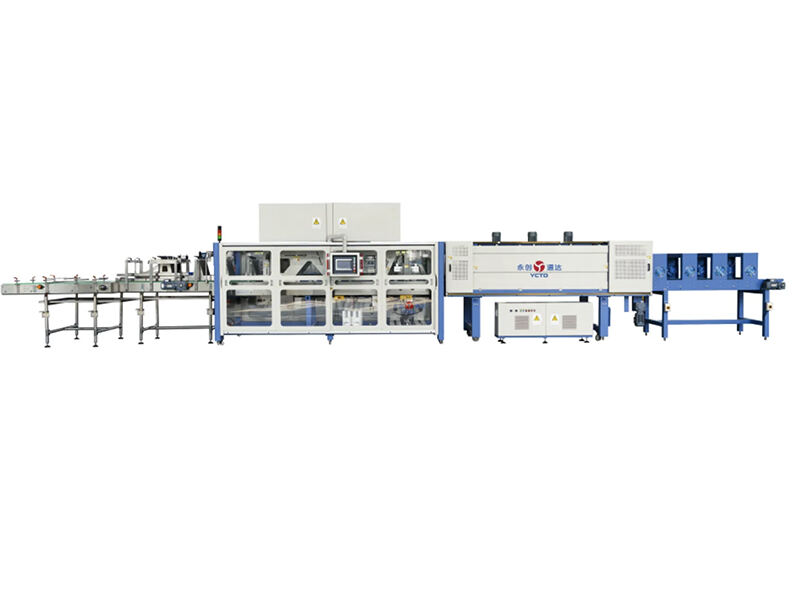
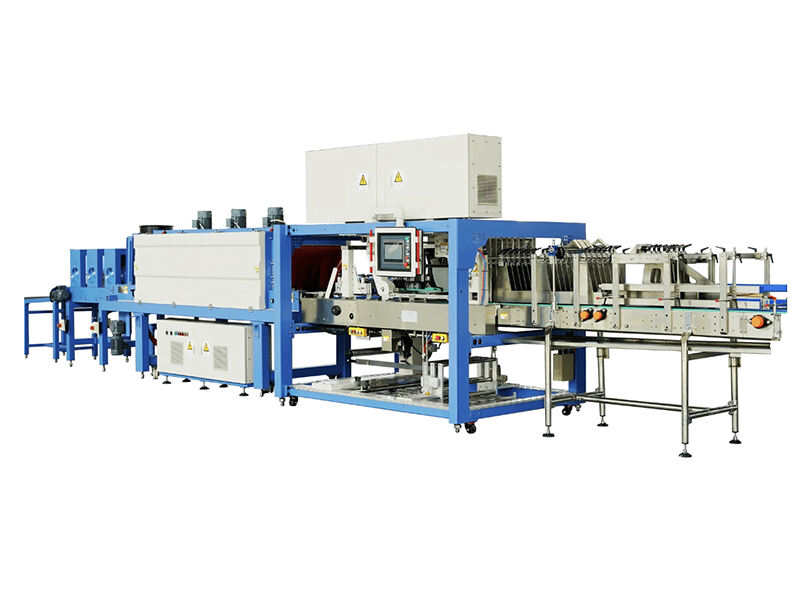
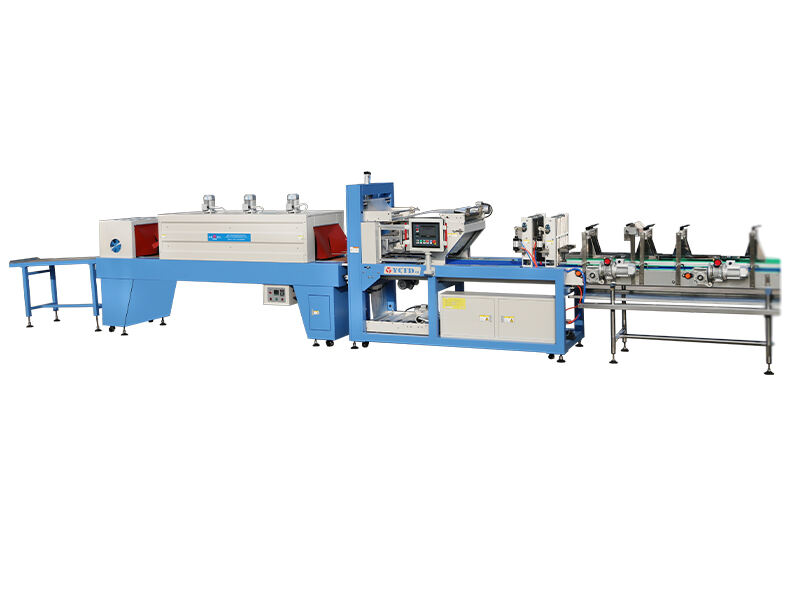
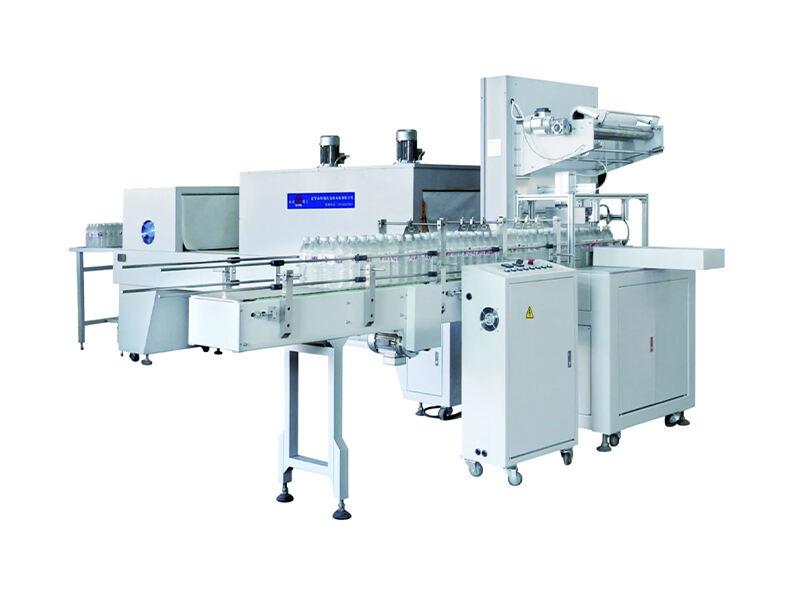
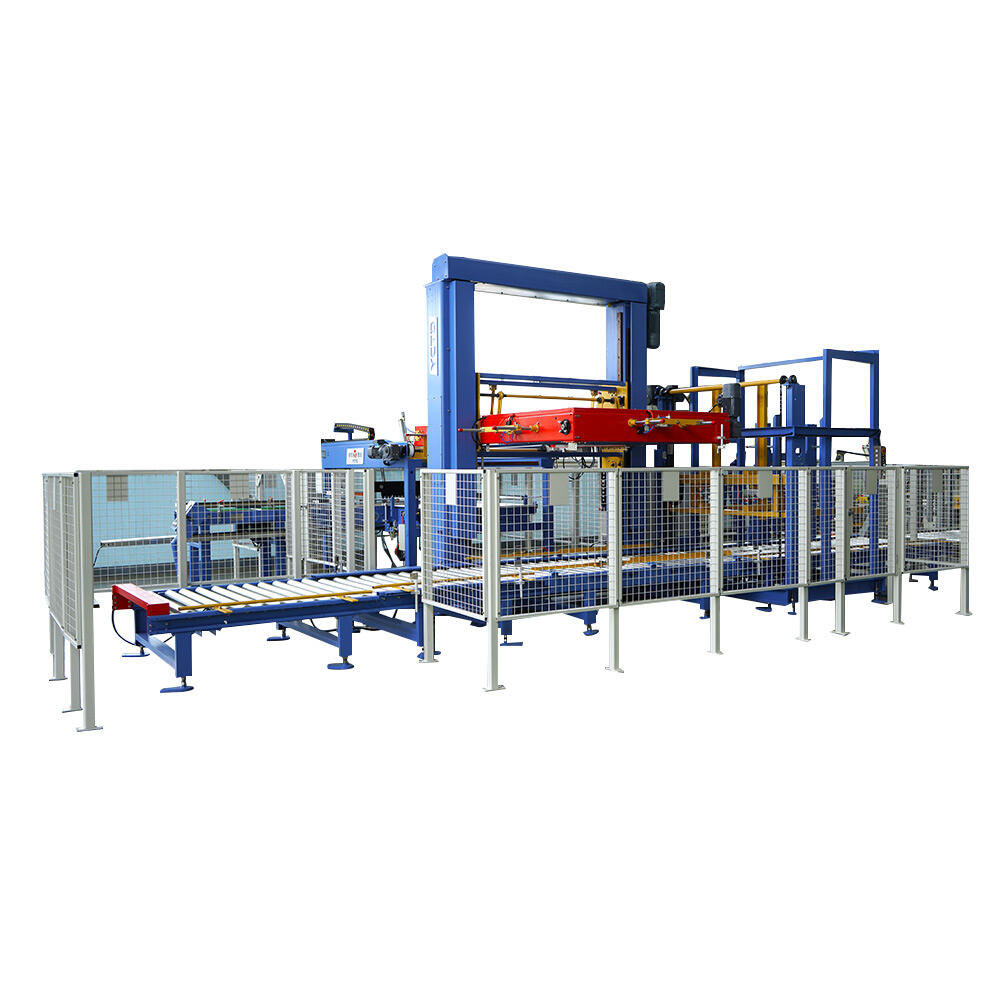
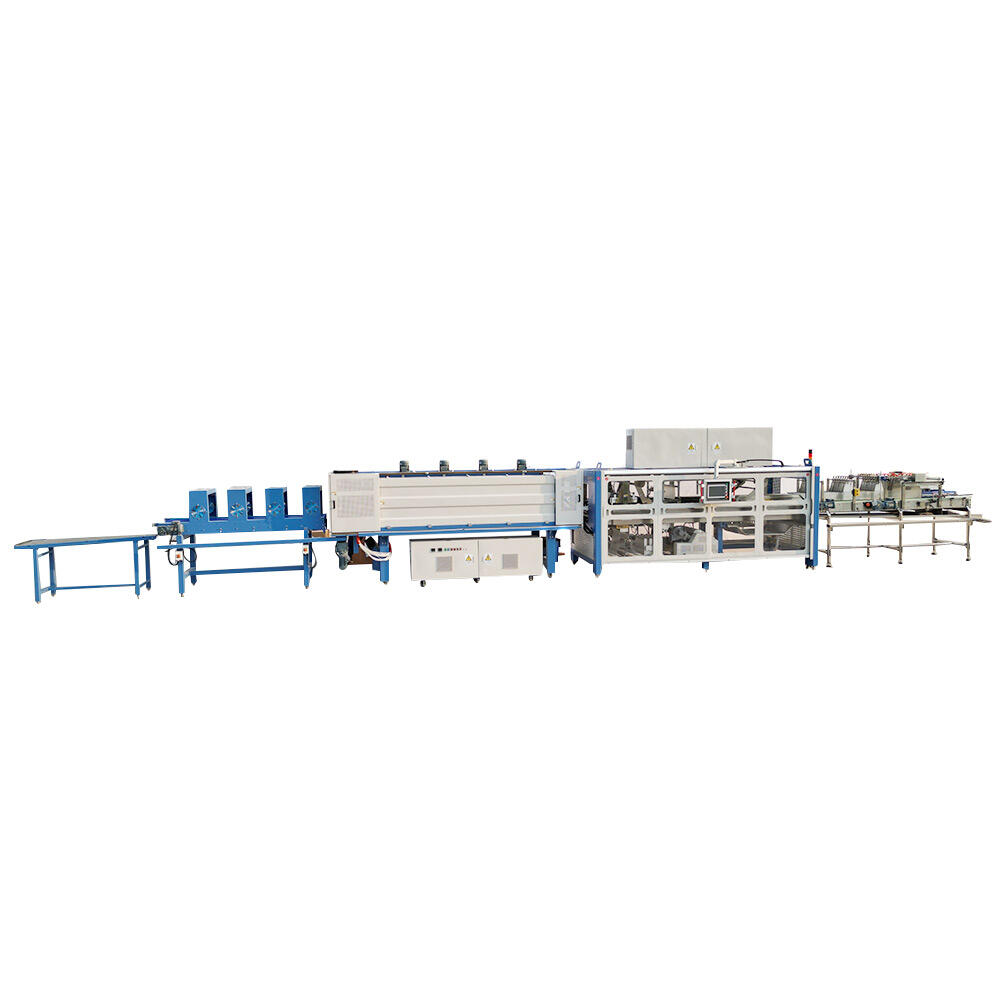
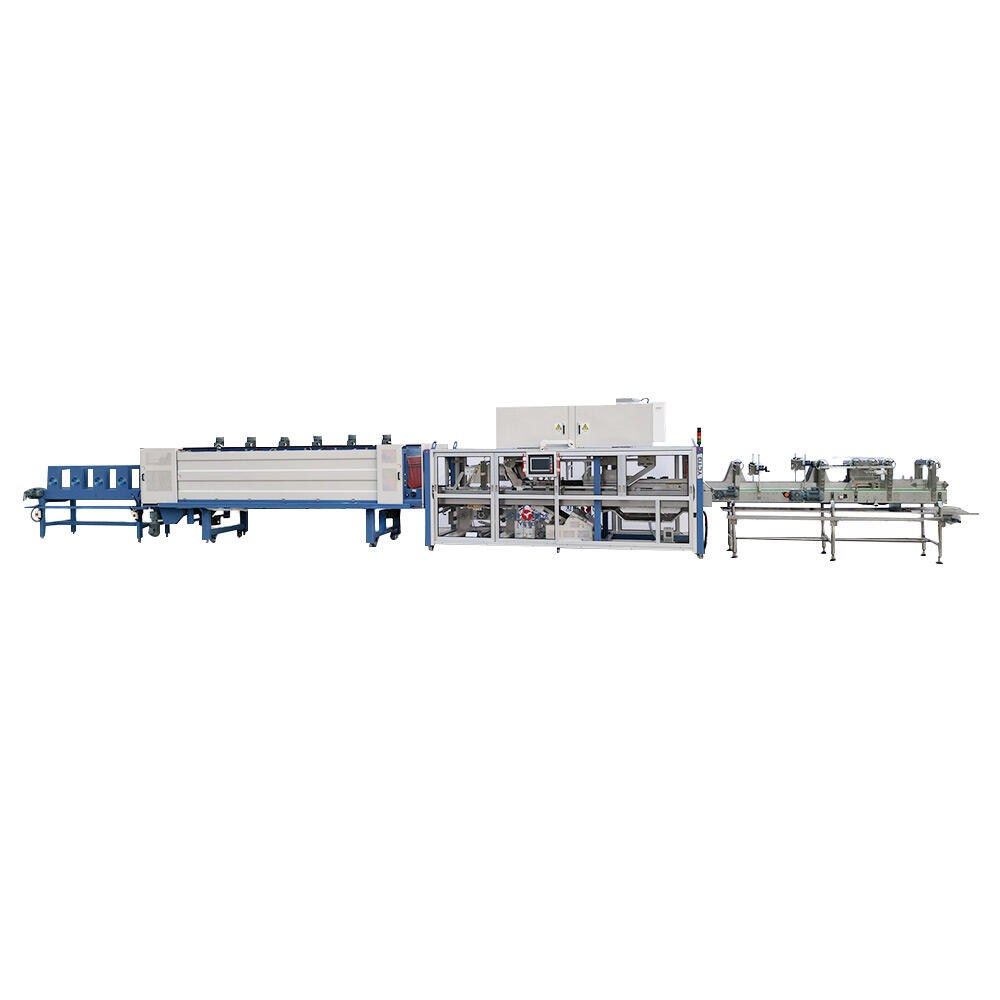
shrink wrapped tray packer
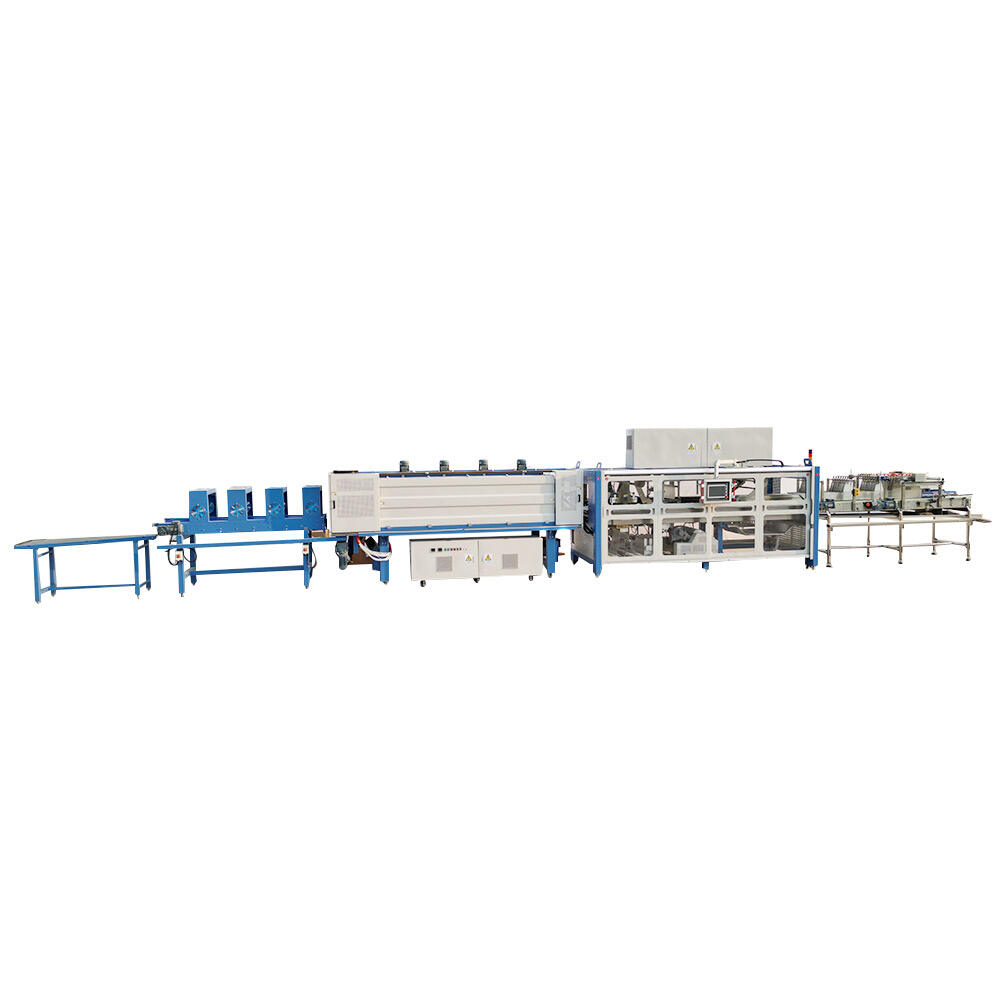
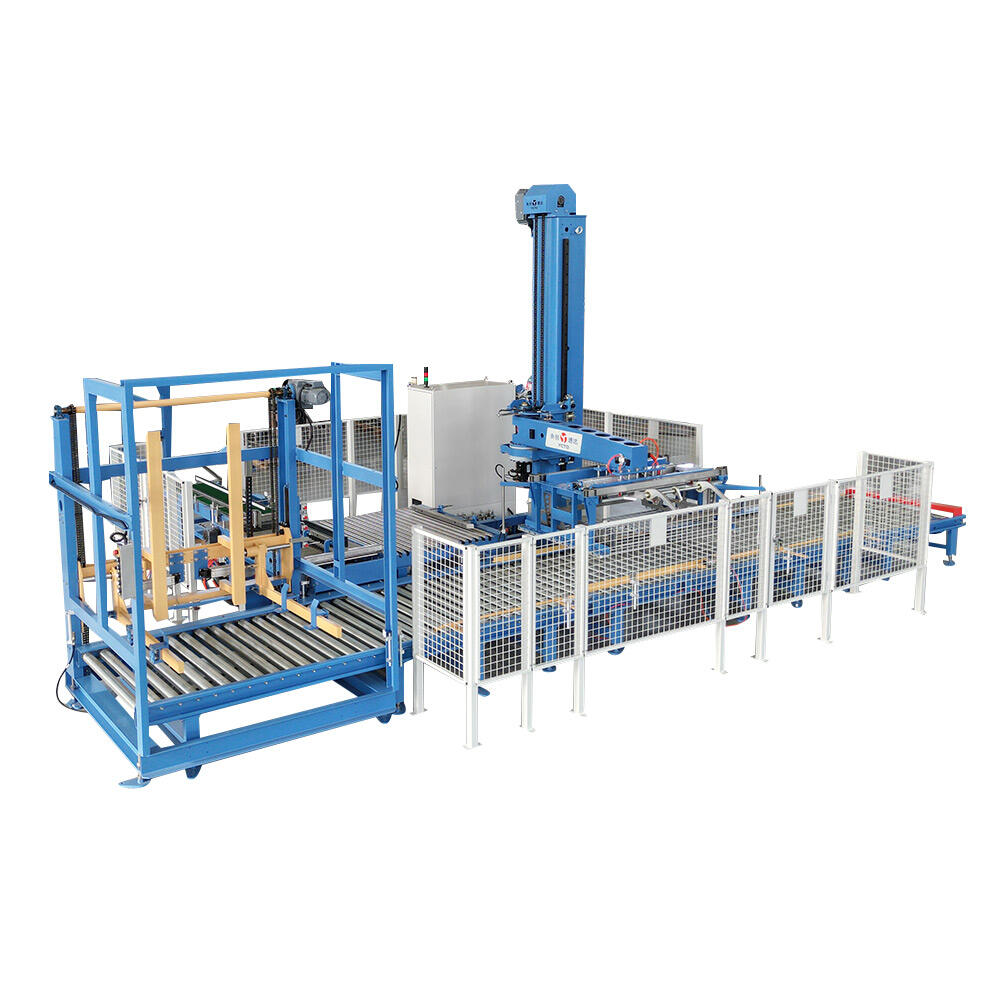
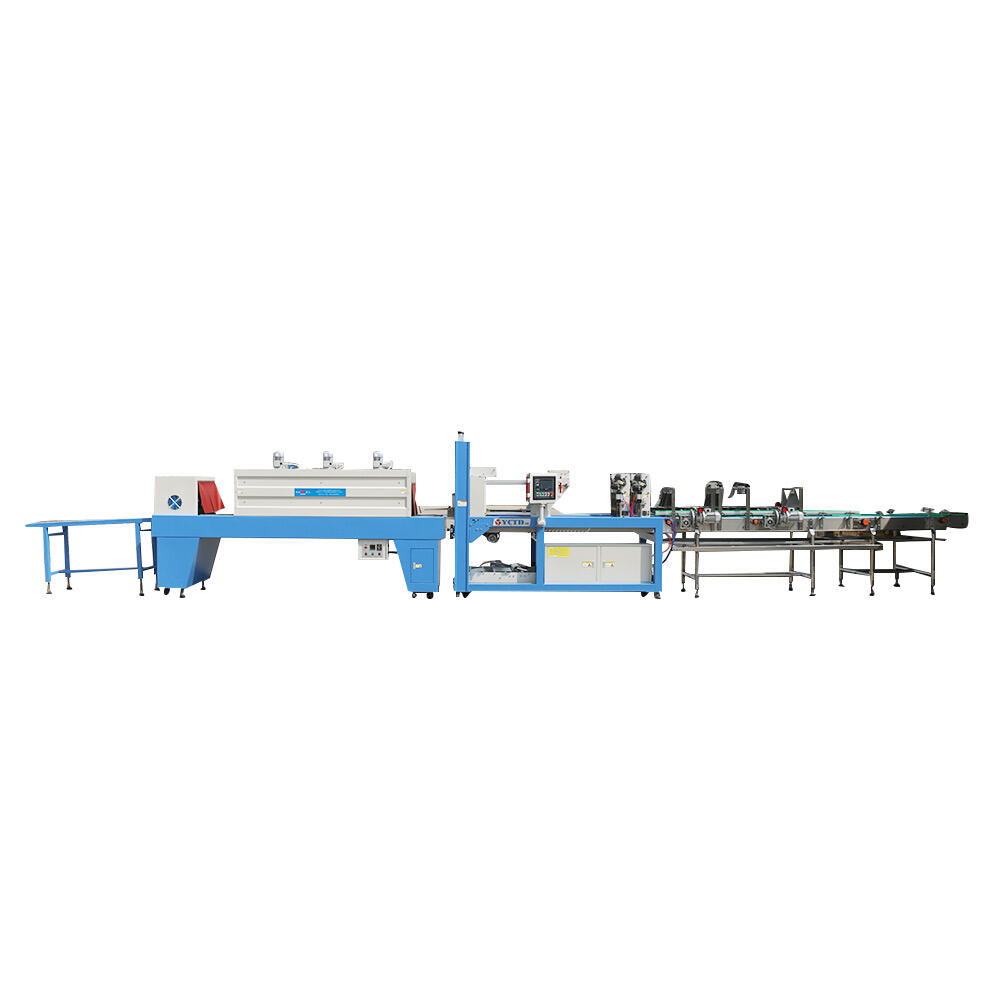
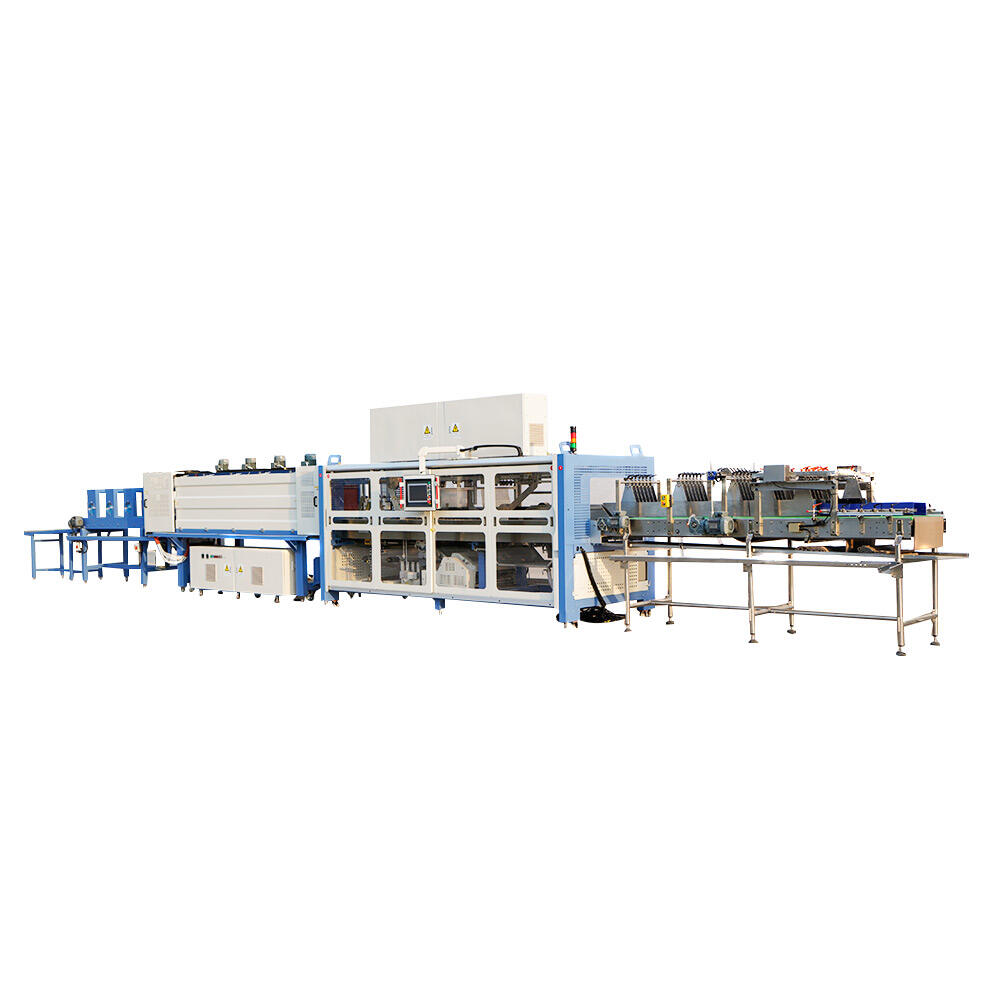
The shrink wrapped tray packer represents a revolutionary packaging solution designed to streamline product bundling and distribution processes across various industries. This sophisticated machinery combines advanced automation technology with precision engineering to create secure, professional-looking packages that enhance product presentation while ensuring optimal protection during transportation and storage. The shrink wrapped tray packer operates by positioning products onto sturdy cardboard or plastic trays, then applying a transparent shrink film that conforms tightly around the entire assembly when heated. This packaging method creates a unified, tamper-evident package that maintains product integrity while providing excellent visibility for retail display purposes. The primary functions of this equipment include automatic tray feeding, precise product positioning, film application, heat sealing, and shrinking processes. Modern shrink wrapped tray packers incorporate sophisticated control systems that monitor every aspect of the packaging operation, ensuring consistent quality and minimizing waste. The technological features encompass programmable logic controllers, servo-driven mechanisms, temperature control systems, and intuitive human-machine interfaces that facilitate easy operation and maintenance. These machines accommodate various product sizes and configurations, making them versatile solutions for diverse packaging requirements. Applications span multiple industries including food and beverage, pharmaceuticals, cosmetics, household goods, and automotive parts. The shrink wrapped tray packer proves particularly valuable for products that require stable bundling, such as bottled beverages, canned goods, frozen foods, and multi-component retail packages. The equipment handles both primary and secondary packaging tasks, often integrating seamlessly with existing production lines to create comprehensive packaging solutions. Advanced models feature quick changeover capabilities, allowing manufacturers to switch between different product formats with minimal downtime, thereby maximizing operational efficiency and production flexibility.
 EN
EN