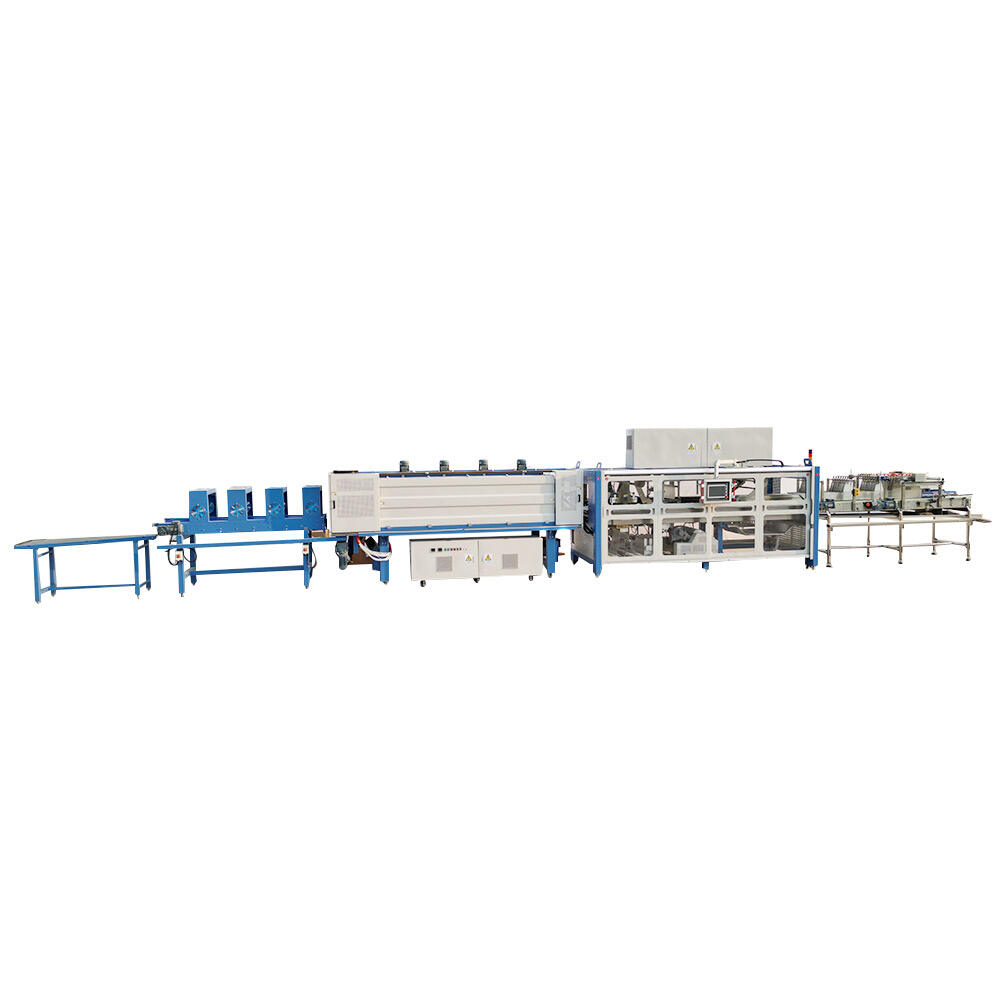
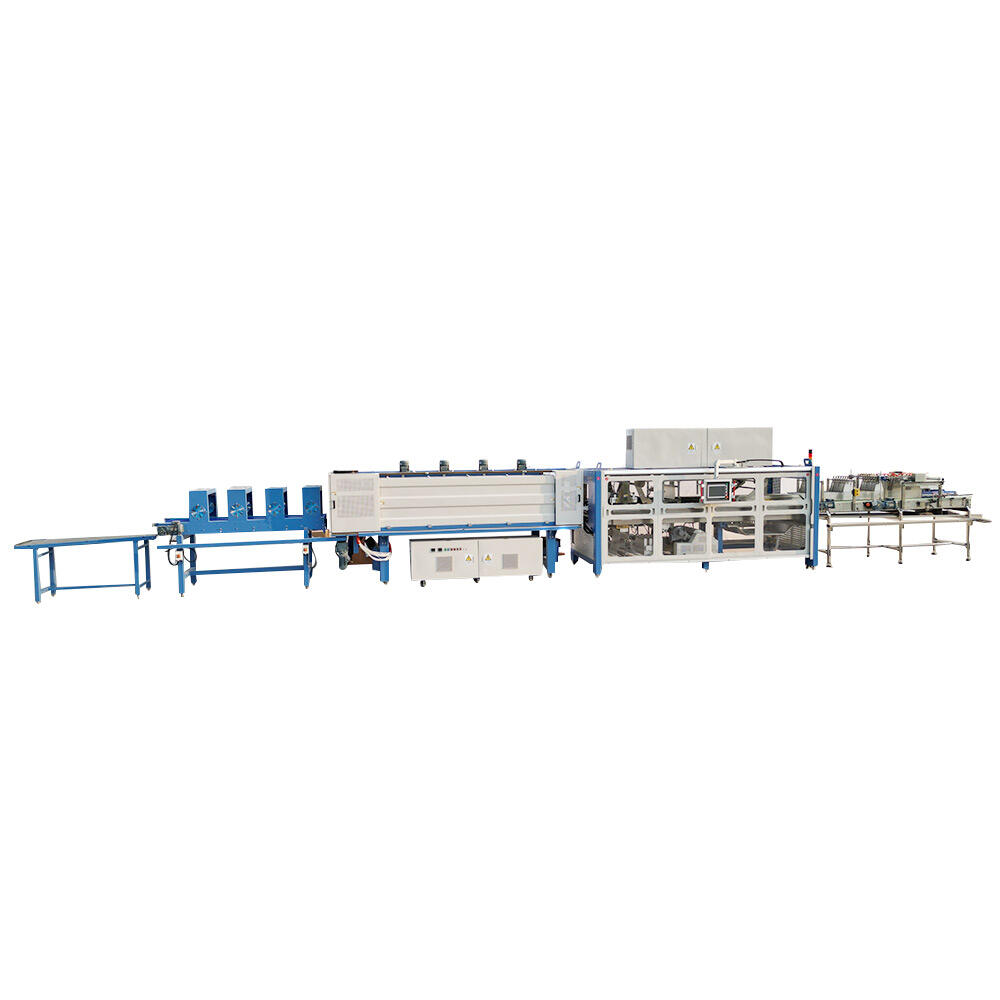
Premium Conveyor Rubber Solutions - Industrial Belt Systems for Enhanced Material Handling Efficiency

All Categories

conveyor rubber

Conveyor rubber represents a critical component in modern material handling systems, serving as the primary interface between transported goods and conveyor mechanisms across numerous industrial sectors. This specialized rubber material forms the foundation of belt conveyor systems, providing essential durability and functionality for continuous operation in demanding environments. The conveyor rubber construction typically consists of multiple layers, including a top cover, reinforcement fabric or steel cord layers, and a bottom cover, each engineered to withstand specific operational stresses and environmental conditions. The technological features of conveyor rubber encompass advanced polymer formulations that deliver exceptional tear resistance, abrasion tolerance, and flexibility under varying temperature conditions. Modern conveyor rubber incorporates sophisticated rubber compounds that maintain elasticity while providing superior grip and traction for efficient material transport. The reinforcement structure within conveyor rubber utilizes high-tensile strength materials such as polyester, nylon, or steel cords arranged in precise patterns to distribute load forces evenly across the belt surface. This engineering approach ensures optimal performance while minimizing stretch and maintaining dimensional stability during operation. Applications for conveyor rubber span across mining operations, manufacturing facilities, food processing plants, airports, warehouses, and distribution centers where reliable material movement is essential for operational efficiency. In mining environments, conveyor rubber must withstand harsh conditions including extreme temperatures, chemical exposure, and heavy-duty material transport requirements. Manufacturing applications demand conveyor rubber that provides consistent performance for assembly line operations and product handling systems. The food industry requires conveyor rubber that meets strict hygiene standards while maintaining durability for continuous cleaning cycles and temperature variations. Each application requires specific conveyor rubber formulations tailored to meet unique operational demands and regulatory requirements.


New Product Recommendations

Conveyor rubber offers remarkable durability that significantly reduces maintenance costs and operational downtime compared to alternative material handling solutions. This enhanced durability stems from advanced rubber compounds specifically formulated to resist wear, tear, and environmental degradation, ensuring consistent performance over extended operational periods. The flexibility inherent in conveyor rubber design allows for smooth operation around pulleys and curves while maintaining structural integrity under heavy load conditions. This flexibility also enables conveyor systems to adapt to various installation configurations and spatial constraints within facilities. Superior traction properties of conveyor rubber prevent material slippage during transport, ensuring reliable product movement and reducing potential safety hazards in workplace environments. The chemical resistance built into modern conveyor rubber formulations protects against corrosive substances, oils, and cleaning agents commonly encountered in industrial applications. This resistance extends operational life and maintains performance standards even in challenging chemical environments. Temperature stability represents another crucial advantage, as quality conveyor rubber maintains performance characteristics across wide temperature ranges, from freezing cold storage facilities to high-heat manufacturing processes. The noise reduction capabilities of conveyor rubber contribute to improved workplace conditions by dampening operational sounds and vibrations that could otherwise create uncomfortable working environments. Easy installation and replacement procedures for conveyor rubber minimize system downtime and reduce labor costs associated with maintenance activities. The cost-effectiveness of conveyor rubber becomes apparent through reduced energy consumption due to lower friction coefficients and improved operational efficiency. Customization options allow conveyor rubber specifications to match exact application requirements, ensuring optimal performance for specific operational needs. Environmental sustainability features in modern conveyor rubber include recyclable materials and extended service life that reduces waste generation. The reliability of conveyor rubber systems supports consistent production schedules and delivery commitments, providing operational predictability essential for business success. Safety enhancements through proper conveyor rubber selection include fire-resistant properties and anti-static characteristics that protect personnel and equipment in sensitive environments.

Tips And Tricks

How a Carton Packaging Machine Helps Streamline Packaging Lines

20

Nov

How a Carton Packaging Machine Helps Streamline Packaging Lines

Revolutionizing Production Efficiency Through Automated Packaging Solutions In today's fast-paced manufacturing environment, efficiency and precision are paramount to success. A carton packaging machine stands at the forefront of modern packaging tec...
View More
Why Is a Shrink Packaging Machine Ideal for Product Safety?

23

Dec

Why Is a Shrink Packaging Machine Ideal for Product Safety?

Product safety remains a paramount concern across manufacturing industries, driving companies to seek innovative packaging solutions that ensure product integrity during storage and transportation. Modern packaging technologies have evolved significa...
View More
Top 5 Benefits of Automating Your Workflow with a Shrink Film Packaging Machine

04

Mar

Top 5 Benefits of Automating Your Workflow with a Shrink Film Packaging Machine

Industrial packaging operations face mounting pressure to increase efficiency while maintaining product quality and reducing costs. Modern manufacturing environments demand solutions that can handle high volumes with consistent results, making automa...
View More
Manual vs. Automatic Shrink Wrappers: Which is the Best Investment for Your Business?

04

Mar

Manual vs. Automatic Shrink Wrappers: Which is the Best Investment for Your Business?

In today's competitive manufacturing landscape, choosing the right packaging solution can significantly impact your operational efficiency and bottom line. When evaluating packaging equipment options, businesses often face a critical decision between...
View More

Get a Free Quote

Our representative will contact you soon.
Company Name
Name
Email
Mobile/WhatsApp
Message
0/1000

conveyor rubber

Advanced Multi-Layer Construction Technology

Advanced Multi-Layer Construction Technology

The revolutionary multi-layer construction technology employed in premium conveyor rubber systems represents a significant advancement in material handling efficiency and operational reliability. This sophisticated engineering approach incorporates multiple distinct layers, each serving specific functions to optimize overall performance and extend service life significantly beyond conventional single-layer alternatives. The top cover layer utilizes advanced polymer formulations designed to resist abrasion, cuts, and gouges that commonly occur during material transport operations, while providing excellent grip characteristics for secure load handling. Beneath this protective surface, reinforcement layers consisting of high-strength fabric or steel cord materials distribute tensile forces evenly across the belt width, preventing localized stress concentrations that could lead to premature failure or operational interruptions. The bottom cover layer features specialized compounds optimized for pulley contact and drive system interaction, ensuring smooth operation and minimal energy loss through friction optimization. This multi-layer approach allows conveyor rubber manufacturers to customize each layer independently, creating application-specific solutions that address unique operational challenges such as extreme temperatures, chemical exposure, or heavy-duty material transport requirements. The precision engineering involved in layer adhesion utilizes advanced bonding agents and curing processes that create molecular-level bonds between layers, eliminating delamination risks and maintaining structural integrity throughout the operational lifecycle. Quality control measures during multi-layer construction include comprehensive testing protocols that verify layer adhesion strength, dimensional accuracy, and performance characteristics under simulated operating conditions. This technological advancement provides customers with superior value through extended maintenance intervals, reduced replacement costs, and improved operational uptime compared to traditional conveyor belt solutions. The versatility of multi-layer construction enables customization for specific industry requirements, from food-grade surfaces meeting regulatory standards to flame-resistant formulations for mining applications.
Exceptional Load-Bearing Capacity and Durability

Exceptional Load-Bearing Capacity and Durability

The exceptional load-bearing capacity engineered into modern conveyor rubber systems delivers unmatched performance for heavy-duty material transport applications while maintaining operational reliability under demanding conditions. This superior strength characteristic results from carefully selected reinforcement materials and optimized rubber compound formulations that work synergistically to distribute load forces efficiently across the entire belt structure. High-tensile strength steel cords or advanced synthetic fabrics embedded within the conveyor rubber provide the structural backbone necessary to handle substantial weight loads without stretching or deformation that could compromise system performance. The rubber matrix surrounding these reinforcement elements utilizes advanced polymer chemistry to maintain flexibility while providing exceptional tear resistance and impact absorption capabilities essential for handling sharp or irregularly shaped materials. Durability testing protocols demonstrate that quality conveyor rubber maintains performance specifications through millions of operational cycles, significantly reducing total cost of ownership through extended service intervals and reduced maintenance requirements. The fatigue resistance built into conveyor rubber construction prevents crack propagation and structural weakening that commonly affects inferior materials under repeated loading cycles, ensuring consistent performance throughout the operational lifecycle. Impact resistance properties protect against damage from dropped materials or mechanical contact, maintaining belt integrity and preventing costly emergency repairs or system shutdowns. The uniform load distribution achieved through proper conveyor rubber design minimizes stress concentrations and hot spots that could lead to premature wear or failure in critical system components. Temperature stability ensures that load-bearing capacity remains consistent across varying environmental conditions, from sub-zero cold storage applications to high-temperature industrial processes. Chemical resistance properties maintain structural integrity when exposed to oils, solvents, and cleaning agents commonly encountered in industrial environments, preventing degradation that could compromise load-bearing performance. Quality assurance procedures include rigorous load testing under controlled conditions to verify performance specifications and ensure reliable operation under maximum rated capacity conditions.
Enhanced Safety and Environmental Compliance Features

Enhanced Safety and Environmental Compliance Features

The comprehensive safety and environmental compliance features integrated into modern conveyor rubber systems provide essential protection for personnel, equipment, and surrounding environments while meeting stringent regulatory requirements across various industries. These advanced safety characteristics include flame-resistant properties that prevent fire propagation and reduce combustion risks in applications involving flammable materials or high-temperature processes, protecting both workers and valuable equipment from potential fire hazards. Anti-static formulations eliminate static electricity buildup during material transport operations, preventing dangerous electrical discharges that could ignite volatile substances or damage sensitive electronic equipment in manufacturing environments. The smooth surface texture and edge design of quality conveyor rubber minimize pinch points and catching hazards that could cause injury to personnel working near operating systems, while providing clear visual indicators for proper material placement and system operation. Low-emission rubber compounds reduce volatile organic compound release into workplace atmospheres, supporting healthy working conditions and compliance with environmental regulations governing indoor air quality standards. Noise reduction capabilities inherent in proper conveyor rubber design contribute significantly to improved workplace ergonomics by dampening operational sounds and vibrations that could otherwise create uncomfortable or potentially harmful noise levels for nearby workers. Chemical resistance properties prevent degradation when exposed to cleaning agents and disinfectants required for maintaining hygienic conditions in food processing and pharmaceutical applications, ensuring continued compliance with health and safety regulations. The slip-resistant surface characteristics of conveyor rubber provide secure material transport while reducing risks of product spillage or worker accidents caused by unstable load conditions during transport operations. Environmental sustainability features include recyclable material content and extended service life that reduces waste generation and supports corporate sustainability initiatives while maintaining operational performance standards. Emergency stop compatibility ensures that conveyor rubber systems integrate properly with safety shutdown procedures, allowing for immediate system deactivation when safety concerns arise or emergency conditions require rapid response protocols to protect personnel and equipment from potential hazards.
Premium Conveyor Rubber Solutions - Industrial Belt Systems for Enhanced Material Handling Efficiency

Get a Free Quote

Our representative will contact you soon.
Company Name
Name
Email
Mobile/WhatsApp
Message
0/1000