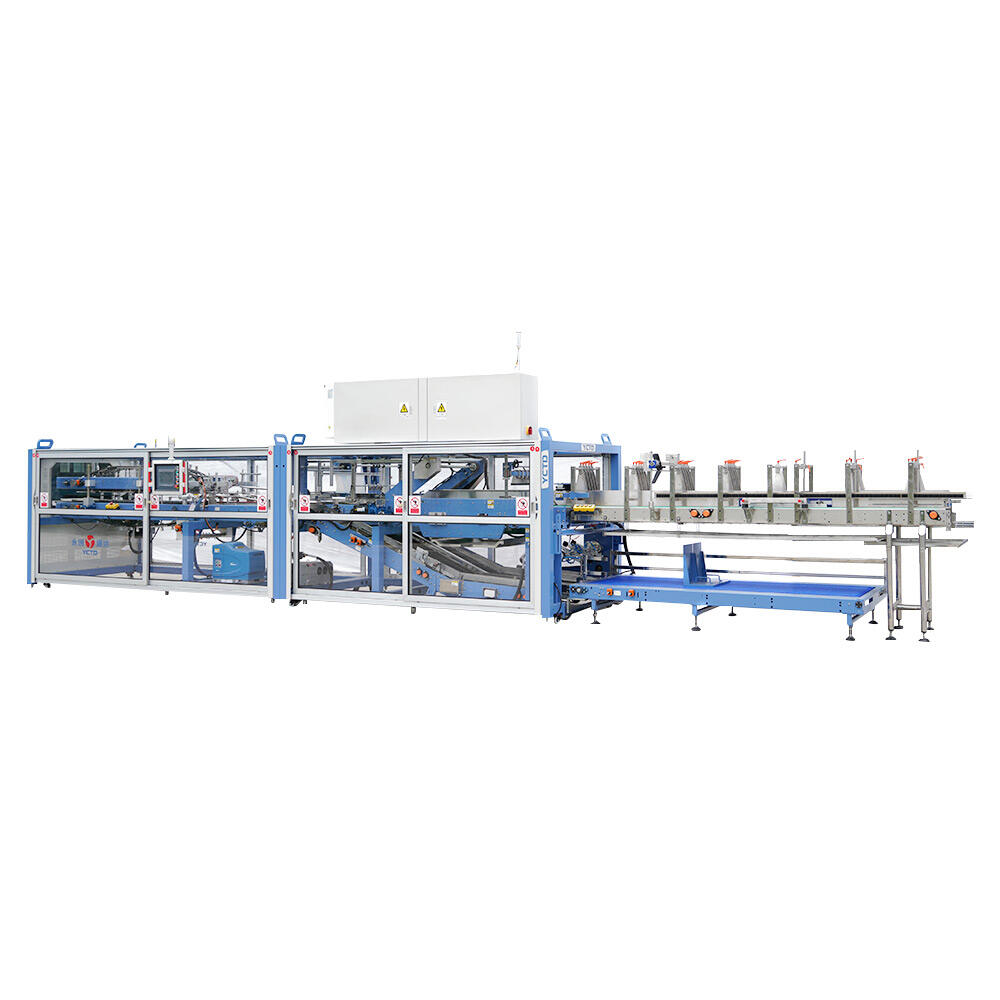
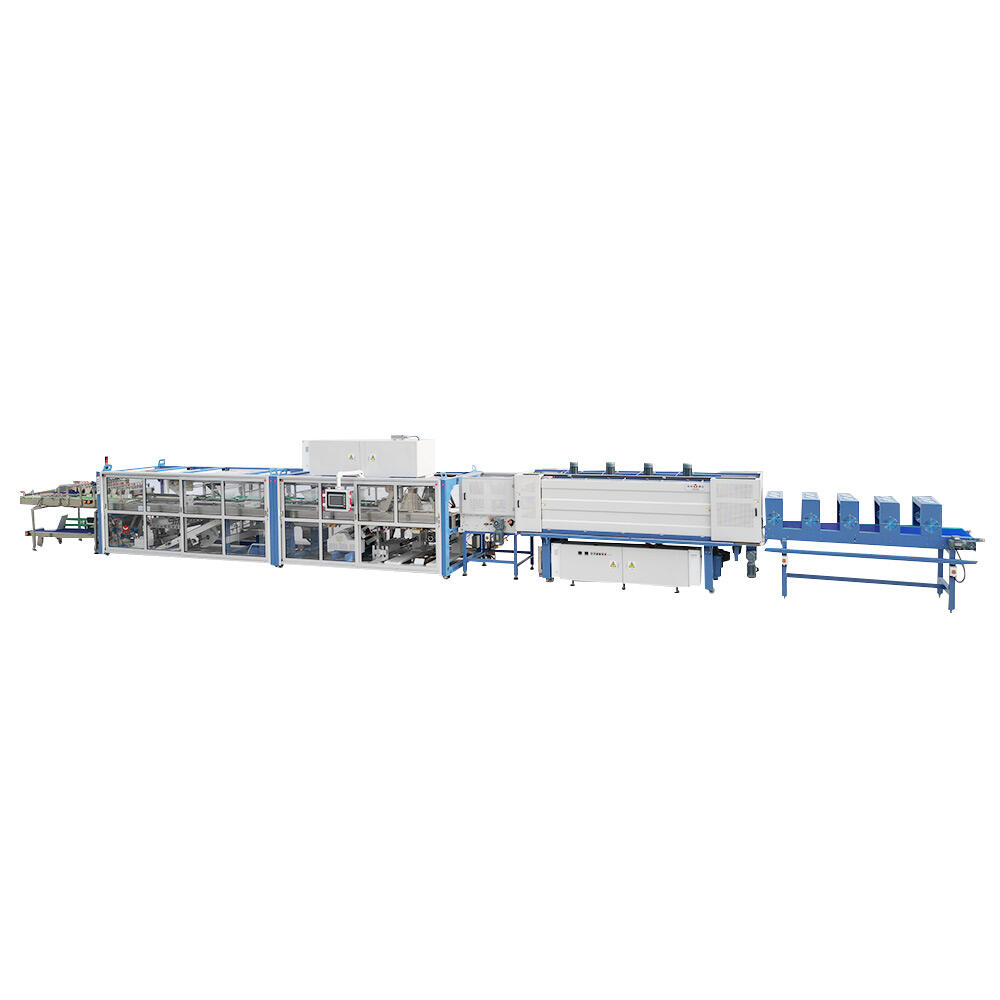
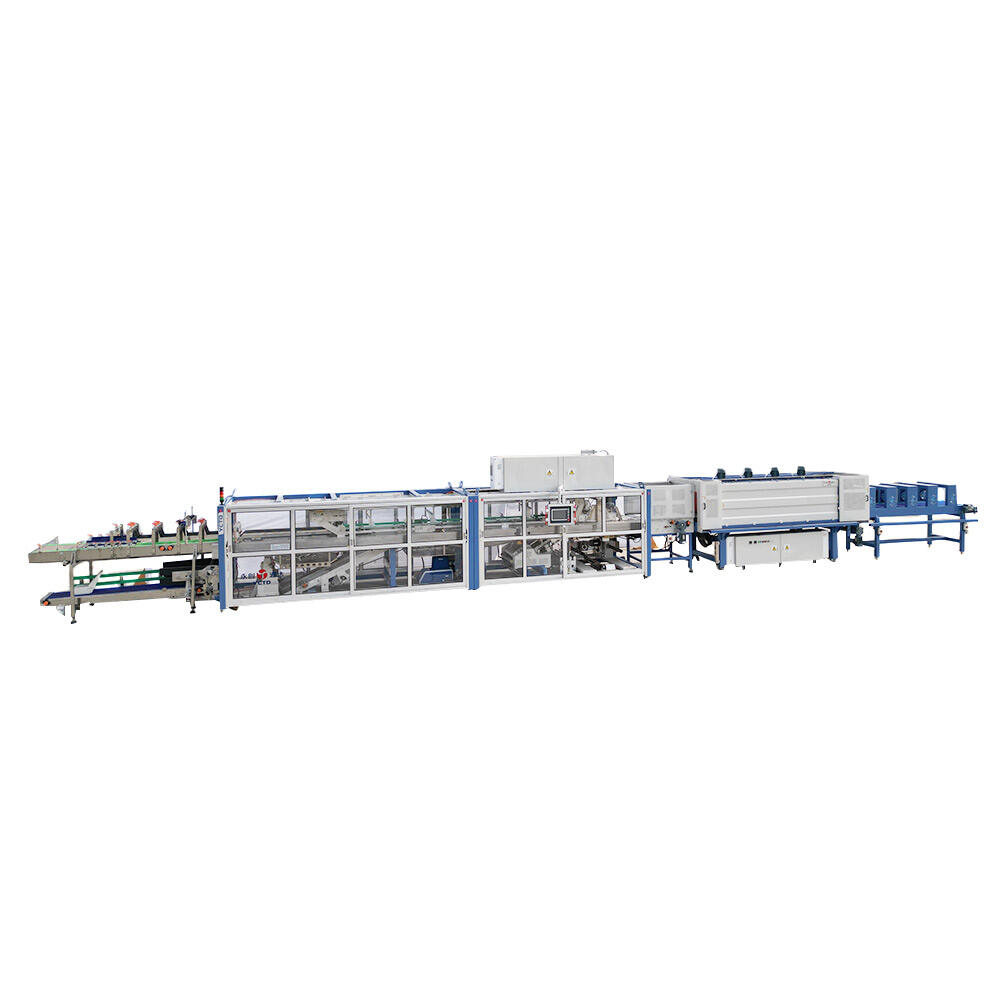
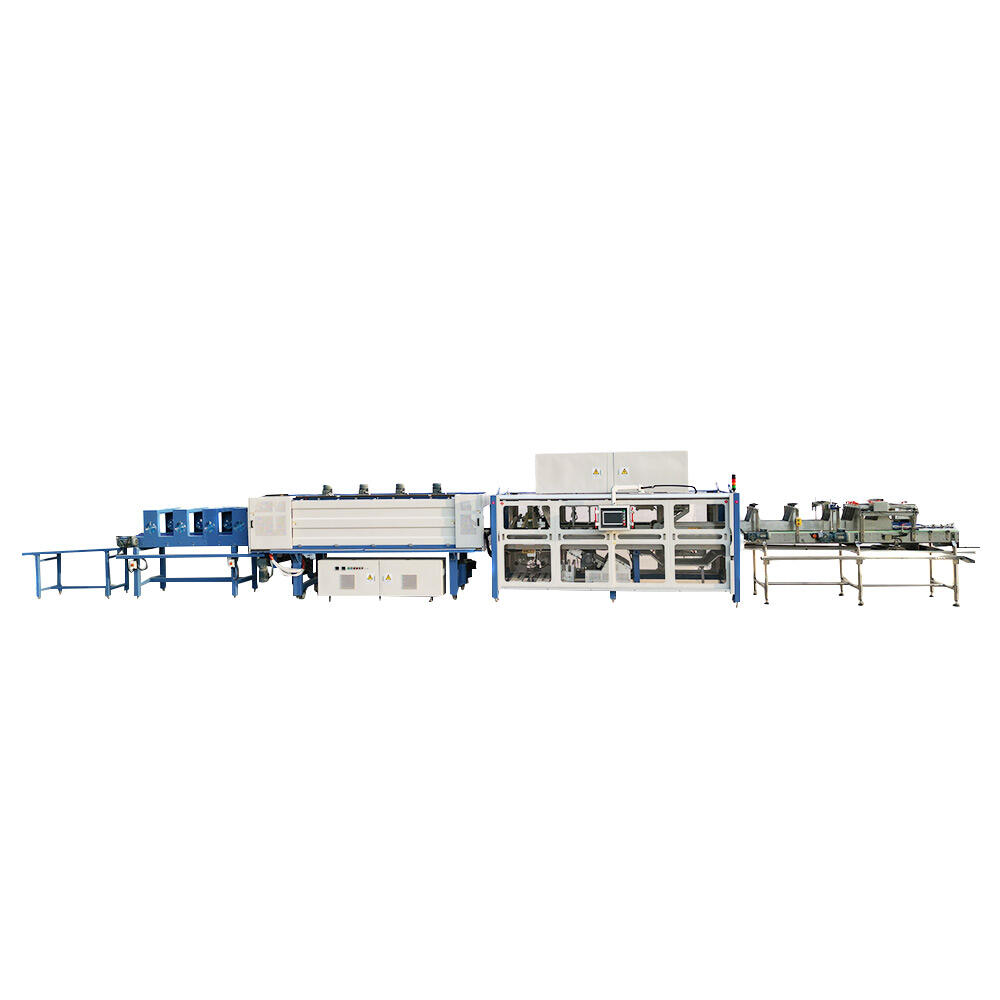
High-Precision Weighing Conveyor Systems - Industrial Automation Solutions

All Categories

weighing conveyor

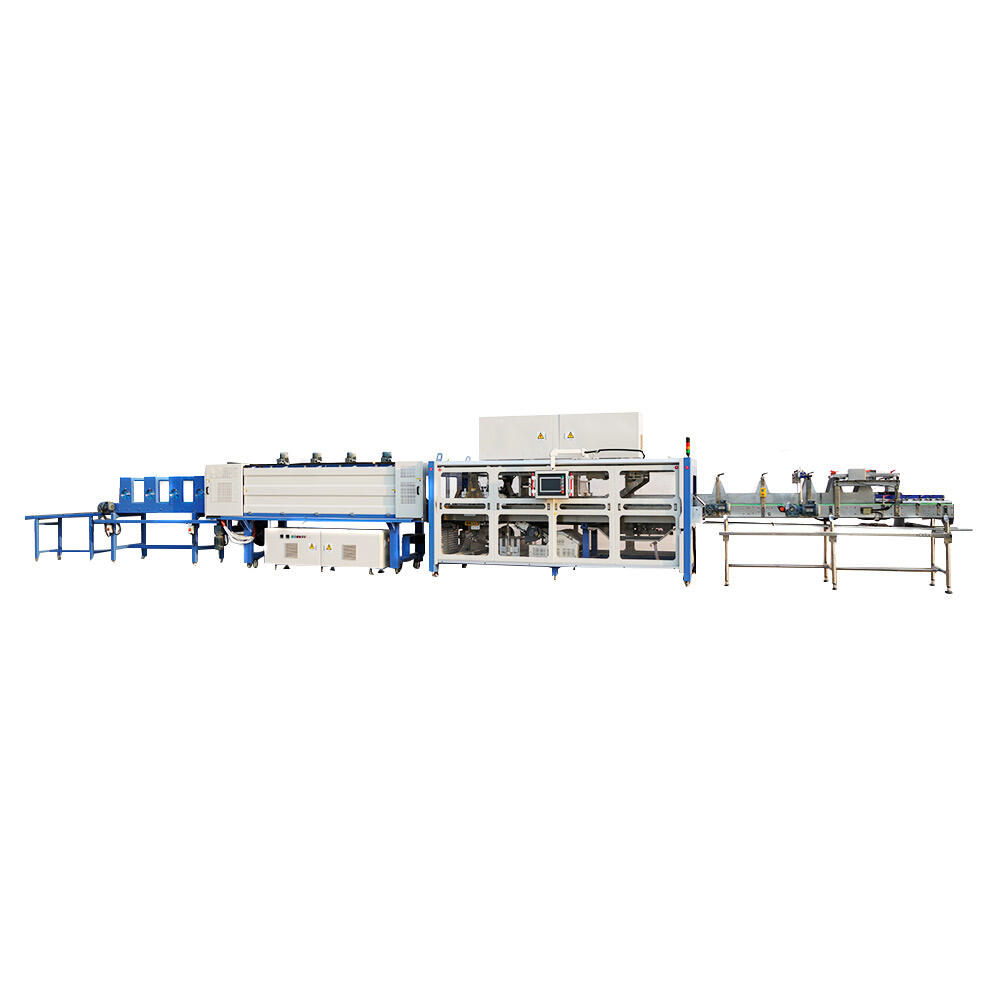
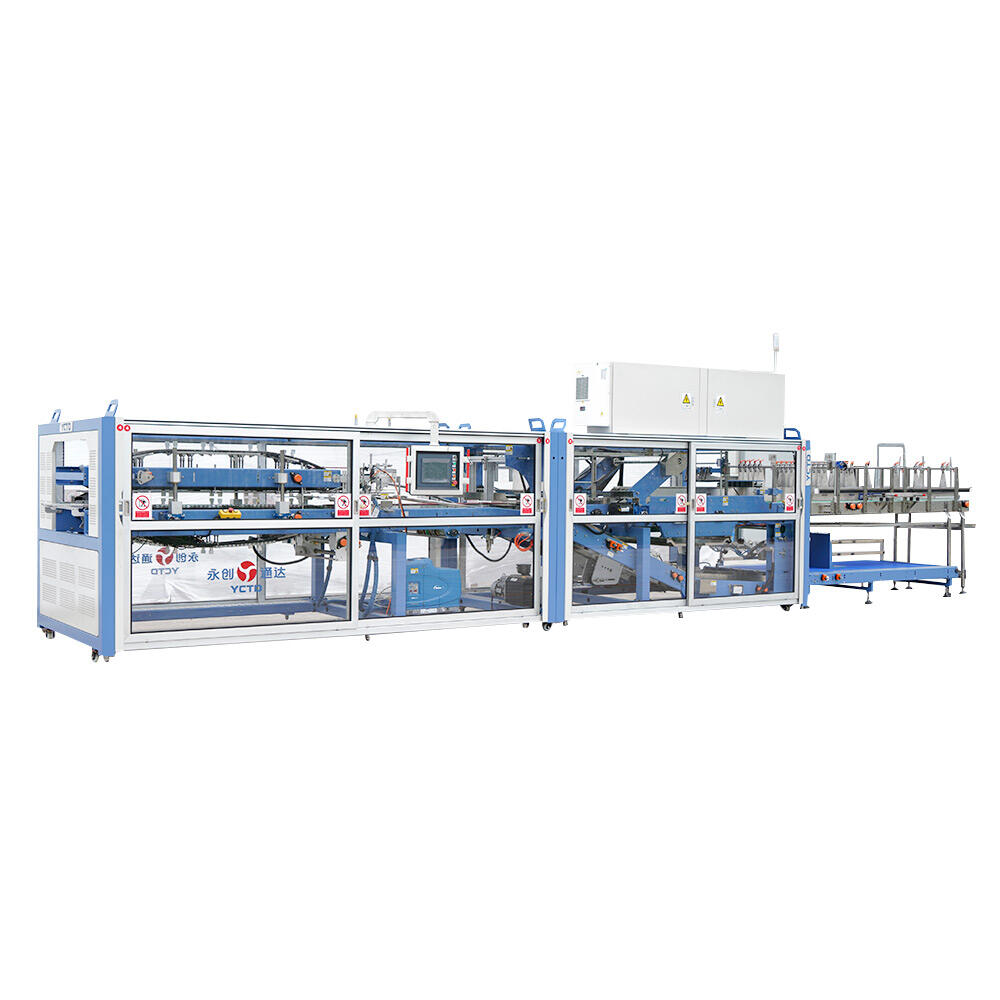
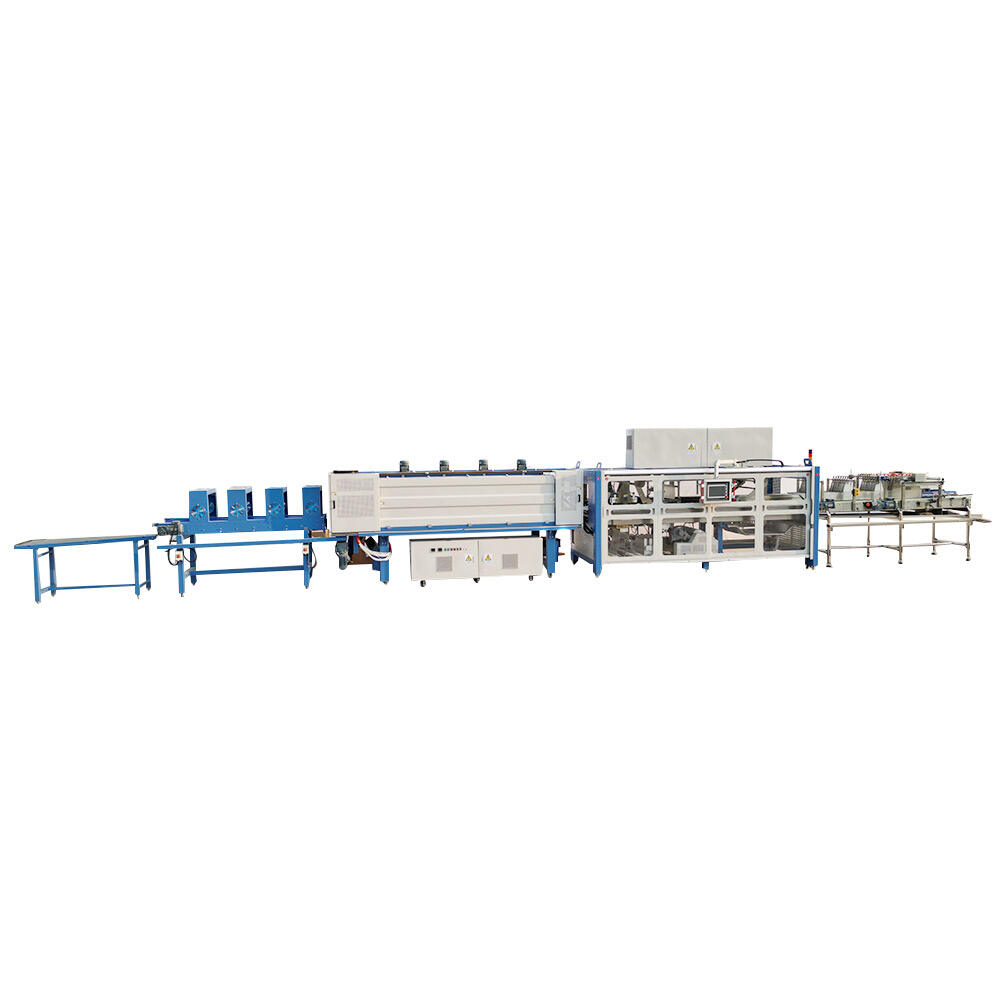
A weighing conveyor represents a sophisticated industrial solution that combines transportation and measurement capabilities into a single, efficient system. This advanced equipment seamlessly integrates conveyor belt technology with precision weighing mechanisms, enabling businesses to move products while simultaneously capturing accurate weight data for each item passing through the system. The weighing conveyor operates through a carefully calibrated load cell system positioned beneath the conveyor belt, which detects and measures the weight of individual products or packages as they travel along the predetermined path. Modern weighing conveyor systems incorporate high-resolution sensors and advanced signal processing technology to ensure exceptional accuracy even at high operational speeds. The system typically features adjustable speed controls, allowing operators to optimize throughput based on product characteristics and weighing precision requirements. Digital displays provide real-time weight readings, while integrated software systems can store, analyze, and export weight data for quality control and inventory management purposes. The robust construction of weighing conveyor units ensures reliable performance in demanding industrial environments, with stainless steel components and IP-rated enclosures protecting sensitive electronics from dust, moisture, and temperature variations. These systems can handle a wide range of product sizes, from small components weighing grams to large packages exceeding several kilograms. The weighing conveyor finds extensive applications across multiple industries, including food processing, pharmaceuticals, logistics, manufacturing, and packaging operations. In food production facilities, these systems verify portion control and ensure compliance with labeling regulations. Pharmaceutical companies utilize weighing conveyor technology to maintain strict dosage accuracy and meet regulatory standards. Logistics centers employ these systems for shipping verification and inventory tracking, while manufacturing operations use them for quality assurance and process optimization. The integration capabilities of modern weighing conveyor systems allow seamless connection with existing production lines, warehouse management systems, and enterprise resource planning software, creating a comprehensive solution for weight-based sorting, quality control, and data collection requirements.


New Products

The implementation of a weighing conveyor system delivers substantial operational benefits that directly impact productivity, accuracy, and cost-effectiveness across various business operations. Speed and efficiency represent primary advantages, as the weighing conveyor eliminates the need for manual weighing processes that traditionally slow down production lines. Workers no longer need to remove items from the conveyor belt, place them on separate scales, record measurements, and return products to the transportation system. This streamlined approach significantly reduces processing time and allows businesses to handle higher volumes without proportional increases in labor costs. The continuous flow operation maintains consistent throughput while providing accurate weight measurements, enabling companies to meet demanding production schedules and customer delivery requirements. Accuracy improvements constitute another major benefit, as weighing conveyor systems deliver precise measurements with minimal human error. Manual weighing processes often introduce inconsistencies due to operator fatigue, varying techniques, or environmental factors. The automated weighing conveyor maintains consistent measurement standards throughout extended operational periods, ensuring reliable data collection and reducing costly mistakes associated with incorrect weight readings. This enhanced accuracy proves particularly valuable for industries with strict regulatory requirements or applications where precise weight control affects product quality and compliance standards. Labor cost reduction represents a significant economic advantage, as the weighing conveyor reduces dependency on manual labor for weighing operations. Companies can reassign workers to higher-value activities while the automated system handles routine weight measurement tasks. This reallocation of human resources improves overall operational efficiency and allows businesses to optimize their workforce utilization. The system operates continuously without breaks, vacation time, or shift changes, providing consistent performance that manual processes cannot match. Data collection and integration capabilities offer substantial operational insights that manual weighing methods cannot provide. The weighing conveyor automatically records weight information, timestamps measurements, and can integrate with inventory management systems, quality control databases, and production monitoring software. This comprehensive data collection enables businesses to identify trends, optimize processes, detect quality issues, and maintain detailed records for compliance purposes. Real-time monitoring capabilities allow immediate identification of weight variations that might indicate production problems or quality concerns, enabling prompt corrective actions. Space optimization benefits emerge from the dual-function design of weighing conveyor systems, which combine transportation and weighing capabilities in a single footprint. Traditional setups requiring separate conveyor systems and weighing stations consume more floor space and create potential bottlenecks in production flow. The integrated approach maximizes facility utilization while maintaining smooth product movement throughout the operational area.

Tips And Tricks

How Carton Packaging Machines Improve Speed and Consistency?

20

Nov

How Carton Packaging Machines Improve Speed and Consistency?

The Evolution of Modern Packaging Automation The packaging industry has undergone a remarkable transformation with the introduction of carton packaging machines. These sophisticated pieces of equipment have revolutionized how manufacturers handle the...
View More
Top 5 Best Shrink Wrappers for Small Businesses in 2026

04

Feb

Top 5 Best Shrink Wrappers for Small Businesses in 2026

Small businesses seeking efficient packaging solutions often turn to shrink wrapping technology to protect their products while maintaining professional presentation. The right shrink wrapper can transform your packaging process, reducing labor costs...
View More
The Ultimate Comparison: L-Bar vs. Continuous Motion Shrink Film Packaging Machines

04

Mar

The Ultimate Comparison: L-Bar vs. Continuous Motion Shrink Film Packaging Machines

Modern packaging operations demand efficiency, reliability, and cost-effectiveness when selecting the right equipment for their production lines. The choice between L-bar and continuous motion shrink film packaging systems represents one of the most ...
View More
Manual vs. Automatic Shrink Wrappers: Which is the Best Investment for Your Business?

04

Mar

Manual vs. Automatic Shrink Wrappers: Which is the Best Investment for Your Business?

In today's competitive manufacturing landscape, choosing the right packaging solution can significantly impact your operational efficiency and bottom line. When evaluating packaging equipment options, businesses often face a critical decision between...
View More

Get a Free Quote

Our representative will contact you soon.
Company Name
Name
Email
Mobile/WhatsApp
Message
0/1000

weighing conveyor

Precision Load Cell Technology for Unmatched Accuracy

Precision Load Cell Technology for Unmatched Accuracy

The heart of every weighing conveyor system lies in its advanced load cell technology, which represents the pinnacle of precision measurement engineering designed specifically for dynamic weighing applications. These sophisticated sensors utilize strain gauge technology combined with advanced signal processing algorithms to deliver exceptional accuracy even when products move at varying speeds across the conveyor belt surface. The load cells are strategically positioned beneath the conveyor platform, where they detect minute weight variations and convert physical force into precise electrical signals that the system processes instantaneously. Modern weighing conveyor systems incorporate multiple load cells working in tandem to ensure measurement reliability and compensate for uneven product distribution or belt irregularities. The calibration process for these load cells involves rigorous testing with certified reference weights to establish baseline measurements and ensure compliance with international weighing standards. Temperature compensation features automatically adjust for environmental variations that could affect measurement accuracy, while anti-vibration mounting systems isolate the load cells from external disturbances that might compromise weighing precision. The digital signal processing capabilities of contemporary weighing conveyor systems filter out noise and interference, providing clean, accurate weight readings regardless of operational conditions. Advanced algorithms can distinguish between actual product weight and temporary disturbances such as belt oscillations or mechanical vibrations from nearby equipment. The resolution capabilities of modern load cell technology enable detection of weight differences as small as 0.1 grams on systems handling products weighing several kilograms, providing the precision necessary for demanding quality control applications. Regular calibration verification procedures ensure continued accuracy over extended operational periods, while diagnostic systems monitor load cell performance and alert operators to potential maintenance requirements. The durability of these load cells ensures reliable performance in challenging industrial environments, with sealed enclosures protecting sensitive components from moisture, dust, and corrosive substances. This precision measurement capability enables businesses to maintain strict quality standards, comply with regulatory requirements, and optimize product consistency across their operations.
Seamless Integration with Production Line Systems

Seamless Integration with Production Line Systems

The integration capabilities of modern weighing conveyor systems represent a transformative advantage for businesses seeking to optimize their production line efficiency and data management processes. These sophisticated systems are designed with comprehensive connectivity options that enable seamless communication with existing manufacturing execution systems, warehouse management software, and enterprise resource planning platforms. The weighing conveyor can automatically transmit weight data, product identification information, and quality metrics to centralized databases, eliminating manual data entry requirements and reducing the potential for human error in record keeping. Advanced communication protocols including Ethernet, serial interfaces, and wireless connectivity options ensure compatibility with diverse industrial automation systems and legacy equipment. The integration process typically involves configuring the weighing conveyor software to match existing database structures and communication standards, allowing for plug-and-play installation that minimizes disruption to ongoing operations. Real-time data streaming capabilities enable immediate updating of inventory systems, quality control databases, and production monitoring dashboards, providing managers with instant visibility into operational performance and product quality metrics. The weighing conveyor can trigger automated responses based on weight criteria, such as diverting products that fall outside acceptable weight ranges to quality control stations or automatically updating shipping manifests with accurate package weights. Customizable reporting features allow businesses to generate detailed analytics on weight trends, production efficiency, and quality compliance metrics, supporting data-driven decision making and continuous improvement initiatives. The system can interface with barcode scanners, RFID readers, and vision inspection systems to create comprehensive product tracking and quality assurance workflows. Integration with labeling systems enables automatic generation of weight-compliant shipping labels and product documentation, streamlining packaging operations and ensuring regulatory compliance. The modular software architecture allows for future system expansions and upgrades without requiring complete system replacements, protecting the initial investment while providing flexibility for evolving business requirements. This comprehensive integration capability transforms the weighing conveyor from a simple measurement tool into a central component of intelligent production line systems that enhance overall operational efficiency and quality control capabilities.
Robust Construction for Demanding Industrial Environments

Robust Construction for Demanding Industrial Environments

The construction quality and durability of weighing conveyor systems directly impact their long-term reliability and operational effectiveness in challenging industrial environments. These systems are engineered with heavy-duty materials and components specifically selected to withstand the rigorous demands of continuous industrial operation while maintaining measurement accuracy over extended periods. The conveyor frame typically utilizes high-grade stainless steel or powder-coated carbon steel construction, providing excellent resistance to corrosion, chemical exposure, and mechanical stress. The belt systems incorporate food-grade materials when required, with easy-to-clean surfaces that support strict hygiene standards in food processing and pharmaceutical applications. IP-rated electrical enclosures protect sensitive electronic components from dust infiltration, moisture exposure, and temperature fluctuations that could compromise system performance or accuracy. The motor drives and transmission systems are designed for continuous duty operation, with sealed bearings and robust construction that minimizes maintenance requirements and ensures reliable performance over millions of operational cycles. Advanced belt tracking systems automatically maintain proper belt alignment, reducing wear and ensuring consistent product positioning for accurate weight measurements. The weighing platform incorporates vibration dampening features that isolate measurement systems from external disturbances while maintaining structural rigidity necessary for precise weighing operations. Temperature-resistant components enable operation across wide environmental ranges, from refrigerated storage areas to high-temperature production environments. The electrical systems utilize industrial-grade components rated for extended operational life, with surge protection and interference filtering to ensure reliable performance in electrically noisy industrial environments. Maintenance access features include removable covers, accessible lubrication points, and diagnostic ports that facilitate routine servicing without extensive system downtime. The modular design approach allows for component replacement and system upgrades without complete equipment replacement, protecting the initial investment and providing flexibility for changing operational requirements. Quality assurance testing during manufacturing ensures that each weighing conveyor meets stringent performance standards before delivery, while comprehensive warranty coverage provides additional protection for the investment. This robust construction approach ensures that weighing conveyor systems deliver consistent, reliable performance throughout their operational lifetime, minimizing unexpected downtime and maintenance costs while maximizing return on investment for businesses across diverse industrial applications.
High-Precision Weighing Conveyor Systems - Industrial Automation Solutions

Get a Free Quote

Our representative will contact you soon.
Company Name
Name
Email
Mobile/WhatsApp
Message
0/1000