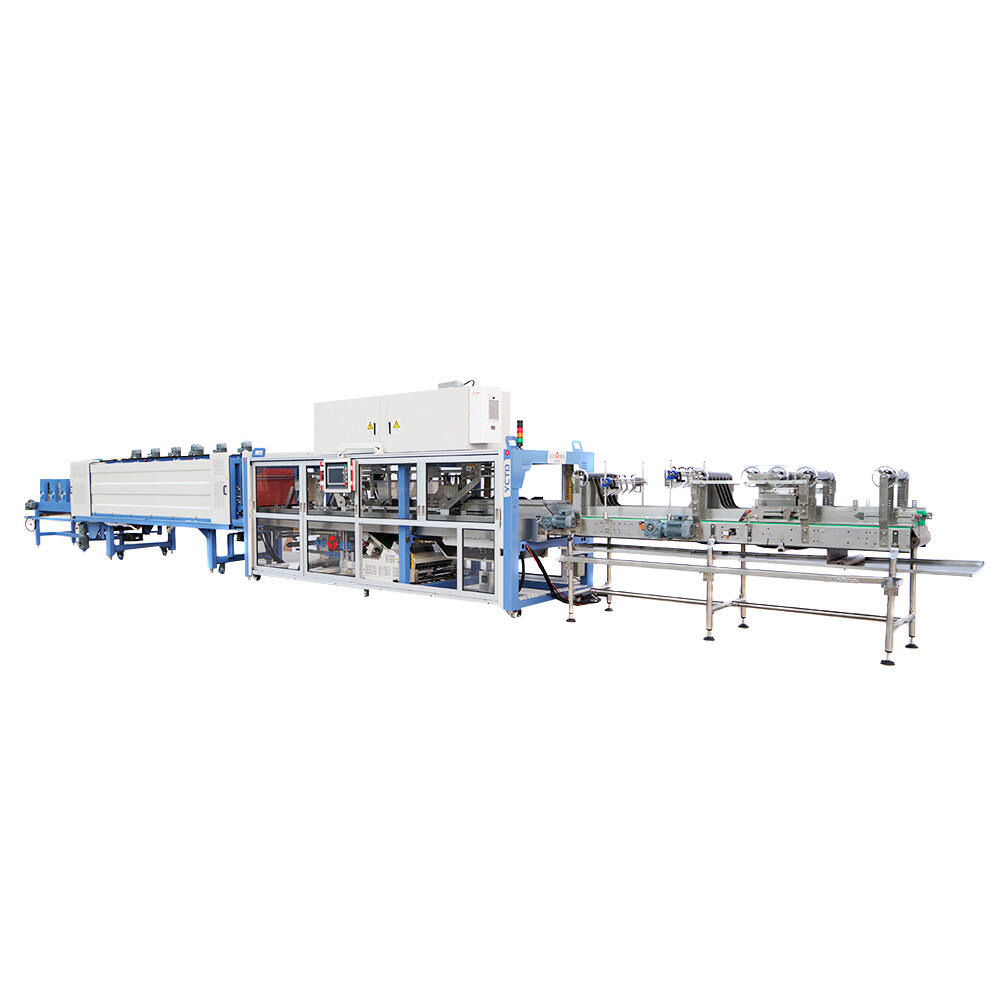
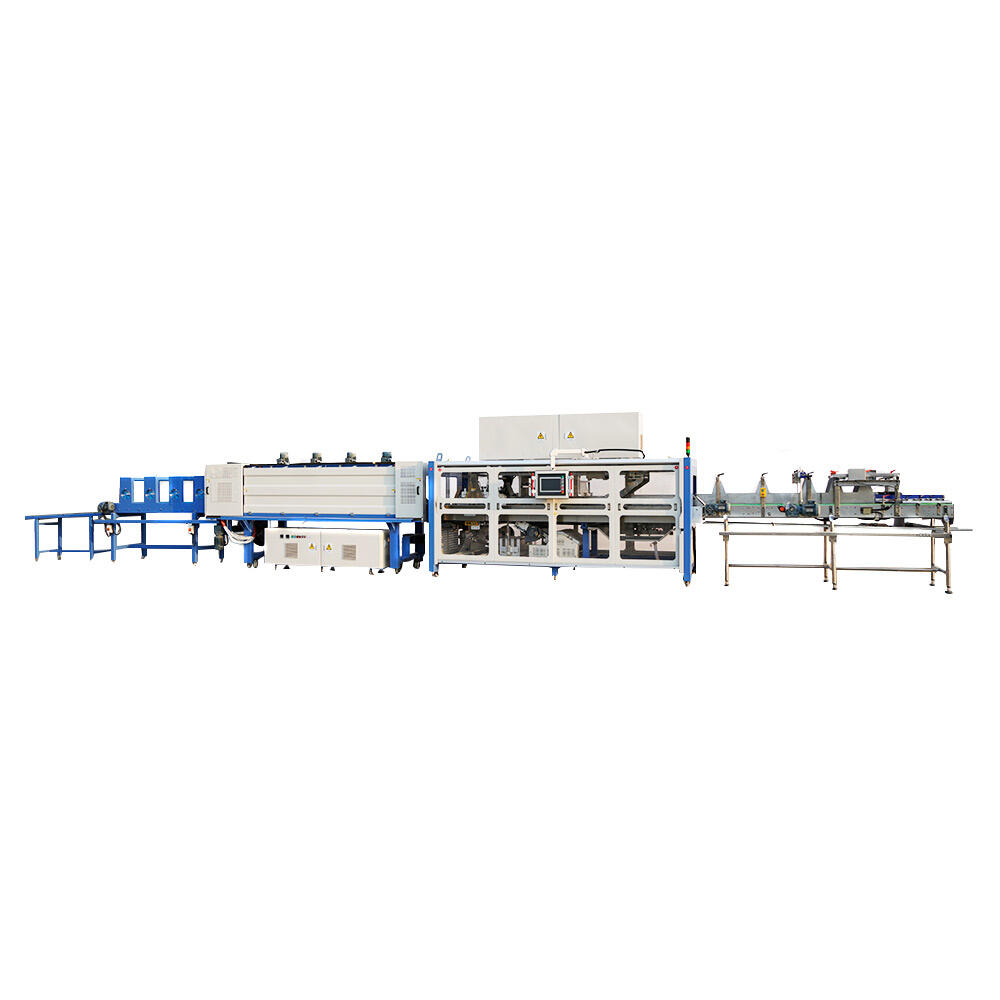
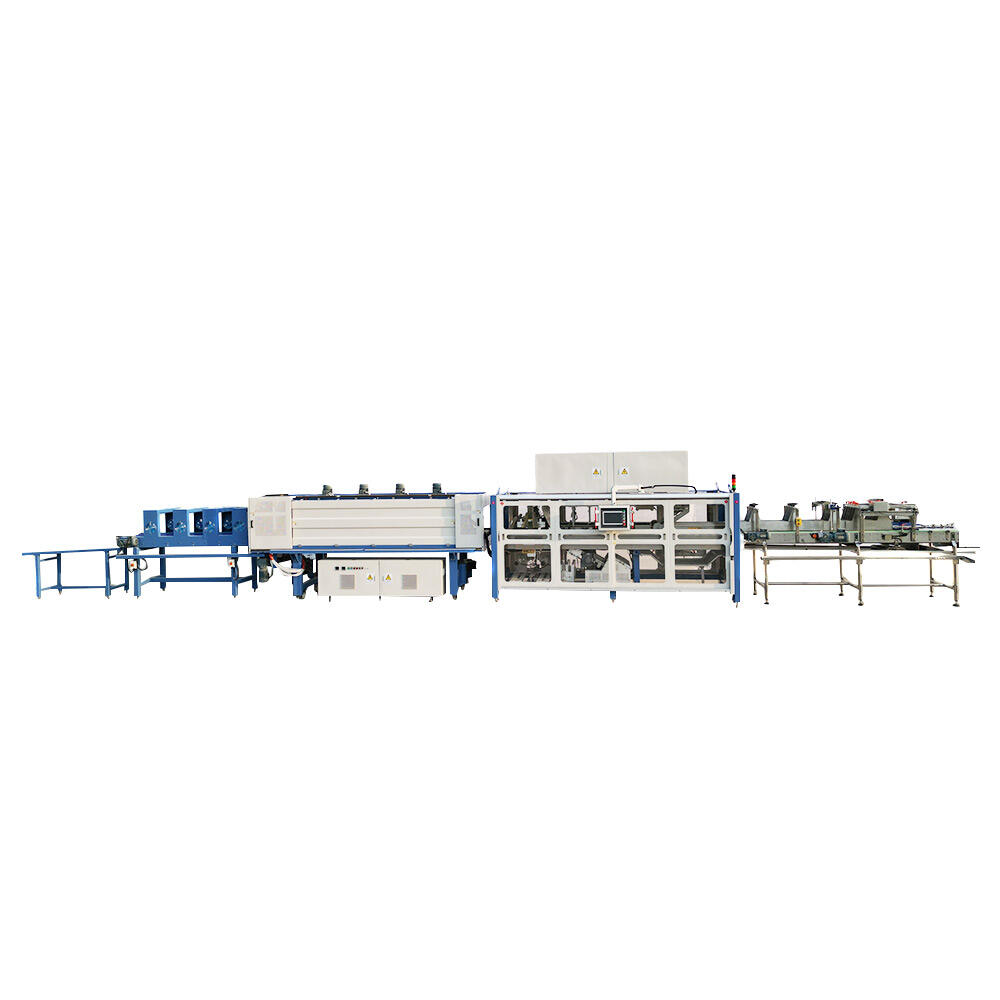
Product Conveyor Systems: Advanced Automated Material Handling Solutions for Industrial Applications

All Categories

product conveyor

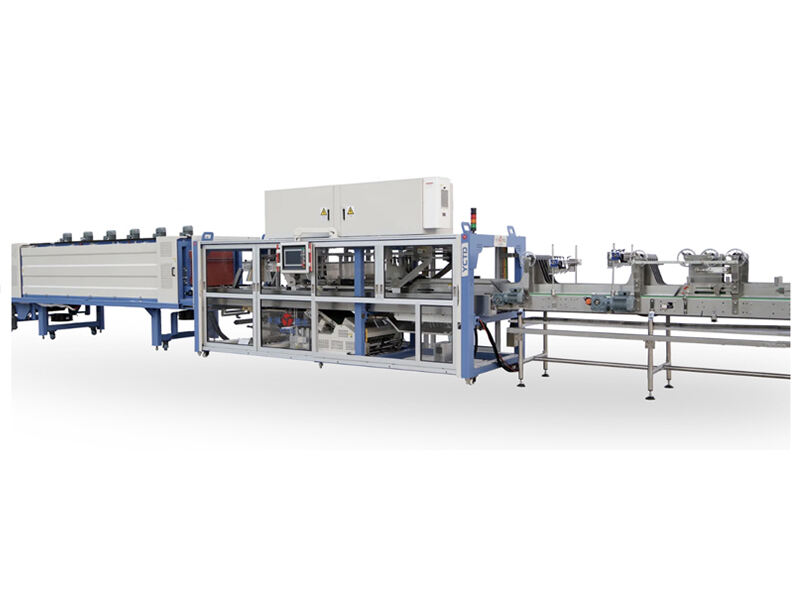
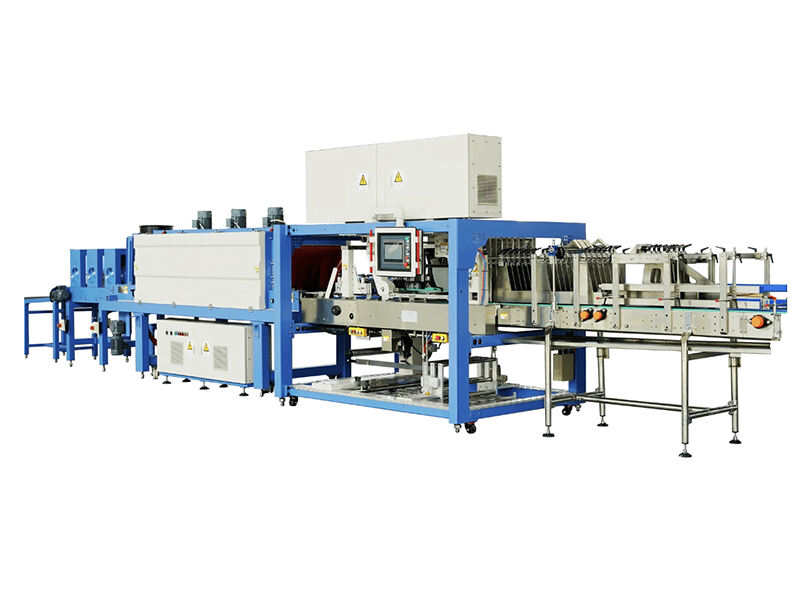
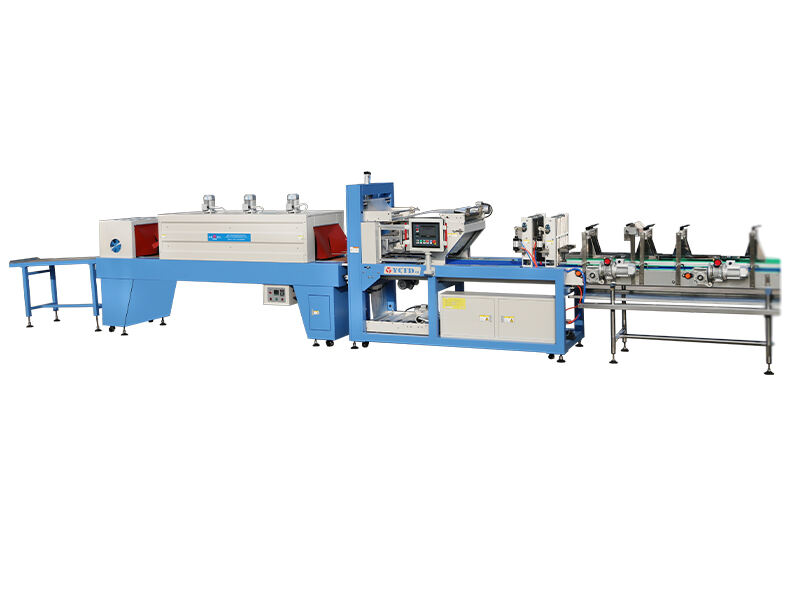
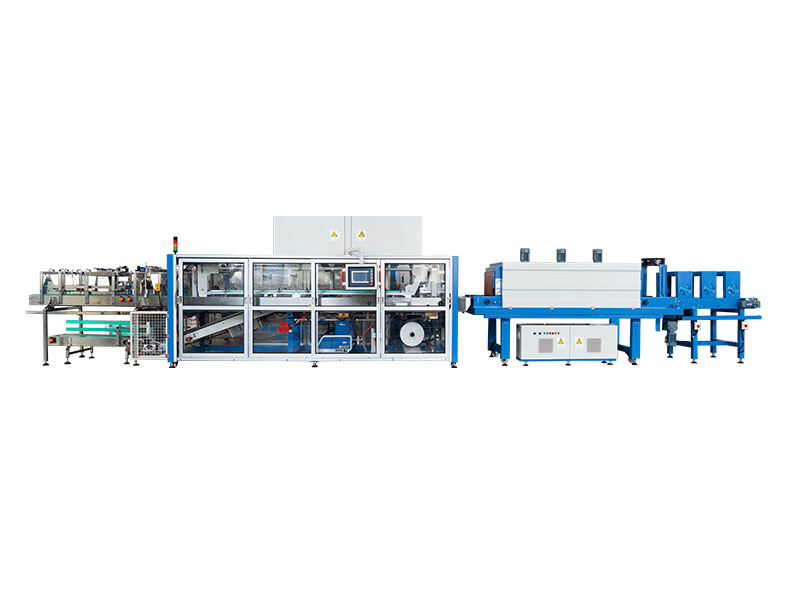
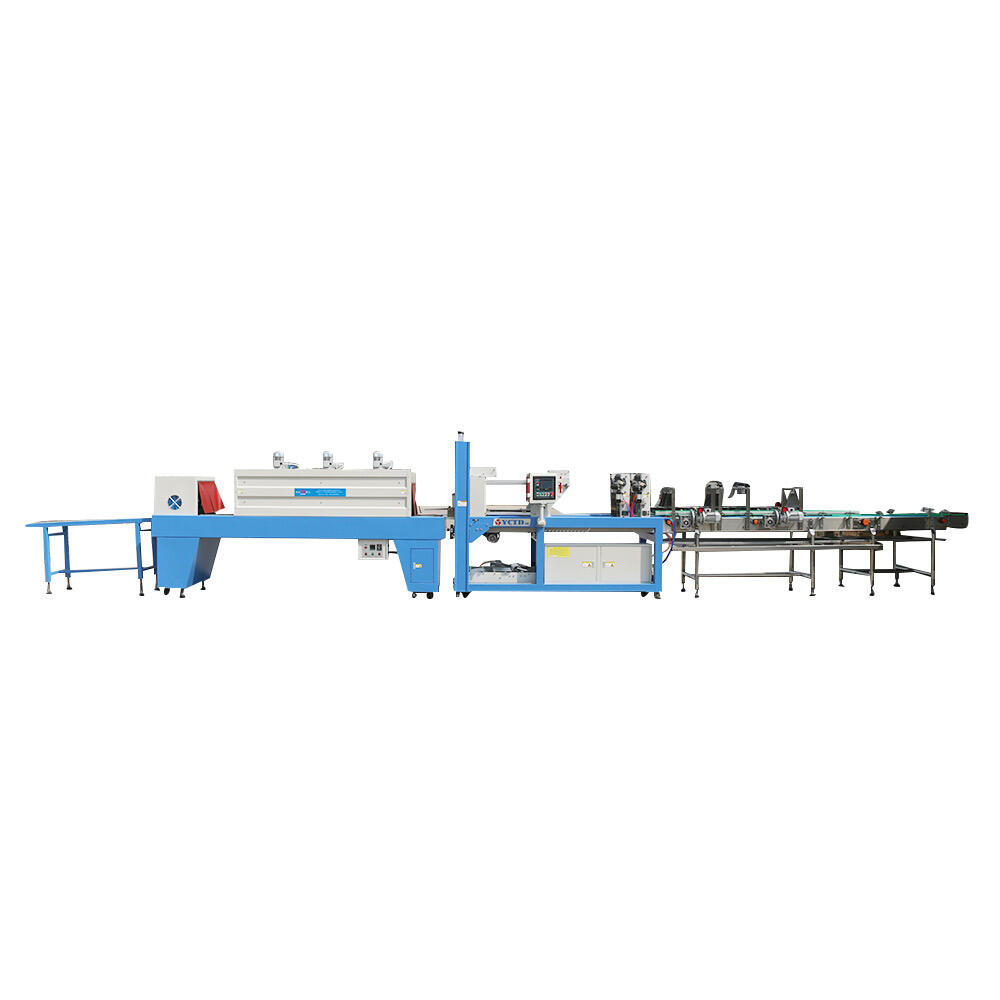
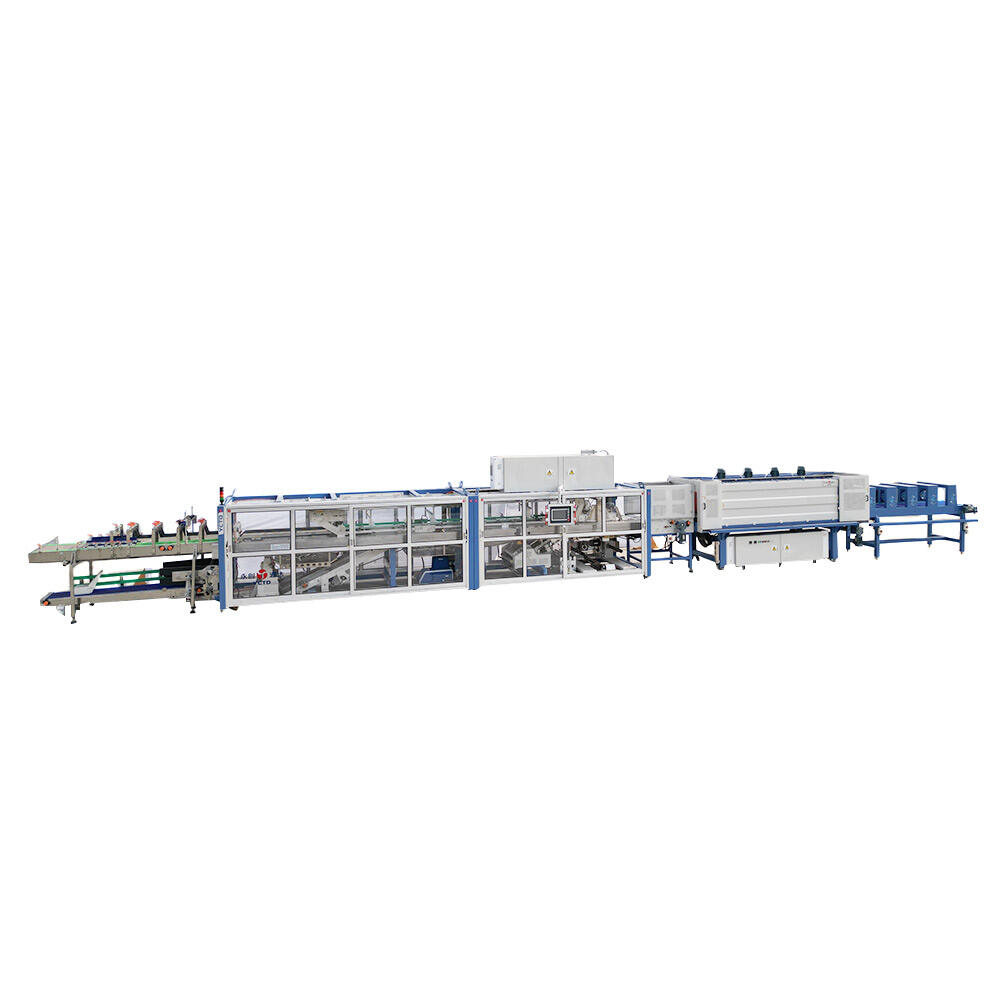
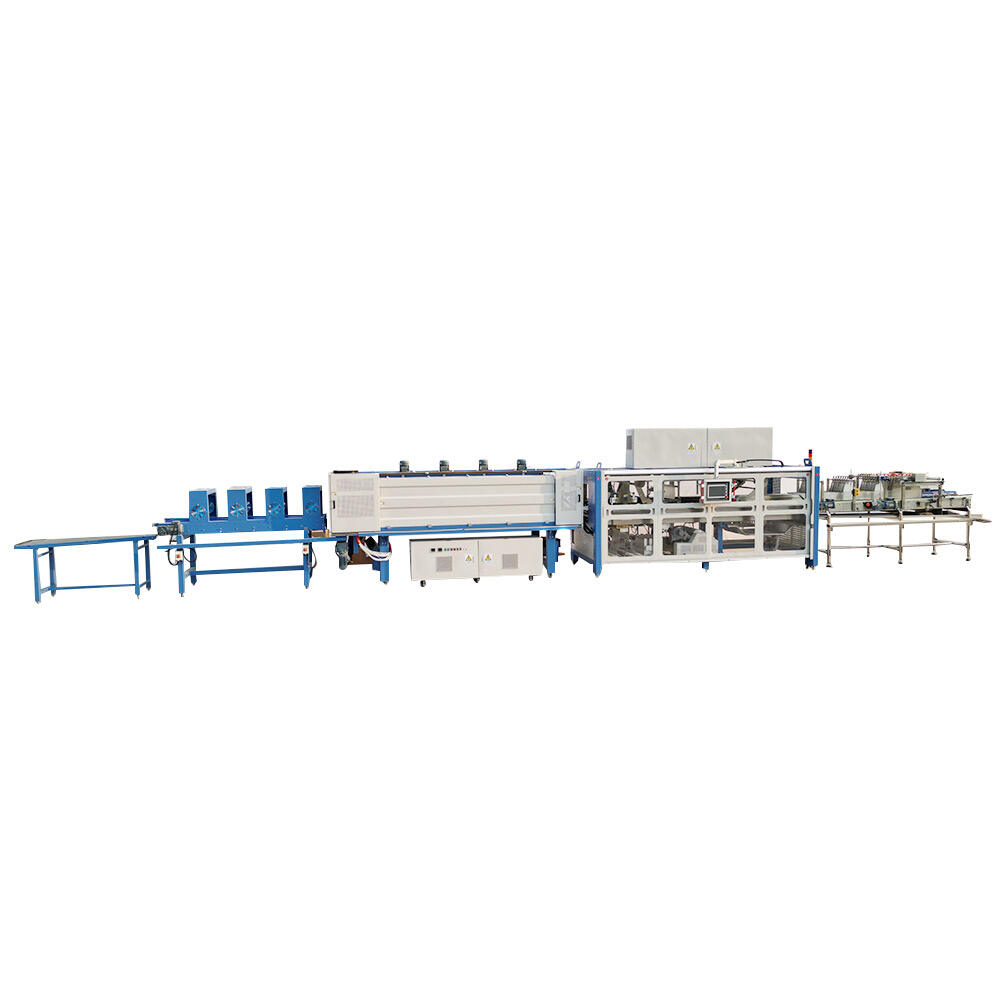
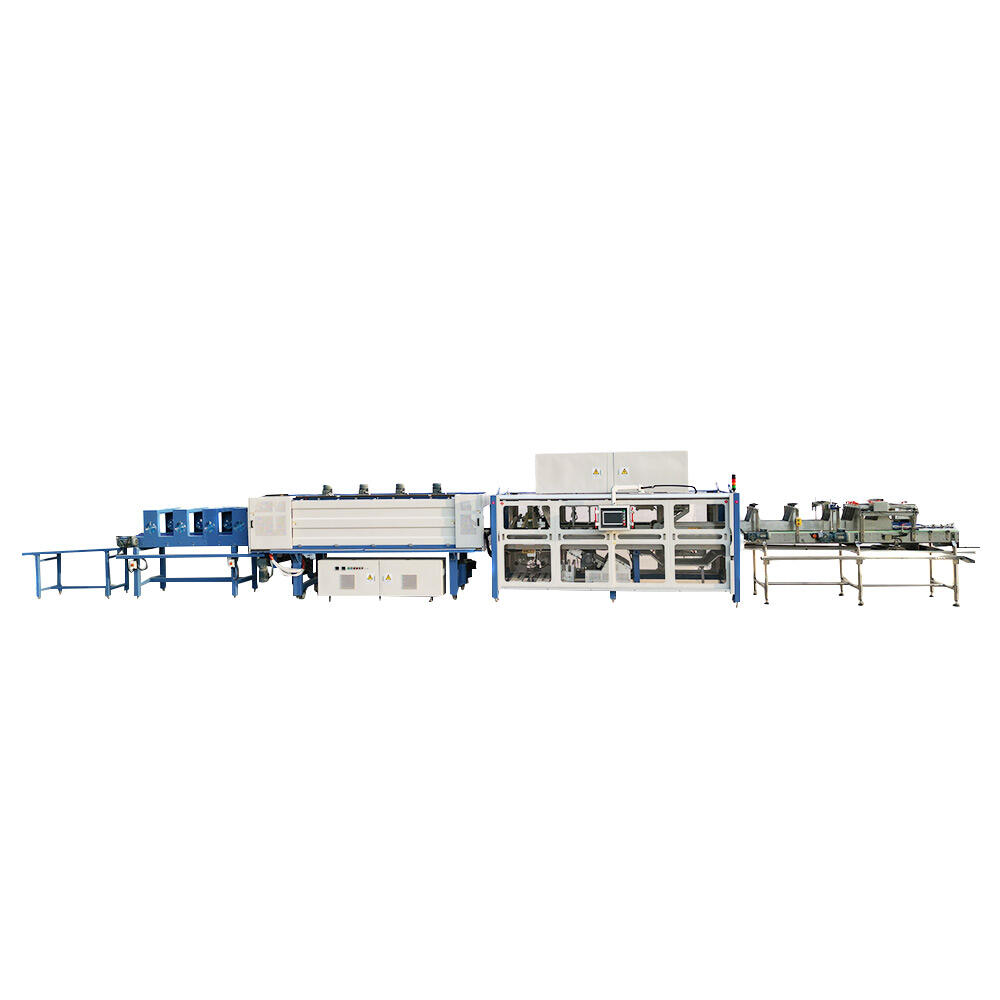
A product conveyor represents an essential mechanical handling system designed to transport materials, goods, and finished products efficiently across manufacturing facilities, warehouses, and distribution centers. This automated transportation solution utilizes continuous moving surfaces, belts, rollers, or chains to move items from one location to another without manual intervention. Modern product conveyor systems incorporate advanced engineering principles that ensure reliable, consistent material flow while reducing labor costs and minimizing handling errors. The fundamental structure typically consists of a frame assembly, drive mechanism, moving surface, and control systems that work together to create seamless material movement. Product conveyor technology has evolved significantly, now featuring variable speed controls, sophisticated sensors, and integration capabilities with warehouse management systems. These systems can handle diverse product types, from small components weighing ounces to heavy industrial materials exceeding several tons. The versatility of product conveyor designs allows customization for specific applications, including straight-line transport, curved paths, inclined movements, and complex routing configurations. Manufacturing industries rely heavily on product conveyor systems for assembly line operations, quality control processes, and packaging procedures. Distribution centers utilize these systems for sorting, routing, and shipping operations that require precise timing and coordination. The technological features of modern product conveyor systems include programmable logic controllers, variable frequency drives, emergency stop mechanisms, and safety guards that ensure operator protection. Advanced models incorporate smart technology that monitors performance metrics, predicts maintenance needs, and optimizes operational efficiency. Product conveyor applications span numerous industries including automotive, food processing, pharmaceutical, electronics, and e-commerce fulfillment. The integration of artificial intelligence and IoT connectivity has transformed traditional product conveyor systems into intelligent material handling solutions that adapt to changing operational demands and provide real-time performance data for continuous improvement initiatives.

New Products

Product conveyor systems deliver substantial operational improvements that directly impact productivity, safety, and cost-effectiveness across various industrial applications. Companies implementing product conveyor technology experience immediate reductions in labor requirements, as automated material handling eliminates the need for manual lifting, carrying, and positioning of goods. This automation significantly reduces workplace injuries related to repetitive strain, back problems, and accidents associated with manual material handling. Product conveyor systems operate continuously without fatigue, breaks, or shifts, providing consistent throughput that manual processes cannot match. The precision and reliability of product conveyor operations minimize product damage during transportation, reducing waste and associated replacement costs. Speed control features allow operators to optimize material flow rates based on production requirements, ensuring efficient coordination between different process stages. Product conveyor systems enhance workflow organization by creating predictable material movement patterns that improve scheduling and planning accuracy. The standardization of material handling processes through product conveyor implementation reduces training time for new employees and eliminates variations in handling techniques that can affect quality. Energy efficiency represents another significant advantage, as modern product conveyor systems consume less power compared to alternative material handling methods like forklifts or manual carts. Maintenance requirements are typically lower than complex machinery, with most product conveyor systems requiring only routine cleaning, lubrication, and periodic component replacement. The modular design of product conveyor systems allows easy expansion or reconfiguration as business needs change, protecting initial investments while accommodating growth. Integration capabilities enable product conveyor systems to communicate with enterprise resource planning software, inventory management systems, and automated sorting equipment. This connectivity provides real-time visibility into material flow, allowing managers to identify bottlenecks, optimize processes, and make data-driven decisions. Quality control benefits include consistent product orientation, reduced contamination risks, and improved traceability throughout the production process. The return on investment for product conveyor systems typically occurs within eighteen months through combined savings in labor costs, reduced injuries, decreased product damage, and improved operational efficiency. Environmental benefits include reduced carbon footprint through energy efficiency and decreased waste generation from improved handling processes.

Latest News

Can Carton Packaging Machines Enhance Branding and Product Safety?

20

Nov

Can Carton Packaging Machines Enhance Branding and Product Safety?

The Evolution of Modern Packaging Technology In today's competitive market, packaging plays a crucial role beyond mere product containment. Carton packaging machines have revolutionized how businesses approach both their branding strategy and product...
View More
The Ultimate Comparison: L-Bar vs. Continuous Motion Shrink Film Packaging Machines

04

Mar

The Ultimate Comparison: L-Bar vs. Continuous Motion Shrink Film Packaging Machines

Modern packaging operations demand efficiency, reliability, and cost-effectiveness when selecting the right equipment for their production lines. The choice between L-bar and continuous motion shrink film packaging systems represents one of the most ...
View More
How a High-Speed Shrink Wrapper Can Reduce Your Material Waste and Costs

04

Mar

How a High-Speed Shrink Wrapper Can Reduce Your Material Waste and Costs

Modern manufacturing and packaging operations face increasing pressure to optimize efficiency while reducing material waste and operational costs. A high-speed shrink wrapper represents a transformative solution that addresses both challenges simulta...
View More
Manual vs. Automatic Shrink Wrappers: Which is the Best Investment for Your Business?

04

Mar

Manual vs. Automatic Shrink Wrappers: Which is the Best Investment for Your Business?

In today's competitive manufacturing landscape, choosing the right packaging solution can significantly impact your operational efficiency and bottom line. When evaluating packaging equipment options, businesses often face a critical decision between...
View More

Get a Free Quote

Our representative will contact you soon.
Company Name
Name
Email
Mobile/WhatsApp
Message
0/1000

product conveyor

Advanced Automation Technology Integration

Advanced Automation Technology Integration

Modern product conveyor systems incorporate cutting-edge automation technology that transforms traditional material handling into intelligent, adaptive operations capable of responding to dynamic production requirements. The integration of programmable logic controllers enables precise control over conveyor speed, direction, and routing decisions based on real-time production data and predetermined operational parameters. Smart sensors embedded throughout the product conveyor system continuously monitor material flow, detect potential blockages, and automatically adjust operations to maintain optimal throughput. Variable frequency drives provide smooth acceleration and deceleration, reducing mechanical stress on both the product conveyor components and transported materials while minimizing energy consumption during operation. Advanced product conveyor systems feature integrated vision systems that identify products, verify proper placement, and trigger downstream processes automatically without human intervention. Machine learning algorithms analyze historical performance data to predict maintenance needs, optimize energy usage, and recommend operational improvements that enhance overall system efficiency. The connectivity features of modern product conveyor systems enable seamless integration with warehouse management systems, enterprise resource planning software, and manufacturing execution systems, creating a comprehensive material handling ecosystem. Remote monitoring capabilities allow facility managers to oversee product conveyor operations from centralized control rooms or mobile devices, providing immediate alerts for any operational anomalies or maintenance requirements. Artificial intelligence applications within product conveyor systems enable predictive analytics that anticipate demand fluctuations, optimize routing decisions, and automatically adjust capacity to match production schedules. The sophisticated control systems can coordinate multiple product conveyor lines simultaneously, ensuring synchronized material flow across complex manufacturing or distribution operations. Safety integration features include automatic emergency stops, personnel detection systems, and fail-safe mechanisms that protect both operators and equipment during unexpected situations. These advanced automation capabilities position product conveyor systems as fundamental components of Industry 4.0 initiatives, enabling smart factories and distribution centers that adapt autonomously to changing operational demands while maximizing efficiency and minimizing human intervention requirements.
Exceptional Durability and Reliability Engineering

Exceptional Durability and Reliability Engineering

Product conveyor systems are engineered with exceptional durability standards that ensure continuous operation under demanding industrial conditions while minimizing downtime and maintenance costs. The structural framework utilizes high-grade steel construction with corrosion-resistant coatings that withstand harsh environmental conditions including temperature extremes, humidity, chemical exposure, and abrasive materials. Premium bearing systems within product conveyor drive mechanisms are designed for extended service life, featuring sealed construction that prevents contamination while reducing lubrication requirements and maintenance frequency. The modular component design of product conveyor systems enables easy replacement of individual sections or parts without disrupting entire system operations, significantly reducing repair time and associated production losses. Rigorous quality control processes during manufacturing ensure that every product conveyor component meets strict performance standards and dimensional tolerances that guarantee reliable operation throughout extended service periods. Advanced materials used in product conveyor construction include high-strength polymers, stainless steel, and specialized alloys selected specifically for their resistance to wear, corrosion, and impact damage in industrial environments. The drive systems incorporate redundancy features that prevent complete system failure, with backup motors and control systems that automatically engage if primary components experience problems. Comprehensive testing protocols validate product conveyor performance under various load conditions, operating speeds, and environmental stresses before installation, ensuring reliable operation from the first day of service. Preventive maintenance programs developed specifically for product conveyor systems help identify potential issues before they cause failures, extending component life and maintaining optimal performance levels. The robust construction standards enable product conveyor systems to operate continuously for years with minimal intervention, providing consistent material handling performance that supports uninterrupted production schedules. Quality assurance programs monitor product conveyor manufacturing processes to ensure consistent component quality and adherence to engineering specifications that guarantee long-term reliability. Field service support networks provide rapid response for maintenance needs, technical assistance, and emergency repairs that minimize operational disruptions and maintain productive capacity throughout the product conveyor system's operational life.
Versatile Application Adaptability Across Industries

Versatile Application Adaptability Across Industries

Product conveyor systems demonstrate remarkable versatility through their ability to adapt to diverse industrial applications while maintaining optimal performance characteristics across different operational environments and material handling requirements. The modular design philosophy enables product conveyor configurations that accommodate specific facility layouts, including straight runs, curves, inclines, declines, and complex multi-level routing systems that optimize space utilization. Customizable conveyor belt materials range from food-grade surfaces suitable for pharmaceutical and food processing applications to heavy-duty rubber compounds designed for mining and construction industries. Variable width options allow product conveyor systems to handle materials ranging from small electronic components to large automotive assemblies, with adjustable side guides and containment systems that prevent product displacement during transport. Speed variability features enable product conveyor systems to operate at rates appropriate for different materials and processes, from delicate glass handling requiring slow, smooth movement to high-volume package sorting demanding rapid throughput. The adaptability extends to environmental conditions, with product conveyor systems available in configurations suitable for cleanroom environments, outdoor installations, high-temperature applications, and corrosive atmospheres. Integration flexibility allows product conveyor systems to interface with existing equipment including robotic systems, automated sorting machinery, packaging equipment, and quality inspection stations. Specialized product conveyor variants accommodate unique material characteristics such as magnetic separation for metal components, antistatic surfaces for electronic assemblies, and washdown construction for sanitary applications. Load capacity options range from lightweight product conveyor systems handling small parts to heavy-duty installations capable of transporting materials weighing several tons without compromising performance or safety. The control system adaptability enables product conveyor integration with various communication protocols, allowing seamless connectivity with different manufacturing execution systems and facility automation networks. Custom engineering services provide tailored product conveyor solutions that address specific operational challenges, ensuring optimal performance in unique applications that standard configurations cannot accommodate. This exceptional adaptability makes product conveyor systems suitable for industries including automotive manufacturing, food processing, pharmaceutical production, electronics assembly, logistics and distribution, mining operations, and countless specialized applications requiring reliable automated material handling solutions.
Product Conveyor Systems: Advanced Automated Material Handling Solutions for Industrial Applications

Get a Free Quote

Our representative will contact you soon.
Company Name
Name
Email
Mobile/WhatsApp
Message
0/1000