Industrial Palletizer Solutions: Advanced Automated Palletizing Systems for Warehouse Efficiency

All Categories

industrial palletizer

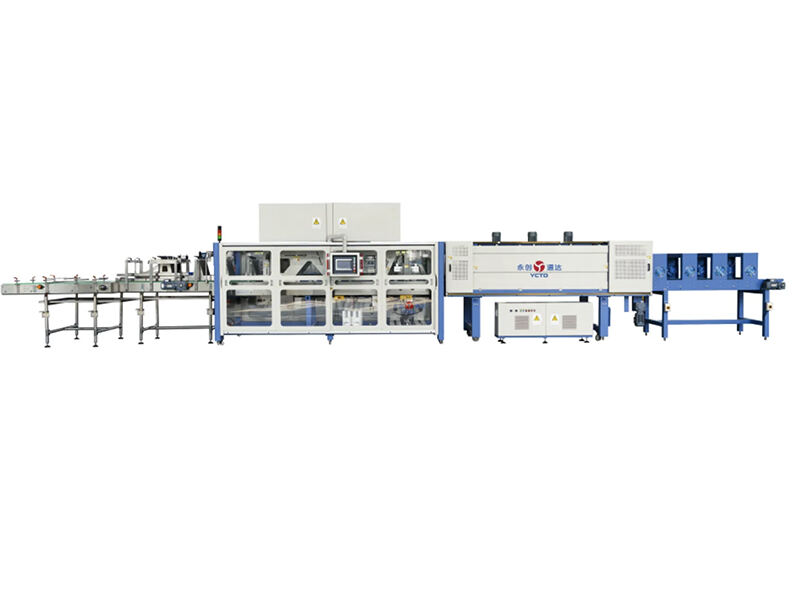
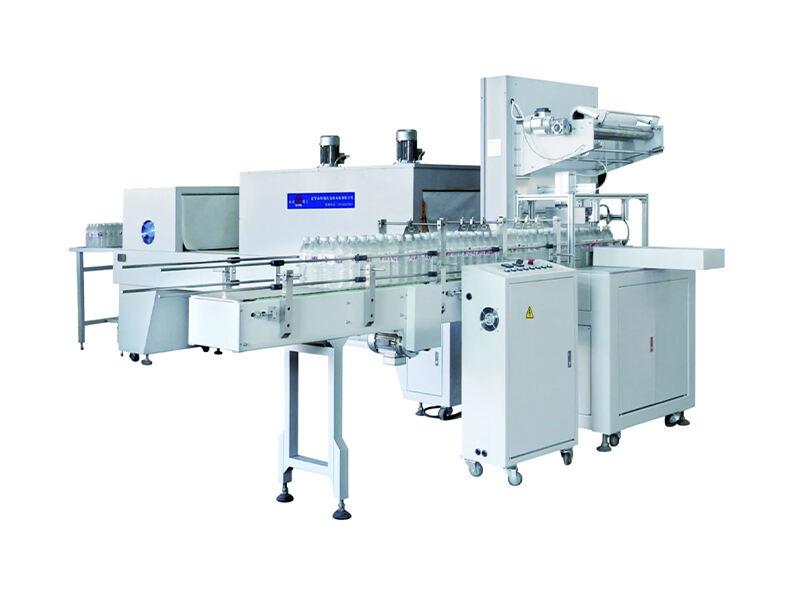
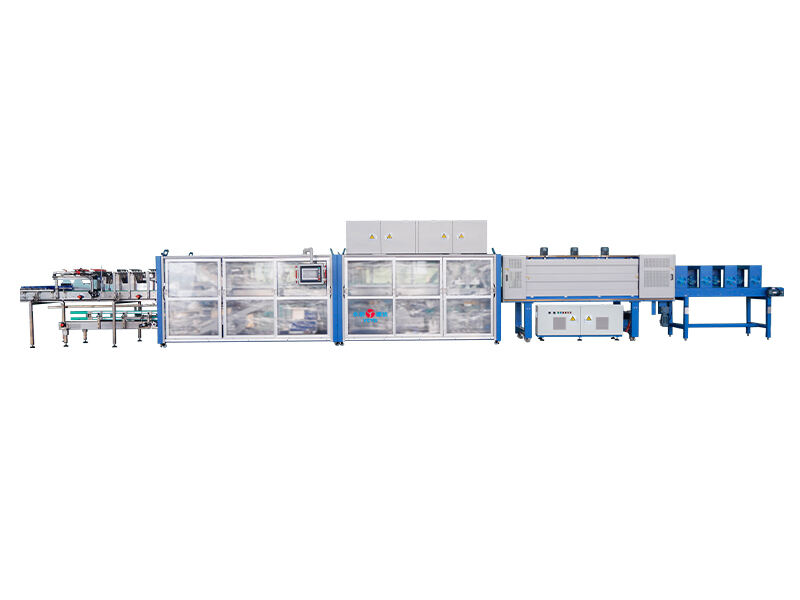
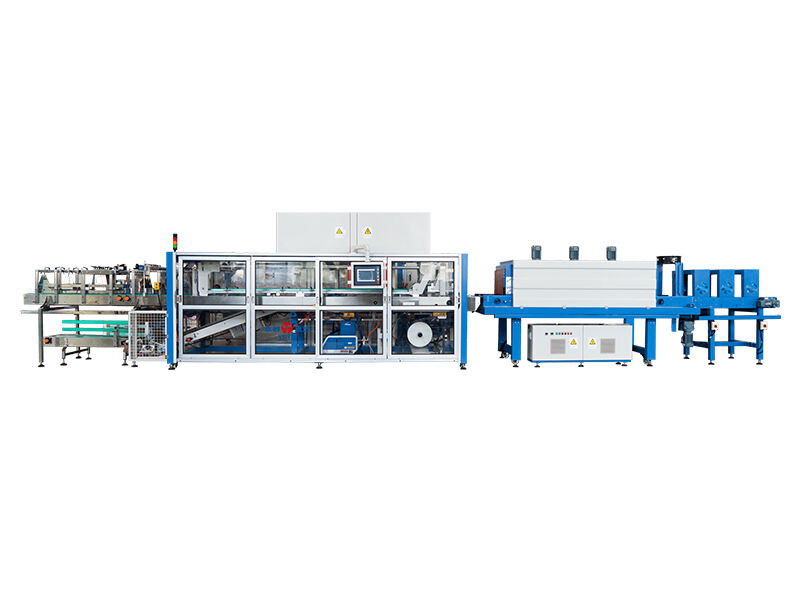
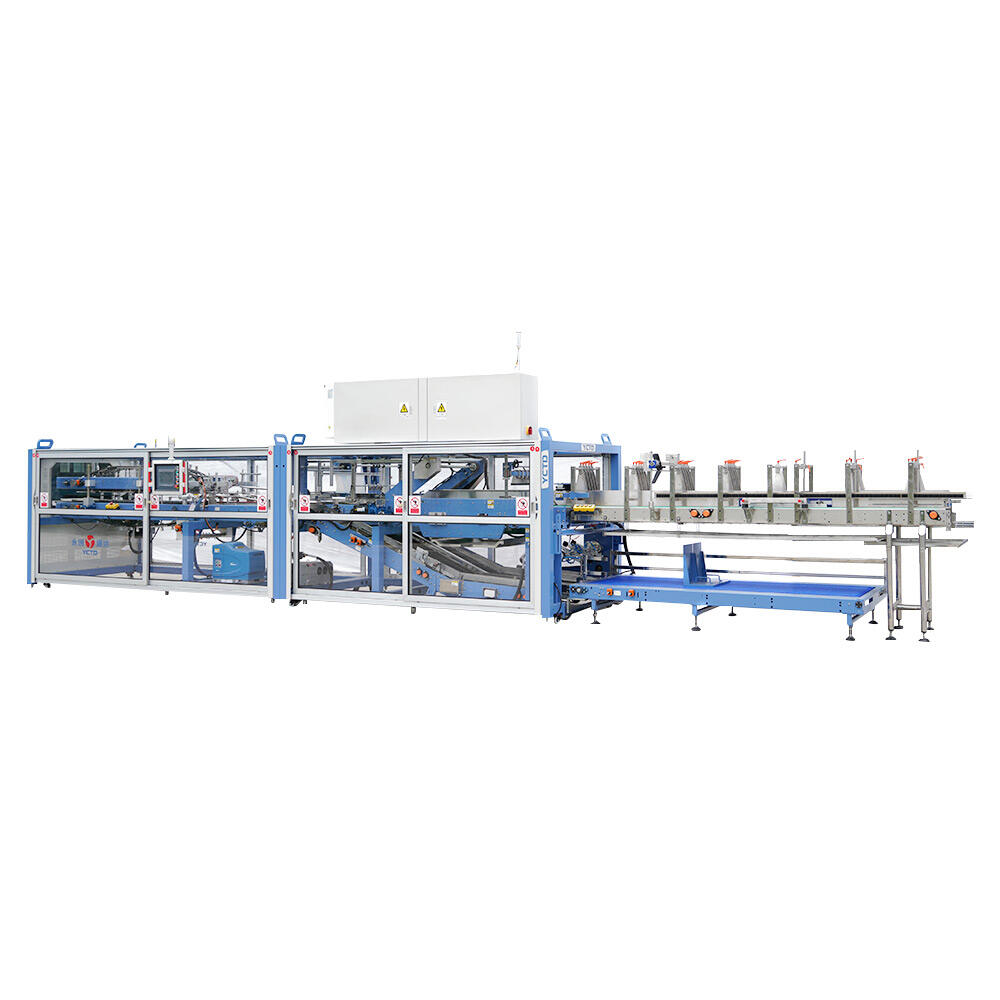
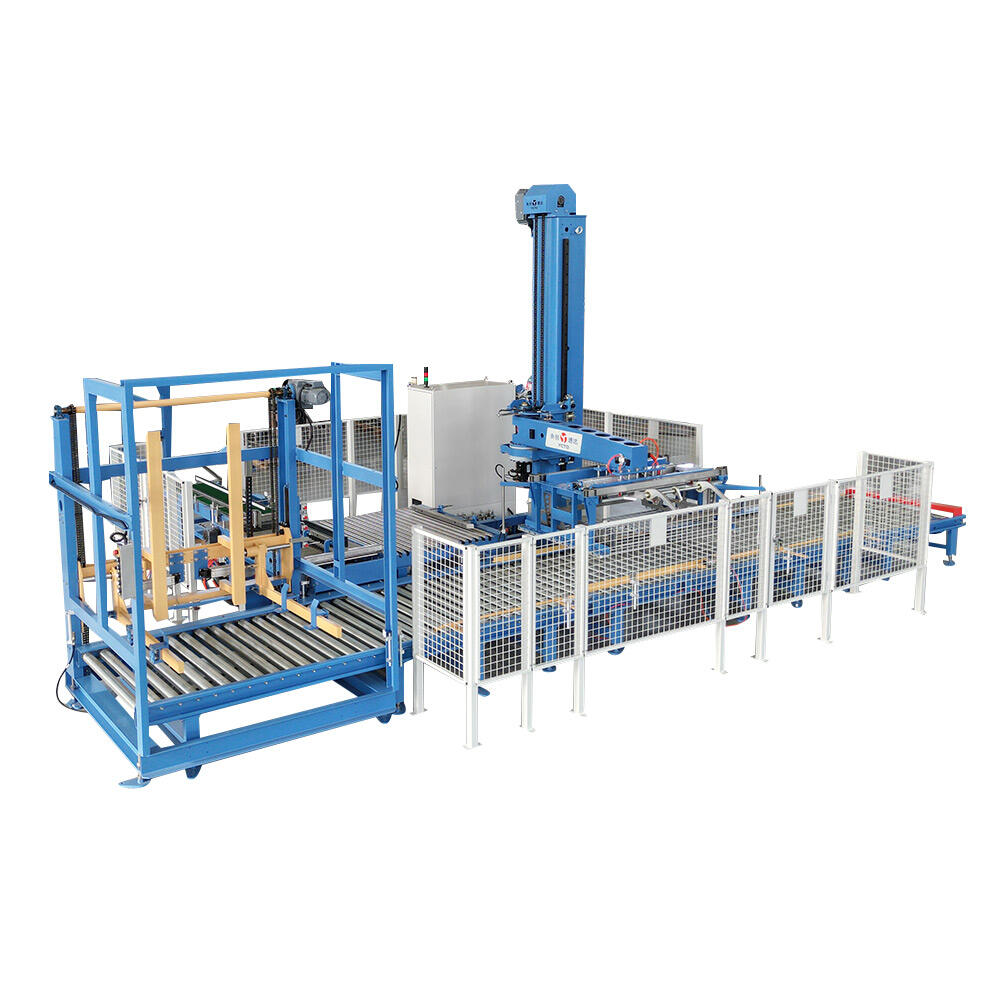
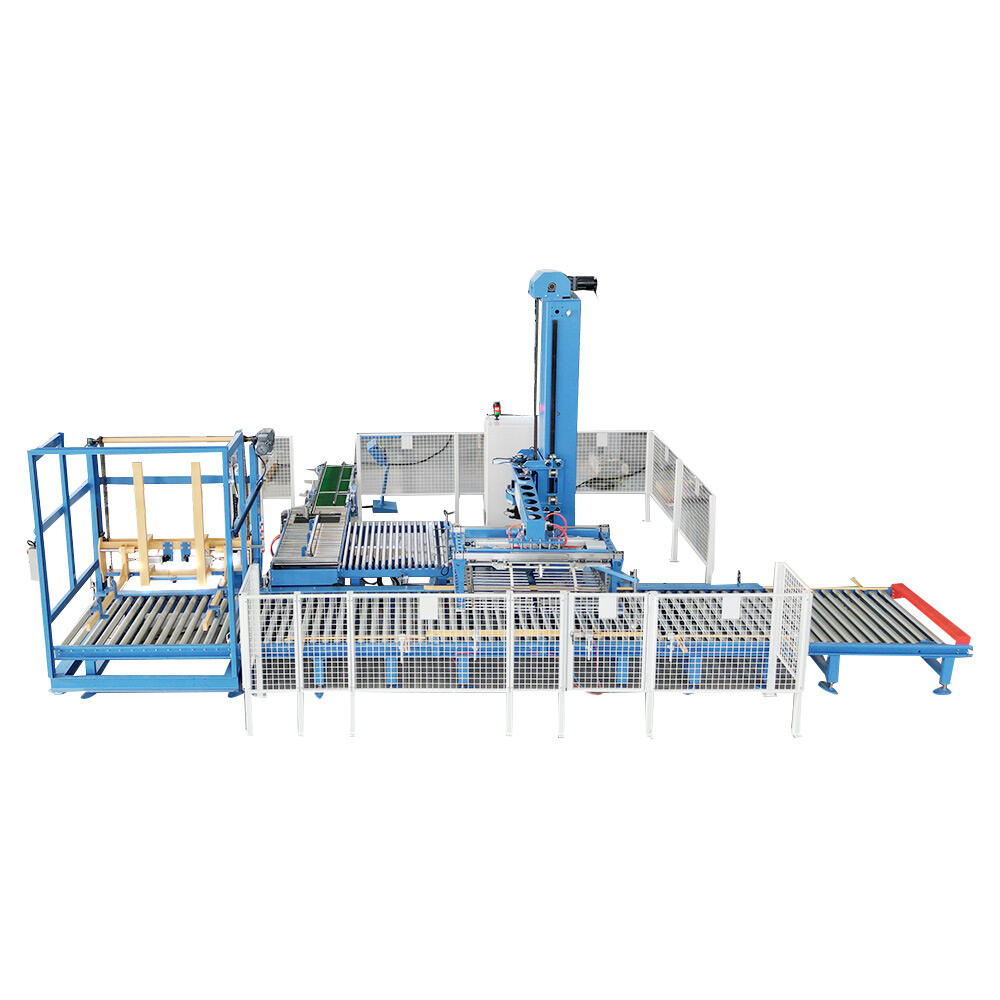
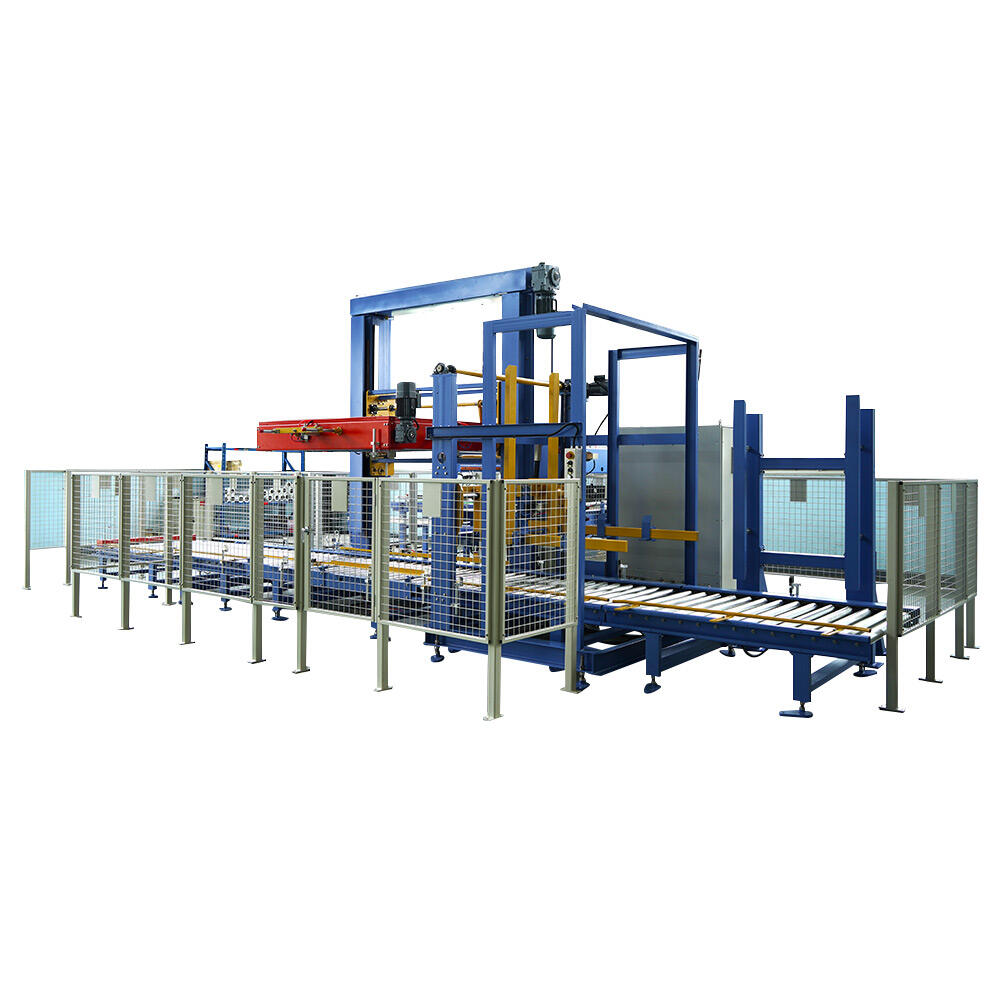
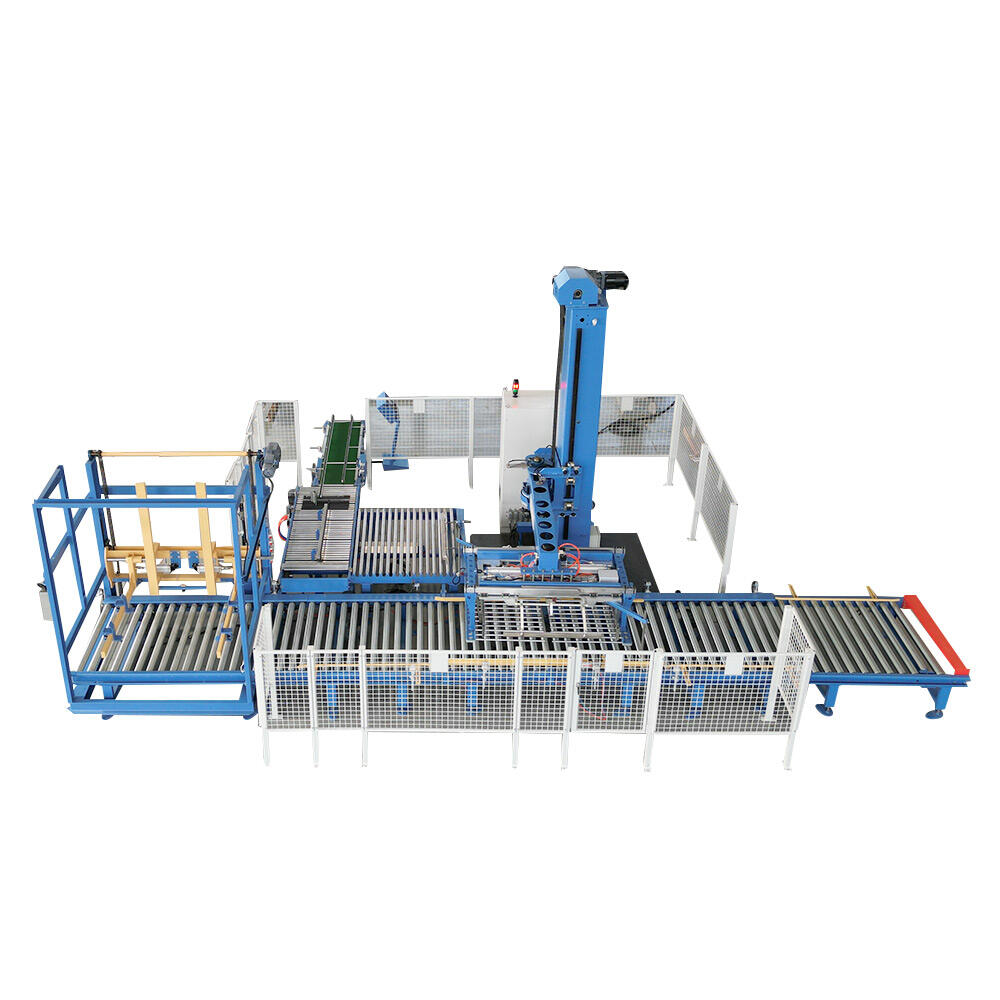
An industrial palletizer represents a sophisticated automated system designed to streamline warehouse operations by systematically arranging products onto pallets for storage and transportation. This robotic equipment serves as a critical component in modern manufacturing and distribution facilities, transforming manual labor-intensive processes into efficient automated workflows. The industrial palletizer operates through precise mechanical movements, utilizing advanced sensors and programmable logic controllers to position items according to predetermined patterns and specifications. These systems accommodate various product types, from boxes and bags to containers and irregular-shaped items, making them versatile solutions for diverse industries. The core functionality revolves around picking products from conveyor lines and methodically stacking them onto wooden or plastic pallets in stable configurations. Advanced industrial palletizer models incorporate vision systems that identify product dimensions and orientations, ensuring optimal placement and load stability. The technological architecture includes servo-driven actuators, pneumatic grippers, and sophisticated software algorithms that calculate optimal stacking patterns while considering weight distribution and structural integrity. Modern systems feature human-machine interfaces that allow operators to configure parameters, monitor performance metrics, and adjust operations without extensive technical expertise. Safety mechanisms including emergency stops, light curtains, and protective barriers ensure secure operation alongside human workers. The industrial palletizer integrates seamlessly with existing warehouse management systems, providing real-time data on throughput rates, error frequencies, and maintenance requirements. These machines operate continuously with minimal supervision, significantly reducing labor costs while maintaining consistent quality standards. Integration capabilities extend to enterprise resource planning systems, enabling synchronized operations across entire supply chain networks. The equipment supports multiple pallet sizes and can switch between different product lines with minimal downtime, providing operational flexibility that adapts to changing production demands and market requirements in dynamic business environments.

New Product Recommendations

Industrial palletizer systems deliver substantial operational improvements that directly impact business profitability and efficiency metrics. Companies implementing these automated solutions typically experience productivity increases of 200-300 percent compared to manual palletizing operations, allowing facilities to handle higher volumes without proportional increases in labor costs. The consistency provided by industrial palletizer equipment eliminates human error variables, resulting in uniform pallet loads that maximize transportation efficiency and reduce product damage during shipping processes. Labor cost reduction represents one of the most significant financial benefits, as a single industrial palletizer can replace multiple workers while operating continuously for extended periods without breaks or shift changes. This automation allows companies to redeploy human resources to higher-value tasks requiring problem-solving skills and quality control oversight. Safety improvements occur naturally when implementing industrial palletizer systems, as workers no longer perform repetitive lifting motions that contribute to workplace injuries and workers' compensation claims. The equipment operates with mathematical precision, creating stable pallet configurations that minimize load shifting during transport, reducing insurance costs and customer complaints related to damaged goods. Operational flexibility increases dramatically with programmable industrial palletizer systems that adapt to different product specifications without requiring physical modifications or extensive reconfiguration time. These machines maintain consistent performance regardless of environmental conditions, seasonal demand fluctuations, or staffing challenges that traditionally disrupt manual operations. Quality control improves through standardized processes that ensure every pallet meets predetermined specifications for weight distribution, height limits, and stability requirements. The industrial palletizer generates valuable operational data that enables managers to optimize production schedules, identify bottlenecks, and predict maintenance requirements before equipment failures occur. Integration with existing warehouse systems creates seamless information flow that enhances inventory accuracy and reduces administrative overhead associated with manual tracking systems. Return on investment typically occurs within 12-24 months due to combined savings from labor reduction, increased throughput, and improved operational efficiency. Long-term benefits include reduced training costs for new employees, lower insurance premiums due to improved safety records, and enhanced customer satisfaction through consistent product delivery quality. The scalability of industrial palletizer installations allows businesses to expand operations without proportional increases in labor requirements, supporting sustainable growth strategies.

Practical Tips

How Carton Packaging Machines Improve Speed and Consistency?

20

Nov

How Carton Packaging Machines Improve Speed and Consistency?

The Evolution of Modern Packaging Automation The packaging industry has undergone a remarkable transformation with the introduction of carton packaging machines. These sophisticated pieces of equipment have revolutionized how manufacturers handle the...
View More
Why Choose a Palletizer for Automated Packaging Solutions?

19

Dec

Why Choose a Palletizer for Automated Packaging Solutions?

Modern manufacturing facilities face increasing pressure to optimize their packaging operations while maintaining product quality and reducing labor costs. A palletizer represents a transformative solution that addresses these challenges by automatin...
View More
Top 5 Best Shrink Wrappers for Small Businesses in 2026

04

Feb

Top 5 Best Shrink Wrappers for Small Businesses in 2026

Small businesses seeking efficient packaging solutions often turn to shrink wrapping technology to protect their products while maintaining professional presentation. The right shrink wrapper can transform your packaging process, reducing labor costs...
View More
How a High-Speed Shrink Wrapper Can Reduce Your Material Waste and Costs

04

Mar

How a High-Speed Shrink Wrapper Can Reduce Your Material Waste and Costs

Modern manufacturing and packaging operations face increasing pressure to optimize efficiency while reducing material waste and operational costs. A high-speed shrink wrapper represents a transformative solution that addresses both challenges simulta...
View More

Get a Free Quote

Our representative will contact you soon.
Company Name
Name
Email
Mobile/WhatsApp
Message
0/1000

industrial palletizer

Advanced Robotic Precision and Adaptive Intelligence

Advanced Robotic Precision and Adaptive Intelligence

The industrial palletizer incorporates cutting-edge robotic technology that delivers unmatched precision in product handling and placement operations. This sophisticated system utilizes multiple axis servo motors and high-resolution encoders to achieve positioning accuracy within millimeters, ensuring consistent pallet configurations that maximize stability and transportation efficiency. The adaptive intelligence built into modern industrial palletizer systems enables real-time decision-making based on product characteristics, environmental conditions, and operational parameters. Vision systems equipped with advanced cameras and image processing algorithms automatically detect product dimensions, orientations, and surface conditions, allowing the industrial palletizer to adjust grip pressure and placement strategies for optimal results. Machine learning capabilities enable the system to continuously improve performance by analyzing historical data patterns and identifying optimization opportunities for different product types and configurations. The industrial palletizer responds dynamically to variations in product flow, automatically adjusting cycle times and movement patterns to maintain consistent throughput regardless of upstream production fluctuations. Force feedback sensors provide tactile information that prevents product damage while ensuring secure grip during handling operations, particularly important for fragile or irregularly shaped items. The programmable logic controllers governing industrial palletizer operations support complex decision trees that account for multiple variables simultaneously, including weight distribution calculations, stack height optimization, and load center adjustments. Emergency response protocols built into the control system enable immediate shutdown procedures when anomalies are detected, protecting both equipment and products from potential damage. The industrial palletizer maintains operational logs that track performance metrics, error frequencies, and maintenance indicators, providing valuable insights for continuous improvement initiatives. Integration with enterprise systems allows the industrial palletizer to receive real-time production schedules and automatically adjust configurations for different product runs without manual intervention. This technological sophistication translates into measurable business benefits including reduced waste, improved customer satisfaction through consistent quality, and enhanced operational flexibility that supports rapid response to market demands and seasonal fluctuations in production requirements.
Exceptional Operational Efficiency and Cost Reduction

Exceptional Operational Efficiency and Cost Reduction

Industrial palletizer systems revolutionize warehouse operations by delivering exceptional efficiency gains that directly translate into significant cost reductions across multiple operational categories. The automated nature of industrial palletizer equipment enables continuous operation for extended periods, typically achieving 95-98 percent uptime when properly maintained, compared to human operators who require breaks, shift changes, and are subject to fatigue-related performance variations. Cycle time optimization inherent in industrial palletizer design allows for consistent processing speeds that often exceed manual capabilities by 300-400 percent, enabling facilities to handle increased throughput without expanding physical footprint or adding personnel. The precision engineering of industrial palletizer systems eliminates wasted motion and optimizes path planning, reducing energy consumption while maximizing productive output per operating hour. Labor cost savings represent the most immediate financial impact, as industrial palletizer installations typically eliminate 3-5 full-time positions per unit while providing superior consistency and reliability compared to manual operations. The reduced dependency on human labor shields operations from wage inflation, benefits cost increases, and staffing challenges that plague labor-intensive industries. Maintenance requirements for industrial palletizer equipment remain predictable and manageable, with scheduled service intervals that minimize unexpected downtime and allow for proactive replacement of wear components. The standardized processes executed by industrial palletizer systems reduce training costs for supervisory personnel while eliminating the ongoing expense of recruiting, hiring, and training manual palletizing workers. Quality improvements achieved through industrial palletizer consistency reduce rework costs, customer returns, and warranty claims associated with improperly loaded shipments. The data collection capabilities of modern industrial palletizer systems provide visibility into operational efficiency metrics that enable continuous improvement initiatives and informed decision-making regarding process optimization. Integration flexibility allows industrial palletizer equipment to adapt to changing business requirements without significant additional investment, protecting the initial capital expenditure while supporting business growth and diversification strategies. The cumulative effect of these efficiency improvements typically generates return on investment within 18-30 months, with ongoing operational savings continuing throughout the equipment lifecycle, making industrial palletizer systems one of the most financially attractive automation investments available to modern distribution and manufacturing facilities.
Superior Integration Capabilities and Future-Ready Technology

Superior Integration Capabilities and Future-Ready Technology

Modern industrial palletizer systems excel in their ability to integrate seamlessly with existing warehouse infrastructure and emerging technologies, providing a future-ready platform that adapts to evolving business requirements and technological advances. The sophisticated communication protocols built into industrial palletizer control systems support multiple industry-standard interfaces including Ethernet/IP, Modbus TCP, and OPC-UA, enabling effortless integration with warehouse management systems, enterprise resource planning platforms, and manufacturing execution systems. This connectivity allows industrial palletizer equipment to receive real-time production schedules, inventory updates, and quality control parameters, automatically adjusting operations to maintain synchronization with upstream and downstream processes. The modular design philosophy underlying industrial palletizer architecture enables scalable implementations that grow with business requirements, supporting everything from single-line installations to complex multi-zone systems handling diverse product portfolios simultaneously. Cloud connectivity features in advanced industrial palletizer systems enable remote monitoring, predictive maintenance, and performance optimization through data analytics platforms that identify trends and recommend operational improvements. The industrial palletizer serves as a central hub for operational data collection, generating valuable insights into throughput patterns, quality metrics, and equipment performance that inform strategic decision-making and continuous improvement initiatives. Cybersecurity measures integrated into industrial palletizer control systems protect against unauthorized access while maintaining the connectivity required for modern Industry 4.0 implementations. The flexibility of industrial palletizer programming allows for rapid reconfiguration to accommodate new product lines, packaging formats, or pallet specifications without requiring physical modifications or extended downtime periods. Artificial intelligence capabilities being incorporated into next-generation industrial palletizer systems enable autonomous optimization of stacking patterns, predictive maintenance scheduling, and adaptive response to changing operational conditions. The industrial palletizer platform supports integration with automated guided vehicles, conveyor systems, and robotic picking solutions, creating comprehensive automated material handling ecosystems that minimize human intervention while maximizing operational efficiency. Future upgrade paths built into industrial palletizer designs ensure that initial investments remain valuable as technology advances, with software updates and hardware enhancements extending equipment lifecycles and improving performance over time. This forward-thinking approach to industrial palletizer development protects capital investments while positioning businesses to capitalize on emerging technologies and operational methodologies that drive competitive advantage in increasingly automated industrial environments.

Industrial Palletizer Solutions: Advanced Automated Palletizing Systems for Warehouse Efficiency

Get a Free Quote

Our representative will contact you soon.
Company Name
Name
Email
Mobile/WhatsApp
Message
0/1000