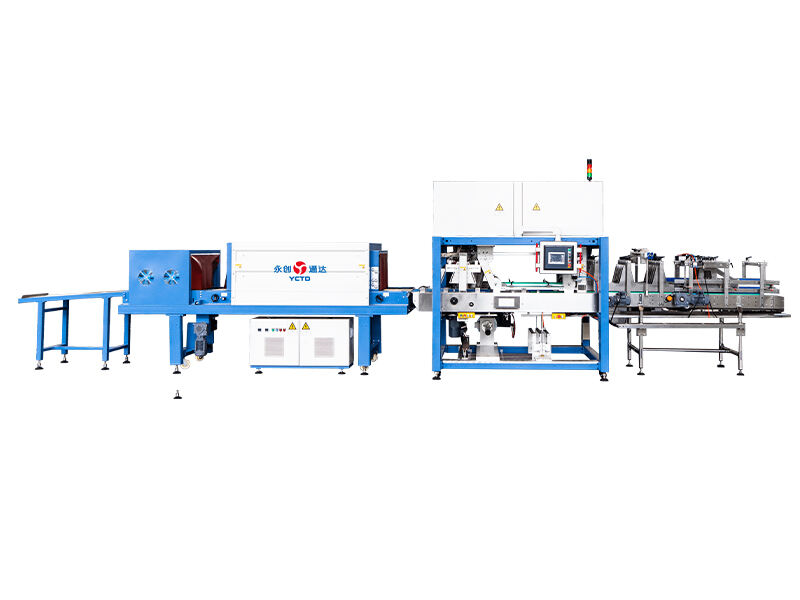
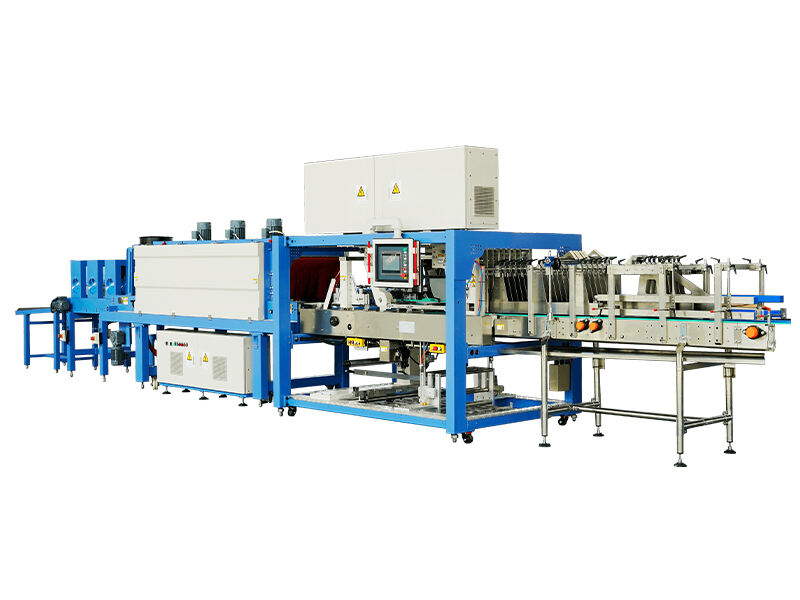
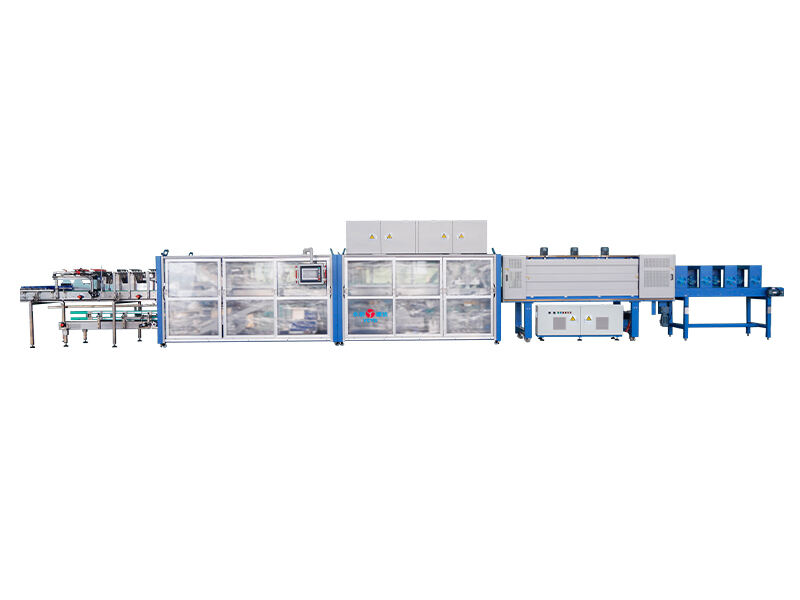
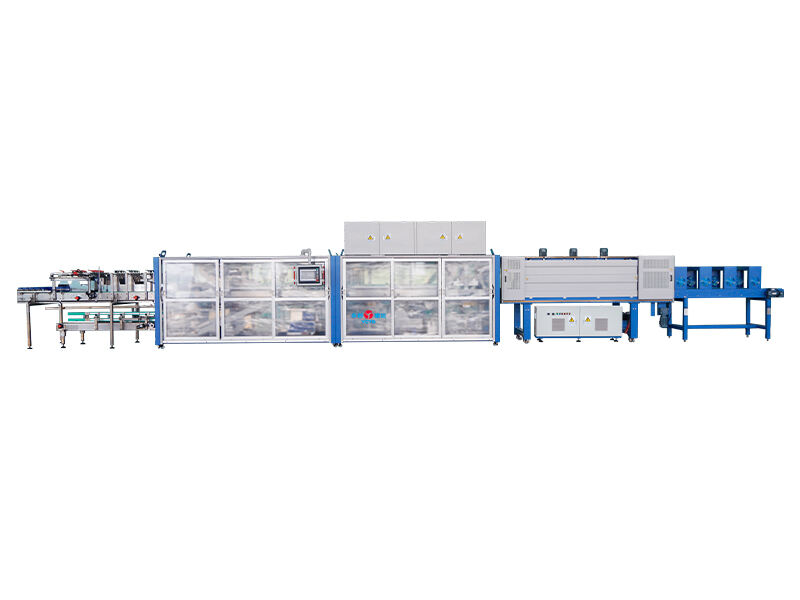
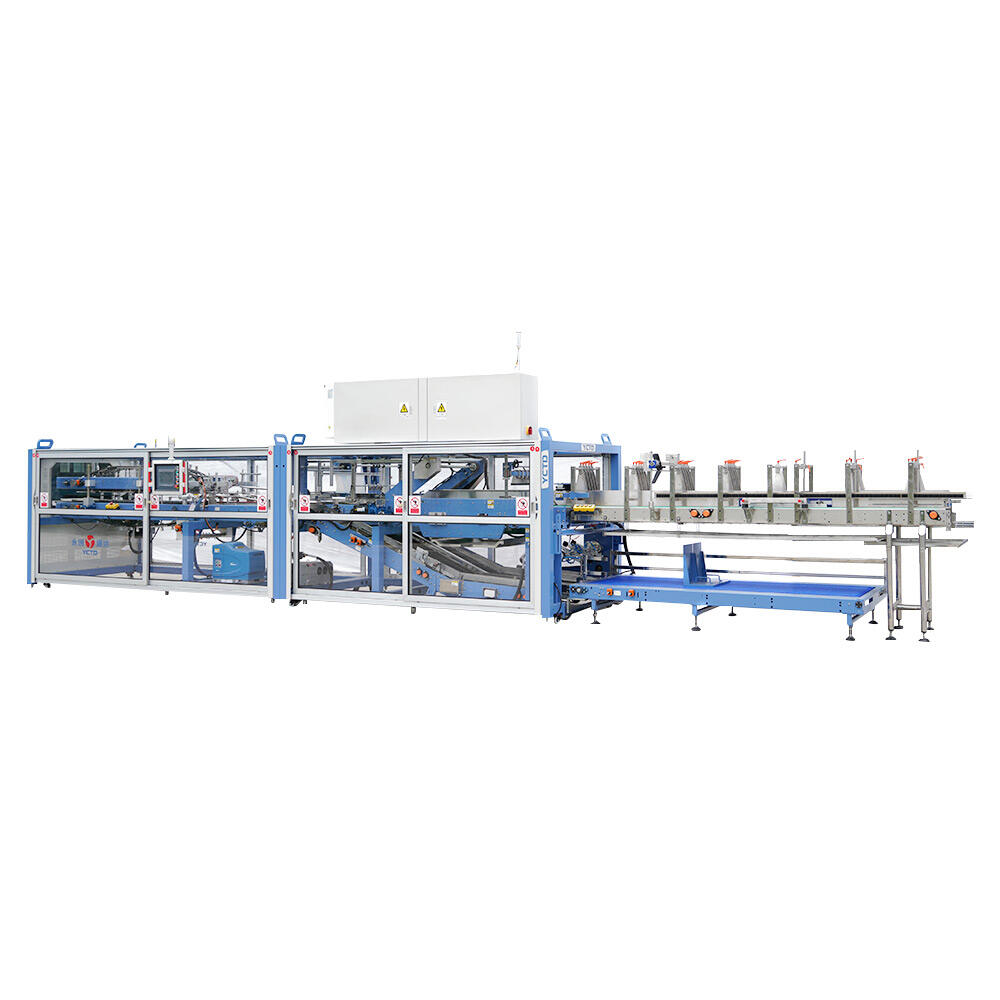
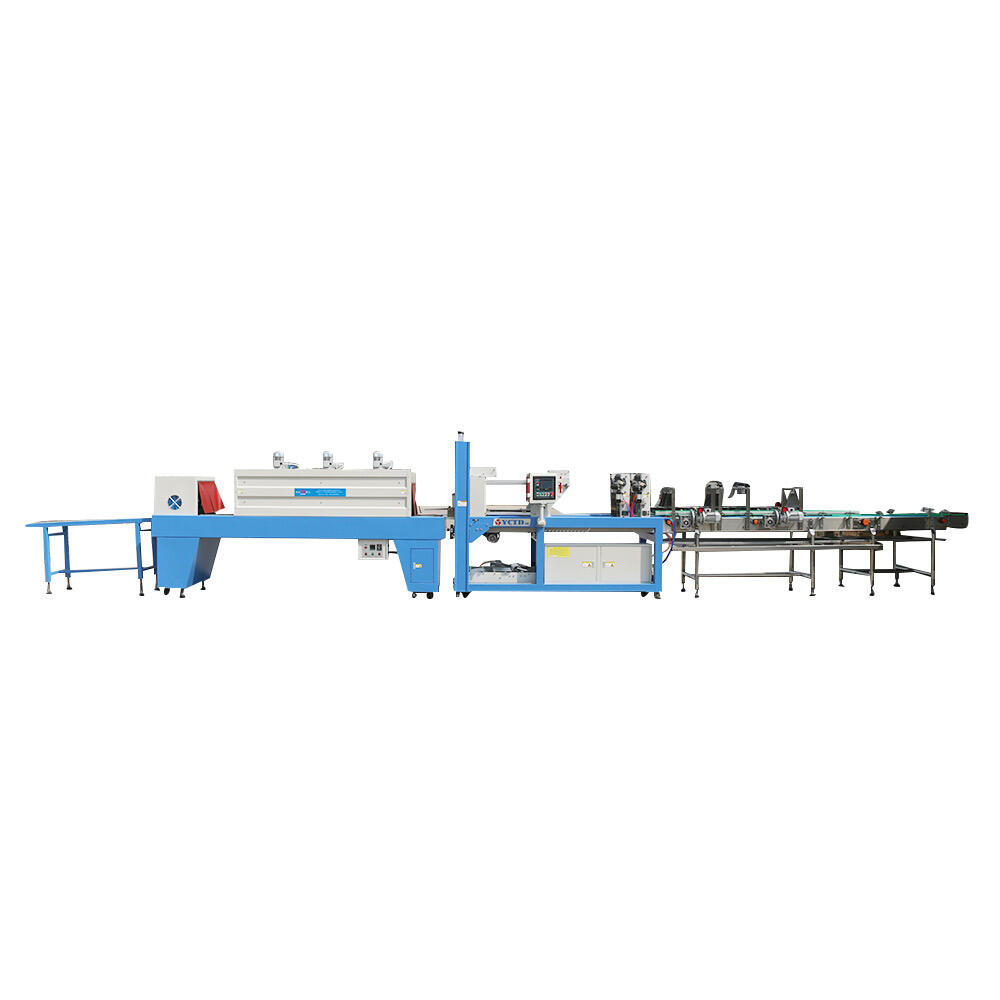
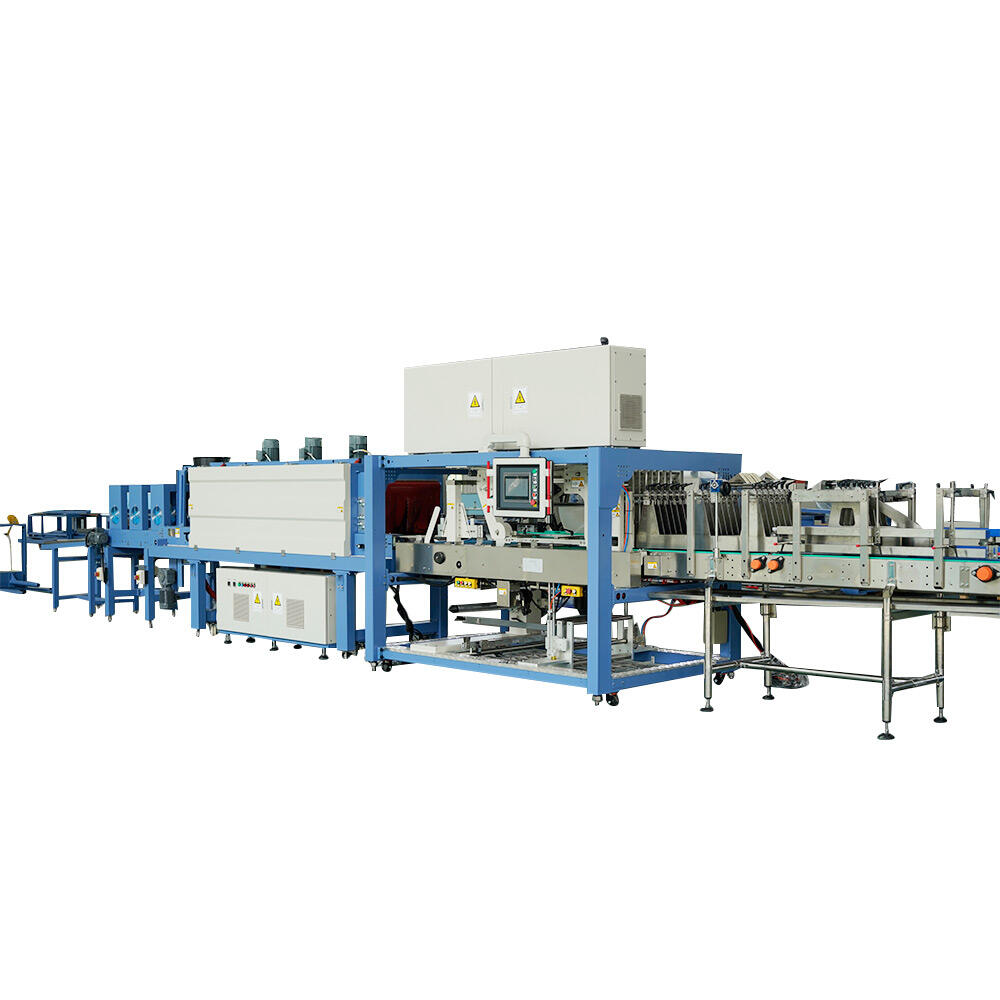
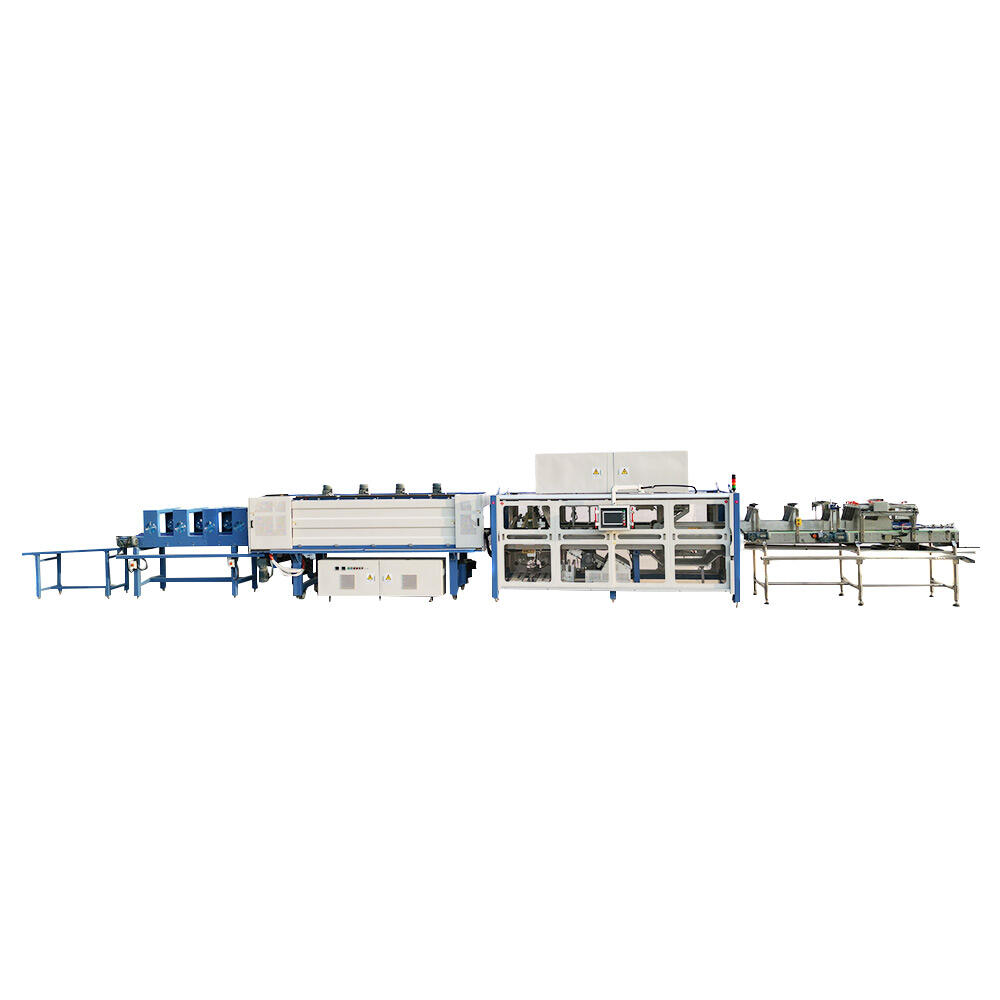
Automated Palletizing Equipment Solutions - Advanced Robotic Systems for Efficient Material Handling

All Categories

automated palletizing equipment

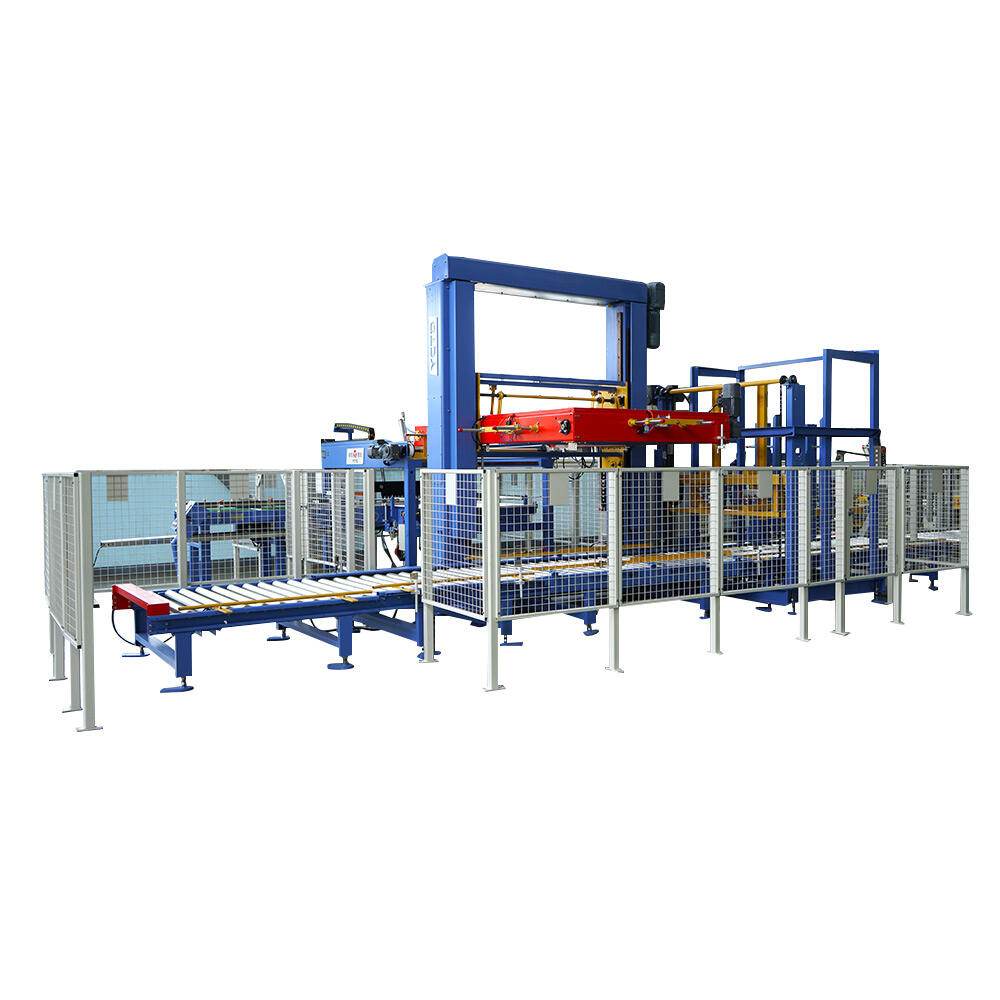
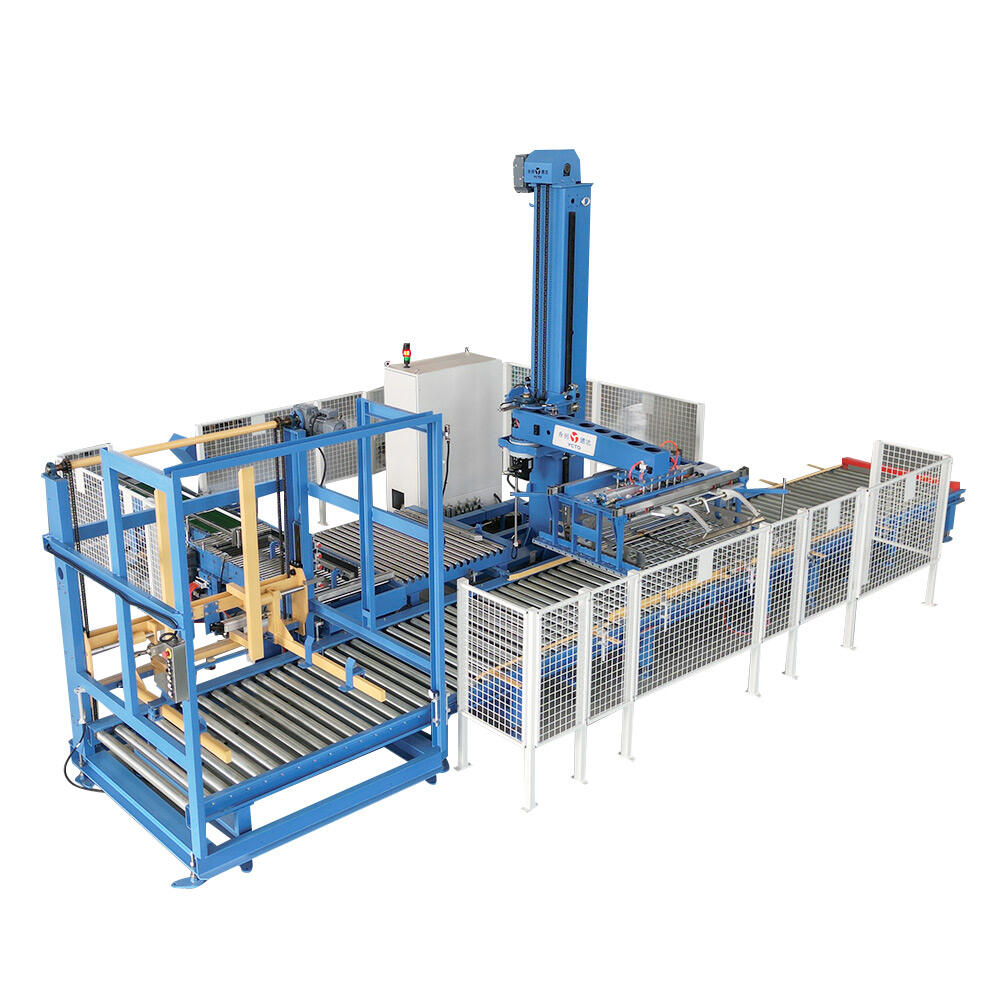
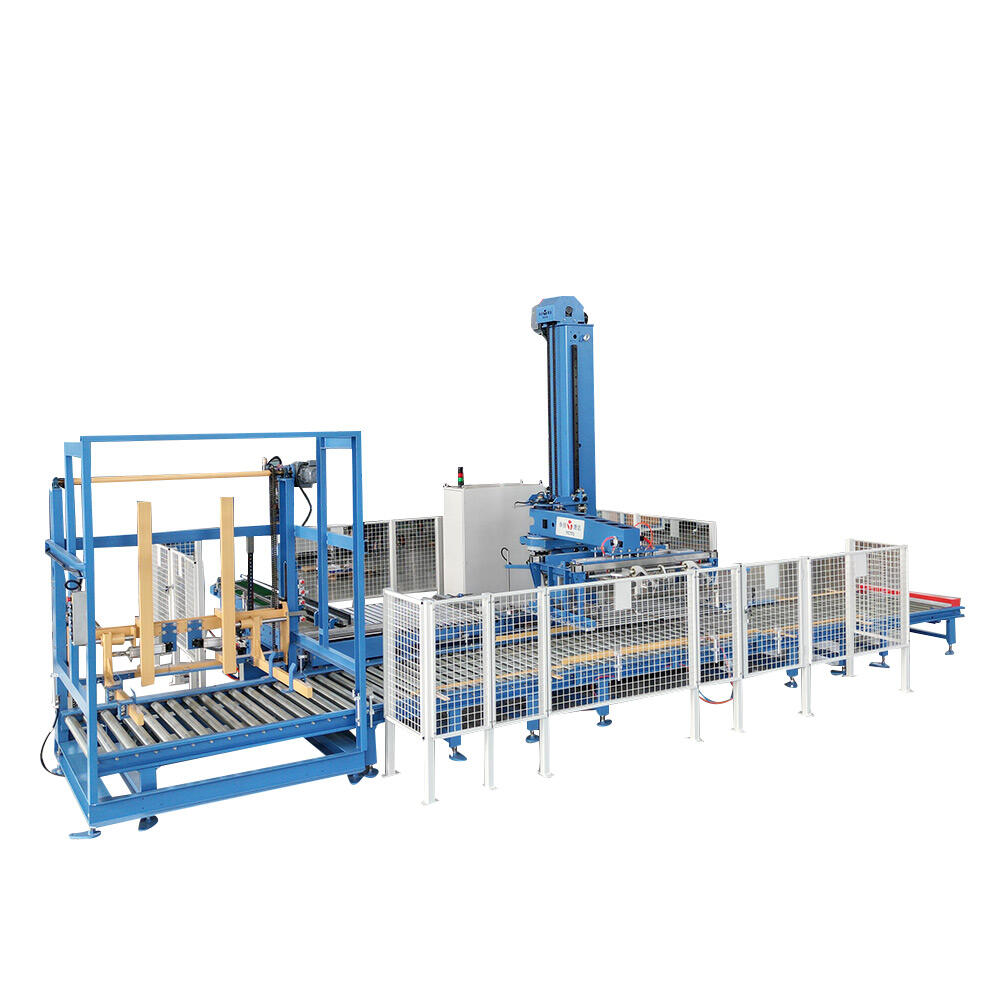
Automated palletizing equipment represents a revolutionary advancement in warehouse and manufacturing operations, designed to streamline the process of stacking products onto pallets without human intervention. This sophisticated machinery combines robotic technology, advanced sensors, and intelligent software systems to create efficient, reliable, and precise palletizing solutions. The primary function of automated palletizing equipment involves the systematic arrangement of products, boxes, bags, or containers onto pallets according to predetermined patterns and specifications. These systems can handle various product types, from lightweight consumer goods to heavy industrial materials, adapting to different shapes, sizes, and weights with remarkable versatility. The technological features of modern automated palletizing equipment include high-speed robotic arms equipped with specialized grippers or end-of-arm tooling, vision systems for product recognition and positioning, programmable logic controllers for precise movement coordination, and safety systems that ensure operator protection. These machines integrate seamlessly with existing conveyor systems, warehouse management software, and enterprise resource planning platforms, creating a cohesive automated workflow. The equipment typically features user-friendly interfaces that allow operators to easily program different palletizing patterns, adjust speed settings, and monitor system performance in real-time. Applications for automated palletizing equipment span across numerous industries, including food and beverage processing, pharmaceuticals, consumer goods manufacturing, automotive parts, chemical processing, and e-commerce fulfillment centers. In the food industry, these systems handle everything from beverage cases to frozen products, maintaining hygiene standards while ensuring consistent stacking patterns. Pharmaceutical companies utilize automated palletizing equipment to manage sensitive products with precision while maintaining strict quality control requirements. Manufacturing facilities employ these systems to handle finished goods, raw materials, and work-in-progress items, significantly improving throughput and reducing labor costs. The versatility of automated palletizing equipment makes it an essential component in modern supply chain operations, where efficiency, accuracy, and consistency are paramount to business success.


New Product Releases

Automated palletizing equipment delivers substantial operational benefits that transform traditional warehouse and manufacturing processes. The most significant advantage lies in dramatically increased productivity levels, as these systems operate continuously without breaks, fatigue, or shifts changes, maintaining consistent output rates that far exceed manual palletizing capabilities. Companies typically experience productivity improvements of 200-400 percent when implementing automated palletizing equipment, enabling them to meet growing demand without proportional increases in labor costs. Labor cost reduction represents another major benefit, as automated palletizing equipment eliminates the need for multiple workers to perform repetitive, physically demanding tasks. This reduction in labor requirements allows companies to reallocate human resources to more valuable activities while avoiding ongoing recruitment, training, and retention challenges associated with manual palletizing positions. The equipment also significantly reduces workplace injuries and workers compensation claims, as employees no longer need to perform heavy lifting, repetitive motions, or work in potentially hazardous environments. Quality and consistency improvements are remarkable with automated palletizing equipment, as machines follow precise programming to create uniform pallet loads every time. This consistency reduces product damage during transportation and storage, minimizes load shifting issues, and ensures optimal space utilization in trucks and warehouses. The precision of automated systems also enables better inventory tracking and management, as each pallet is built to exact specifications. Operational flexibility stands out as another key advantage, allowing companies to quickly adapt to changing product lines, packaging formats, or customer requirements without extensive retraining or process modifications. Modern automated palletizing equipment can be reprogrammed to handle new products within minutes, supporting agile manufacturing and distribution strategies. Space optimization benefits emerge from the compact footprint of automated palletizing equipment compared to manual operations, freeing valuable floor space for other productive activities. The systems also enable higher stacking capabilities and more efficient warehouse layouts, maximizing storage density and improving overall facility utilization. Return on investment typically occurs within 12-24 months due to reduced labor costs, increased throughput, and improved operational efficiency. Additionally, automated palletizing equipment provides valuable data and analytics about production rates, downtime patterns, and performance metrics, enabling continuous improvement initiatives and predictive maintenance strategies that further enhance operational effectiveness.

Tips And Tricks

How Carton Packaging Machines Improve Speed and Consistency?

20

Nov

How Carton Packaging Machines Improve Speed and Consistency?

The Evolution of Modern Packaging Automation The packaging industry has undergone a remarkable transformation with the introduction of carton packaging machines. These sophisticated pieces of equipment have revolutionized how manufacturers handle the...
View More
Can Carton Packaging Machines Enhance Branding and Product Safety?

20

Nov

Can Carton Packaging Machines Enhance Branding and Product Safety?

The Evolution of Modern Packaging Technology In today's competitive market, packaging plays a crucial role beyond mere product containment. Carton packaging machines have revolutionized how businesses approach both their branding strategy and product...
View More
Best Shrink Film Packaging Machines for the Food and Beverage Industry

04

Feb

Best Shrink Film Packaging Machines for the Food and Beverage Industry

The food and beverage industry demands exceptional packaging standards to maintain product quality, extend shelf life, and ensure consumer safety. A reliable shrink film packaging machine has become an indispensable asset for manufacturers seeking to...
View More
Manual vs. Automatic Shrink Wrappers: Which is the Best Investment for Your Business?

04

Mar

Manual vs. Automatic Shrink Wrappers: Which is the Best Investment for Your Business?

In today's competitive manufacturing landscape, choosing the right packaging solution can significantly impact your operational efficiency and bottom line. When evaluating packaging equipment options, businesses often face a critical decision between...
View More

Get a Free Quote

Our representative will contact you soon.
Company Name
Name
Email
Mobile/WhatsApp
Message
0/1000

automated palletizing equipment

Advanced Robotic Precision and Speed

Advanced Robotic Precision and Speed

The cornerstone of modern automated palletizing equipment lies in its sophisticated robotic systems that deliver unmatched precision and speed in material handling operations. These advanced robotic arms utilize servo-driven technology combined with high-resolution encoders to achieve positioning accuracy within millimeters, ensuring perfect product placement on every pallet. The precision capabilities of automated palletizing equipment enable companies to create stable, secure pallet loads that minimize product damage during transportation and maximize space utilization in trucks and warehouses. Speed performance is equally impressive, with modern systems capable of handling 400-2000 cases per hour depending on product characteristics and configuration requirements. This exceptional speed stems from optimized motion planning algorithms that calculate the most efficient paths for robotic movement, reducing cycle times while maintaining accuracy standards. The robotic systems incorporate advanced gripper technology that adapts to various product shapes and sizes, from rigid boxes to flexible bags, ensuring secure handling without damage. Vision systems integrated with the automated palletizing equipment provide real-time feedback for precise product positioning, automatically adjusting for variations in product dimensions or conveyor positioning. The combination of speed and precision creates a multiplicative effect on operational efficiency, enabling companies to process significantly more products with fewer resources. Multi-axis robotic arms provide exceptional flexibility, capable of reaching around obstacles and accessing multiple pallet positions from a single installation point. The precision of automated palletizing equipment also enables complex stacking patterns that optimize pallet stability and space utilization, something difficult to achieve consistently with manual operations. Advanced programming capabilities allow operators to create custom palletizing patterns for different products, automatically switching between patterns as production requirements change. The robotic systems feature self-diagnostic capabilities that monitor performance metrics and predict maintenance needs, ensuring consistent operation and minimizing unexpected downtime. This combination of precision and speed makes automated palletizing equipment an essential investment for companies seeking to optimize their material handling operations while maintaining the highest quality standards.
Seamless Integration and Scalability

Seamless Integration and Scalability

Modern automated palletizing equipment excels in its ability to integrate seamlessly with existing production lines and warehouse management systems, providing scalable solutions that grow with business needs. Integration capabilities extend beyond simple mechanical connections, encompassing sophisticated communication protocols that enable automated palletizing equipment to interface with enterprise resource planning systems, warehouse management software, and real-time production monitoring platforms. This comprehensive integration creates a unified operational ecosystem where palletizing activities align perfectly with upstream and downstream processes. The scalability features of automated palletizing equipment allow companies to start with basic configurations and expand capabilities as production volumes increase or product lines diversify. Modular design principles enable the addition of extra robotic arms, expanded conveyor systems, or enhanced software features without disrupting existing operations. The equipment communicates effectively with upstream packaging equipment, automatically adjusting palletizing speeds to match production rates and preventing bottlenecks in the manufacturing process. Downstream integration with warehouse management systems enables automated palletizing equipment to optimize pallet builds based on shipping schedules, customer requirements, and inventory rotation needs. The systems can automatically generate pallet tags, update inventory records, and trigger downstream handling activities upon completion of each pallet. Advanced automated palletizing equipment supports multiple product lines simultaneously, automatically switching between different palletizing patterns as products arrive on the conveyor system. This flexibility eliminates the need for manual changeovers and reduces production downtime significantly. Cloud connectivity features enable remote monitoring and troubleshooting, allowing technical support teams to diagnose issues and optimize performance from anywhere in the world. The scalable architecture of automated palletizing equipment supports future technology upgrades, ensuring long-term viability and protection of capital investments. Integration with quality control systems enables automatic rejection of damaged products or incorrect packaging, maintaining product quality standards throughout the palletizing process. The seamless integration capabilities reduce implementation time and minimize disruption to ongoing operations, enabling companies to realize benefits quickly while maintaining production continuity during the transition period.
Enhanced Safety and Reliability Features

Enhanced Safety and Reliability Features

Safety and reliability represent fundamental design principles in modern automated palletizing equipment, creating secure work environments while ensuring consistent operational performance. Comprehensive safety systems include advanced sensor networks that create protective zones around the equipment, automatically stopping operations when personnel enter restricted areas. Light curtains, pressure-sensitive floor mats, and emergency stop systems provide multiple layers of protection, ensuring worker safety while maintaining productivity levels. The reliability features of automated palletizing equipment stem from robust mechanical design, high-quality components, and predictive maintenance capabilities that minimize unexpected downtime. Safety-rated control systems meet international standards and incorporate redundant safety circuits that prevent dangerous machine movements even in the event of component failures. Collaborative safety features enable automated palletizing equipment to work safely alongside human operators when necessary, using advanced sensors to detect and respond to human presence appropriately. The equipment includes comprehensive guarding systems that protect moving parts while providing easy access for maintenance activities, balancing safety requirements with operational efficiency. Reliability engineering principles guide the selection of components and system design, with mean time between failures typically exceeding 8000 hours of continuous operation. Predictive maintenance systems continuously monitor equipment performance, analyzing vibration patterns, temperature variations, and operational parameters to predict potential issues before they cause downtime. Remote diagnostic capabilities enable technical support teams to monitor equipment performance and provide proactive maintenance recommendations, maximizing uptime and operational efficiency. Safety training programs and comprehensive documentation ensure operators understand proper procedures for interacting with automated palletizing equipment safely and effectively. Fail-safe design principles ensure that any system malfunction results in safe equipment shutdown rather than dangerous conditions, protecting both personnel and products. The reliability of automated palletizing equipment reduces the risk of production disruptions, enabling companies to meet customer commitments and maintain service levels consistently. Regular safety audits and compliance verification ensure ongoing adherence to industry standards and regulatory requirements, providing peace of mind for facility managers and safety professionals. These enhanced safety and reliability features make automated palletizing equipment a trusted solution for companies prioritizing worker protection and operational continuity in their material handling operations.
Automated Palletizing Equipment Solutions - Advanced Robotic Systems for Efficient Material Handling

Get a Free Quote

Our representative will contact you soon.
Company Name
Name
Email
Mobile/WhatsApp
Message
0/1000