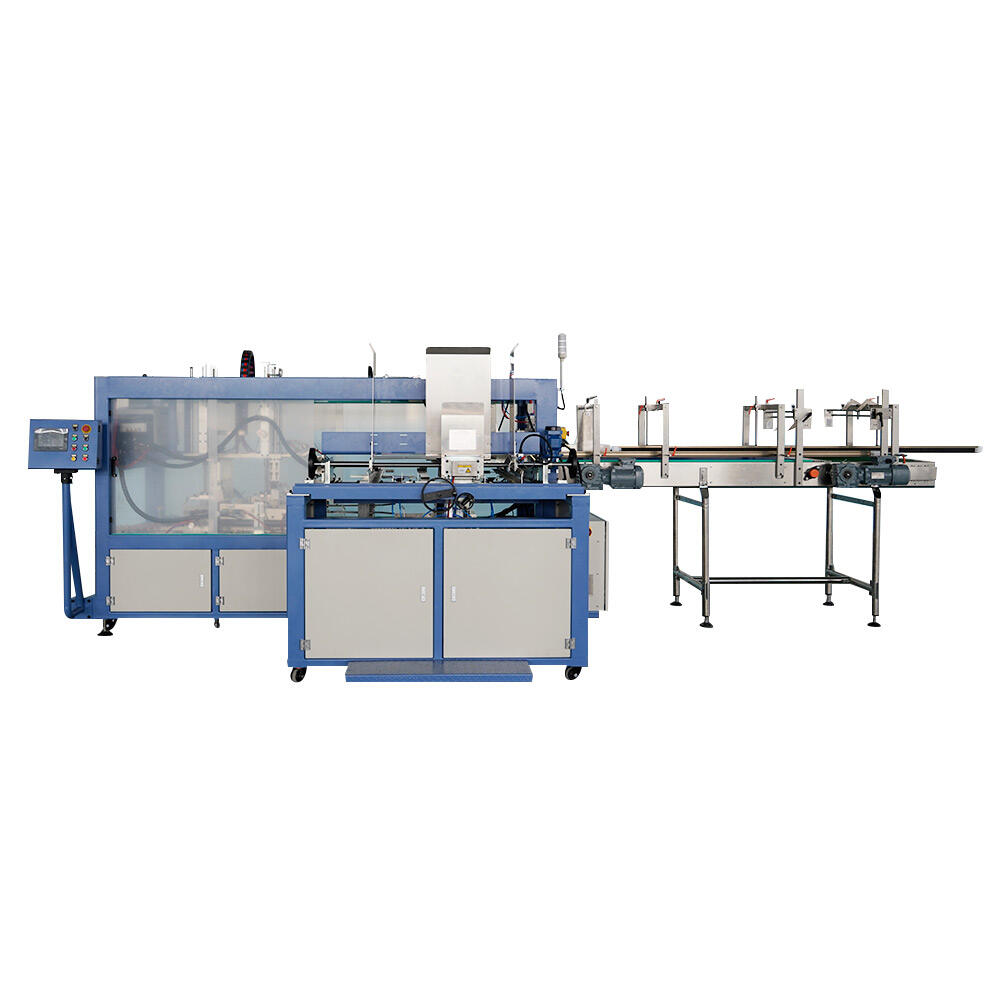
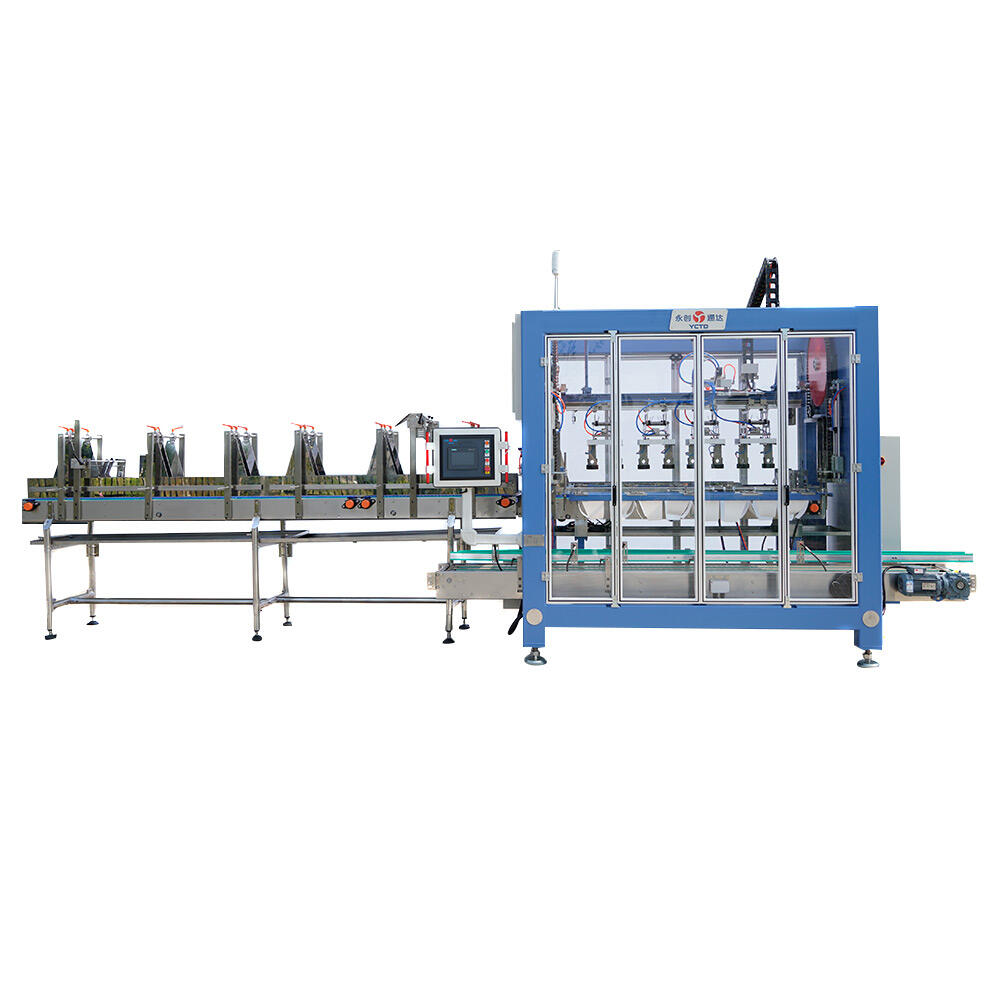
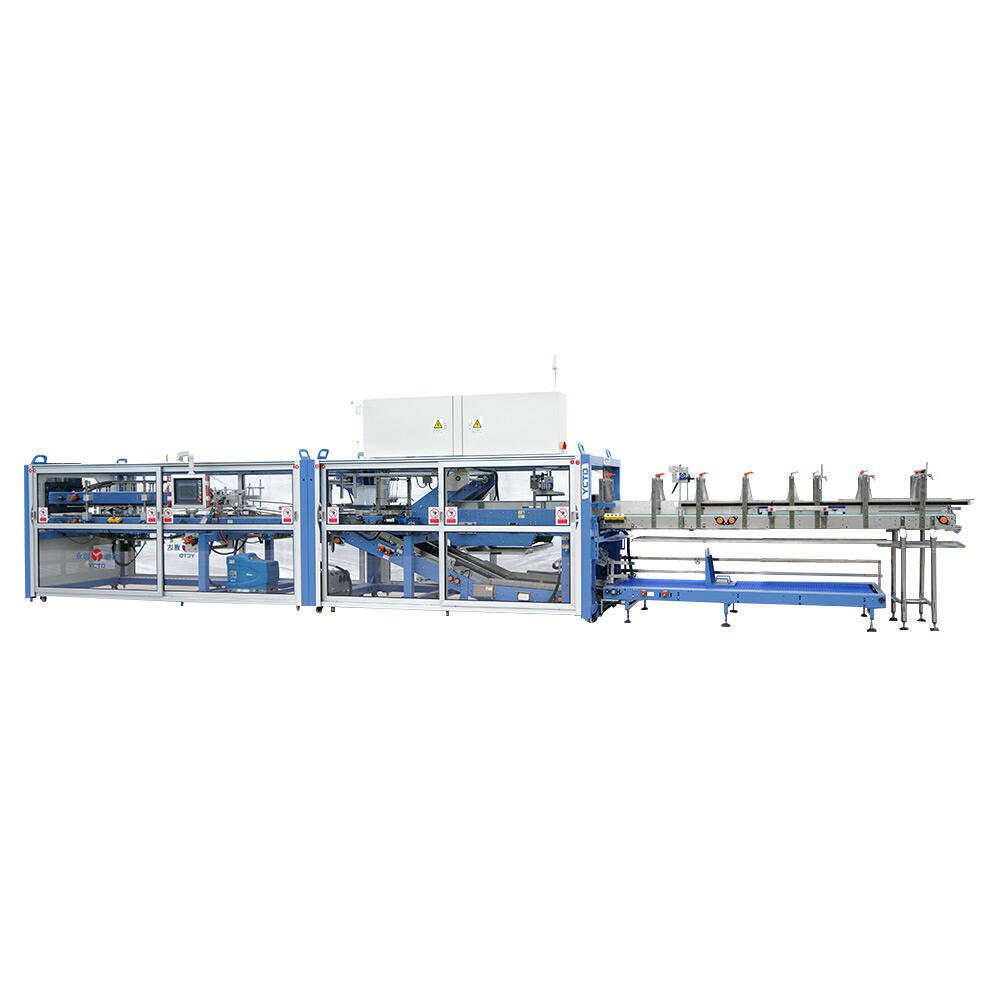
Used Case Packer: Cost-Effective Automated Packaging Solutions for Industrial Applications

All Categories

used case packer

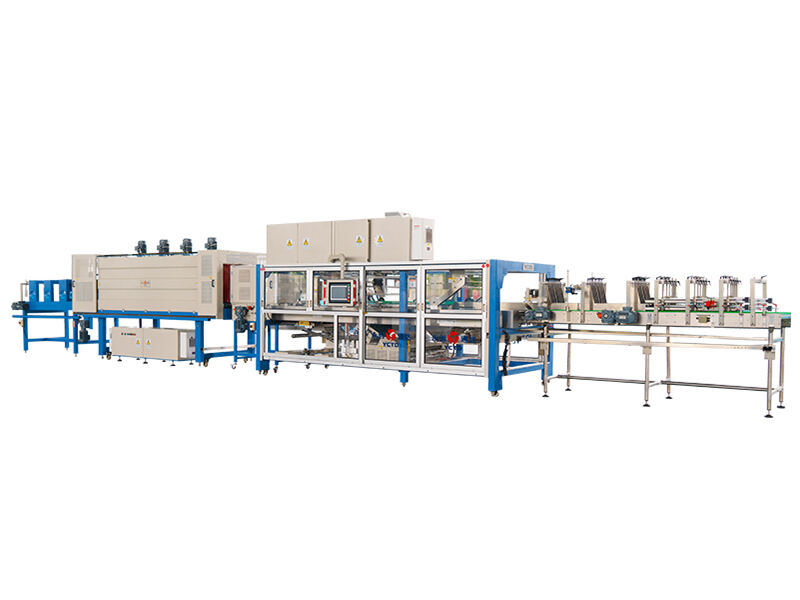
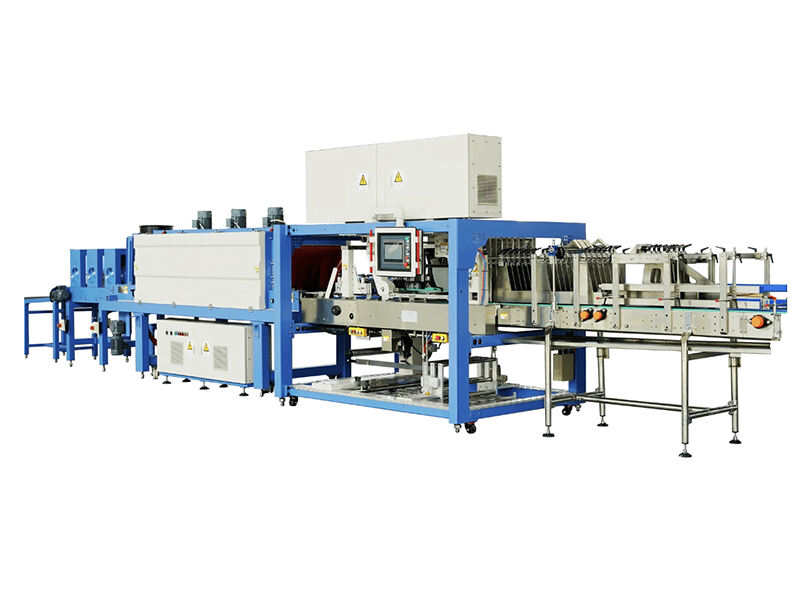
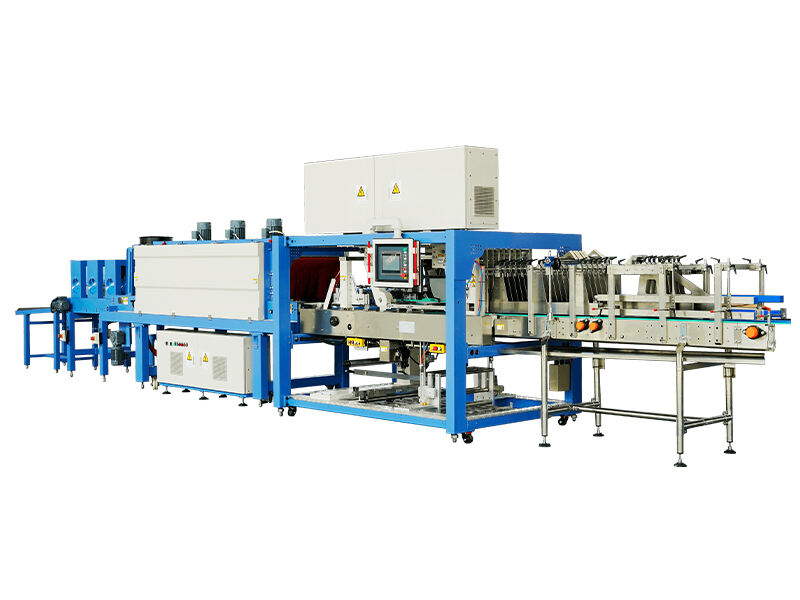
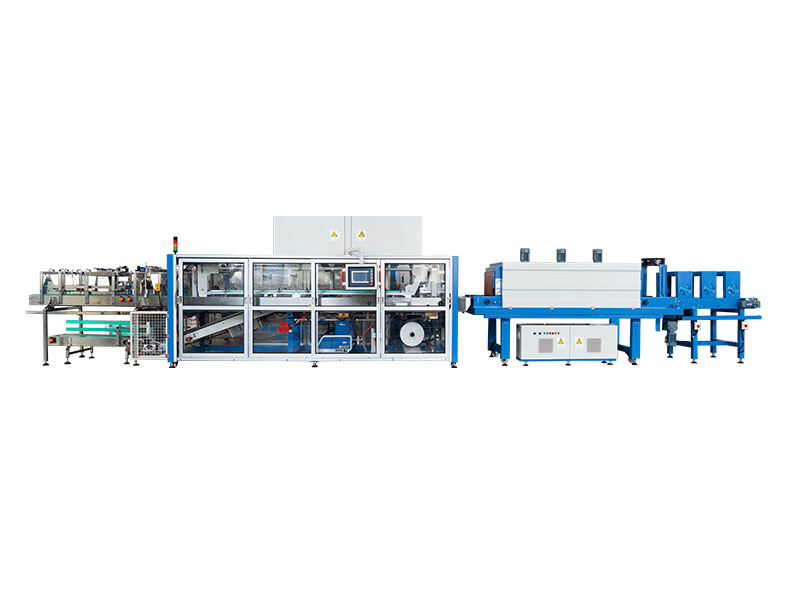
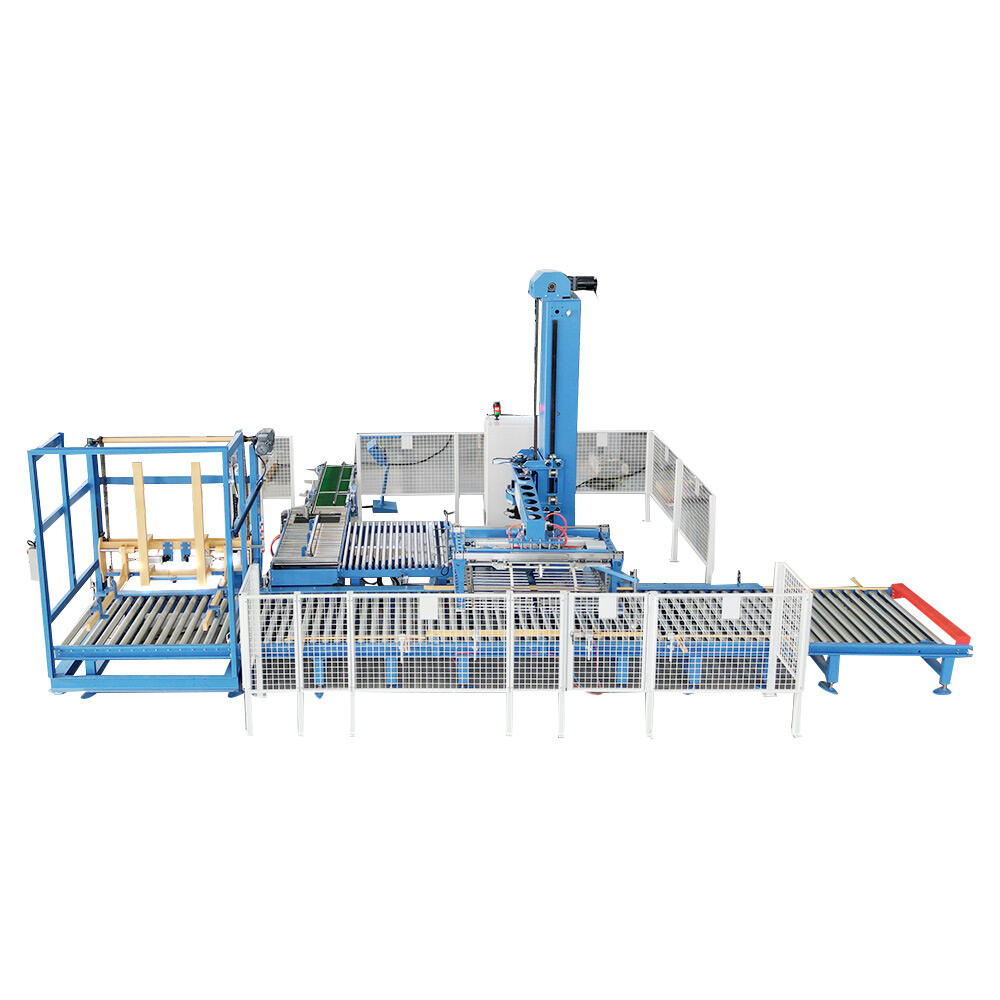
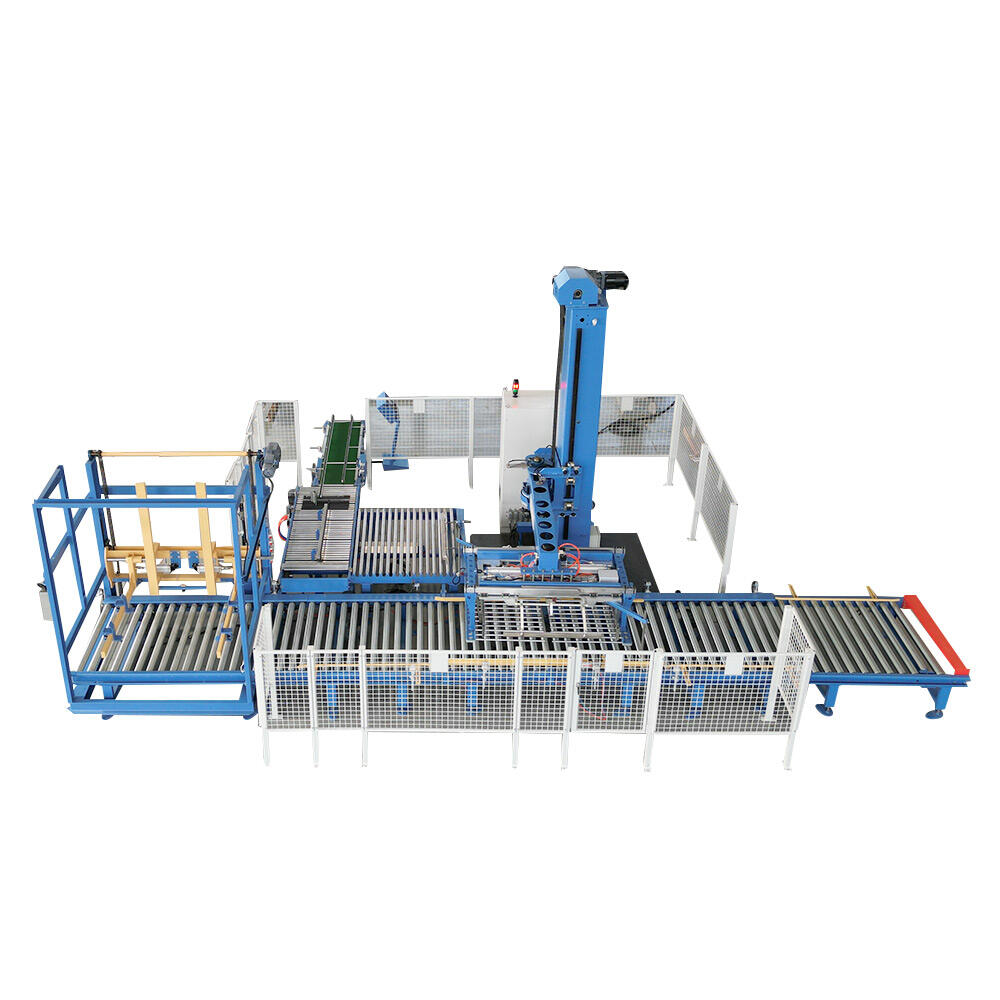
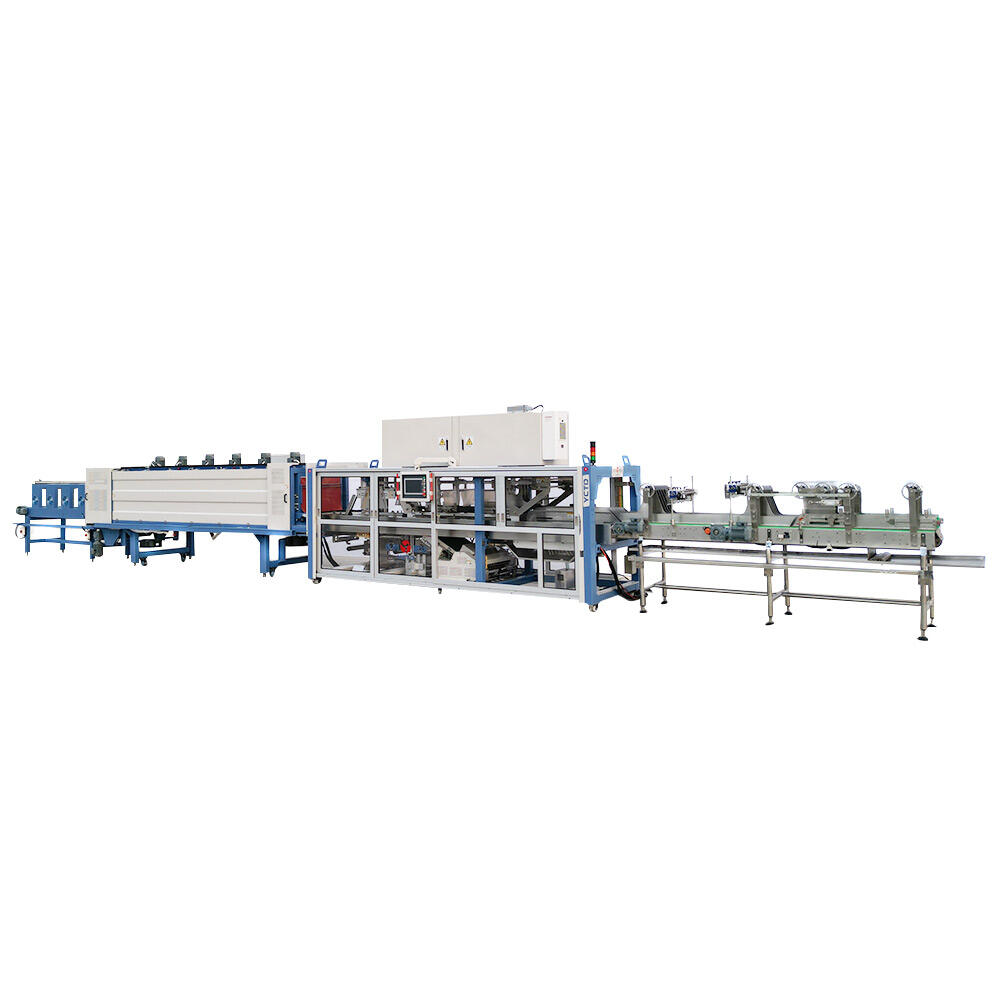
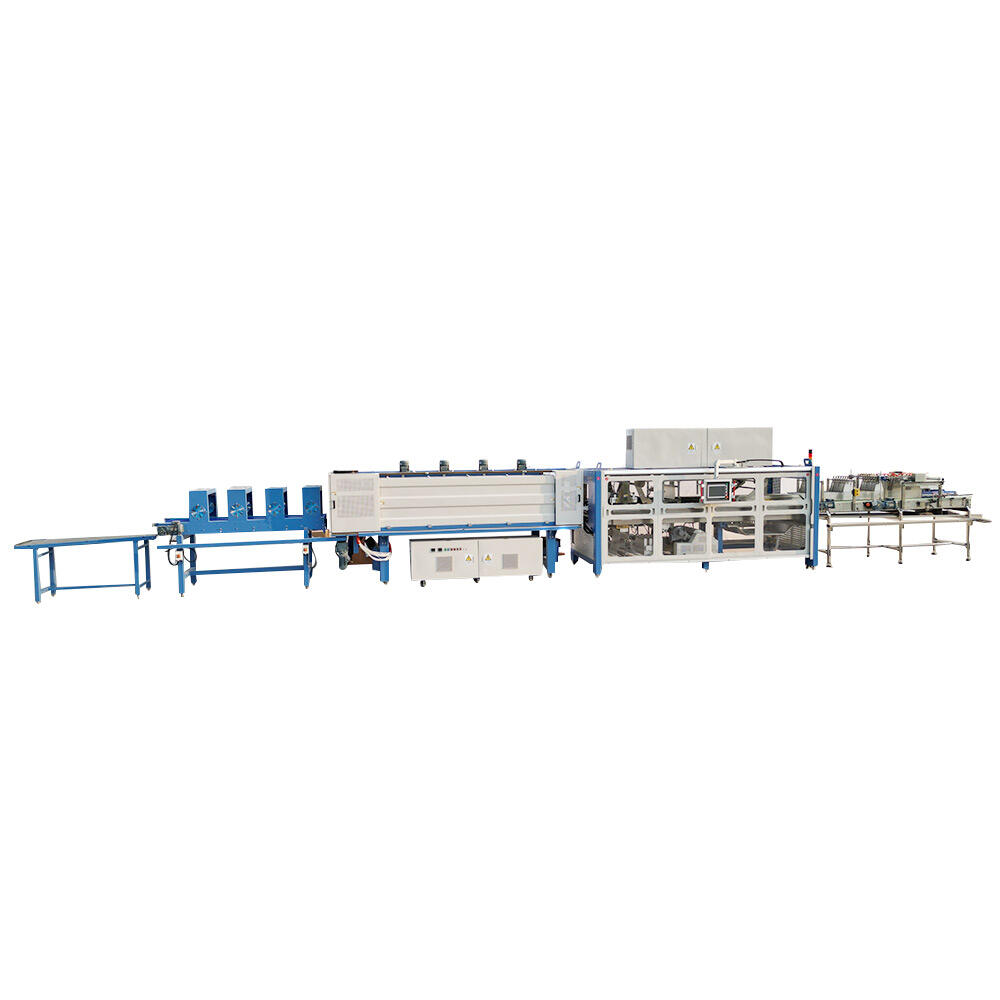
A used case packer represents a cost-effective industrial packaging solution that automates the process of organizing and packing products into shipping cases or cartons. This sophisticated machinery combines mechanical precision with programmable controls to handle various product types, from bottles and cans to boxes and containers. The used case packer operates through a systematic approach that includes product feeding, orientation, grouping, and final case loading, all while maintaining consistent packaging standards. Modern used case packer systems incorporate advanced servo motors, pneumatic cylinders, and digital control panels that allow operators to adjust packing configurations based on specific product requirements. These machines typically feature stainless steel construction for durability and hygiene compliance, making them suitable for food, beverage, pharmaceutical, and consumer goods industries. The used case packer integrates seamlessly with existing production lines through conveyor systems and can accommodate multiple case sizes and packing patterns. Safety features include emergency stops, protective guards, and sensor-based monitoring systems that prevent accidents and ensure smooth operation. The flexibility of a used case packer allows manufacturers to switch between different products with minimal downtime, thanks to quick-change tooling and programmable settings. Maintenance requirements remain minimal due to robust engineering and accessible component design. Quality control mechanisms built into the used case packer ensure proper product placement and case integrity before downstream processing. The technology behind these machines continues to evolve, with newer models offering enhanced speed capabilities, reduced energy consumption, and improved operator interfaces that simplify training and daily operations for packaging facility personnel.

New Product Releases

Investing in a used case packer delivers immediate operational benefits that transform packaging efficiency while reducing long-term costs. The primary advantage lies in significant cost savings compared to purchasing new equipment, allowing businesses to allocate capital toward other critical operations while still accessing advanced packaging technology. A used case packer provides the same fundamental capabilities as new models, including precise product handling, consistent packing patterns, and reliable performance that meets industry standards. The reduced initial investment enables smaller manufacturers to compete effectively with larger operations by automating their packaging processes without compromising quality or speed. Labor cost reduction represents another major benefit, as the used case packer eliminates manual packing positions while redirecting workers to higher-value tasks throughout the facility. This automation reduces human error rates and creates more consistent packaging results that enhance product presentation and customer satisfaction. The used case packer operates continuously during production shifts, maintaining steady output rates that manual packing cannot match, thereby increasing overall throughput and meeting demanding delivery schedules. Maintenance costs remain predictable and manageable, especially when purchasing from reputable dealers who provide service history and component warranties. The learning curve for operating a used case packer stays minimal due to intuitive controls and comprehensive training materials, allowing existing staff to master the equipment quickly. Energy efficiency improvements become apparent immediately, as modern used case packer models consume less power than older manual alternatives while producing superior results. Return on investment accelerates through reduced packaging material waste, as the precision of automated packing minimizes product damage and optimizes case utilization. The scalability of used case packer systems allows businesses to expand operations gradually, adding additional machines as production volumes increase without significant infrastructure changes.

Tips And Tricks

What Are the Key Benefits of Using a Palletizer in Logistics?

19

Dec

What Are the Key Benefits of Using a Palletizer in Logistics?

Modern logistics operations face unprecedented challenges in maintaining efficiency while reducing operational costs and ensuring worker safety. As supply chains become increasingly complex and e-commerce demands continue to surge, warehouses and dis...
View More
Can a Palletizer Reduce Labor Costs and Boost Productivity?

19

Dec

Can a Palletizer Reduce Labor Costs and Boost Productivity?

Manufacturing facilities across industries are increasingly turning to automated solutions to address rising labor costs and productivity challenges. Among these innovations, palletizing equipment stands out as a transformative technology that can si...
View More
How a Shrink Film Packaging Machine Can Reduce Your Labor Costs

04

Feb

How a Shrink Film Packaging Machine Can Reduce Your Labor Costs

Manufacturing facilities across industries face mounting pressure to optimize operations while reducing overhead costs. Among the most significant expenses confronting production managers today are labor costs, which continue to escalate due to risin...
View More
Top 5 Benefits of Automating Your Workflow with a Shrink Film Packaging Machine

04

Mar

Top 5 Benefits of Automating Your Workflow with a Shrink Film Packaging Machine

Industrial packaging operations face mounting pressure to increase efficiency while maintaining product quality and reducing costs. Modern manufacturing environments demand solutions that can handle high volumes with consistent results, making automa...
View More

Get a Free Quote

Our representative will contact you soon.
Company Name
Name
Email
Mobile/WhatsApp
Message
0/1000

used case packer

Superior Cost-Effectiveness and Immediate ROI

Superior Cost-Effectiveness and Immediate ROI

The financial advantages of selecting a used case packer extend far beyond the initial purchase price, creating a comprehensive value proposition that benefits businesses across multiple operational areas. When companies choose a used case packer instead of new equipment, they typically save 40-60% on capital expenditure while gaining access to proven technology that delivers consistent performance. This substantial cost reduction allows businesses to maintain healthy cash flow and allocate resources toward other growth initiatives such as marketing, research and development, or facility expansion. The depreciation curve works favorably for purchasers of used case packer systems, as the steepest value decline occurs during the first few years of ownership, meaning buyers acquire mature equipment at optimal pricing points. Financial institutions often view used case packer investments more favorably due to lower loan amounts and established equipment values, resulting in better financing terms and reduced approval timeframes. The payback period for a used case packer typically ranges from 12-18 immediate months through labor savings, efficiency gains, and reduced product damage rates. Insurance costs remain lower for used equipment compared to high-value new machinery, further reducing total cost of ownership. Businesses can reinvest the capital savings from purchasing a used case packer into complementary equipment such as conveyors, quality control systems, or warehouse automation that creates synergistic operational improvements. Tax advantages may apply to used equipment purchases, including accelerated depreciation schedules and potential tax credits for manufacturing investments. The predictable performance of established used case packer models eliminates uncertainty associated with new technology adoption, allowing for accurate financial projections and budget planning. Companies often discover that purchasing multiple used case packer units remains more cost-effective than buying one new machine, enabling parallel processing capabilities and production redundancy that enhances operational resilience.
Proven Reliability and Established Performance Standards

Proven Reliability and Established Performance Standards

A used case packer brings the invaluable advantage of proven operational history, eliminating the uncertainties and potential issues that can accompany new equipment installations. These machines have already undergone extensive real-world testing through previous ownership, revealing any design flaws or operational challenges that have been subsequently addressed through repairs, upgrades, or modifications. The reliability factor becomes particularly important in high-volume production environments where equipment downtime directly impacts profitability and customer commitments. Established used case packer models benefit from mature technology platforms where manufacturers have refined mechanical systems, software programming, and component specifications based on years of user feedback and performance data. This evolutionary process results in more stable and dependable equipment compared to first-generation or recently launched models that may still contain undiscovered issues. Service technicians possess extensive experience working with popular used case packer models, ensuring faster diagnostic procedures, readily available replacement parts, and accumulated knowledge about optimal maintenance practices. The operational parameters of a used case packer are well-documented through industry usage, providing clear performance benchmarks and realistic expectations for production capacity, energy consumption, and maintenance intervals. Quality assurance becomes more predictable with used equipment, as previous operators have typically optimized settings and procedures that new owners can immediately implement for consistent results. The debugging process that occurs during initial equipment deployment has already been completed, meaning the used case packer arrives ready for productive operation without extended commissioning periods. Industry case studies and performance reports for established used case packer models provide valuable insights into long-term reliability, helping buyers make informed decisions based on documented operational success. The technological stability of proven used case packer systems reduces training requirements and operational complexity, allowing staff to focus on production efficiency rather than learning new equipment interfaces or troubleshooting unfamiliar problems.
Flexible Integration and Rapid Implementation Benefits

Flexible Integration and Rapid Implementation Benefits

The integration advantages of a used case packer stem from mature design standards and widespread industry adoption that facilitate seamless incorporation into existing production environments. These machines typically conform to established industry protocols for conveyor heights, electrical specifications, and communication interfaces, eliminating costly customization requirements often associated with newer equipment models. The standardized dimensions and connection points of popular used case packer models enable straightforward installation procedures that minimize facility modifications and reduce implementation timelines. Existing maintenance staff can quickly adapt to servicing used case packer equipment due to familiar component types, standard fasteners, and conventional electrical systems that align with traditional industrial maintenance practices. The availability of comprehensive documentation, including operator manuals, parts catalogs, and service procedures, accelerates the learning process and ensures proper equipment utilization from the start of operations. Third-party support networks have developed around popular used case packer models, providing alternative sources for parts, service, and technical expertise that reduce dependency on original manufacturers and lower long-term support costs. The modular design philosophy common in established used case packer systems allows for incremental upgrades and modifications that extend equipment life while adapting to changing production requirements. Compatibility with standard automation components such as PLCs, sensors, and safety systems ensures that used case packer integration proceeds smoothly within modern manufacturing environments. The implementation timeline for a used case packer typically spans weeks rather than months, as equipment arrives pre-configured and tested, requiring only basic setup and calibration procedures. Training programs for used case packer operation draw upon extensive industry experience and established best practices, reducing the time required to achieve proficient operation levels. The flexibility of proven used case packer designs accommodates future expansion plans, allowing businesses to scale operations incrementally while maintaining consistent packaging standards and operational procedures across multiple machines and production lines.

Used Case Packer: Cost-Effective Automated Packaging Solutions for Industrial Applications

Get a Free Quote

Our representative will contact you soon.
Company Name
Name
Email
Mobile/WhatsApp
Message
0/1000