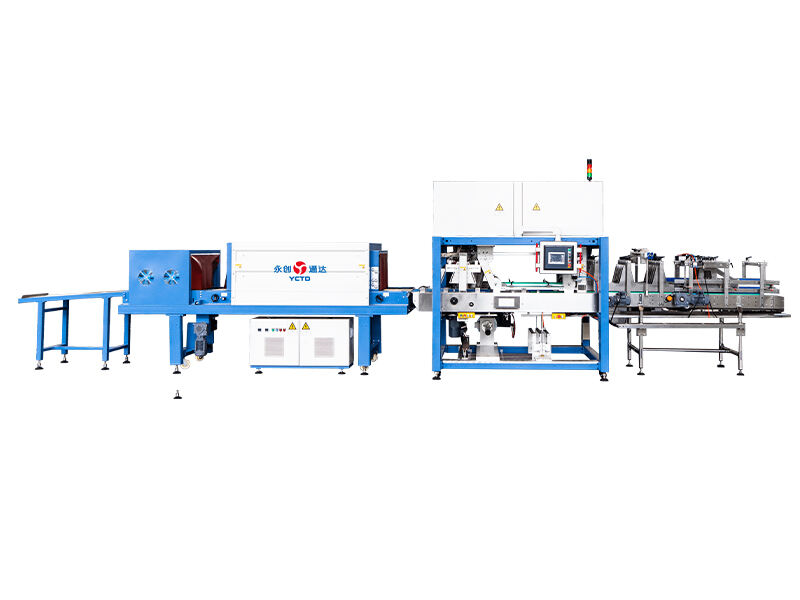
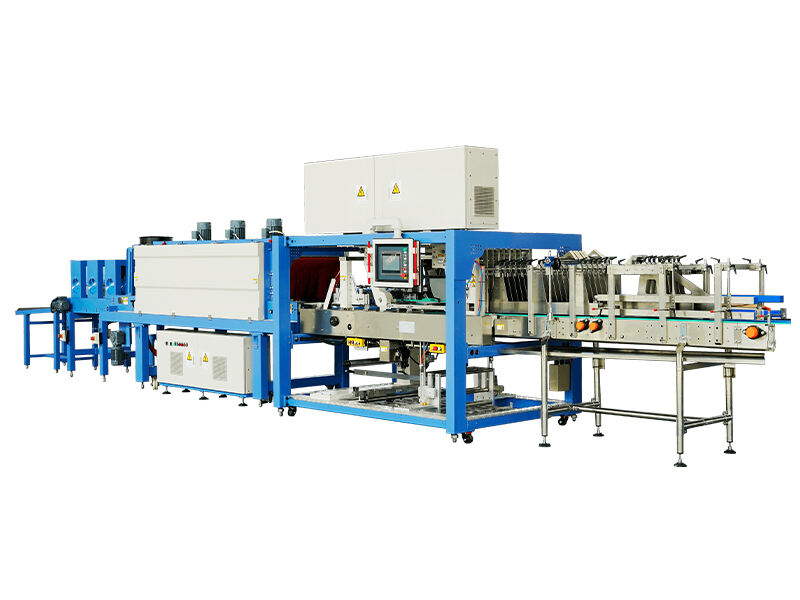
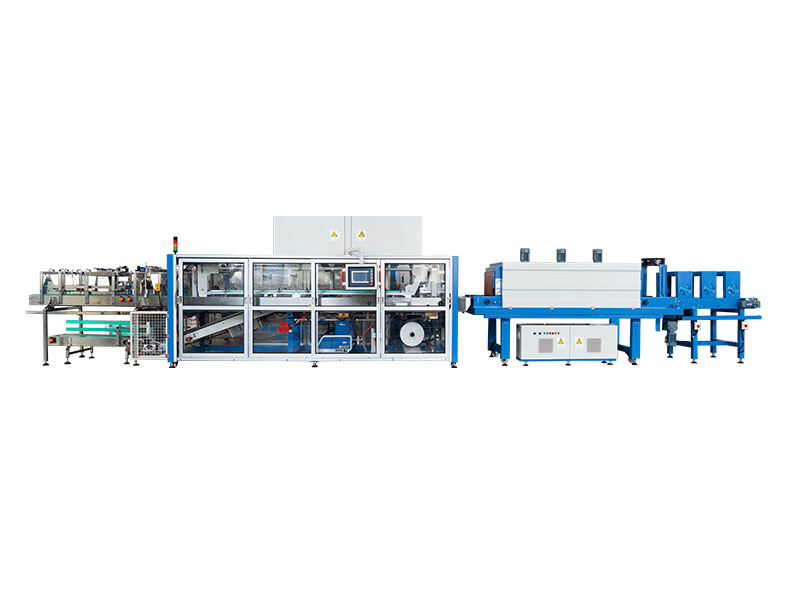
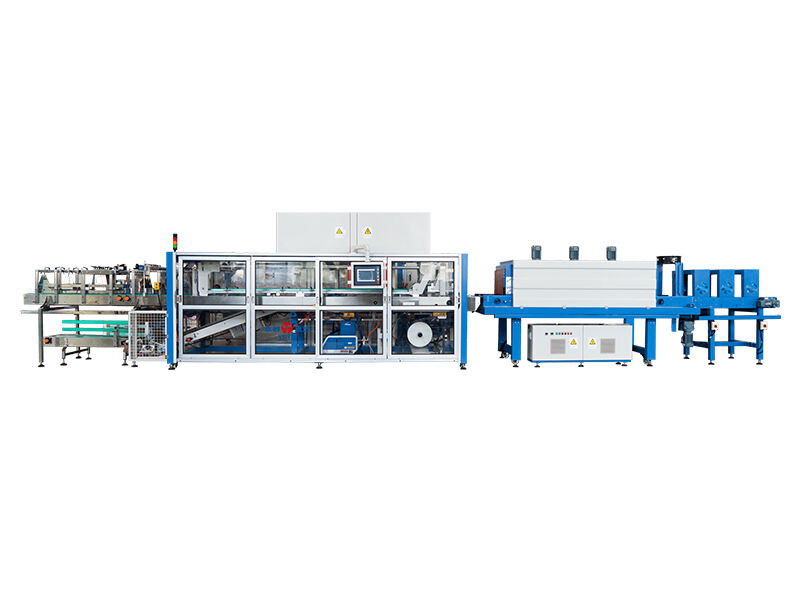
wraparound carton packer
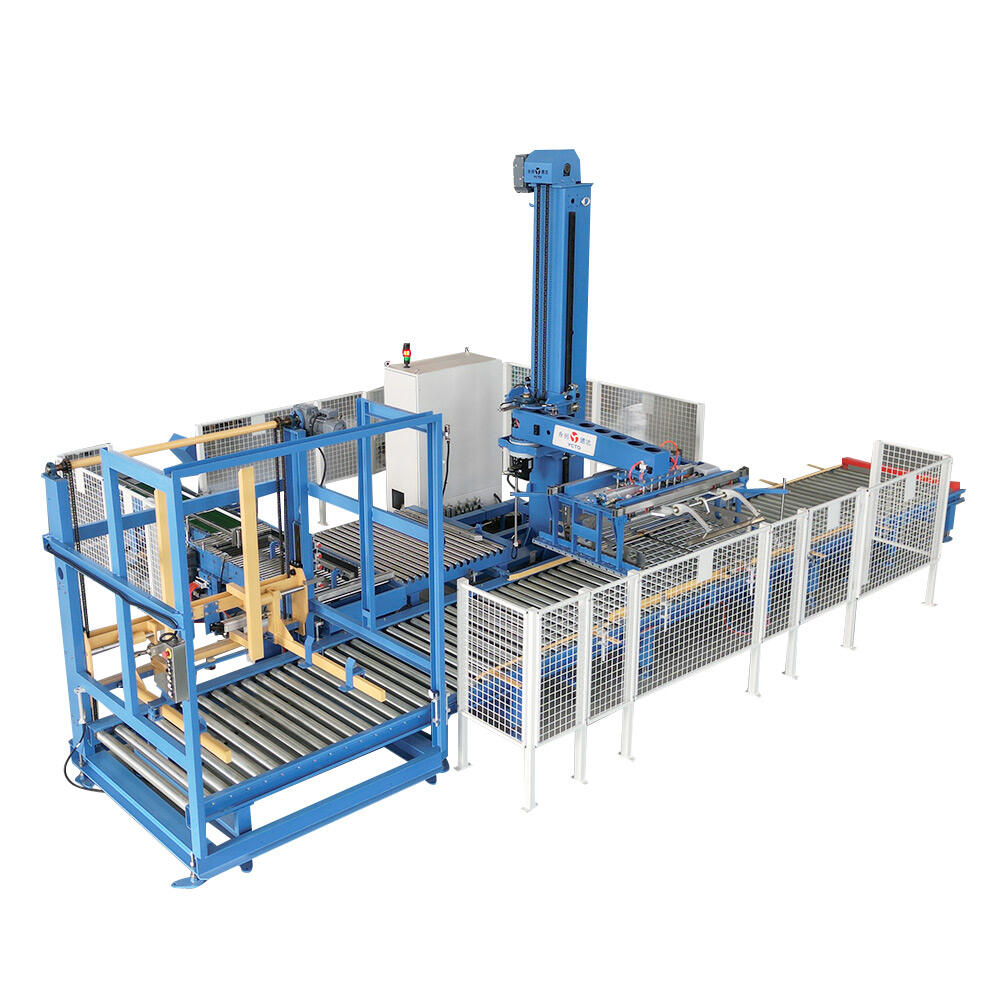
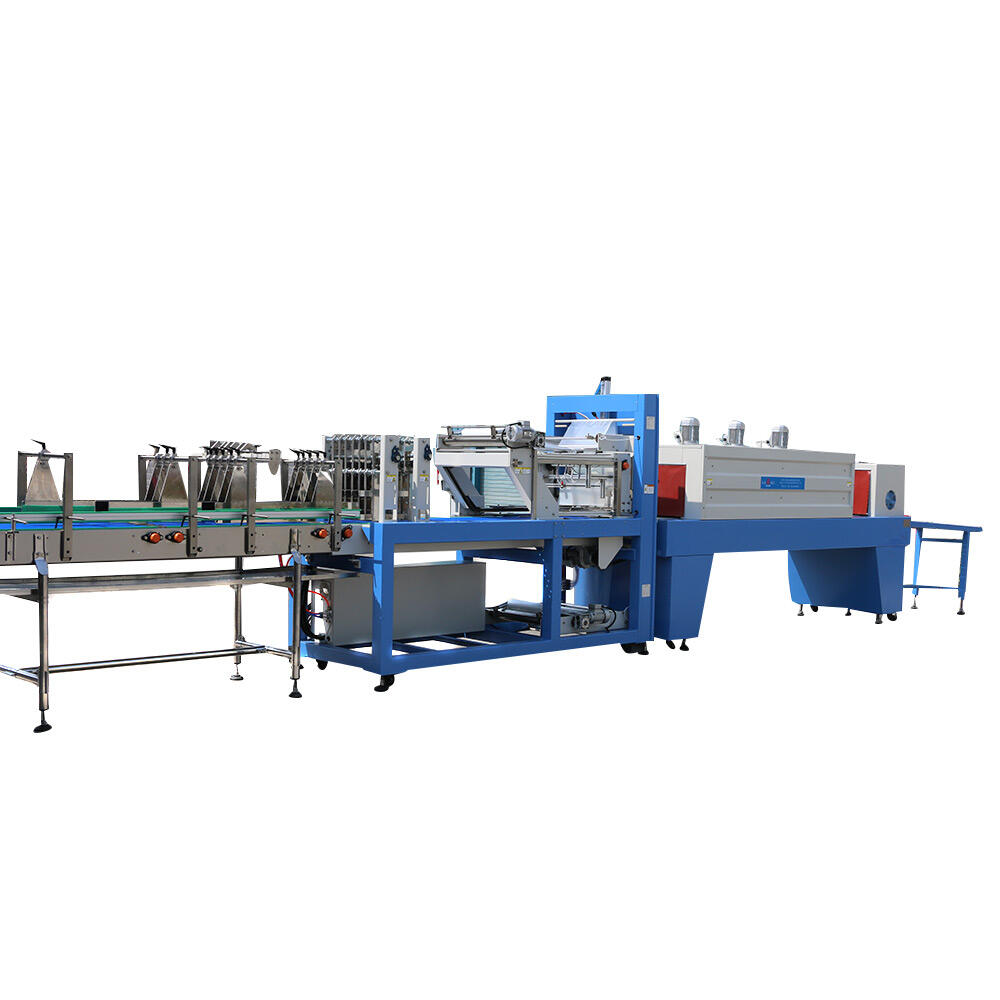
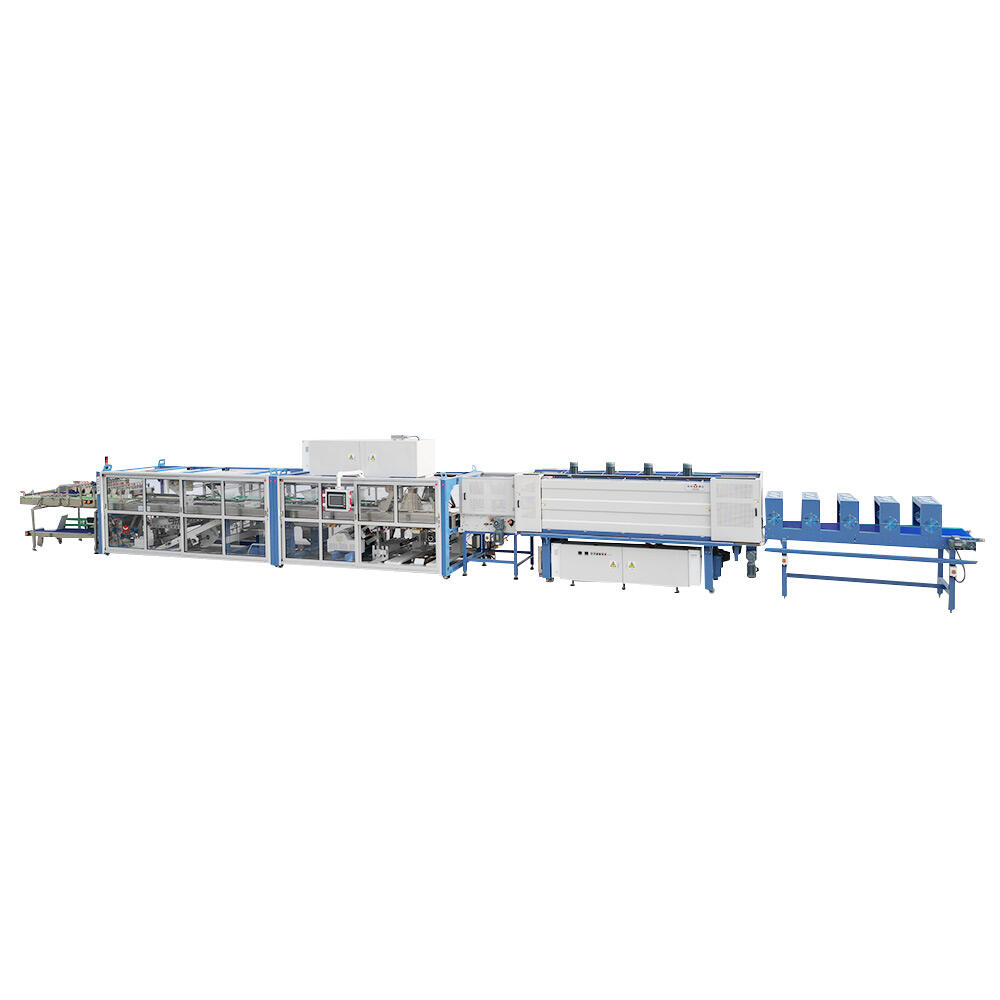
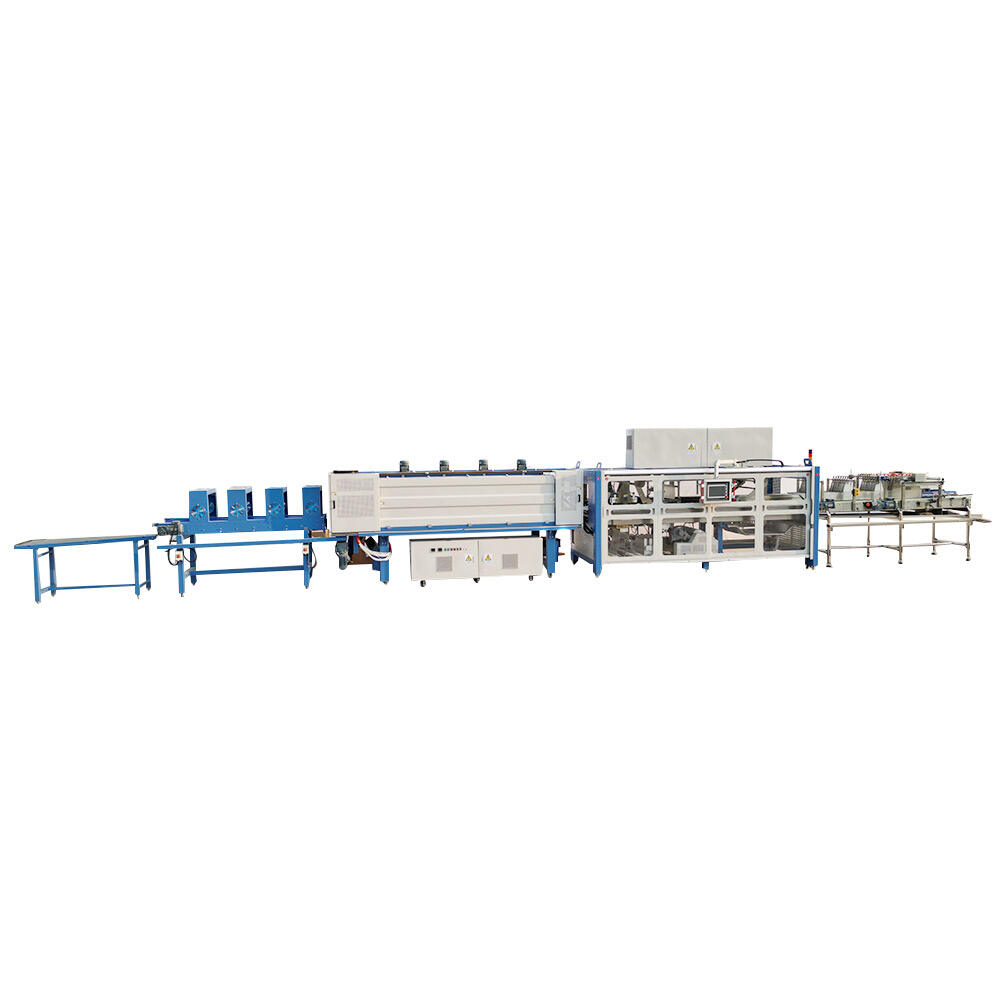
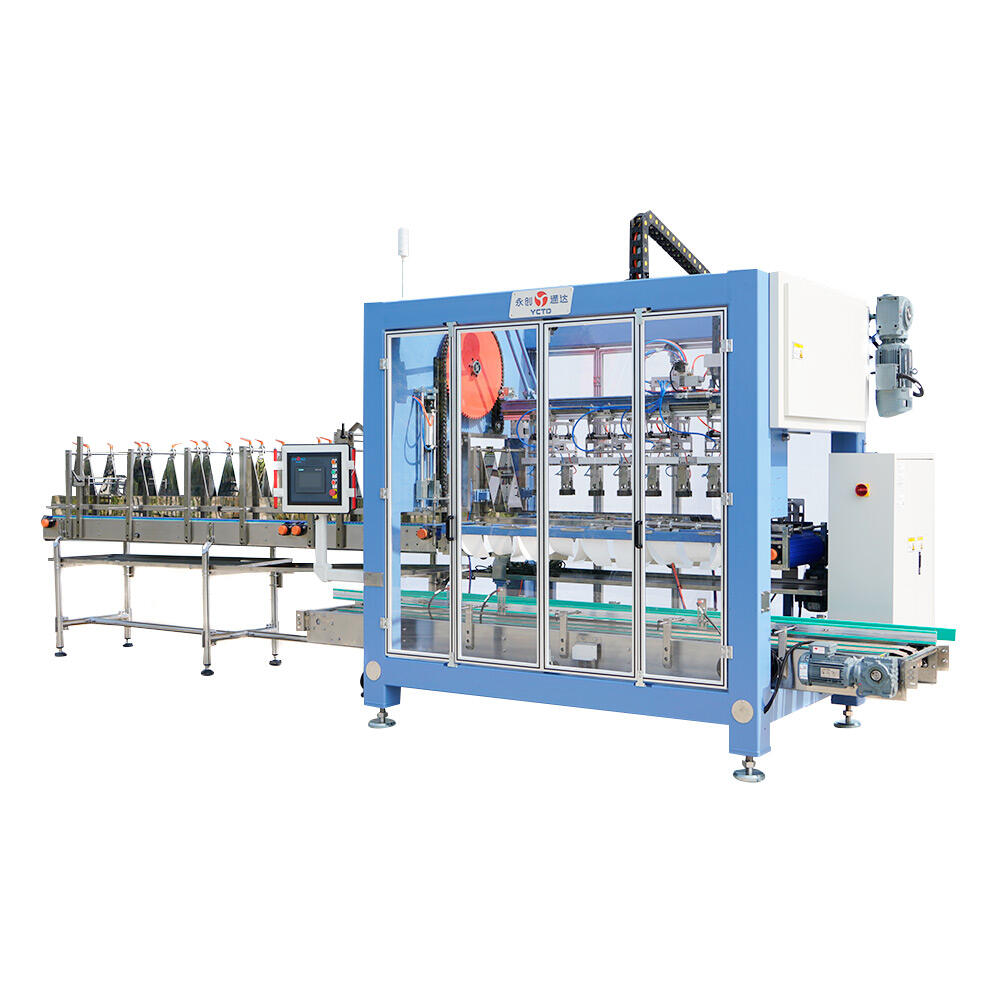
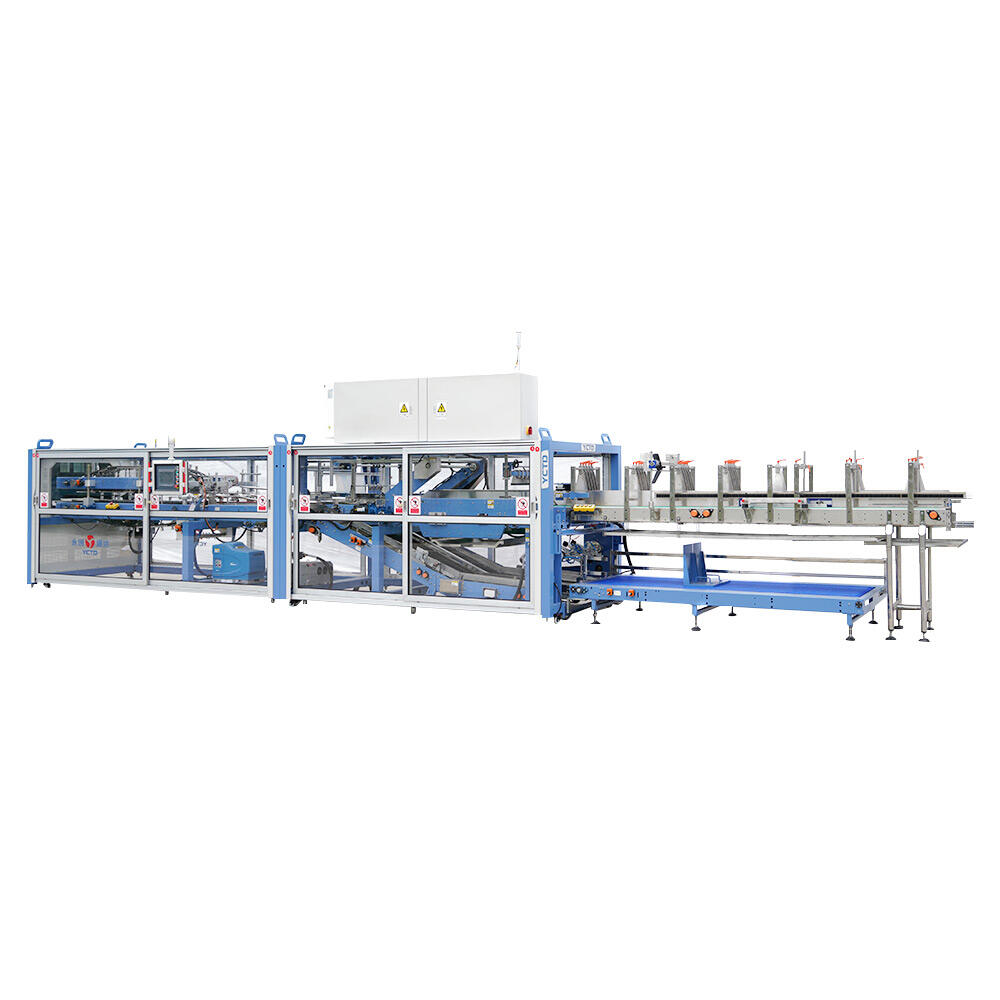
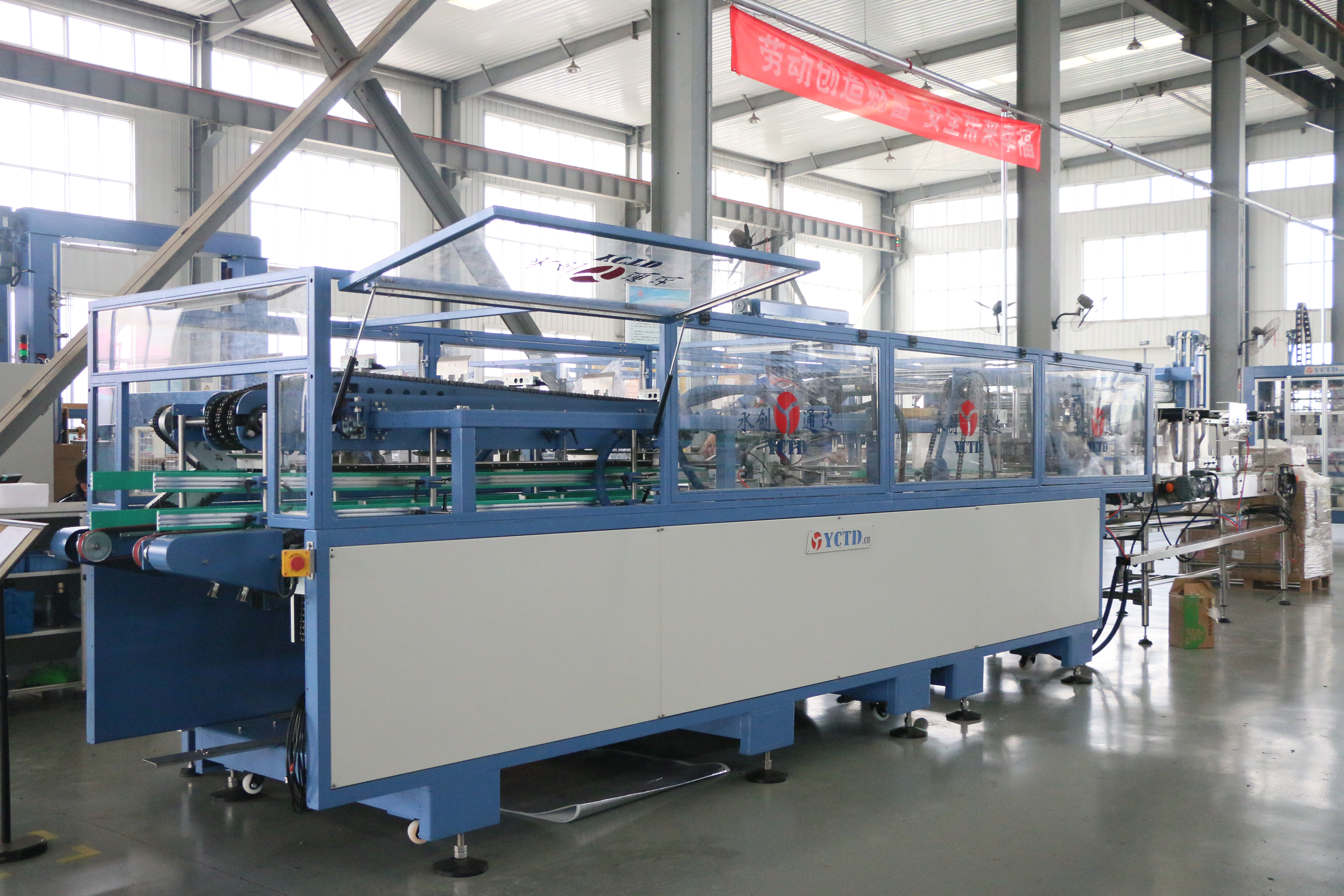
The wraparound carton packer represents a sophisticated packaging solution designed to efficiently encase products within corrugated cardboard cartons through an innovative wrapping mechanism. This automated packaging system operates by forming a carton around pre-arranged products, creating a secure and protective housing that maintains product integrity during transportation and storage. Unlike traditional case packing methods that require products to be dropped or pushed into pre-formed boxes, the wraparound carton packer constructs the carton directly around the product configuration, ensuring optimal fit and protection. The machine utilizes advanced servo-driven technology to control precise movements throughout the packaging process, incorporating multiple stations that handle carton blank feeding, product positioning, wraparound formation, and sealing operations. Key technological features include programmable logic controllers that manage timing sequences, variable speed drives that accommodate different production rates, and adjustable guide systems that handle various product dimensions. The wraparound carton packer employs hot-melt glue application systems or mechanical sealing methods to secure carton closures, ensuring consistent seal quality across all packages. Applications span numerous industries including beverage manufacturing, food processing, pharmaceutical production, and consumer goods packaging. The system effectively handles products ranging from glass bottles and cans to rigid containers and boxed items, accommodating both single and multi-pack configurations. Production facilities utilize wraparound carton packers to achieve higher throughput rates while maintaining packaging quality standards. The machine's modular design allows integration with existing conveyor systems and upstream production equipment, creating seamless packaging lines that optimize overall operational efficiency. Modern wraparound carton packers feature touchscreen interfaces that simplify operator interaction and provide real-time production monitoring capabilities, enabling quick adjustments and troubleshooting procedures that minimize downtime.

 EN
EN