palletizer machine price
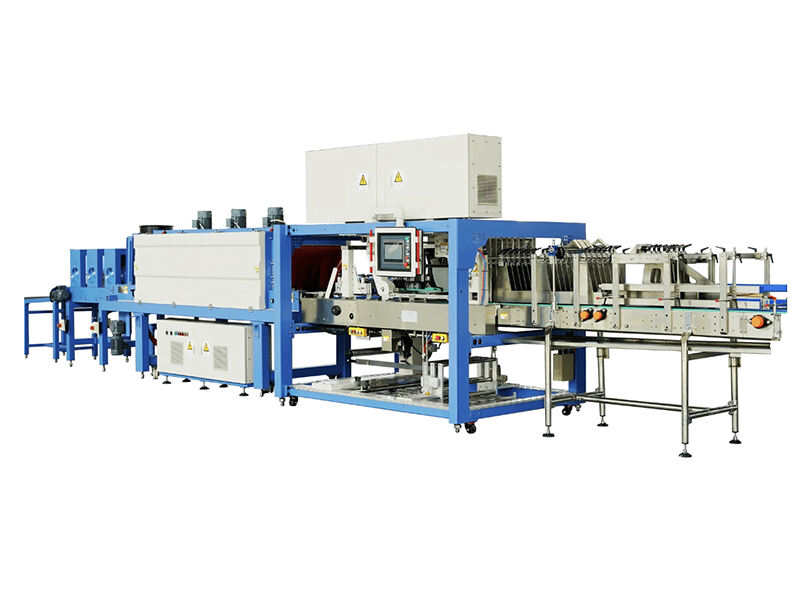
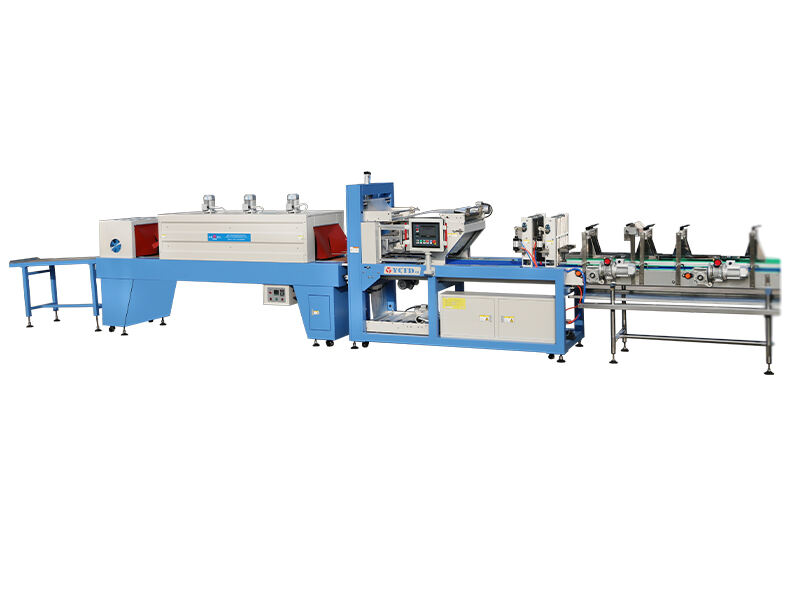
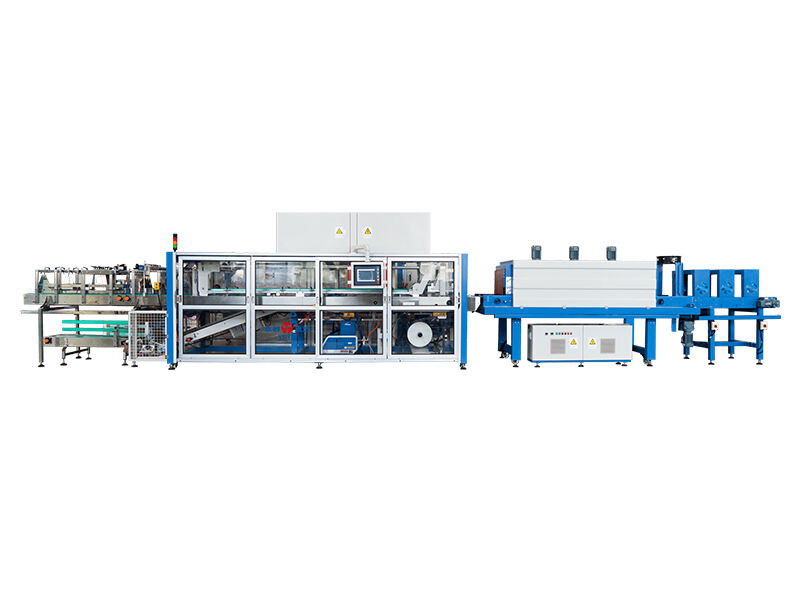
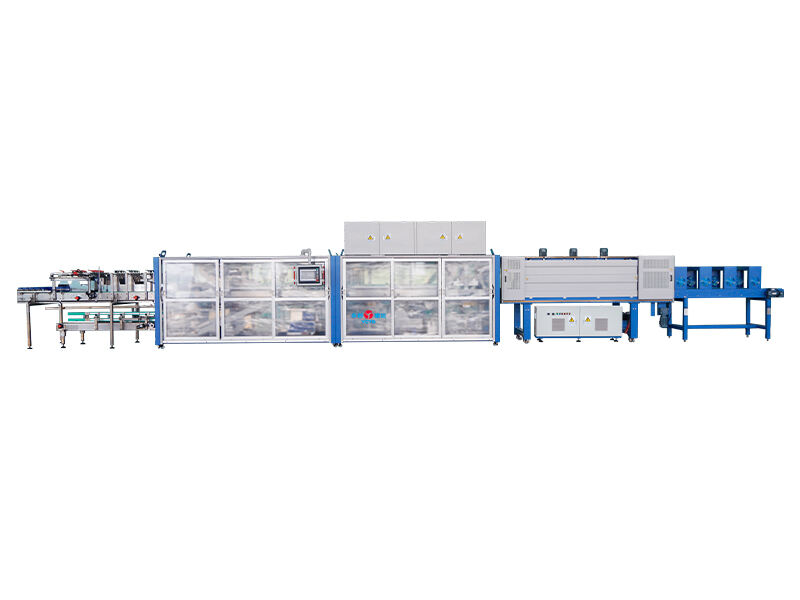
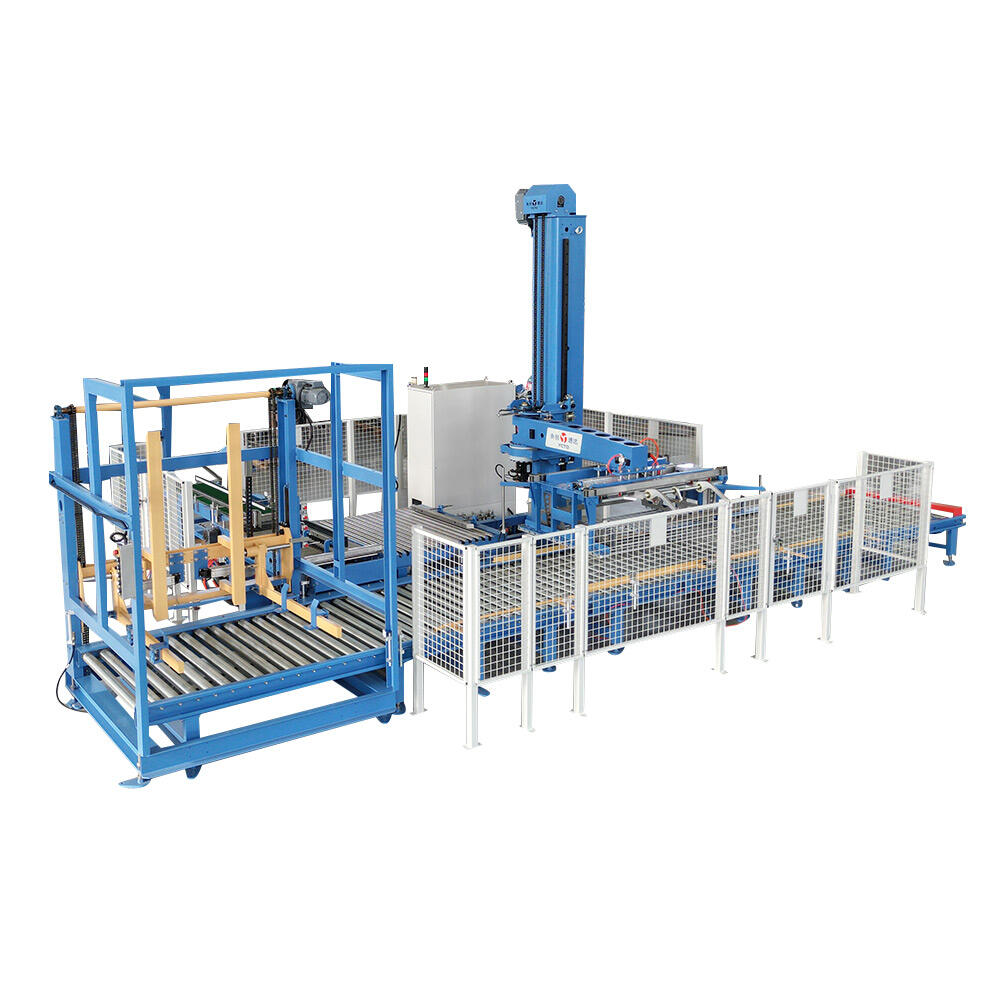
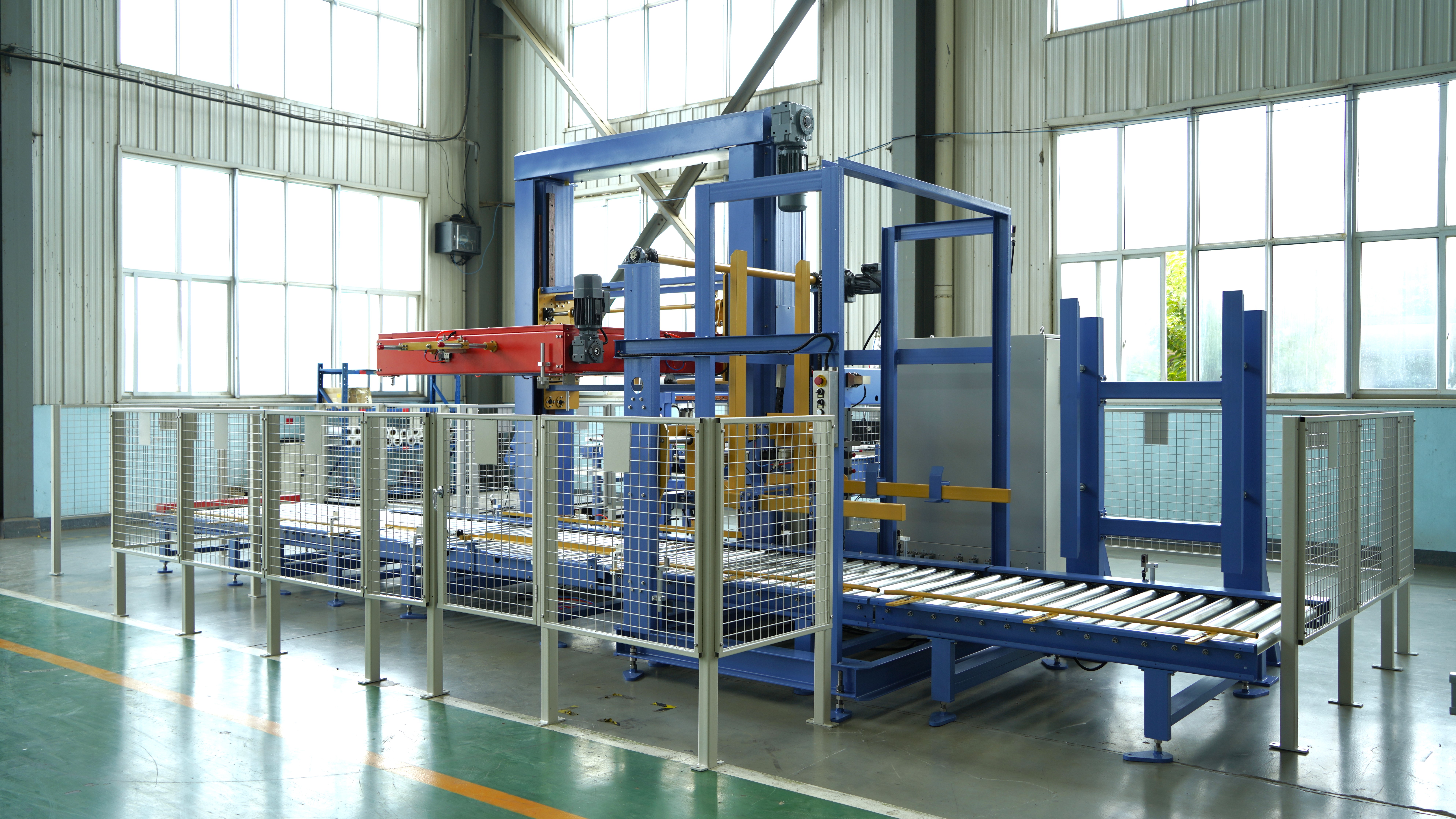
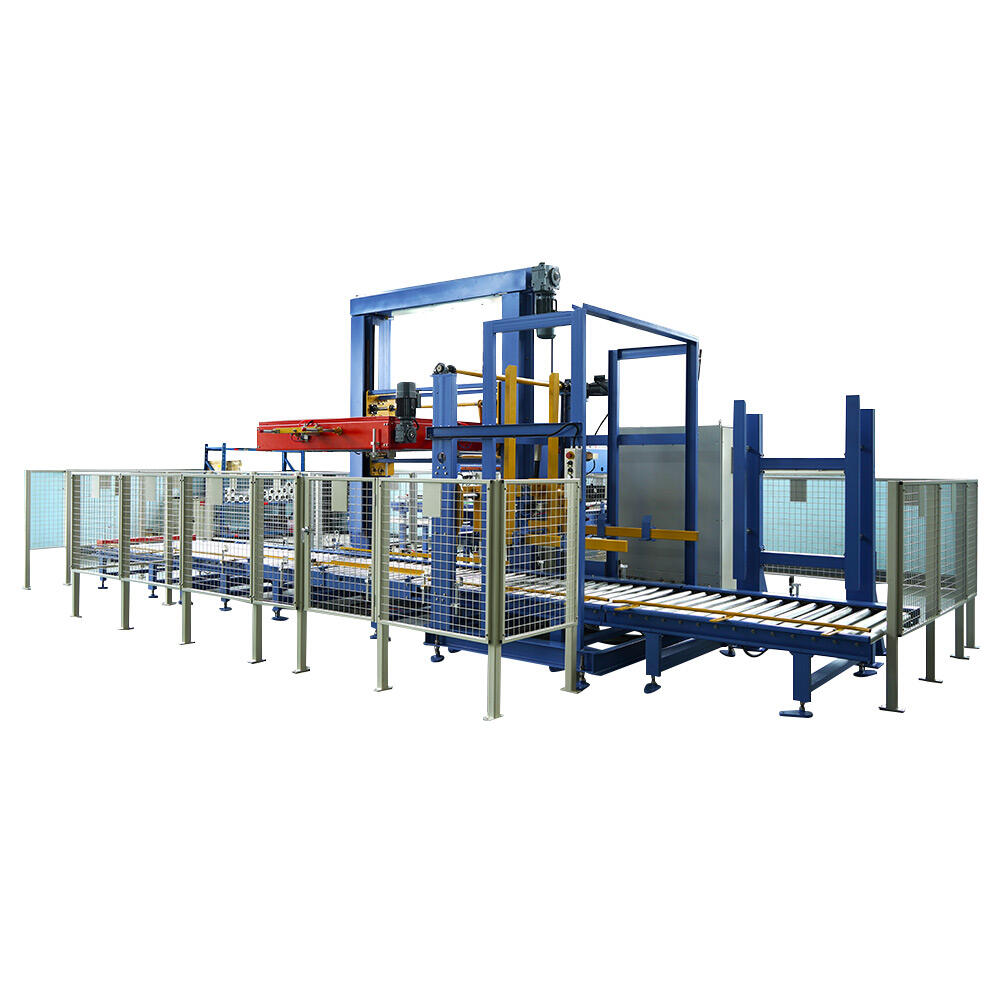
Understanding the palletizer machine price involves examining the comprehensive value proposition these automated systems bring to manufacturing and distribution operations. Palletizer machines represent sophisticated industrial equipment designed to automatically stack products onto pallets, eliminating manual labor requirements and significantly improving operational efficiency. The palletizer machine price varies considerably based on capacity, technology integration, customization requirements, and manufacturer specifications, typically ranging from $50,000 for basic models to over $500,000 for advanced robotic systems. These machines perform essential functions including product handling, pattern formation, layer building, pallet management, and safety monitoring. Modern palletizer systems incorporate cutting-edge technological features such as programmable logic controllers, servo-driven mechanisms, vision guidance systems, and integrated safety protocols. The technological sophistication directly impacts the palletizer machine price, with advanced features commanding premium pricing due to enhanced performance capabilities and operational reliability. Applications span diverse industries including food and beverage processing, pharmaceutical manufacturing, consumer goods distribution, chemical processing, and automotive parts handling. Manufacturing facilities utilize palletizer machines to streamline end-of-line packaging processes, reduce labor costs, minimize product damage, and maintain consistent stacking patterns. The palletizer machine price reflects the substantial return on investment these systems deliver through increased throughput, reduced workplace injuries, improved product handling accuracy, and enhanced operational consistency. Investment considerations include initial purchase costs, installation expenses, training requirements, maintenance schedules, and long-term operational savings. Buyers must evaluate total cost of ownership when assessing palletizer machine price options, considering factors such as energy consumption, spare parts availability, technical support accessibility, and upgrade possibilities. The pricing structure typically includes base machine costs, customization charges, installation services, training programs, and warranty coverage, making comprehensive price evaluation essential for informed purchasing decisions.

 EN
EN