Flexible Container Accommodation and Rapid Changeover Capabilities
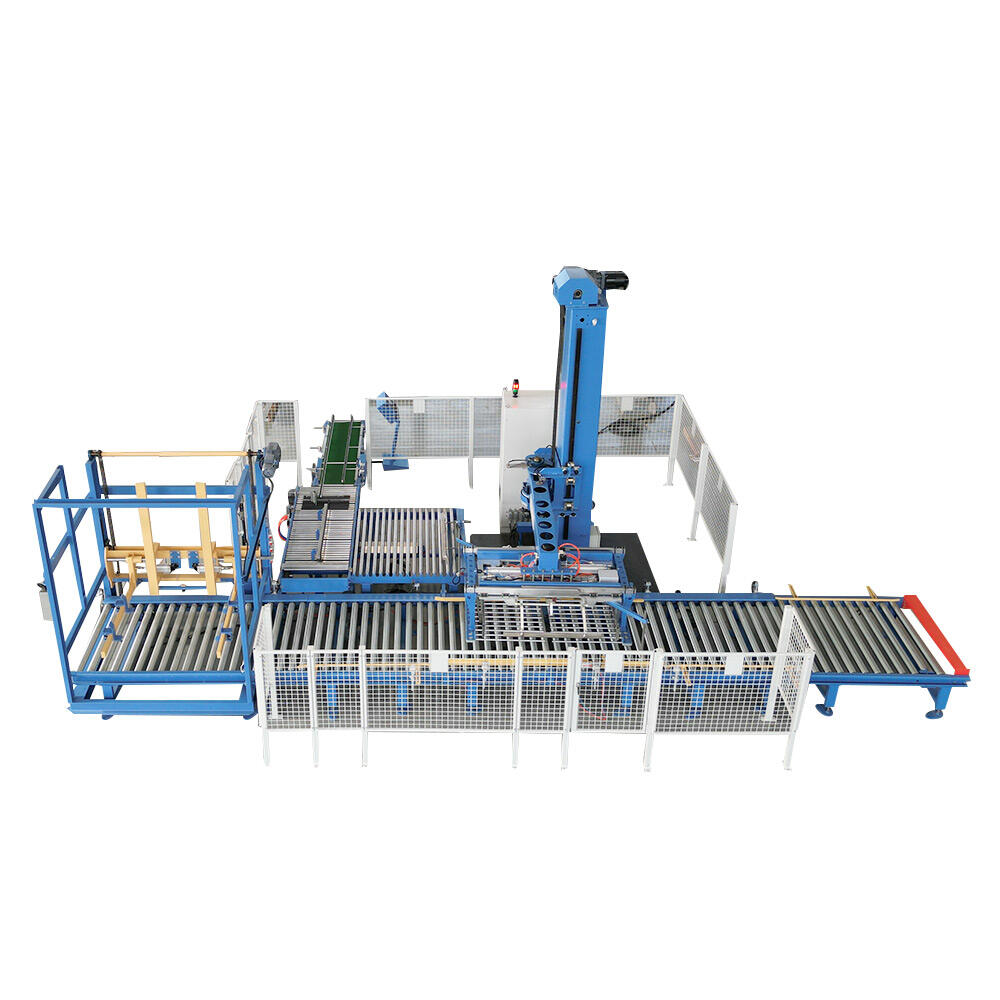
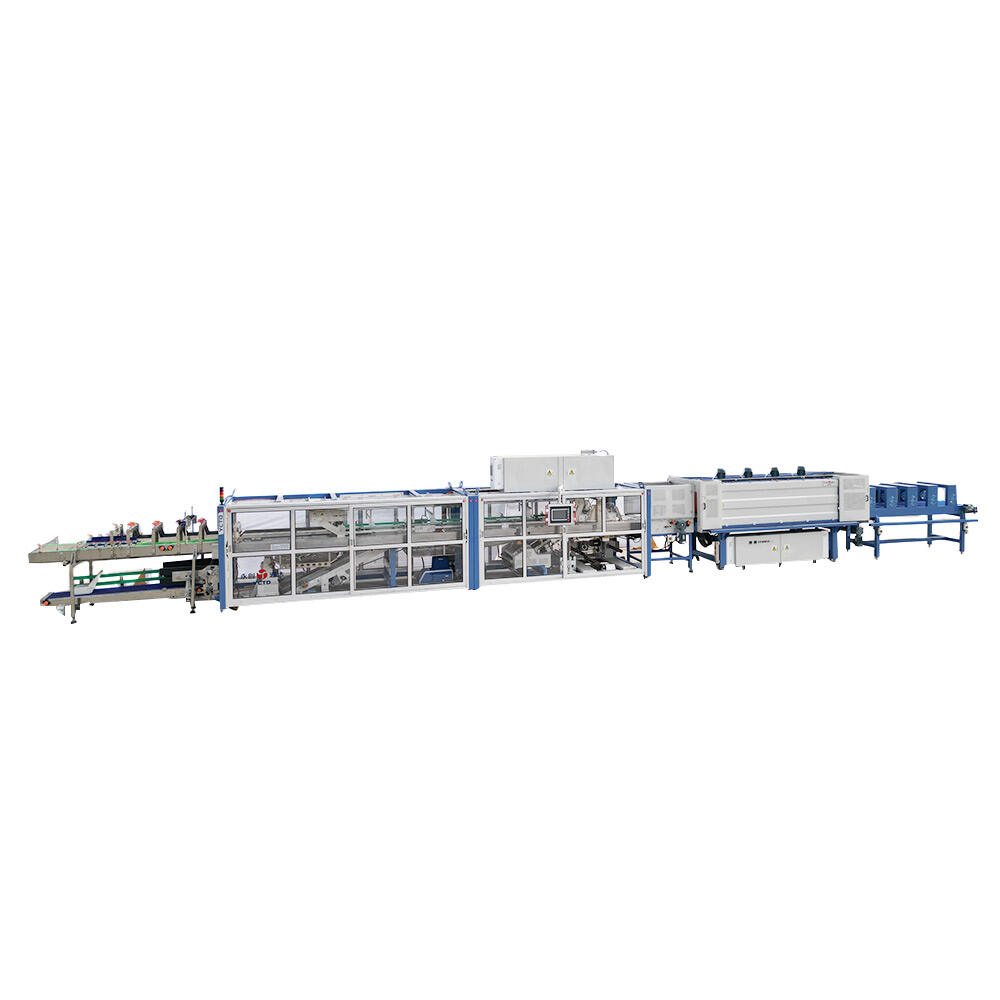
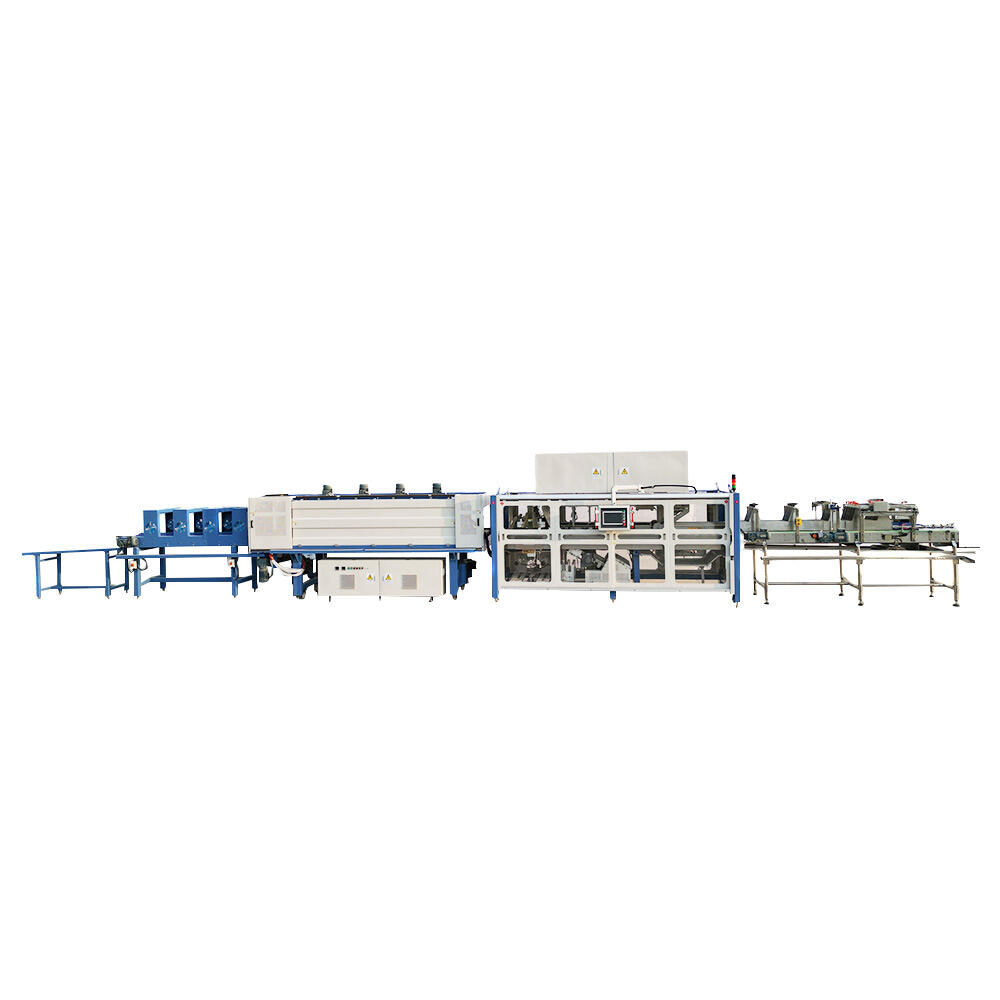
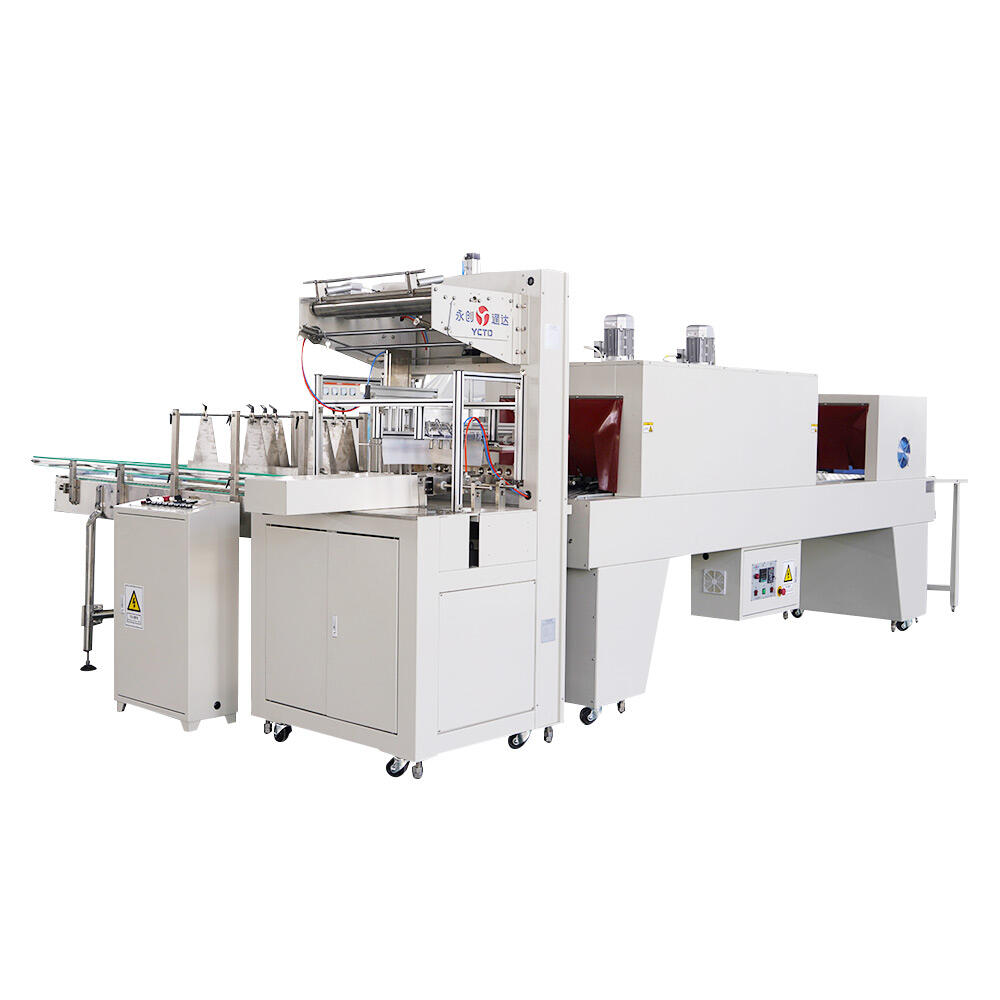
The cask depalletizer excels in accommodating diverse container specifications and enabling rapid production changeovers that maximize manufacturing flexibility and operational efficiency. The equipment features adjustable gripper systems that automatically resize to accommodate containers ranging from small kegs to large industrial barrels without manual intervention or tool changes. Pneumatic gripper arms extend and contract based on container dimensions detected by integrated vision systems or selected from pre-programmed recipes, ensuring secure handling regardless of container size variations. Height adjustment capabilities allow the system to handle containers of different heights within the same production run, automatically adapting lift distances and positioning sequences to optimize cycle times and prevent collisions. The flexible design accommodates various container materials including stainless steel, aluminum, plastic, and composite materials, with gripper surfaces that provide secure contact without damaging delicate finishes or coatings. Quick-change tooling systems enable rapid conversion between different container types, with magnetic or pneumatic tool mounting systems that reduce changeover times from hours to minutes. Recipe management software stores handling parameters for hundreds of different container specifications, allowing operators to select appropriate settings through simple touch screen interfaces without complex programming knowledge. The cask depalletizer automatically adjusts conveyor heights, gripper pressures, and movement speeds based on selected container recipes, ensuring optimal handling performance for each product type. Vision systems verify container orientation and positioning before handling operations commence, preventing damage caused by misaligned or improperly positioned containers. The equipment handles both uniform and mixed pallet configurations, automatically identifying container types and positions through advanced image processing algorithms. Barcode or RFID reading capabilities enable automatic recipe selection based on container identification, eliminating operator selection errors and ensuring consistent handling parameters. The flexible accommodation extends to pallet configurations, with the system adapting to various pallet sizes, container arrangements, and stacking patterns commonly used in different industries. Quality control features ensure consistent container positioning regardless of incoming variations, while adaptive algorithms learn from handling experience to optimize performance for frequently processed container types. This flexibility enables facilities to respond quickly to market demands, process special orders, and introduce new products without significant equipment modifications or downtime.

 EN
EN