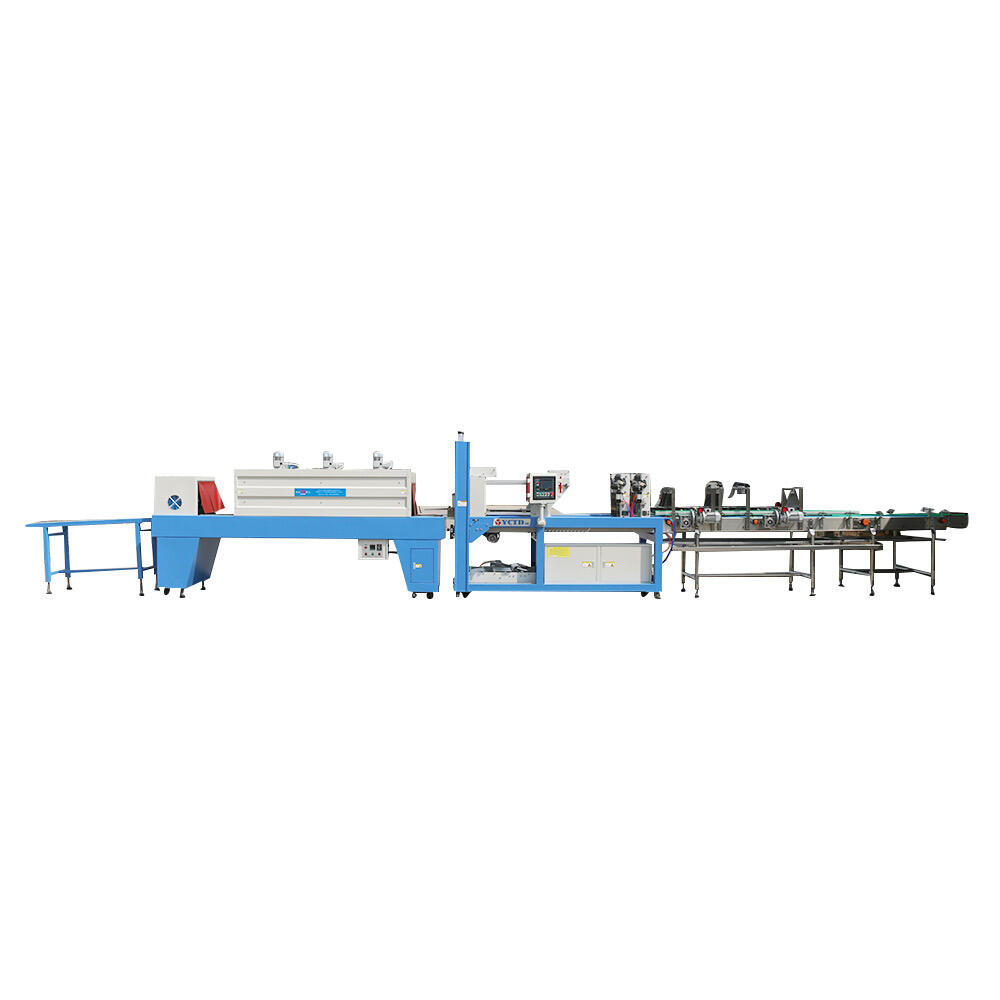
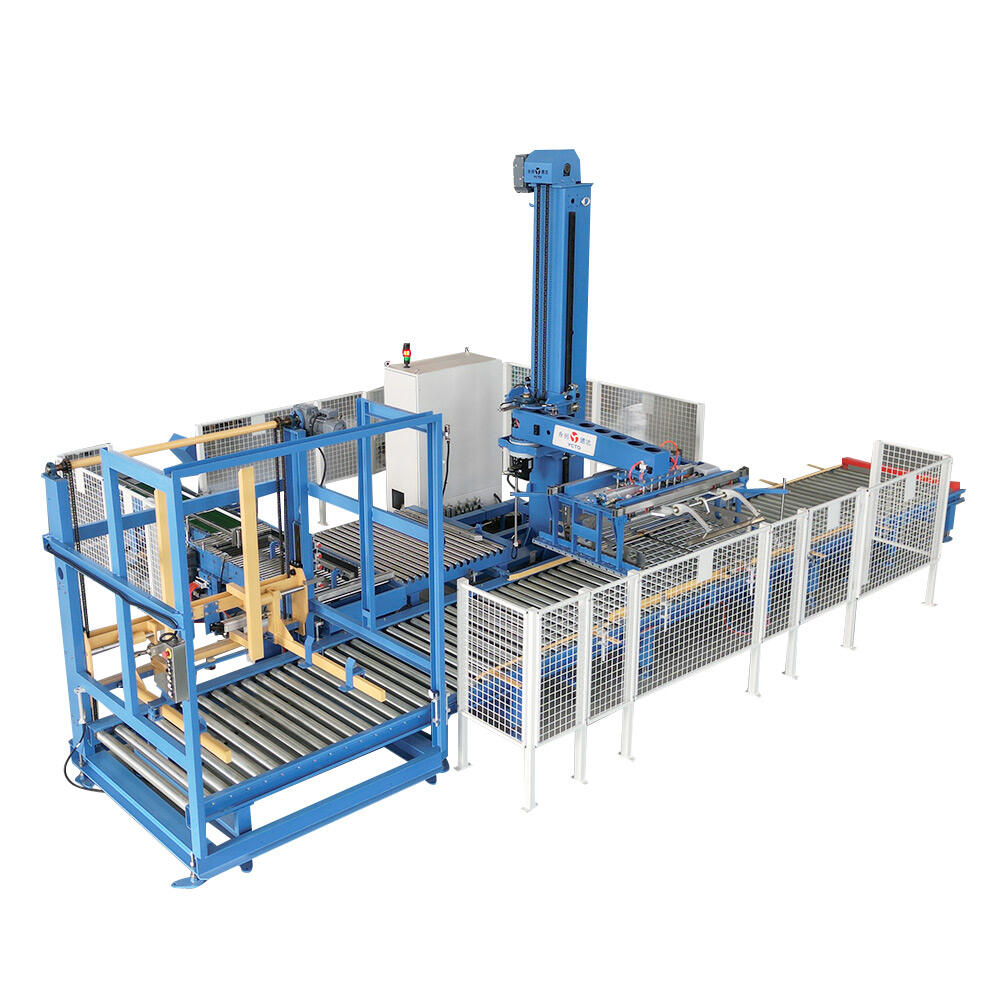
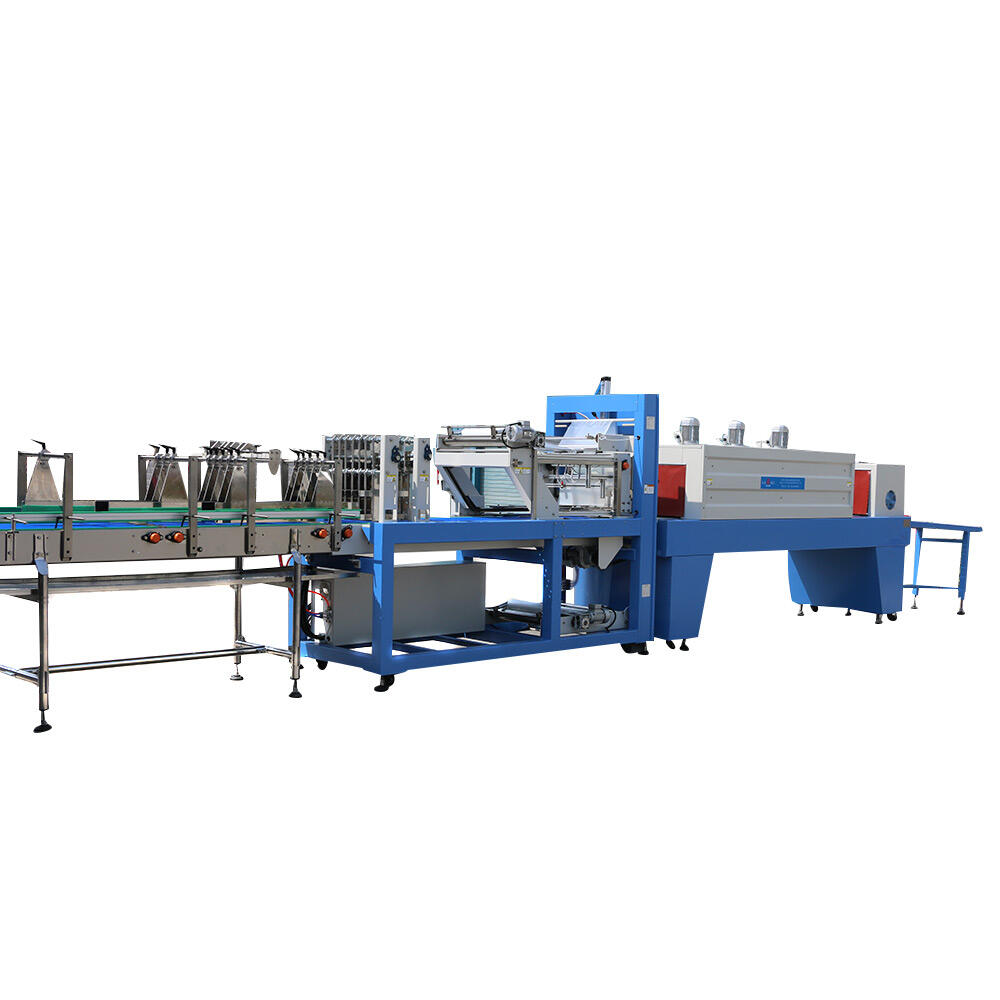
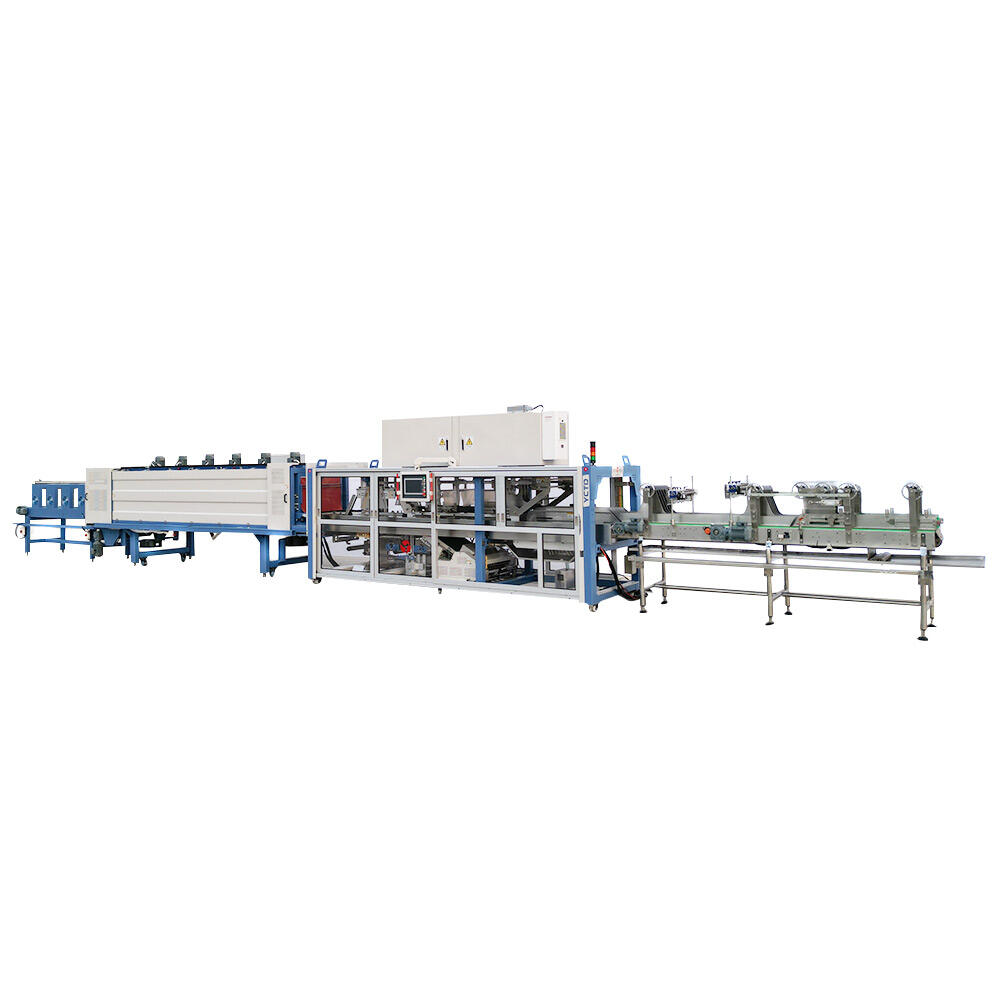
Robotic Palletizer and Depalletizer Systems: Advanced Automated Material Handling Solutions

All Categories

robotic palletizer and depalletizer

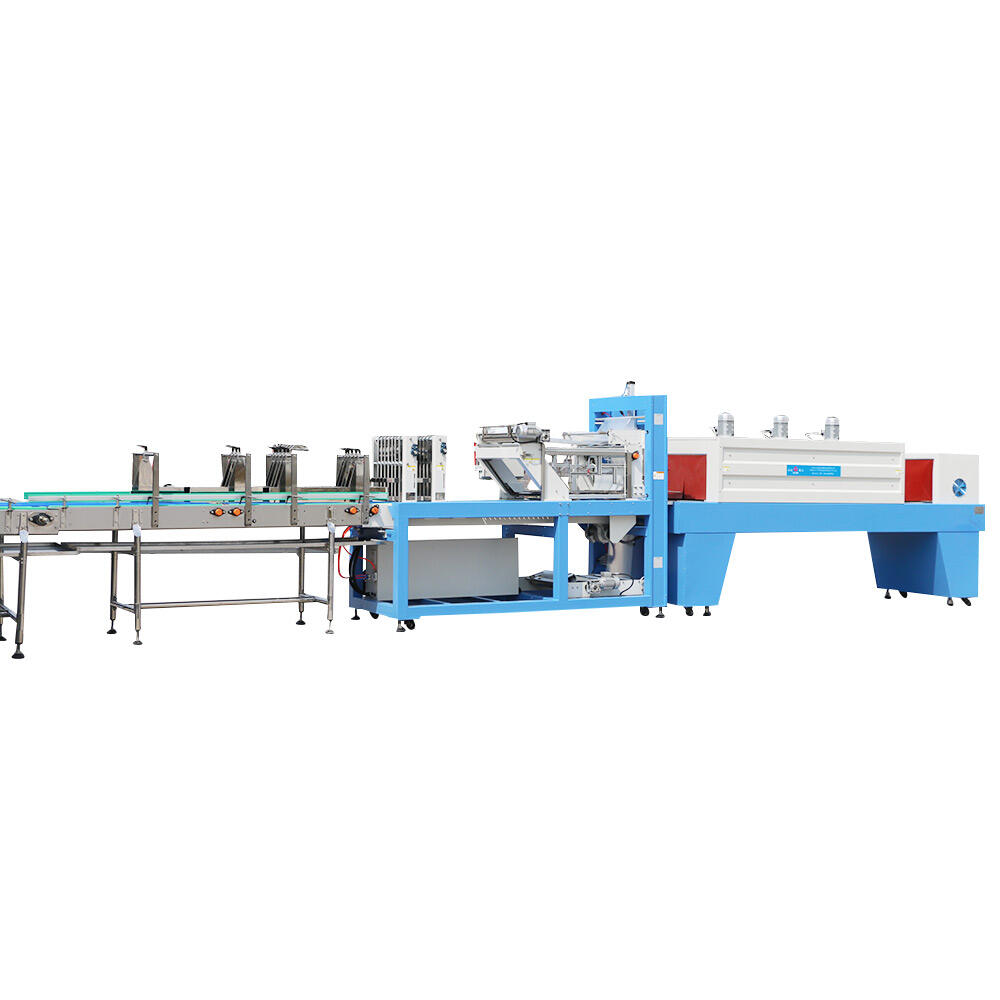
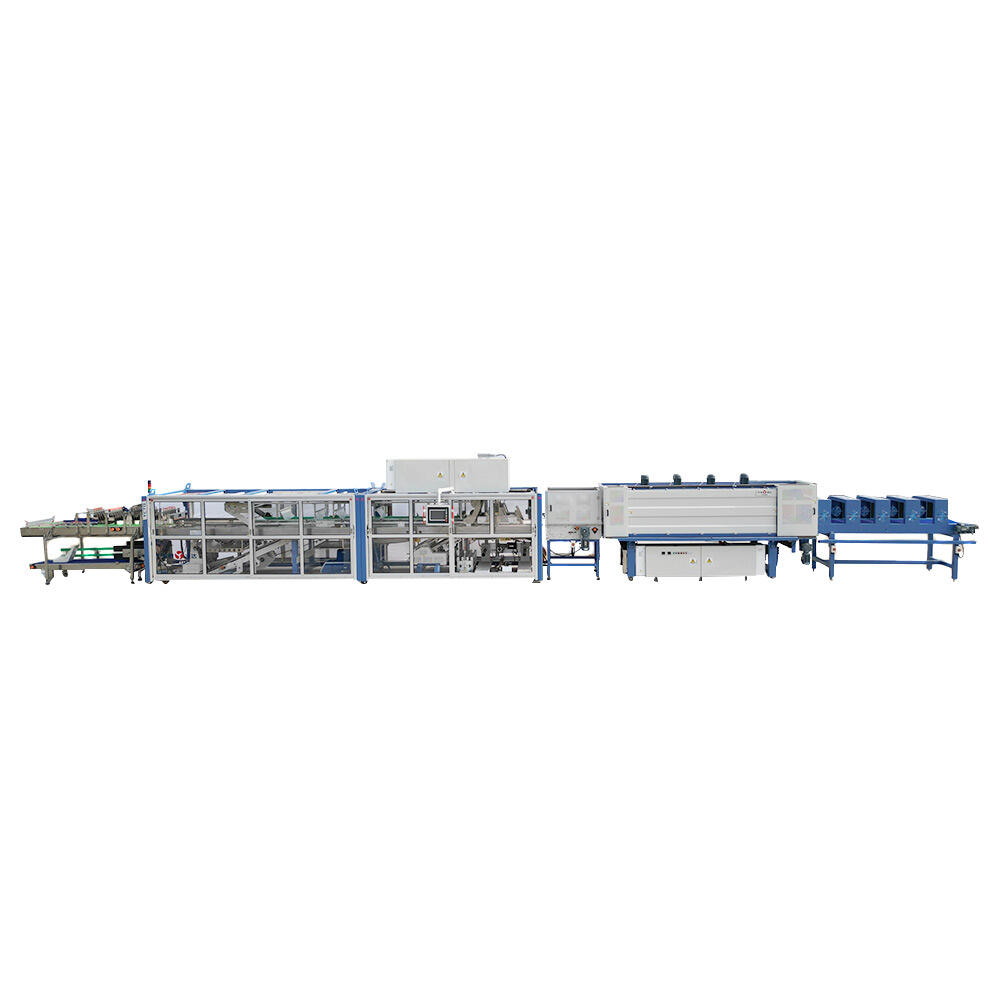
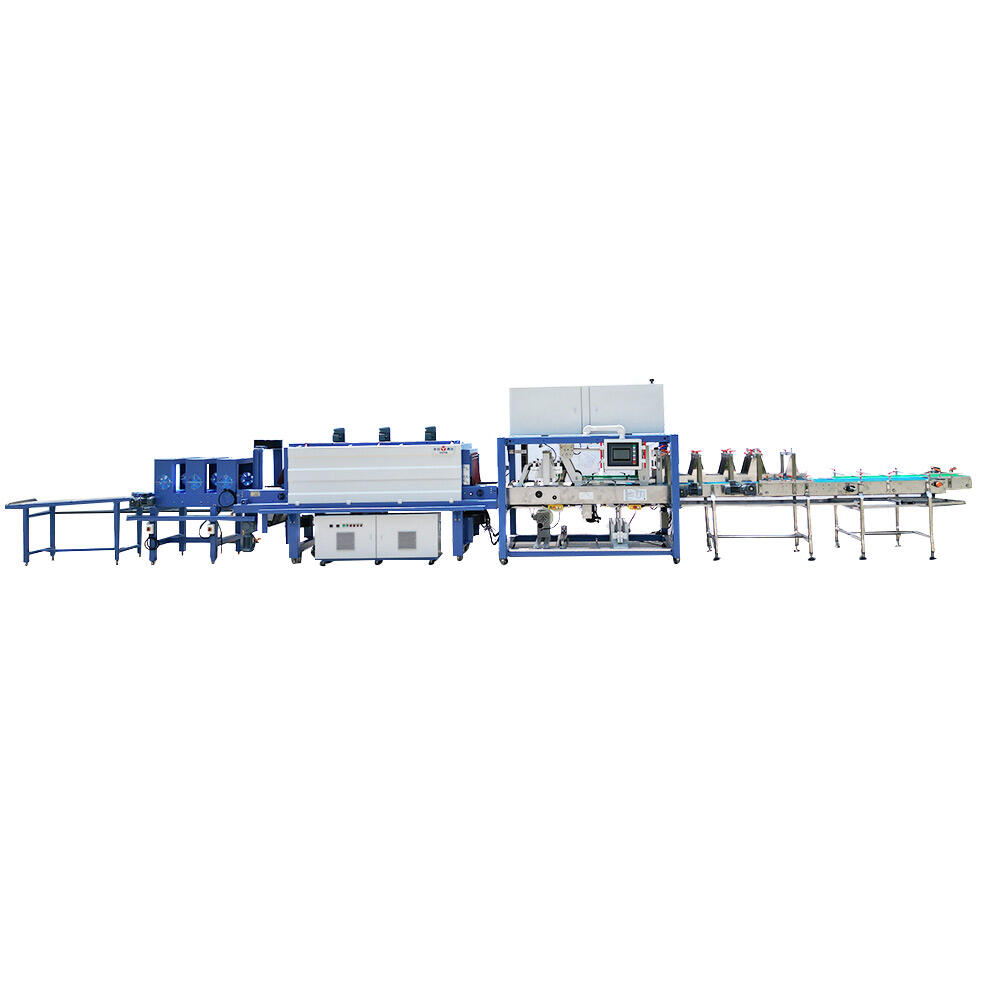
A robotic palletizer and depalletizer represents cutting-edge warehouse automation technology that revolutionizes material handling operations across diverse industries. The robotic palletizer systematically arranges products, packages, or containers onto pallets in predetermined patterns, while the depalletizer performs the reverse operation by removing items from pallets and organizing them for subsequent processing stages. These sophisticated machines integrate advanced robotics, computer vision systems, and intelligent software algorithms to deliver precise, efficient, and consistent performance in demanding industrial environments. The primary functions of robotic palletizer and depalletizer systems encompass automated case handling, pattern formation, layer building, and product positioning with exceptional accuracy. Modern robotic palletizer units utilize multi-axis articulated arms equipped with specialized end-effectors that can accommodate various product shapes, sizes, and weights. The technological architecture incorporates servo-driven motors, programmable logic controllers, safety sensors, and user-friendly human-machine interfaces that facilitate seamless operation and monitoring. Vision-guided systems enable real-time product recognition, orientation detection, and quality verification throughout the palletizing and depalletizing processes. These automated solutions find extensive applications in food and beverage manufacturing, pharmaceutical production, consumer goods packaging, automotive parts distribution, and chemical processing facilities. The robotic palletizer and depalletizer technology supports multiple pallet sizes, accommodates diverse packaging formats, and integrates seamlessly with existing conveyor systems, warehouse management software, and enterprise resource planning platforms. Advanced programming capabilities allow operators to create custom palletizing patterns, adjust cycle speeds, and optimize throughput based on specific operational requirements. The modular design philosophy ensures scalability, enabling businesses to expand their automation capabilities as production demands increase while maintaining consistent performance standards and operational reliability throughout extended operational periods.


New Product Recommendations

The implementation of robotic palletizer and depalletizer systems delivers substantial operational improvements that directly impact business productivity and profitability. These automated solutions dramatically increase throughput rates compared to manual palletizing operations, with modern robotic palletizer units achieving speeds of up to 2000 cases per hour while maintaining consistent accuracy levels. The precision engineering eliminates human error factors, ensuring uniform pallet construction that maximizes storage density and reduces product damage during transportation and warehousing activities. Labor cost reduction represents a significant financial advantage, as robotic palletizer and depalletizer systems operate continuously without breaks, overtime compensation, or workforce turnover concerns that traditionally affect manual operations. The enhanced workplace safety benefits cannot be overstated, as these automated systems eliminate repetitive strain injuries, reduce workplace accidents, and create safer working environments by removing personnel from potentially hazardous material handling tasks. Flexibility stands as another compelling advantage, with programmable robotic palletizer units easily adapting to new product lines, packaging changes, and seasonal demand fluctuations without requiring extensive reconfiguration or additional equipment investments. The consistent quality output ensures reliable pallet stability, proper weight distribution, and standardized stacking patterns that optimize warehouse space utilization and improve inventory management processes. Energy efficiency features built into modern robotic palletizer and depalletizer systems contribute to reduced operational costs through optimized power consumption and intelligent standby modes during idle periods. The integration capabilities allow seamless connectivity with existing production lines, quality control systems, and inventory tracking software, creating comprehensive automated workflows that enhance overall operational efficiency. Maintenance requirements remain minimal due to robust construction and advanced diagnostic systems that provide predictive maintenance alerts, reducing unexpected downtime and extending equipment lifespan. The return on investment typically materializes within 18 to 24 months through combined savings in labor costs, reduced product damage, improved throughput, and enhanced operational efficiency. These systems also provide valuable data analytics capabilities, generating detailed performance reports that enable continuous process optimization and informed decision-making for future expansion planning.

Tips And Tricks

Can Carton Packaging Machines Enhance Branding and Product Safety?

20

Nov

Can Carton Packaging Machines Enhance Branding and Product Safety?

The Evolution of Modern Packaging Technology In today's competitive market, packaging plays a crucial role beyond mere product containment. Carton packaging machines have revolutionized how businesses approach both their branding strategy and product...
View More
How Does a Palletizer Improve Warehouse Efficiency?

19

Dec

How Does a Palletizer Improve Warehouse Efficiency?

Modern warehousing operations face unprecedented pressure to optimize efficiency while maintaining accuracy and safety standards. The integration of automated equipment has become essential for businesses seeking to remain competitive in today's fast...
View More
How to Choose the Right Shrink Wrapper for Your Production Line

04

Feb

How to Choose the Right Shrink Wrapper for Your Production Line

Selecting the appropriate shrink wrapper for your manufacturing facility requires careful consideration of multiple factors that directly impact productivity, cost-effectiveness, and product quality. Modern production lines demand reliable packaging ...
View More
How a Shrink Film Packaging Machine Can Reduce Your Labor Costs

04

Feb

How a Shrink Film Packaging Machine Can Reduce Your Labor Costs

Manufacturing facilities across industries face mounting pressure to optimize operations while reducing overhead costs. Among the most significant expenses confronting production managers today are labor costs, which continue to escalate due to risin...
View More

Get a Free Quote

Our representative will contact you soon.
Company Name
Name
Email
Mobile/WhatsApp
Message
0/1000

robotic palletizer and depalletizer

Advanced Vision-Guided Precision Technology

Advanced Vision-Guided Precision Technology

The revolutionary vision-guided technology integrated within modern robotic palletizer and depalletizer systems represents a quantum leap in automated material handling precision and reliability. This sophisticated technology employs high-resolution cameras, laser scanners, and artificial intelligence algorithms to create real-time three-dimensional mapping of products, pallets, and workspace environments. The vision system continuously monitors product orientation, detects packaging defects, and verifies proper placement accuracy with sub-millimeter precision throughout every palletizing and depalletizing cycle. Advanced pattern recognition capabilities enable the robotic palletizer to identify various product types automatically, adjust gripper configurations accordingly, and execute optimal stacking sequences without manual intervention or programming changes. The intelligent vision system also performs quality control functions by detecting damaged packages, incorrect labeling, or dimensional anomalies that could compromise pallet stability or product integrity. This comprehensive visual inspection capability eliminates defective products from the palletizing process, reducing downstream quality issues and customer complaints while maintaining consistent output standards. The adaptive learning algorithms continuously improve performance by analyzing historical data patterns, optimizing movement trajectories, and reducing cycle times through predictive positioning strategies. Environmental adaptability ensures reliable operation under varying lighting conditions, temperature fluctuations, and workspace configurations commonly encountered in industrial settings. The vision-guided technology also enables dynamic obstacle avoidance, allowing the robotic palletizer and depalletizer to navigate around temporary obstructions while maintaining operational continuity and safety protocols. Integration with warehouse management systems provides real-time inventory tracking, automatic product identification, and seamless data exchange that enhances supply chain visibility and traceability. The user-friendly programming interface allows operators to configure new product profiles, adjust vision parameters, and troubleshoot system performance without requiring specialized technical expertise, significantly reducing training requirements and operational complexity.
Exceptional Versatility and Multi-Product Handling Capabilities

Exceptional Versatility and Multi-Product Handling Capabilities

The remarkable versatility of modern robotic palletizer and depalletizer systems enables businesses to handle diverse product portfolios with unprecedented efficiency and adaptability. These sophisticated machines accommodate an extensive range of packaging formats including cases, bags, bottles, cans, drums, and irregularly shaped containers without requiring significant hardware modifications or lengthy changeover procedures. The modular end-effector design philosophy allows rapid tool changes to match specific product characteristics, with pneumatic, vacuum, mechanical, and magnetic gripper options available to optimize handling performance for different materials and geometries. Advanced programming capabilities enable operators to create unlimited palletizing patterns, layer configurations, and stacking sequences that maximize pallet density while ensuring structural integrity and transportation stability. The robotic palletizer systems support multiple pallet sizes simultaneously, automatically adjusting operational parameters based on real-time pallet type recognition and pre-programmed handling protocols. Weight handling capabilities span from lightweight consumer products weighing mere ounces to heavy industrial components exceeding 200 pounds, with integrated load sensors providing continuous weight monitoring and automatic adjustment of handling speeds to prevent product damage. The intelligent software platform stores extensive product libraries containing handling parameters, stacking rules, and quality specifications that can be recalled instantly when production schedules change or new products are introduced. Seasonal adaptability allows manufacturers to efficiently process holiday packaging, promotional items, and limited-edition products without disrupting established production workflows or requiring additional equipment investments. The multi-line integration capabilities enable single robotic palletizer and depalletizer installations to service multiple production lines simultaneously, optimizing capital utilization and reducing per-unit automation costs across diverse manufacturing operations. Custom programming options accommodate unique industry requirements such as pharmaceutical serialization, food safety protocols, and hazardous material handling procedures while maintaining compliance with relevant regulatory standards and quality certifications. This exceptional versatility translates directly into improved operational flexibility, reduced inventory carrying costs, and enhanced responsiveness to market demand fluctuations that characterize modern manufacturing environments.
Superior ROI Through Operational Excellence and Cost Optimization

Superior ROI Through Operational Excellence and Cost Optimization

The implementation of robotic palletizer and depalletizer systems delivers exceptional return on investment through comprehensive operational improvements and substantial cost optimization across multiple business dimensions. Labor cost savings represent the most immediate and measurable benefit, with automated systems eliminating the need for dedicated palletizing personnel while redirecting human resources to higher-value activities such as quality control, maintenance, and process optimization. The consistent 24/7 operational capability ensures maximum production throughput without overtime expenses, holiday premiums, or workforce availability constraints that traditionally limit manufacturing flexibility and increase operational costs. Product damage reduction contributes significantly to improved profitability, as precise robotic handling eliminates the crushing, dropping, and mishandling incidents common in manual operations that result in product waste, customer returns, and damaged reputation. The enhanced pallet stability achieved through consistent stacking patterns and optimal weight distribution reduces transportation damage, improves warehouse storage efficiency, and minimizes product loss throughout the supply chain. Energy efficiency features built into modern robotic palletizer and depalletizer systems contribute to reduced utility costs through intelligent power management, regenerative braking systems, and optimized movement algorithms that minimize energy consumption during peak operational periods. Maintenance cost optimization results from predictive diagnostic systems that monitor component wear, lubrication levels, and performance parameters to schedule preventive maintenance activities during planned downtime rather than responding to unexpected failures that disrupt production schedules. The extended equipment lifespan achieved through proper maintenance and quality construction ensures sustained performance over 15-20 year operational periods, maximizing capital investment value and reducing replacement costs compared to traditional material handling equipment. Insurance premium reductions often accompany robotic installations due to improved workplace safety records, reduced injury claims, and enhanced operational predictability that insurance providers recognize through favorable policy terms. The comprehensive data collection capabilities enable continuous process improvement initiatives that identify efficiency opportunities, optimize production scheduling, and support evidence-based decision making for future expansion investments that compound the initial automation benefits throughout extended operational periods.
Robotic Palletizer and Depalletizer Systems: Advanced Automated Material Handling Solutions

Get a Free Quote

Our representative will contact you soon.
Company Name
Name
Email
Mobile/WhatsApp
Message
0/1000