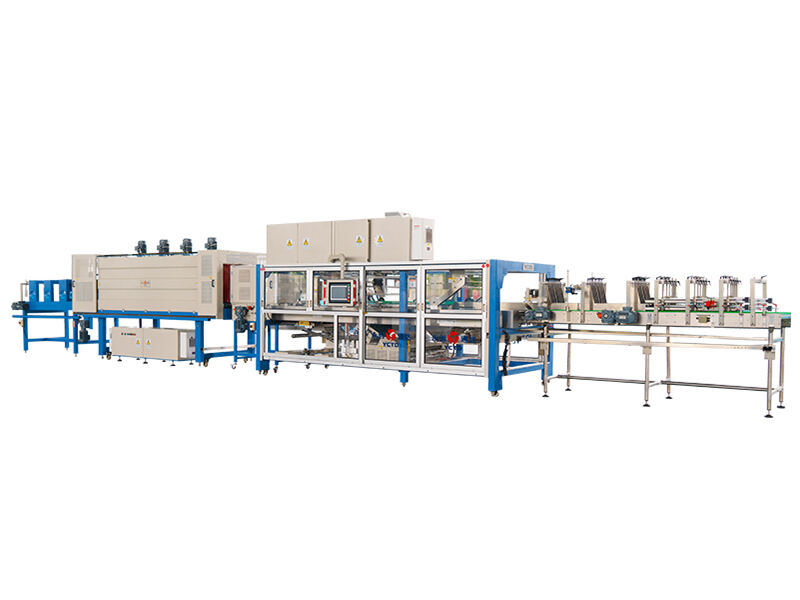
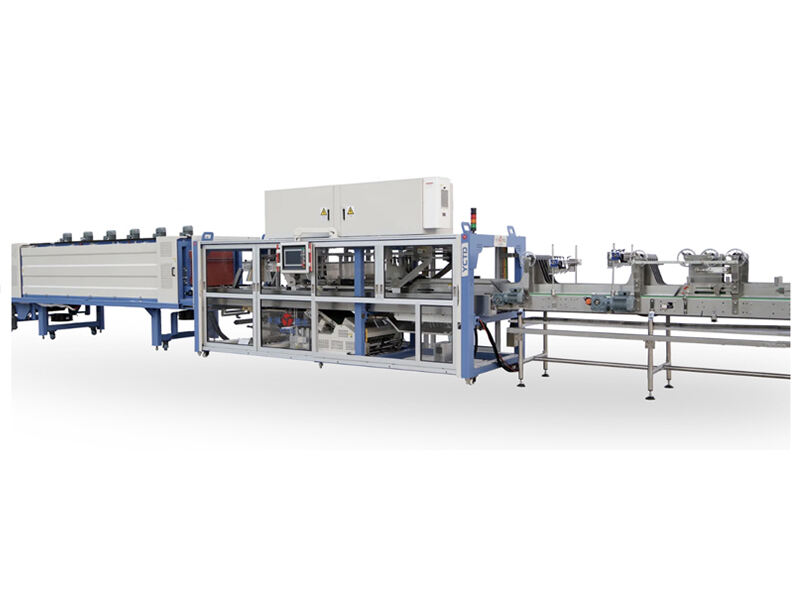
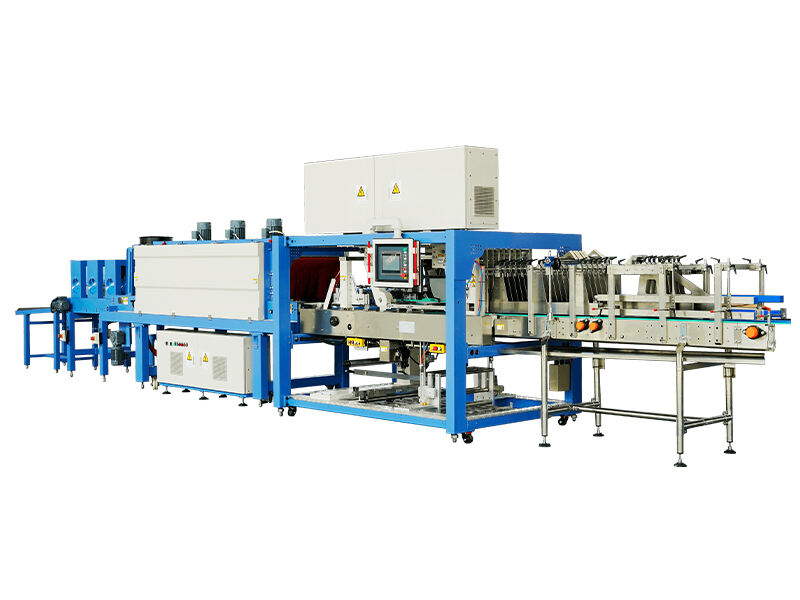
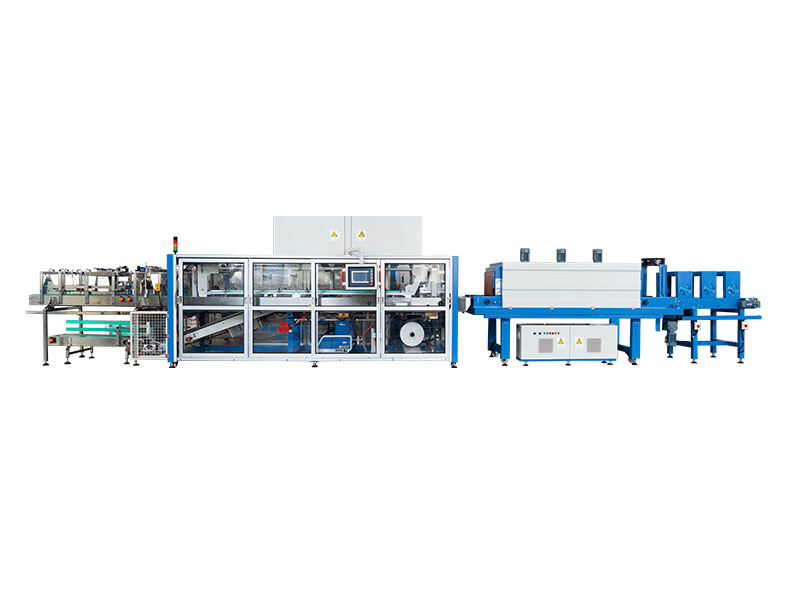
Robotic Depalletizer Solutions - Advanced Automated Material Handling Systems

All Categories

robotic depalletizer

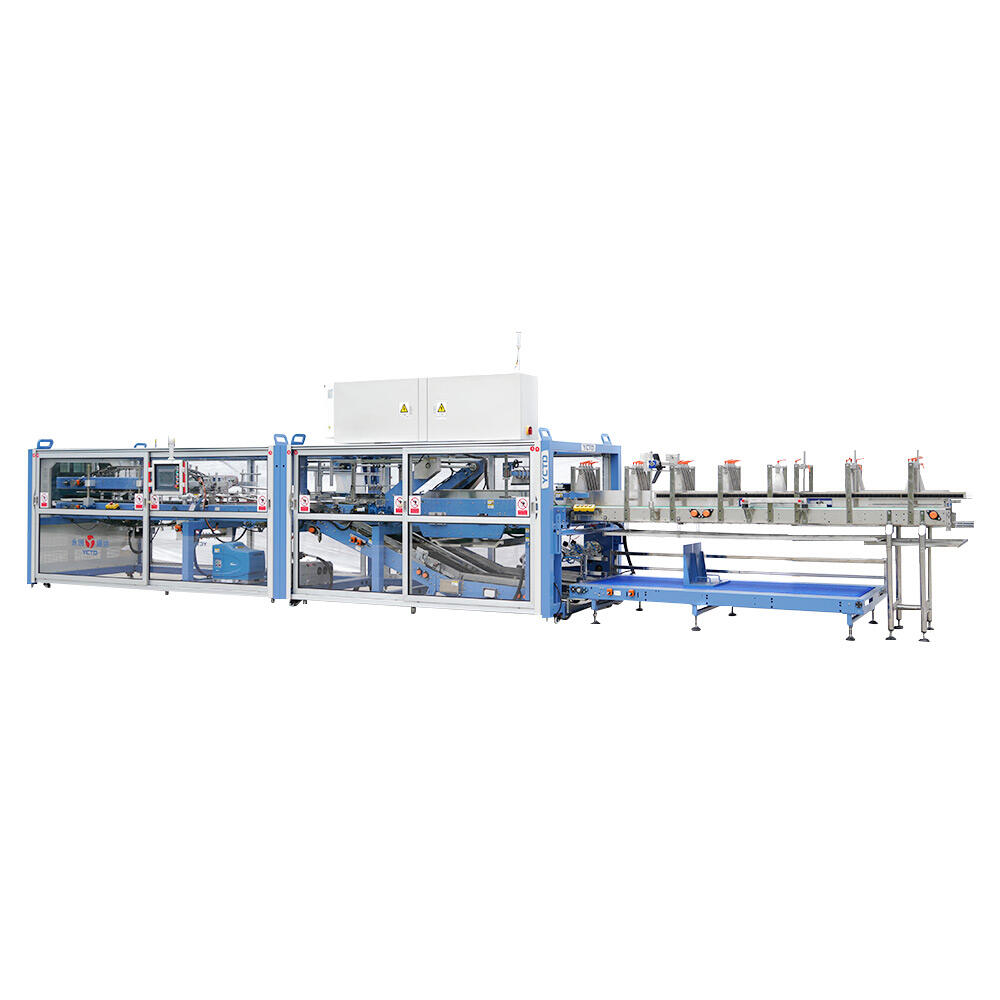
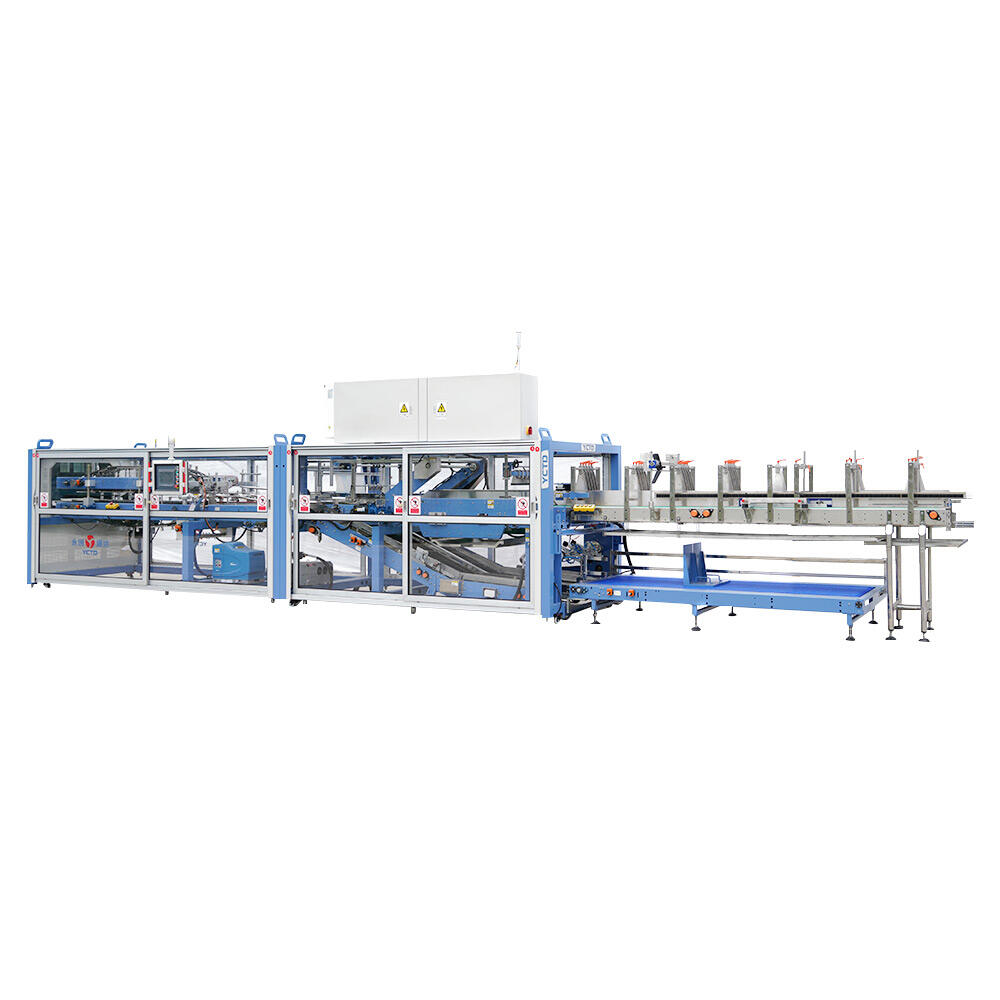
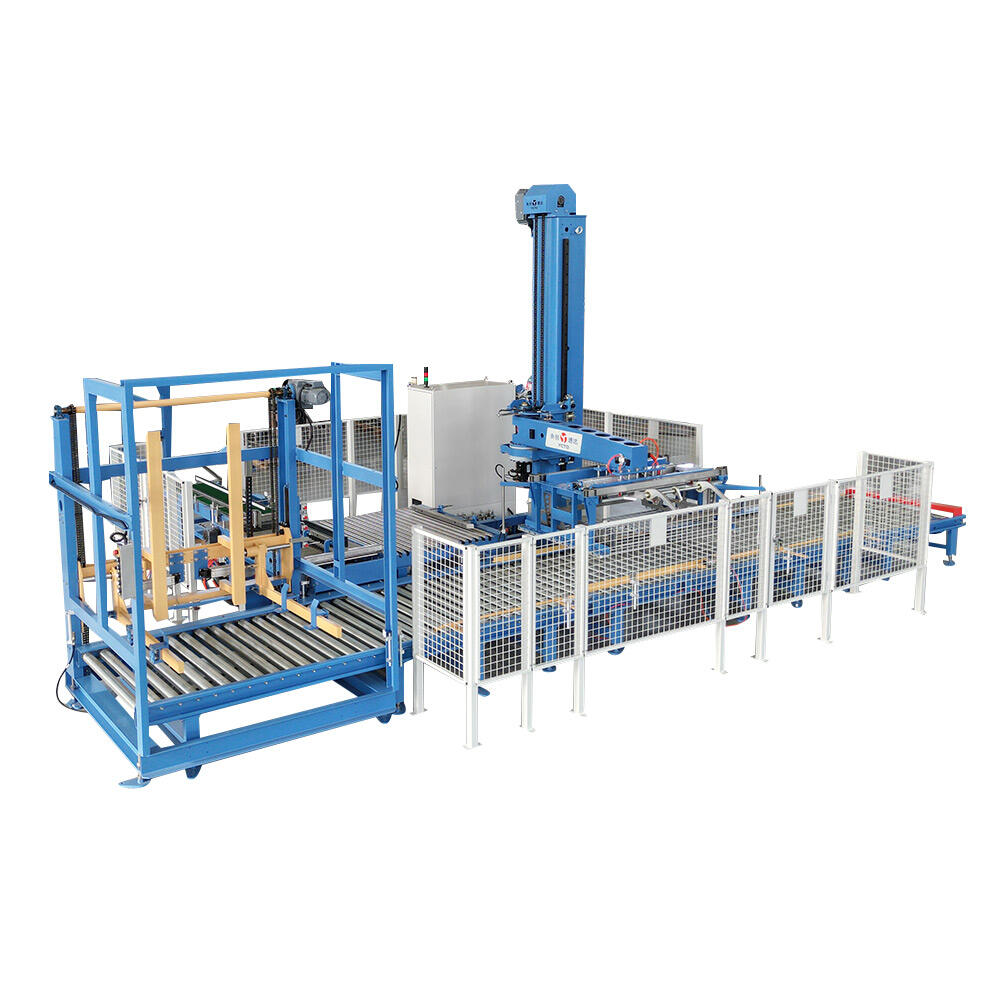
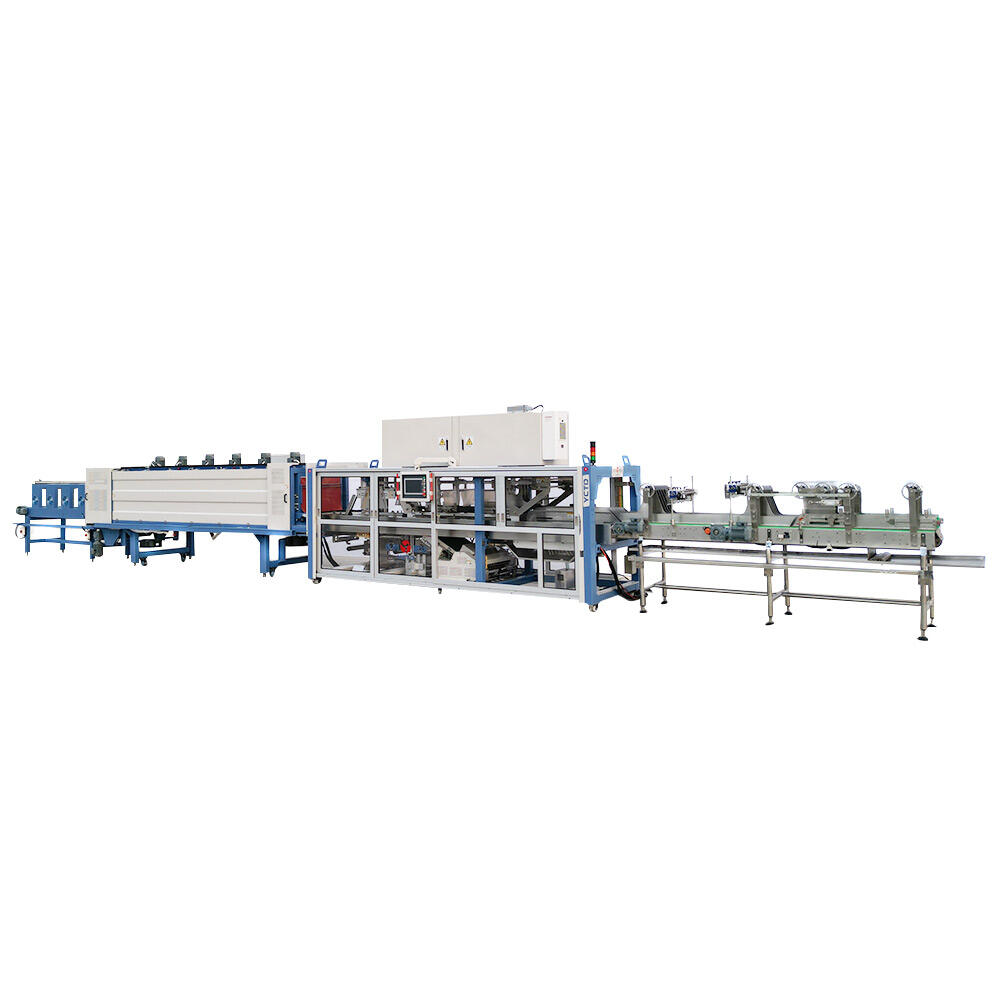
A robotic depalletizer represents cutting-edge automation technology designed to streamline material handling operations in warehouses, distribution centers, and manufacturing facilities. This sophisticated system automatically removes products, cases, or containers from pallets with precision and consistency. The robotic depalletizer combines advanced robotics, computer vision, and intelligent software to perform complex depalletizing tasks that traditionally required manual labor. Modern robotic depalletizer systems feature articulated robotic arms equipped with specialized end-effectors that can handle various product types, shapes, and sizes. These machines utilize sophisticated sensors and cameras to identify product positioning, orientation, and stacking patterns on incoming pallets. The robotic depalletizer integrates seamlessly with existing conveyor systems and warehouse management software, creating a fully automated material flow solution. Key technological features include force feedback sensors that prevent damage to delicate products, programmable logic controllers for precise operation sequencing, and adaptive gripping systems that adjust to different packaging formats. Vision systems enable the robotic depalletizer to recognize mixed-case pallets and handle irregular stacking patterns automatically. Safety systems incorporate light curtains, emergency stops, and collision detection to ensure safe operation around human workers. The robotic depalletizer finds extensive applications across multiple industries including food and beverage, pharmaceuticals, consumer goods, automotive parts, and retail distribution. In beverage operations, these systems handle cases of bottles and cans efficiently. Food processing facilities use robotic depalletizer technology to manage packaged goods while maintaining hygiene standards. Pharmaceutical companies rely on these systems for precise handling of sensitive products requiring contamination-free environments. The robotic depalletizer significantly reduces dependency on manual labor while improving workplace safety by eliminating repetitive lifting tasks that can cause worker injuries. These systems operate continuously without breaks, fatigue, or performance degradation, ensuring consistent throughput rates throughout production shifts.


Popular Products

The robotic depalletizer delivers substantial operational improvements that directly impact business profitability and efficiency. Companies implementing robotic depalletizer systems experience immediate labor cost reductions as these machines eliminate the need for multiple workers dedicated to manual depalletizing tasks. The robotic depalletizer operates continuously for extended periods, typically running 16 to 24 hours daily without requiring breaks, shift changes, or overtime compensation. This continuous operation capability allows businesses to process significantly more pallets compared to manual operations, increasing overall throughput capacity. Worker safety improvements represent another critical advantage of robotic depalletizer implementation. Manual depalletizing exposes employees to repetitive stress injuries, back strain, and potential accidents from lifting heavy cases or awkwardly positioned products. The robotic depalletizer eliminates these workplace hazards by handling all lifting and positioning tasks automatically. Enhanced product handling accuracy ensures consistent quality control throughout the depalletizing process. The robotic depalletizer uses precise positioning systems and gentle handling techniques that minimize product damage compared to manual operations where human error or fatigue can lead to dropped or damaged goods. Flexibility stands as a major advantage of modern robotic depalletizer systems. These machines can be reprogrammed to handle different product types, case sizes, and pallet configurations without requiring significant downtime or retooling. The robotic depalletizer adapts quickly to seasonal product changes or new product introductions that would typically require retraining human workers. Space optimization becomes achievable with robotic depalletizer installation since these systems require smaller footprints compared to manual depalletizing stations that need wider aisles for worker movement and material handling equipment. The robotic depalletizer can operate in tighter spaces while maintaining full functionality. Predictable operating costs make financial planning more accurate since robotic depalletizer systems have known maintenance schedules, energy consumption rates, and depreciation timelines. Unlike labor costs that fluctuate with wage increases, benefits, and turnover, the robotic depalletizer provides stable operational expenses. Data collection and process monitoring capabilities of robotic depalletizer systems enable better inventory tracking and operational analysis. These machines generate detailed reports on throughput rates, cycle times, and maintenance requirements that help optimize overall warehouse performance.

Latest News

Can a Case Packer Reduce Labor Costs and Increase Productivity?

20

Nov

Can a Case Packer Reduce Labor Costs and Increase Productivity?

Understanding the Impact of Automated Case Packing Solutions In today's competitive manufacturing environment, optimizing operational efficiency while managing costs has become more crucial than ever. The implementation of a case packer represents a ...
View More
How Carton Packaging Machines Improve Speed and Consistency?

20

Nov

How Carton Packaging Machines Improve Speed and Consistency?

The Evolution of Modern Packaging Automation The packaging industry has undergone a remarkable transformation with the introduction of carton packaging machines. These sophisticated pieces of equipment have revolutionized how manufacturers handle the...
View More
Why Choose a Palletizer for Automated Packaging Solutions?

19

Dec

Why Choose a Palletizer for Automated Packaging Solutions?

Modern manufacturing facilities face increasing pressure to optimize their packaging operations while maintaining product quality and reducing labor costs. A palletizer represents a transformative solution that addresses these challenges by automatin...
View More
How a Shrink Film Packaging Machine Can Reduce Your Labor Costs

04

Feb

How a Shrink Film Packaging Machine Can Reduce Your Labor Costs

Manufacturing facilities across industries face mounting pressure to optimize operations while reducing overhead costs. Among the most significant expenses confronting production managers today are labor costs, which continue to escalate due to risin...
View More

Get a Free Quote

Our representative will contact you soon.
Company Name
Name
Email
Mobile/WhatsApp
Message
0/1000

robotic depalletizer

Advanced Vision Technology and Intelligent Recognition

Advanced Vision Technology and Intelligent Recognition

The robotic depalletizer incorporates sophisticated computer vision systems that revolutionize automated material handling through intelligent product recognition and adaptive processing capabilities. This advanced vision technology enables the robotic depalletizer to analyze incoming pallets in real-time, identifying product types, orientations, and positioning with remarkable accuracy. The system uses multiple high-resolution cameras positioned at strategic angles to capture comprehensive three-dimensional images of pallet loads, processing this visual data through artificial intelligence algorithms that continuously learn and improve recognition patterns. The robotic depalletizer vision system can distinguish between different packaging formats, detect damaged or misaligned products, and automatically adjust handling procedures accordingly. This intelligent recognition capability allows the robotic depalletizer to process mixed-case pallets containing various products without requiring manual programming changes or operator intervention. The vision technology compensates for pallet variations, uneven stacking, and packaging inconsistencies that commonly occur in real-world applications. Advanced lighting systems integrated into the robotic depalletizer ensure consistent image quality regardless of ambient warehouse conditions, while specialized filters and lenses optimize recognition accuracy for reflective, transparent, or dark-colored packaging materials. The robotic depalletizer learning algorithms continuously refine recognition parameters based on operational experience, improving performance over time and reducing false readings or handling errors. This vision technology integration eliminates the need for specialized pallet preparation or product pre-positioning requirements that limit flexibility in traditional automated systems. The robotic depalletizer can handle products arriving on pallets in various conditions, from factory-perfect arrangements to slightly disheveled loads that might result from transportation or handling irregularities. Quality control features embedded within the vision system enable the robotic depalletizer to identify and segregate damaged products automatically, maintaining product integrity throughout the depalletizing process. The system generates detailed visual logs and reports that provide valuable insights into product conditions, handling patterns, and operational efficiency metrics that support continuous improvement initiatives.
Flexible End-Effector Technology for Diverse Product Handling

Flexible End-Effector Technology for Diverse Product Handling

The robotic depalletizer features innovative end-effector technology that adapts seamlessly to handle diverse product categories, packaging formats, and handling requirements without compromising speed or accuracy. This flexibility represents a fundamental advantage over traditional fixed automation systems that require dedicated equipment for each product type. The robotic depalletizer utilizes interchangeable end-effector systems that can be automatically selected and positioned based on product requirements detected by the vision system. Vacuum-based end-effectors excel at handling smooth-surfaced packages, cases, and containers by creating secure suction grips that distribute lifting forces evenly across product surfaces. Mechanical gripper end-effectors provide reliable handling for irregularly shaped products, bottles, or items requiring precise positioning control during the depalletizing process. The robotic depalletizer can switch between different end-effector types automatically during operation, enabling processing of mixed-product pallets without manual intervention or system reconfiguration. Advanced force control systems integrated into the robotic depalletizer end-effectors provide gentle handling for fragile products while maintaining secure gripping for heavier items. These systems continuously monitor grip force and automatically adjust pressure levels to prevent product damage while ensuring reliable handling throughout the lifting and positioning sequence. Tool-changing capabilities allow the robotic depalletizer to adapt to new product introductions or seasonal variations quickly and efficiently. The system maintains a library of end-effector configurations that can be recalled and implemented through simple programming changes, reducing changeover times and minimizing production disruptions. Specialized end-effectors designed for specific industries enhance the robotic depalletizer versatility, including hygienic designs for food and pharmaceutical applications, spark-resistant options for hazardous environments, and temperature-resistant configurations for extreme operating conditions. The modular design of robotic depalletizer end-effector systems enables easy maintenance and replacement, minimizing downtime and ensuring consistent operational availability. Predictive maintenance features monitor end-effector performance parameters and provide advance warning of potential issues, enabling proactive maintenance scheduling that prevents unexpected failures and maintains optimal system performance.
Seamless Integration and Scalable Automation Solutions

Seamless Integration and Scalable Automation Solutions

The robotic depalletizer excels in providing seamless integration capabilities that connect effortlessly with existing warehouse infrastructure while offering scalable automation solutions that grow with business requirements. This integration flexibility makes the robotic depalletizer an ideal solution for companies seeking to modernize their material handling operations without requiring complete facility redesigns or extensive infrastructure modifications. The robotic depalletizer communicates directly with warehouse management systems, enterprise resource planning software, and inventory control platforms through standardized communication protocols that ensure real-time data exchange and synchronized operations. This connectivity enables the robotic depalletizer to receive pallet processing instructions automatically, update inventory records immediately upon completion, and provide operational status reports that support efficient logistics coordination. Conveyor system integration allows the robotic depalletizer to function as part of comprehensive material flow solutions that connect receiving areas with storage systems, sorting equipment, and shipping operations. The system can interface with various conveyor types, including roller conveyors, belt systems, and automated guided vehicle networks, creating flexible material routing options that optimize warehouse efficiency. Scalability features enable businesses to expand robotic depalletizer capabilities incrementally as operational demands increase. Additional robotic units can be integrated into existing systems to boost throughput capacity, while supplementary vision systems and end-effectors enhance product handling versatility without disrupting ongoing operations. The modular design approach of robotic depalletizer systems supports phased implementation strategies that spread capital investment over multiple budget cycles while providing immediate operational benefits from each installation phase. Remote monitoring and diagnostic capabilities enable robotic depalletizer systems to be managed efficiently across multiple locations through centralized control platforms. This connectivity supports predictive maintenance programs, performance optimization initiatives, and troubleshooting assistance that minimize downtime and maximize operational efficiency. The robotic depalletizer integration architecture supports future technology upgrades and enhancements, ensuring that investments remain valuable as automation technologies continue evolving. Standard interface protocols and open architecture designs enable easy incorporation of new features, improved software capabilities, and advanced hardware components that extend system capabilities and operational lifespan. Training and support programs provided with robotic depalletizer systems ensure smooth integration and optimal performance, including operator training, maintenance instruction, and ongoing technical support that maximizes return on investment.
Robotic Depalletizer Solutions - Advanced Automated Material Handling Systems

Get a Free Quote

Our representative will contact you soon.
Company Name
Name
Email
Mobile/WhatsApp
Message
0/1000