Professional Depalletizer Cans - Advanced Automated Material Handling Solutions

All Categories

depalletizer cans

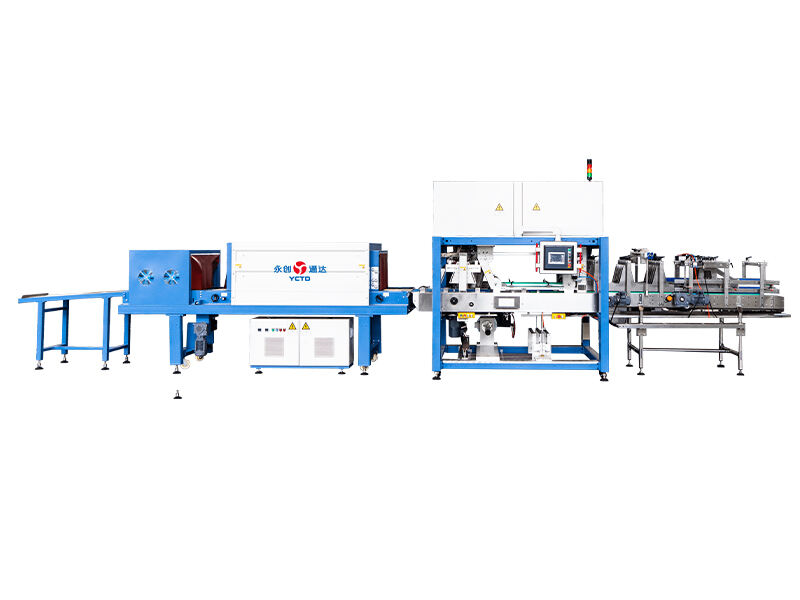
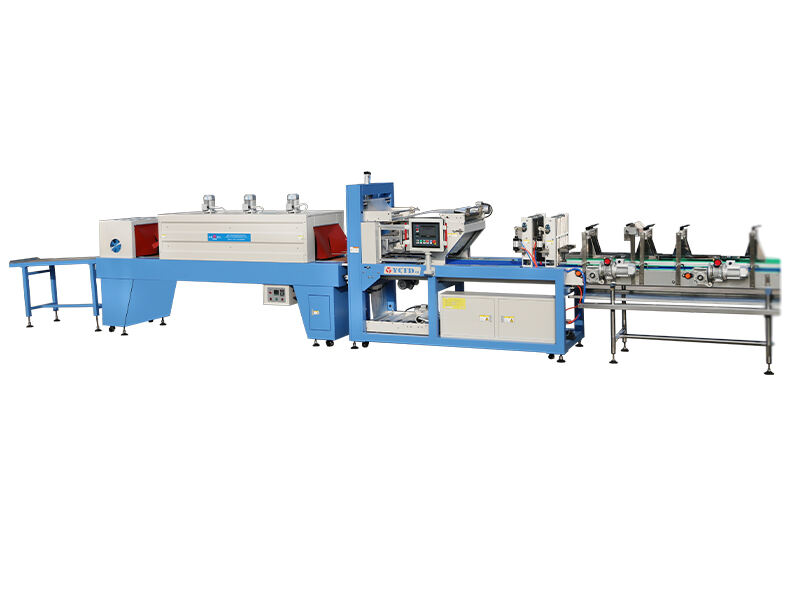
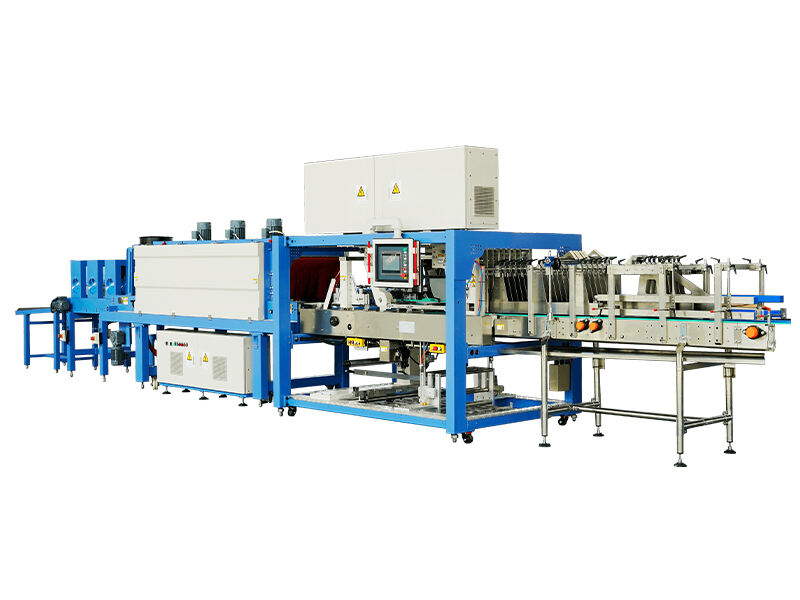
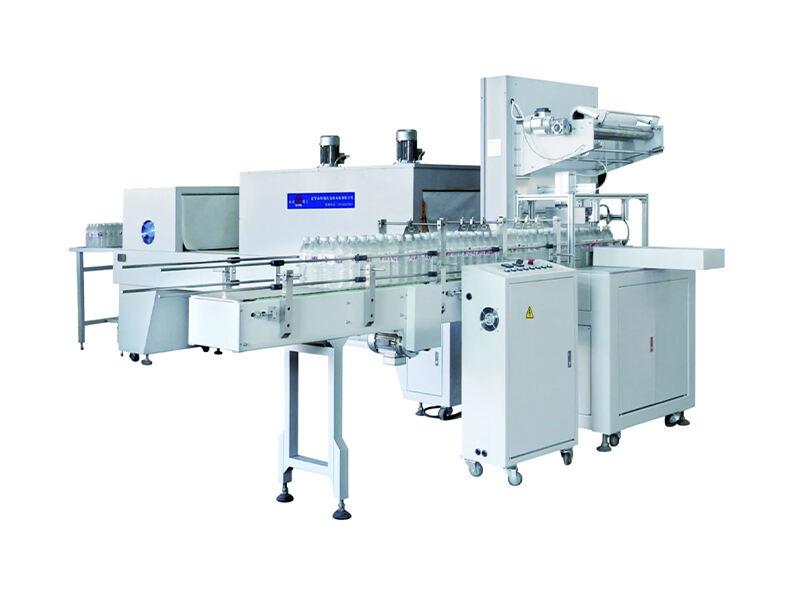
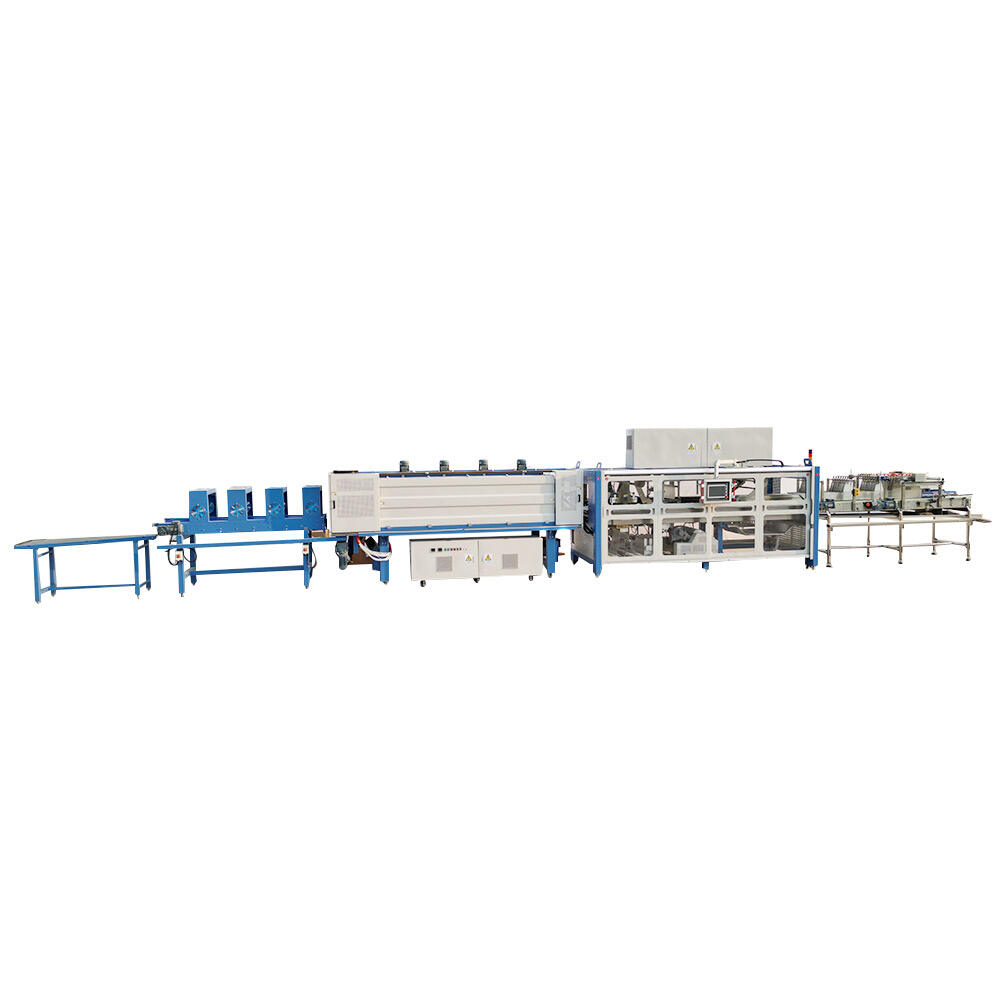
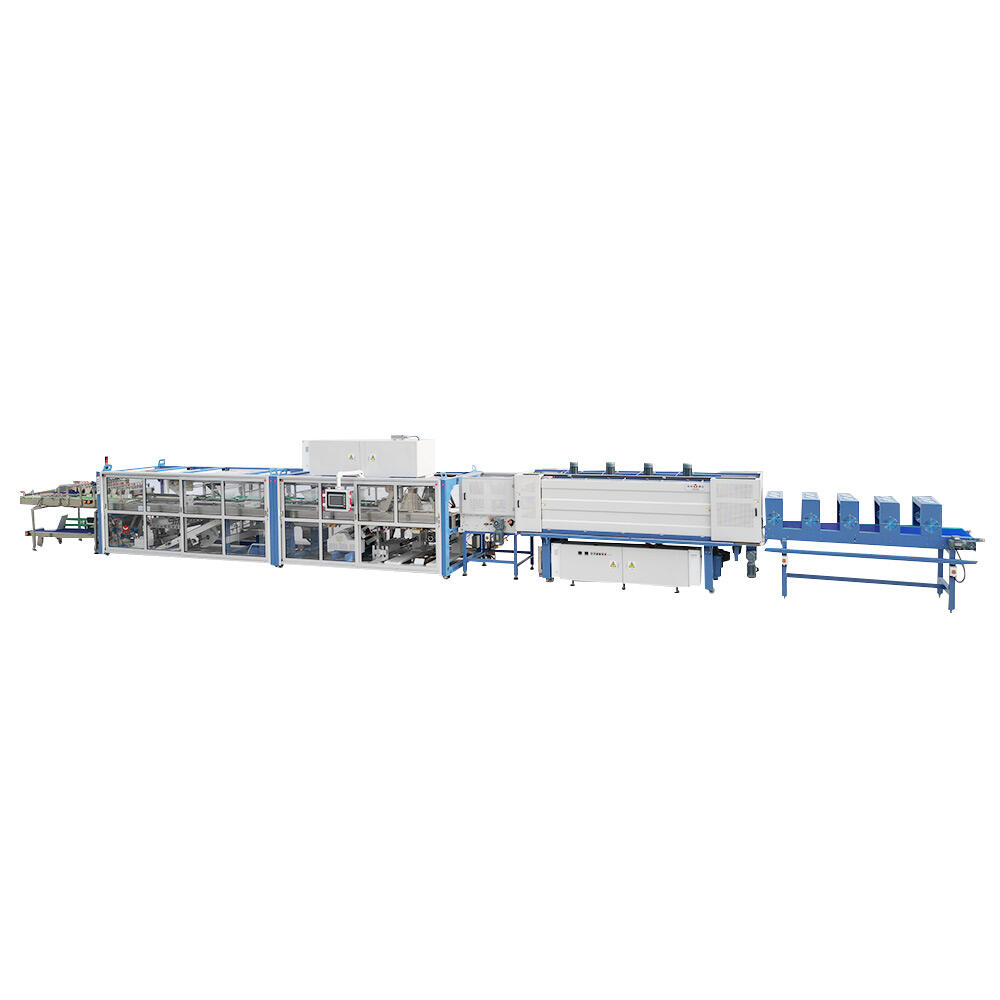
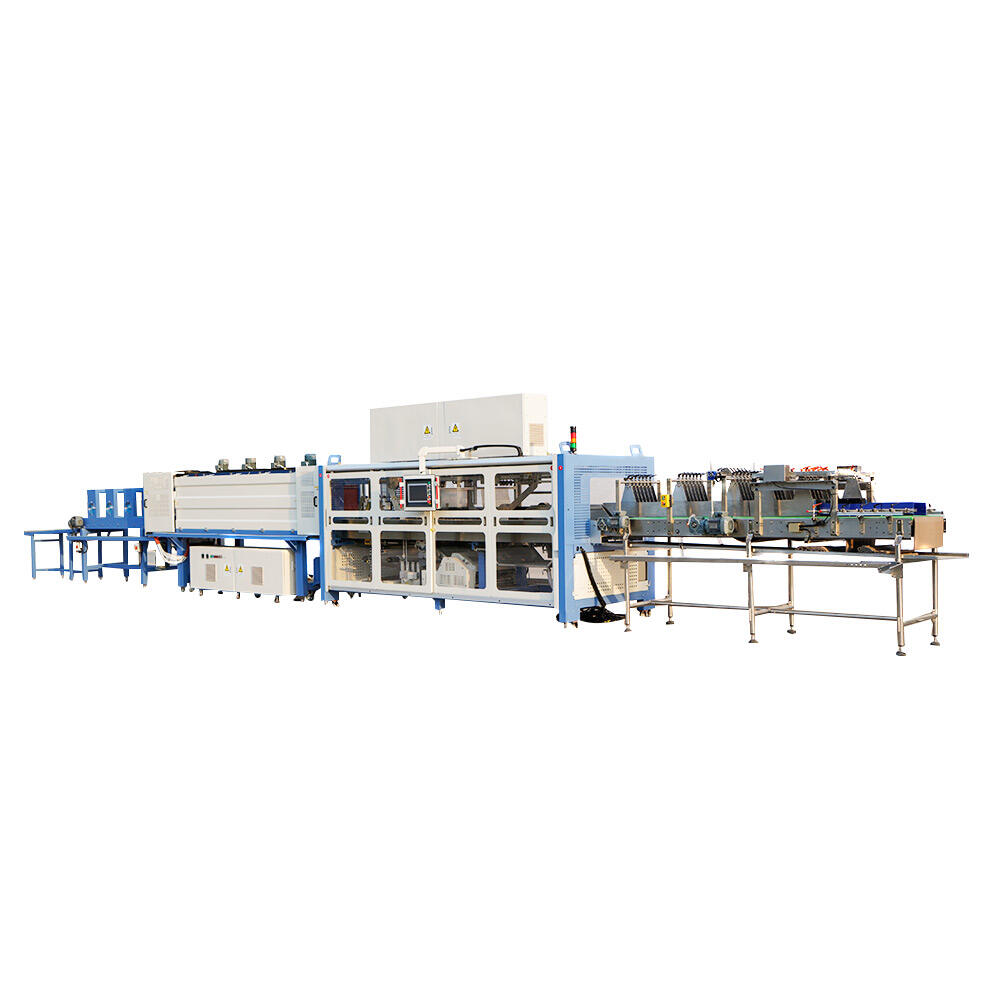
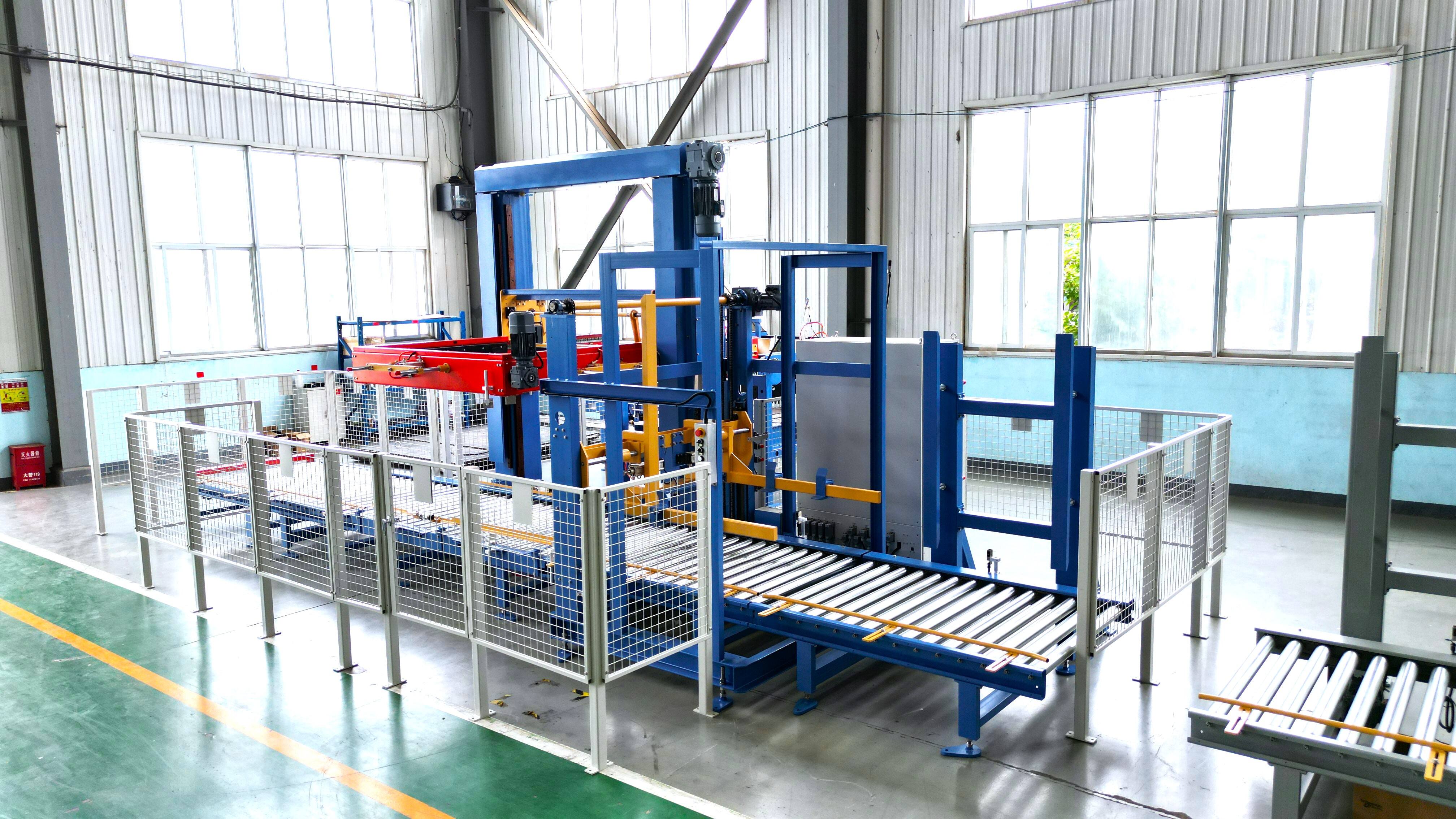
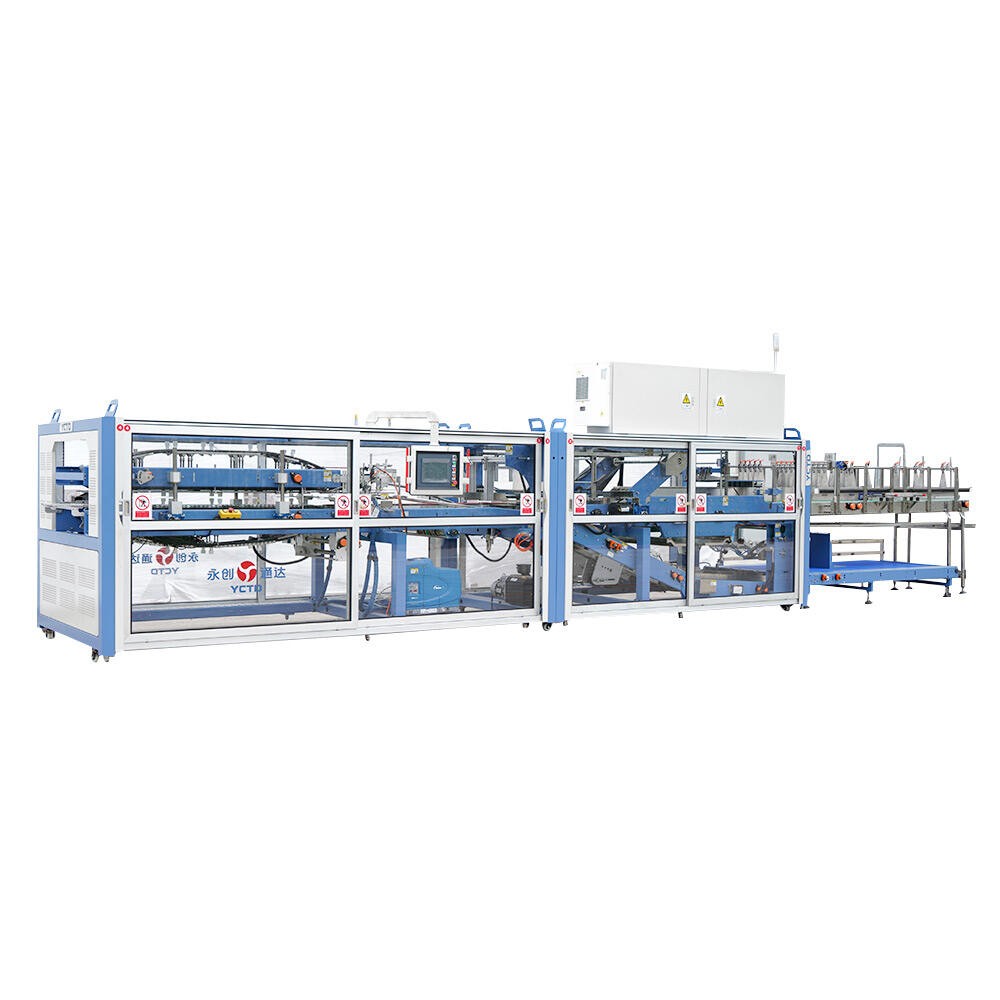
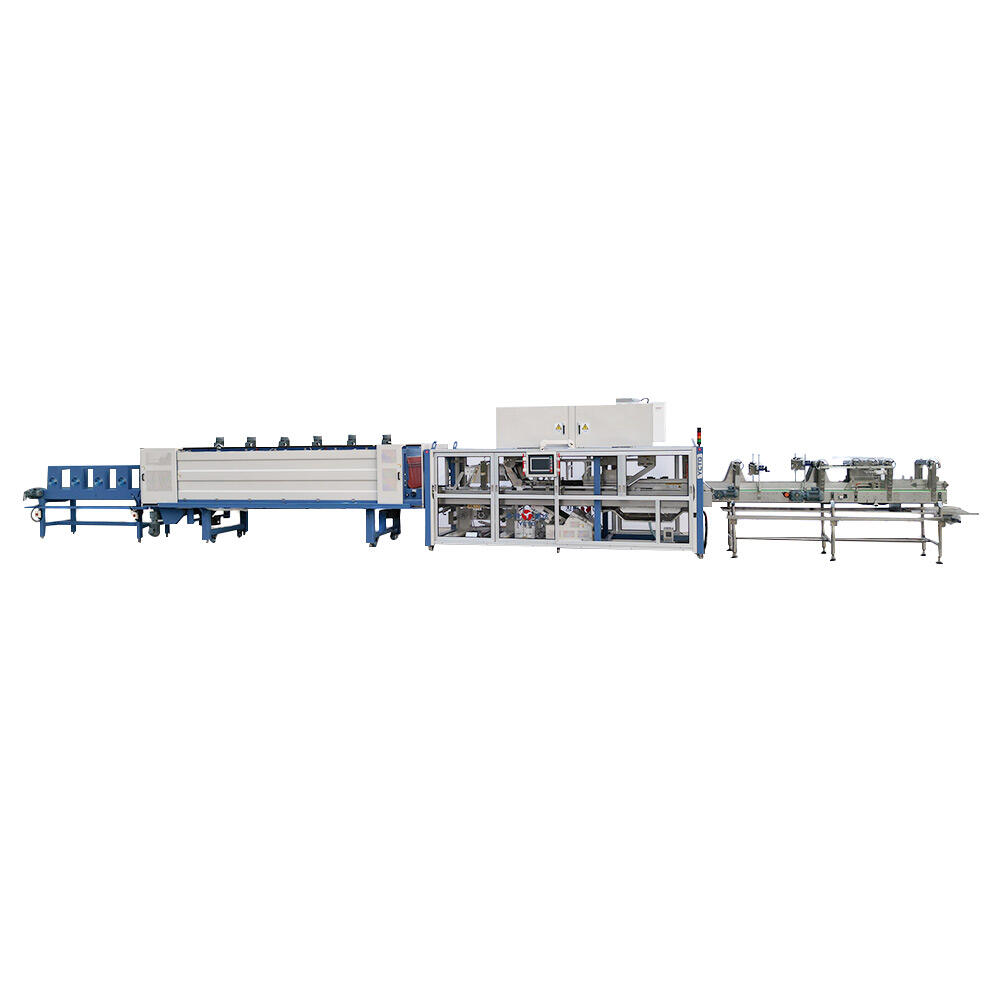
Depalletizer cans represent a crucial advancement in modern packaging and material handling technology, specifically engineered to automate the process of removing canned products from pallets in high-volume production environments. These sophisticated mechanical systems serve as essential components in beverage, food processing, and canning facilities where efficiency and speed are paramount to operational success. The primary function of depalletizer cans involves the systematic extraction of individual cans or groups of cans from pallet configurations, preparing them for subsequent processing steps such as filling, labeling, or packaging operations. The technological framework of depalletizer cans incorporates advanced robotics, precision sensors, and intelligent control systems that work together to ensure seamless operation. Modern depalletizer cans utilize servo-driven mechanisms that provide exceptional accuracy and repeatability, while integrated vision systems enable real-time monitoring and quality control throughout the depalletizing process. These machines feature adjustable gripper assemblies that accommodate various can sizes and configurations, from standard aluminum beverage cans to specialized food containers. The control interface typically includes user-friendly touchscreen panels that allow operators to configure settings, monitor performance metrics, and troubleshoot issues efficiently. Safety features are extensively integrated into depalletizer cans, including emergency stop mechanisms, protective barriers, and automated fault detection systems that prevent accidents and minimize downtime. Applications for depalletizer cans span across multiple industries, with beverage manufacturers relying on these systems to handle millions of cans daily in soft drink, beer, and energy drink production lines. Food processing facilities utilize depalletizer cans for handling soup cans, pet food containers, and preserved goods, while pharmaceutical companies employ these systems for processing medicinal containers and supplements. The versatility of depalletizer cans makes them suitable for both continuous production environments and batch processing operations, adapting to varying production demands and seasonal fluctuations in manufacturing requirements.

New Product Releases

Depalletizer cans deliver substantial operational benefits that directly impact productivity and profitability for manufacturing facilities. These automated systems eliminate the need for manual labor in the traditionally labor-intensive process of can handling, reducing workplace injuries and associated compensation costs while improving overall safety standards. The speed advantage of depalletizer cans is remarkable, with modern units capable of processing thousands of cans per hour, far exceeding human capabilities and enabling manufacturers to meet aggressive production targets. Consistency represents another major benefit, as depalletizer cans maintain uniform handling speeds and accuracy regardless of shift changes, operator fatigue, or external factors that typically affect manual operations. The precision engineering of depalletizer cans minimizes product damage during the handling process, reducing waste and associated costs while maintaining product quality standards that are critical for brand reputation. Energy efficiency is built into modern depalletizer cans through optimized motor systems and intelligent power management features that reduce electricity consumption compared to older mechanical systems. Maintenance requirements are streamlined through modular design approaches that allow quick component replacement and routine servicing without extensive downtime. The flexibility of depalletizer cans enables rapid changeovers between different can sizes and types, supporting diverse product portfolios without requiring significant reconfiguration time. Integration capabilities allow depalletizer cans to connect seamlessly with existing production line equipment, warehouse management systems, and quality control processes, creating comprehensive automated workflows. Cost reduction benefits extend beyond labor savings to include reduced insurance premiums, lower training costs, and decreased product loss rates. The data collection capabilities of modern depalletizer cans provide valuable insights into production efficiency, equipment performance, and quality metrics that enable continuous improvement initiatives. Return on investment for depalletizer cans typically occurs within 12-24 months through combined labor savings, increased throughput, and reduced operational costs. Space utilization improvements result from the compact footprint of depalletizer cans compared to manual handling areas, freeing up valuable floor space for additional production equipment or storage. Quality control enhancements include consistent handling that reduces contamination risks and maintains product integrity throughout the depalletizing process, supporting compliance with food safety regulations and industry standards.

Tips And Tricks

How a Carton Packaging Machine Helps Streamline Packaging Lines

20

Nov

How a Carton Packaging Machine Helps Streamline Packaging Lines

Revolutionizing Production Efficiency Through Automated Packaging Solutions In today's fast-paced manufacturing environment, efficiency and precision are paramount to success. A carton packaging machine stands at the forefront of modern packaging tec...
View More
Top 5 Best Shrink Wrappers for Small Businesses in 2026

04

Feb

Top 5 Best Shrink Wrappers for Small Businesses in 2026

Small businesses seeking efficient packaging solutions often turn to shrink wrapping technology to protect their products while maintaining professional presentation. The right shrink wrapper can transform your packaging process, reducing labor costs...
View More
How to Choose the Right Shrink Wrapper for Your Product Packaging Line

04

Mar

How to Choose the Right Shrink Wrapper for Your Product Packaging Line

Selecting the appropriate shrink wrapper for your production facility requires careful consideration of multiple technical and operational factors. Modern manufacturing environments demand packaging solutions that deliver consistent performance, oper...
View More
How a High-Speed Shrink Wrapper Can Reduce Your Material Waste and Costs

04

Mar

How a High-Speed Shrink Wrapper Can Reduce Your Material Waste and Costs

Modern manufacturing and packaging operations face increasing pressure to optimize efficiency while reducing material waste and operational costs. A high-speed shrink wrapper represents a transformative solution that addresses both challenges simulta...
View More

Get a Free Quote

Our representative will contact you soon.
Company Name
Name
Email
Mobile/WhatsApp
Message
0/1000

depalletizer cans

Advanced Robotic Precision Technology

Advanced Robotic Precision Technology

The cornerstone of modern depalletizer cans lies in their sophisticated robotic precision technology that revolutionizes material handling in manufacturing environments. This advanced system incorporates multiple servo-driven axes that provide exceptional accuracy and repeatability, ensuring that each can is handled with consistent precision regardless of production volume or duration. The robotic arms feature intelligent gripper assemblies equipped with force-feedback sensors that automatically adjust grip pressure based on can material, size, and weight, preventing damage while maintaining secure handling throughout the depalletizing process. Vision-guided systems integrated into depalletizer cans utilize high-resolution cameras and advanced image processing algorithms to identify can positions, detect defects, and verify proper orientation before handling, significantly reducing errors and improving overall system reliability. The precision technology extends to the coordinate system programming that allows depalletizer cans to navigate complex pallet configurations with millimeter-level accuracy, adapting to variations in pallet positioning and can placement that would challenge manual operators. Advanced motion control algorithms optimize movement patterns to maximize speed while minimizing acceleration forces that could destabilize can arrangements or cause product spillage. The technology includes predictive maintenance capabilities that monitor system performance in real-time, identifying potential issues before they impact production and enabling proactive maintenance scheduling that minimizes unexpected downtime. Machine learning algorithms continuously analyze handling patterns and optimize performance parameters, improving efficiency over time and adapting to changing production requirements. The robotic precision technology also incorporates safety monitoring systems that instantly detect human presence or unexpected obstacles, automatically halting operations to prevent accidents while maintaining production flow when conditions return to normal. Integration with plant-wide control systems enables depalletizer cans to communicate status information, coordinate with upstream and downstream equipment, and participate in synchronized production scheduling that maximizes overall facility efficiency and throughput performance.
Versatile Multi-Format Handling Capability

Versatile Multi-Format Handling Capability

Depalletizer cans excel in their remarkable versatility, offering multi-format handling capabilities that accommodate diverse product portfolios within single production environments. This adaptability represents a significant competitive advantage for manufacturers who process various can sizes, from standard 12-ounce beverage containers to large industrial-sized food cans, without requiring separate handling systems for each format. The modular gripper design enables rapid changeovers between different can specifications, with automated adjustment mechanisms that modify grip width, height positioning, and handling patterns based on pre-programmed product profiles stored in the system memory. Advanced software interfaces allow operators to create and save custom handling protocols for unique can shapes, materials, and packaging configurations, expanding the range of products that depalletizer cans can process effectively. The versatility extends to pallet configuration handling, with depalletizer cans capable of managing various stacking patterns, layer arrangements, and pallet sizes commonly used across different industries and geographic regions. Intelligent pattern recognition technology enables these systems to automatically identify and adapt to new pallet configurations without manual programming, reducing setup time and operator training requirements. The multi-format capability includes handling both metal and composite cans, accommodating different material properties and structural characteristics that require varying handling approaches and grip pressures. Temperature compensation features allow depalletizer cans to maintain consistent performance when handling products at different temperatures, from ambient conditions to chilled or heated products that expand or contract during processing. The system architecture supports future expandability, with modular components that can be upgraded or reconfigured as product requirements evolve, protecting capital investments and extending equipment lifecycle. Quality assurance features integrated into the multi-format handling system include automatic inspection capabilities that verify product integrity, label placement, and dimensional compliance across all handled formats, maintaining consistent quality standards regardless of product variation. This comprehensive versatility eliminates the need for multiple specialized systems, reducing capital costs, facility space requirements, and maintenance complexity while providing operational flexibility that supports dynamic market demands and seasonal production variations.

Intelligent Safety and Monitoring Systems

Intelligent Safety and Monitoring Systems

The intelligent safety and monitoring systems integrated into depalletizer cans represent cutting-edge technology that prioritizes worker protection while maintaining optimal production performance. These comprehensive safety systems incorporate multiple layers of protection, including advanced sensor networks that create invisible safety zones around operating equipment, automatically detecting human presence and initiating appropriate safety responses without disrupting normal production flow. The monitoring technology utilizes artificial intelligence algorithms that continuously analyze system performance data, identifying patterns that indicate potential safety risks or equipment malfunctions before they escalate into serious incidents. Emergency stop systems are strategically positioned throughout the depalletizer cans workspace, featuring redundant circuits and fail-safe mechanisms that ensure immediate response to safety threats while providing clear indication of system status to operators and maintenance personnel. Light curtain technology creates virtual barriers that prevent unauthorized access to dangerous areas during operation, automatically resuming production when safety conditions are restored without requiring manual reset procedures. The intelligent monitoring extends to predictive analytics that assess component wear patterns, lubrication levels, and operational stress factors, generating automated maintenance alerts and scheduling recommendations that prevent unexpected failures and safety hazards. Comprehensive data logging capabilities record all safety events, performance metrics, and operational parameters, creating detailed audit trails that support compliance with workplace safety regulations and enable continuous improvement of safety protocols. Integration with facility-wide safety systems allows depalletizer cans to participate in coordinated emergency responses, communicating with fire suppression systems, security networks, and evacuation protocols to ensure comprehensive worker protection. The monitoring systems include real-time performance dashboards that provide operators with immediate visibility into system status, production rates, and safety indicators, enabling proactive management of potential issues before they impact safety or productivity. Advanced diagnostic capabilities automatically run system health checks during startup and scheduled intervals, verifying proper operation of all safety systems and alerting maintenance teams to any deficiencies that require attention. The intelligent safety technology also includes environmental monitoring features that assess air quality, noise levels, and temperature conditions around depalletizer cans, ensuring comfortable and safe working environments that comply with occupational health standards and regulations.
Professional Depalletizer Cans - Advanced Automated Material Handling Solutions

Get a Free Quote

Our representative will contact you soon.
Company Name
Name
Email
Mobile/WhatsApp
Message
0/1000