bottled water manufacturing process
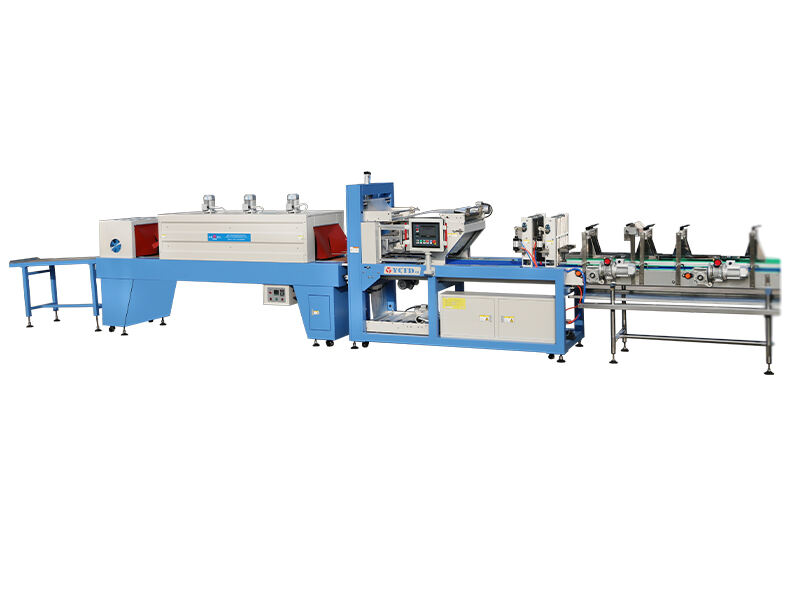
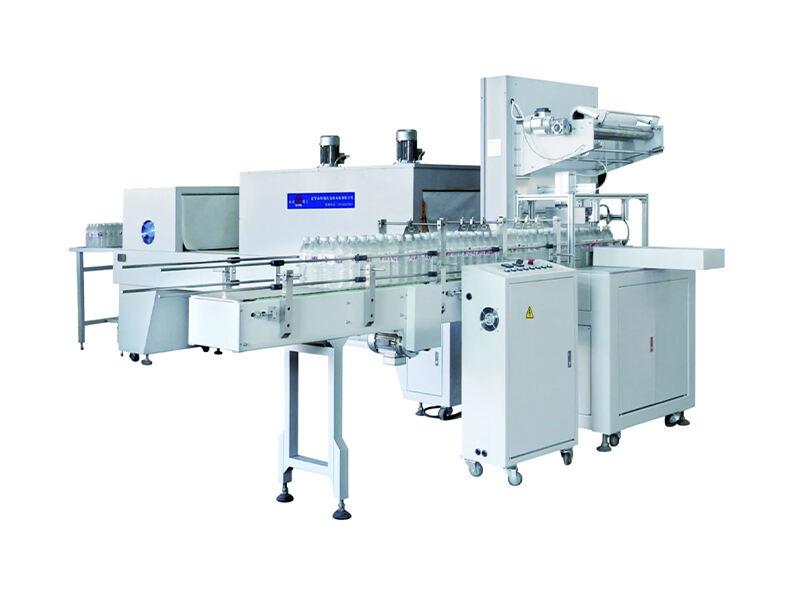
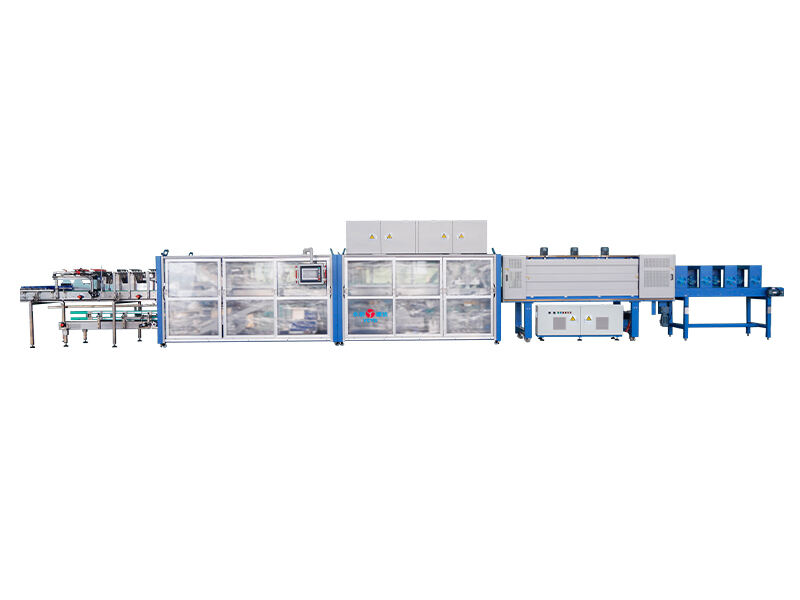
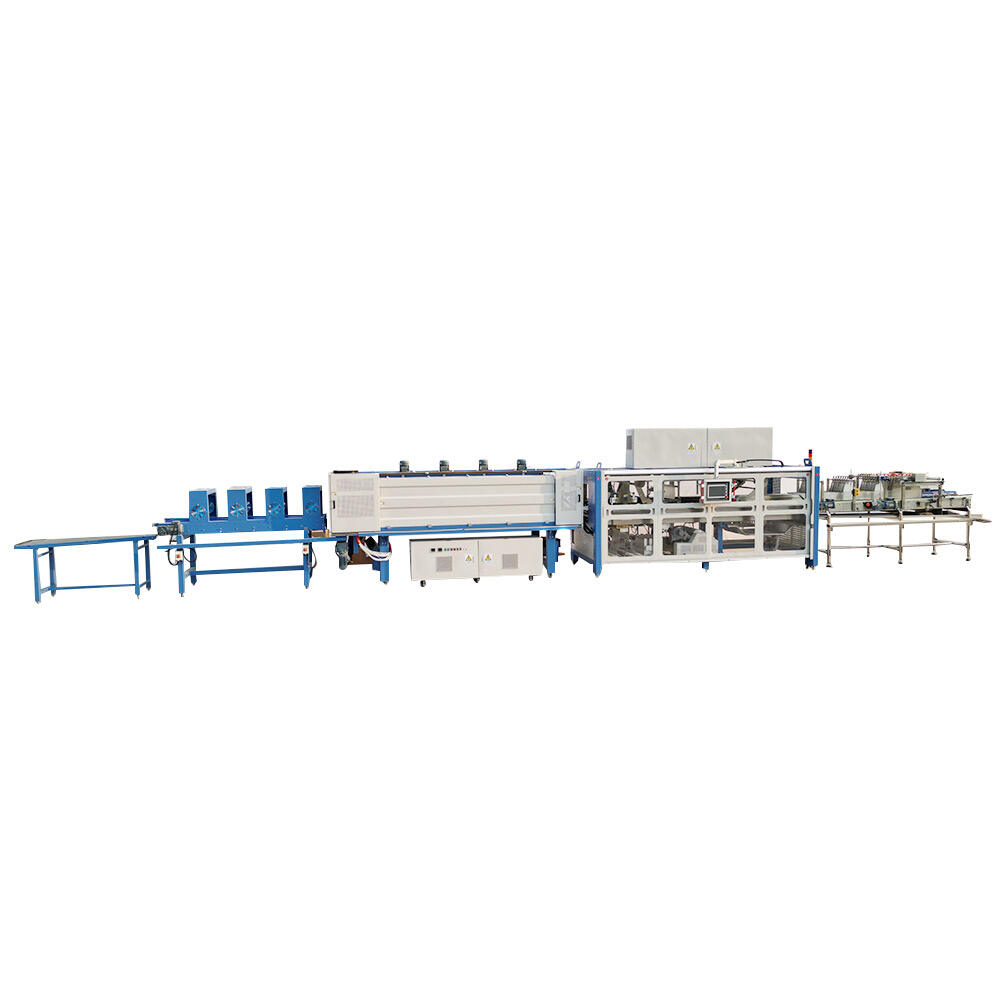
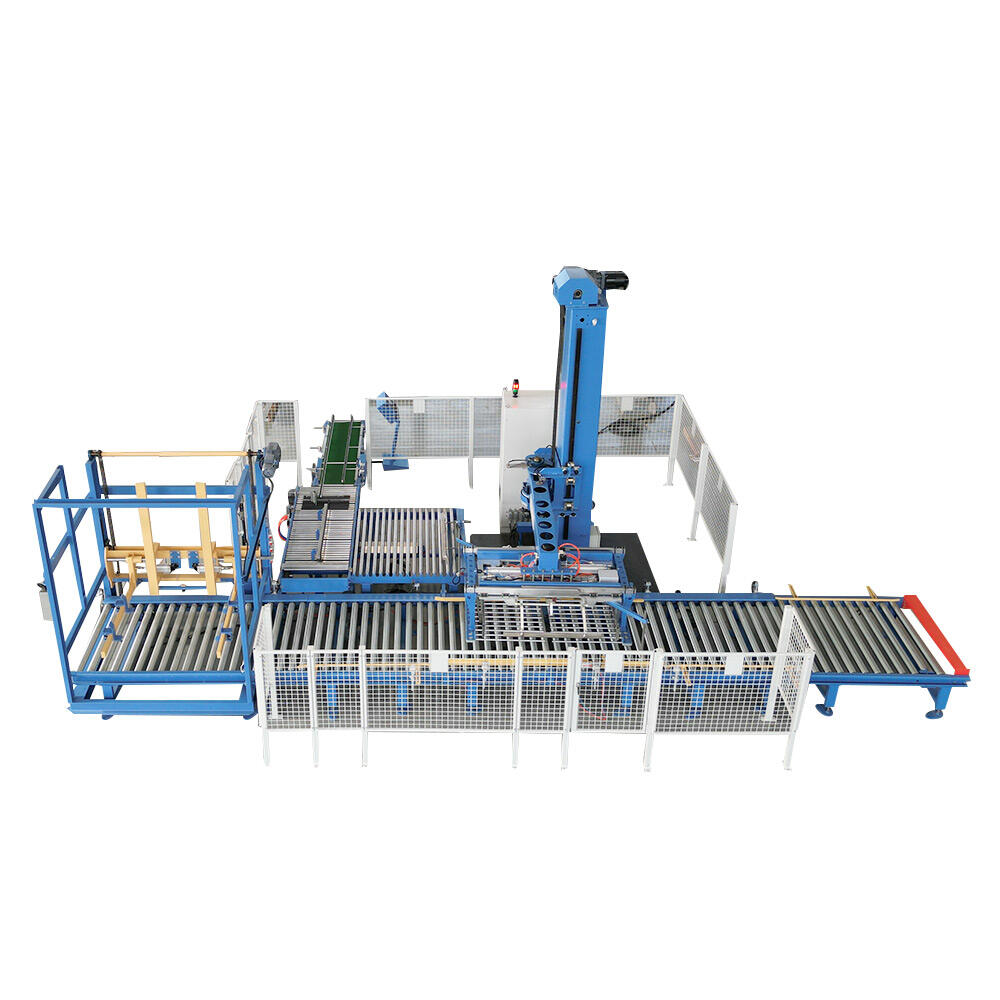
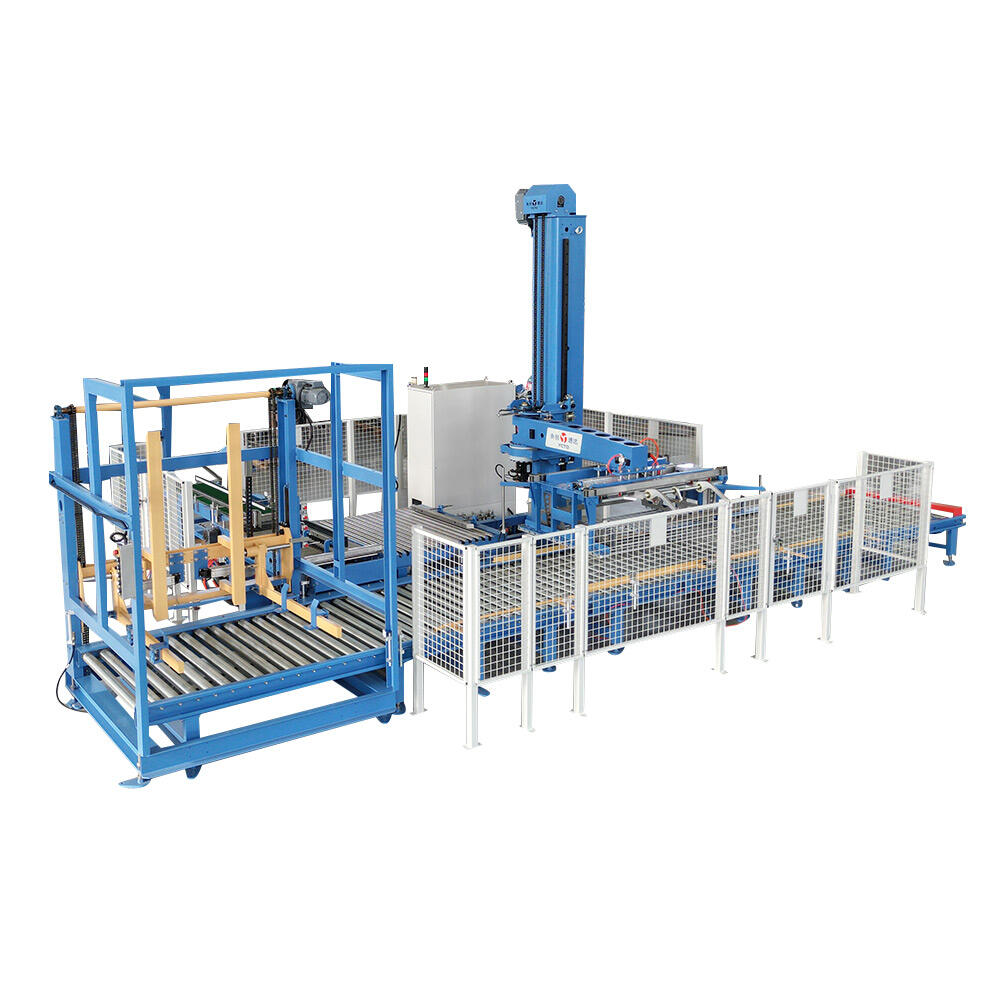
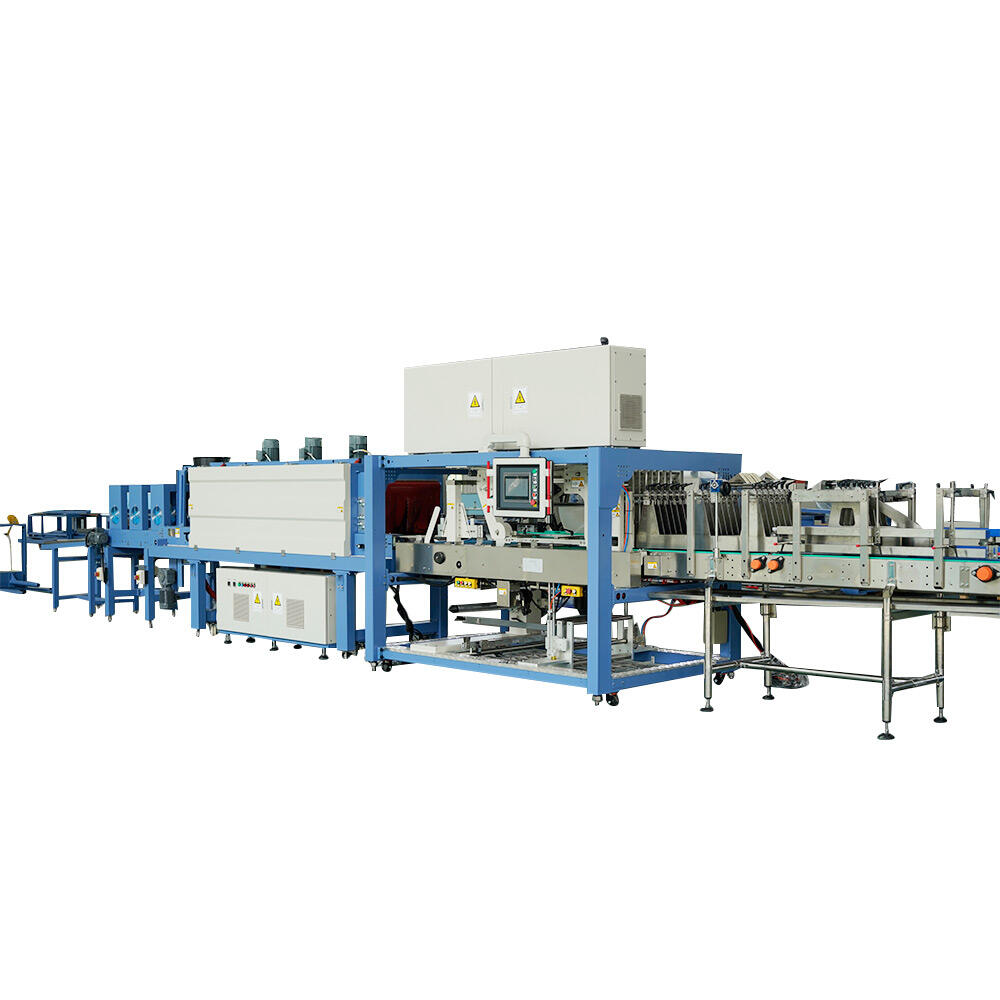
The bottled water manufacturing process represents a sophisticated system that transforms raw water sources into safe, clean drinking water through multiple purification stages and precise packaging methods. This comprehensive process begins with water sourcing from natural springs, municipal supplies, or wells, followed by rigorous testing to determine the optimal treatment approach. The primary function involves removing contaminants, bacteria, and unwanted minerals while maintaining essential nutrients and taste profiles that consumers expect. Modern bottled water manufacturing facilities utilize advanced technological features including reverse osmosis systems, ultraviolet sterilization, ozone treatment, and multi-stage filtration mechanisms. These technologies work together to ensure consistent quality standards while maximizing production efficiency. The process incorporates automated quality control systems that continuously monitor water purity levels, pH balance, and mineral content throughout each production phase. Technological innovations have introduced smart sensors and real-time monitoring capabilities that detect even microscopic impurities, ensuring every bottle meets stringent safety requirements. Applications of this manufacturing process extend across various market segments, from premium spring water brands to affordable everyday drinking water options. The versatility of modern bottled water manufacturing equipment allows producers to customize their output for specific consumer preferences, whether creating enhanced water with added electrolytes or producing basic purified water for mass market distribution. Environmental considerations have become integral to the bottled water manufacturing process, with many facilities implementing sustainable practices such as energy-efficient machinery, recyclable packaging materials, and water conservation protocols. The process also accommodates different bottle sizes and materials, from small single-serving containers to large family-sized jugs, demonstrating remarkable flexibility in meeting diverse market demands while maintaining consistent quality standards across all product variations.

 EN
EN