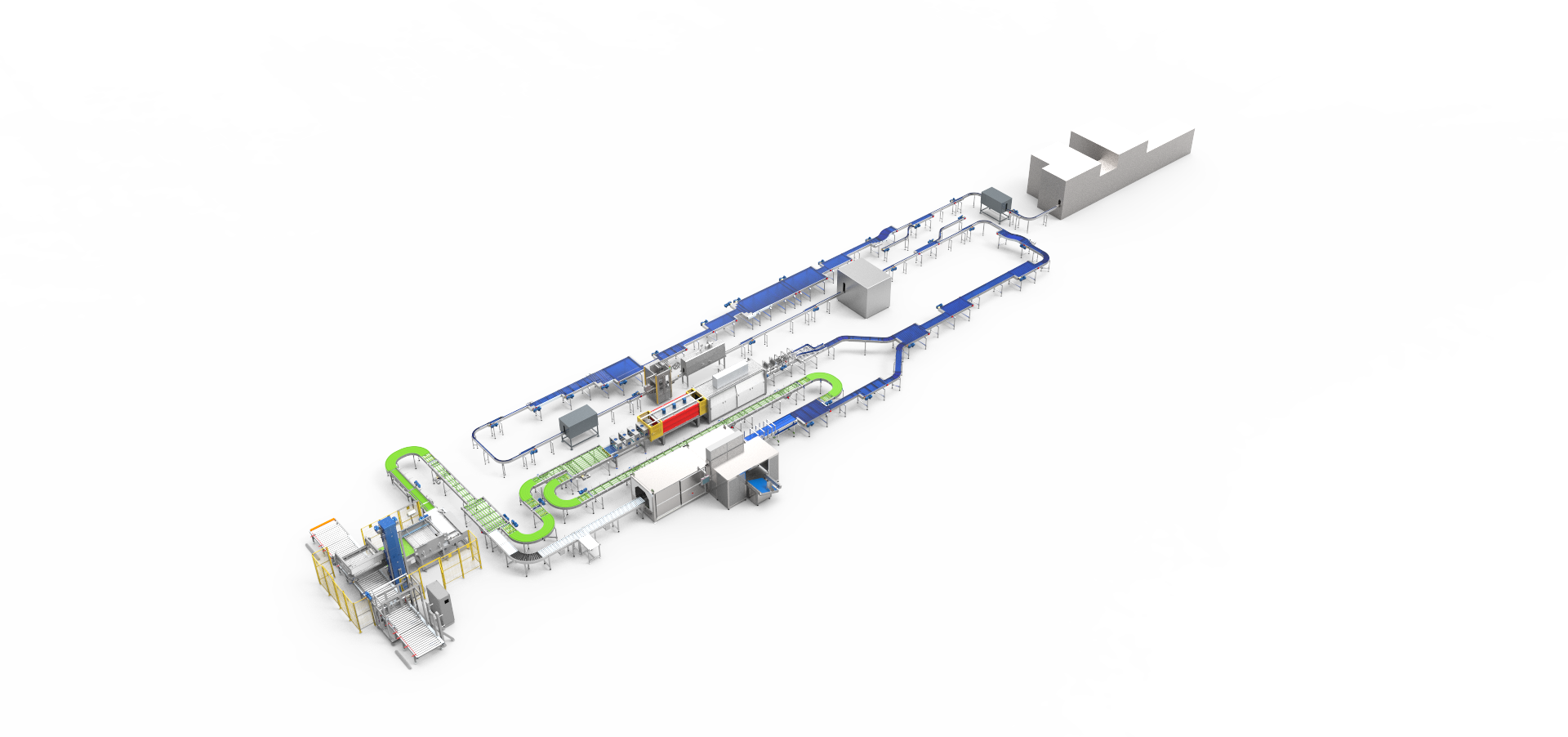
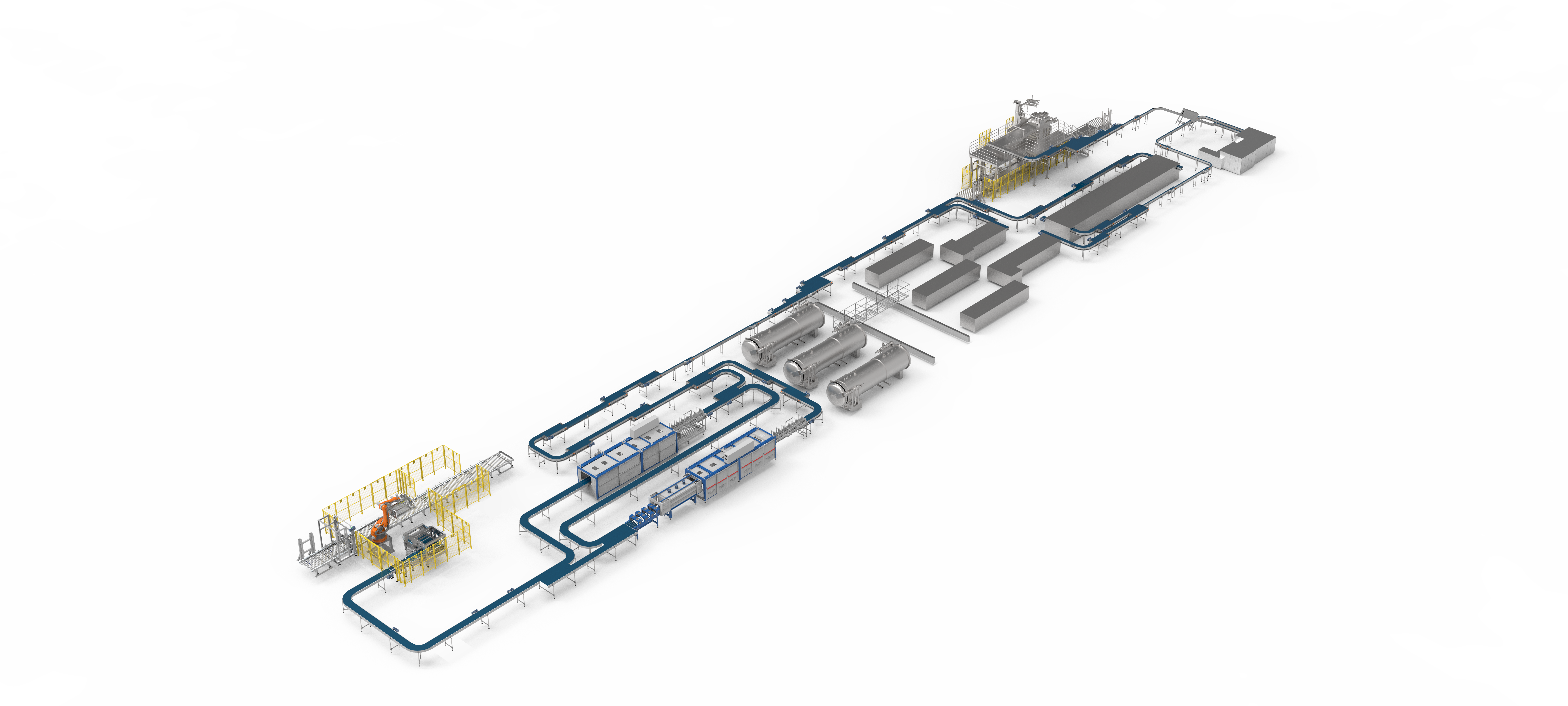
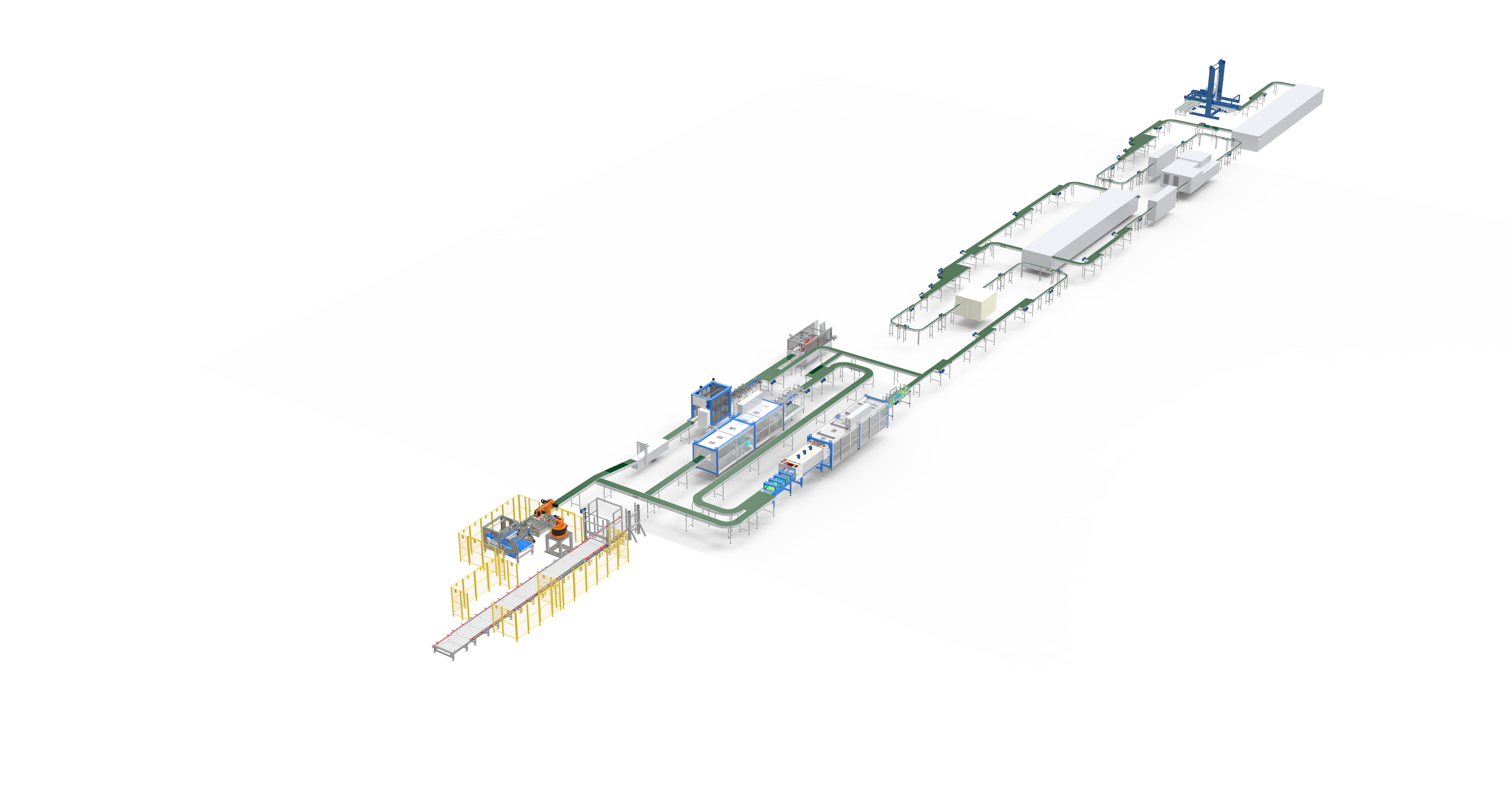
automatic beverage filling line
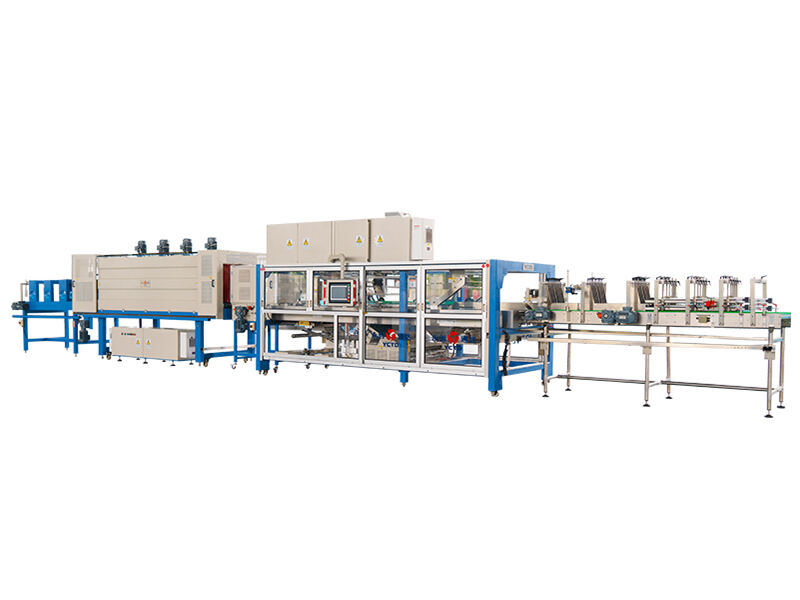
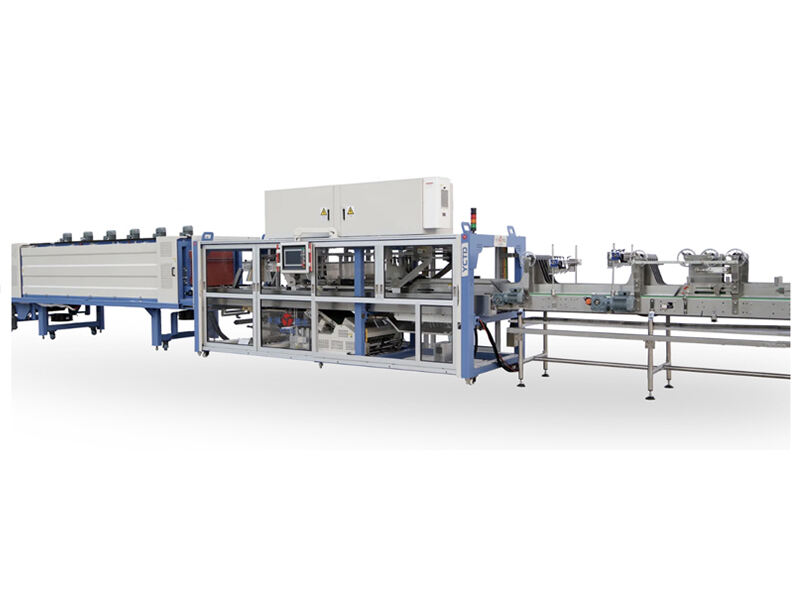
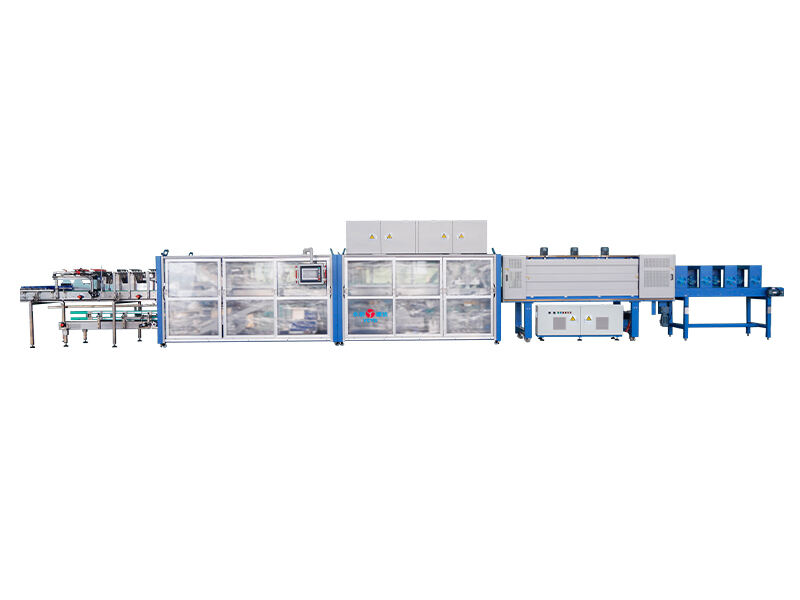
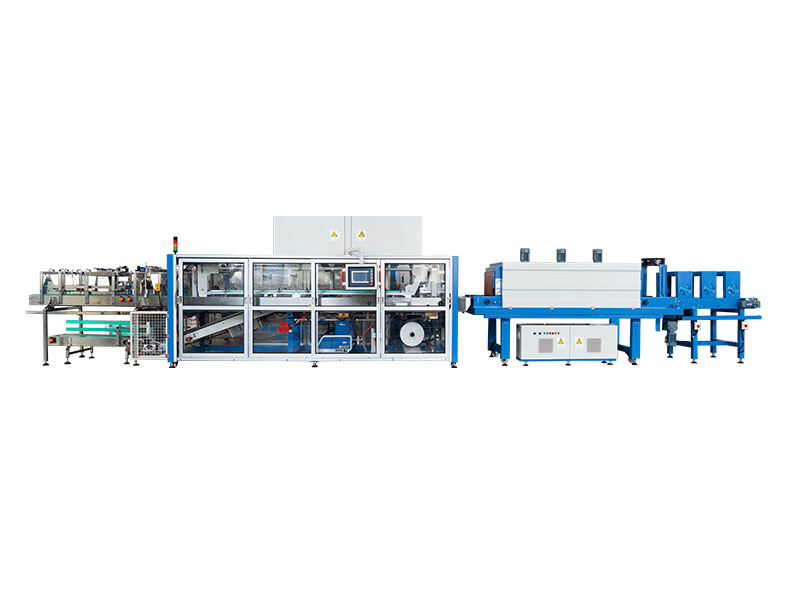
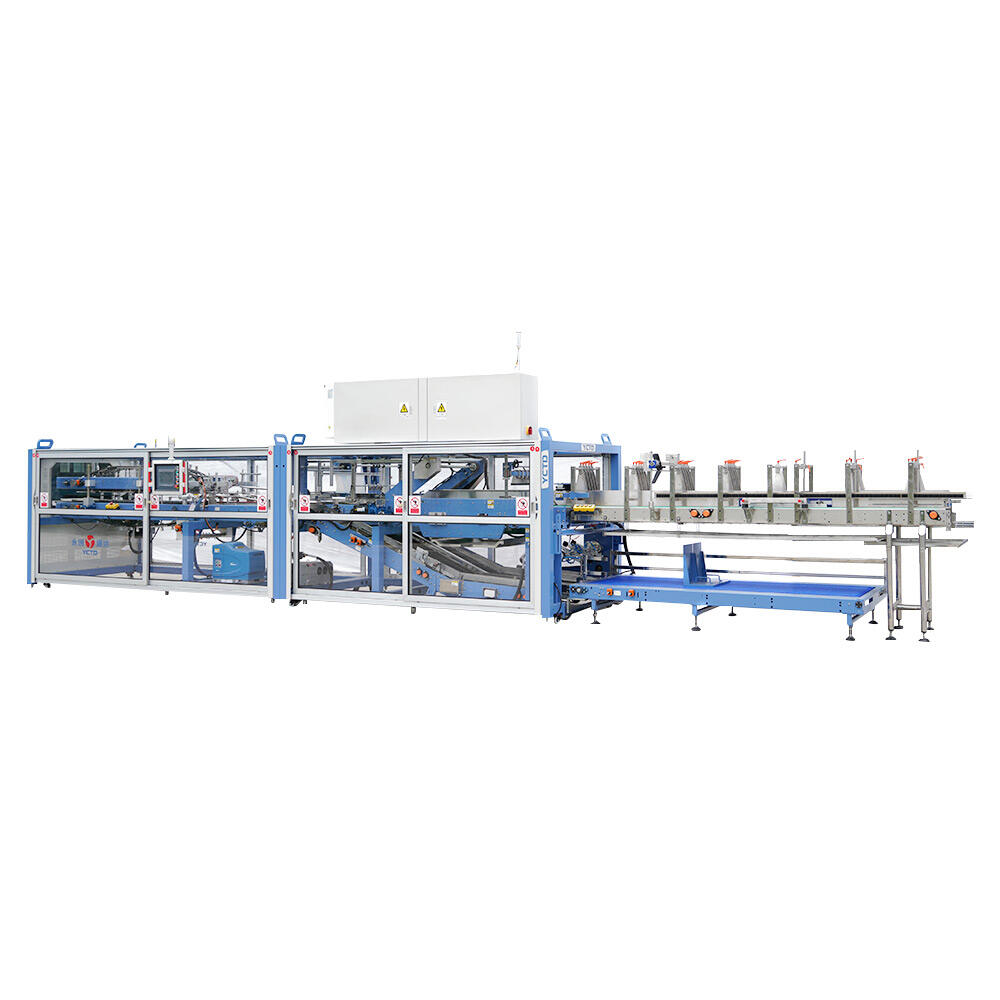
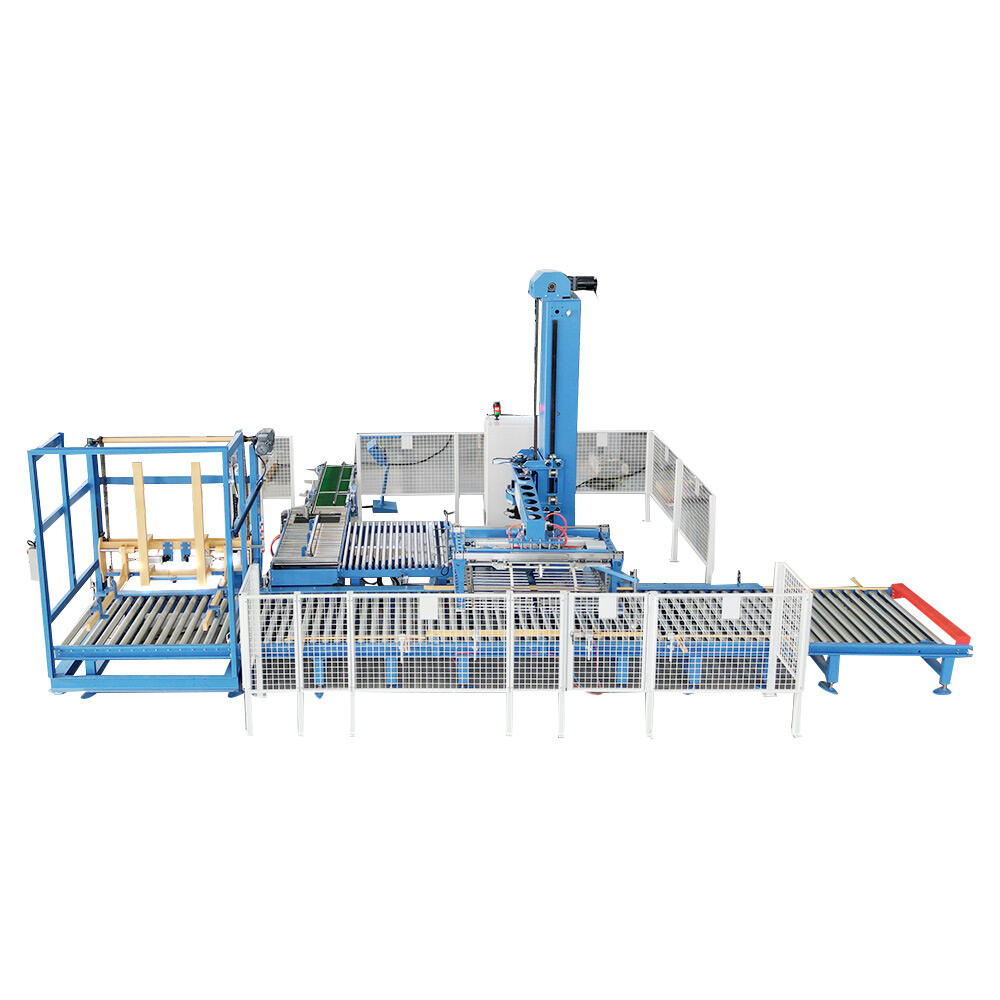
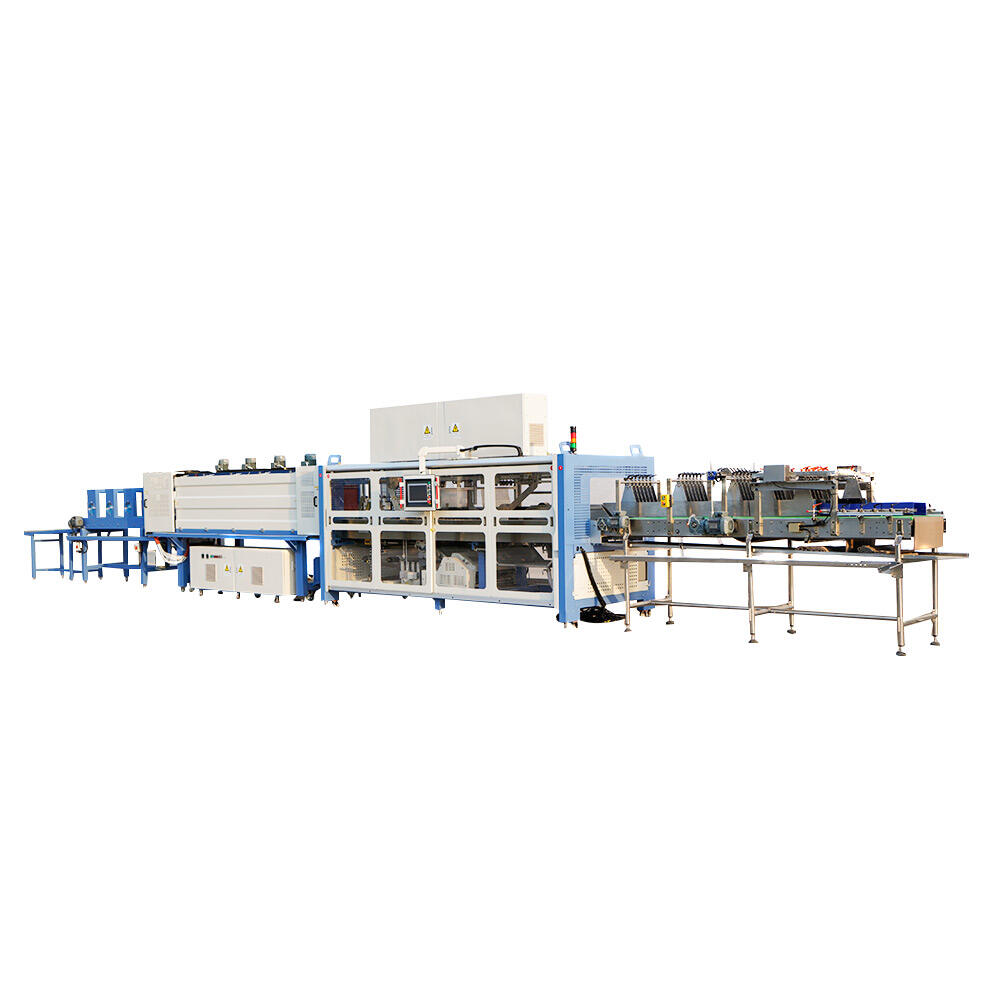
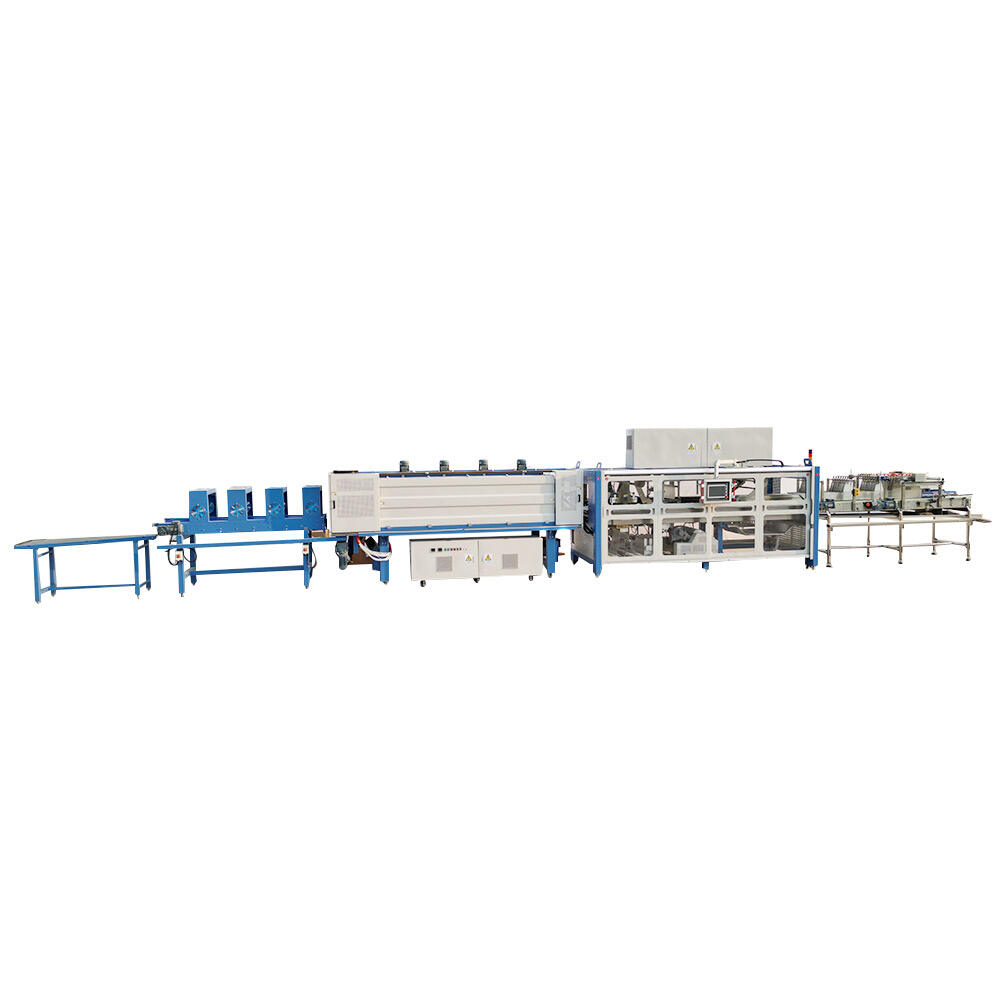
The automatic beverage filling line represents a sophisticated manufacturing solution designed to streamline the production of various liquid beverages with precision and efficiency. This comprehensive system integrates multiple processing stages into a seamless operation, from container preparation to final packaging. The automatic beverage filling line incorporates advanced technologies including programmable logic controllers, servo motors, and precision sensors to ensure consistent product quality and optimal production speeds. Modern automatic beverage filling line systems feature modular designs that accommodate different container sizes, materials, and beverage types, making them versatile solutions for diverse production requirements. The technological features of an automatic beverage filling line include high-speed filling mechanisms, automated capping systems, precise volume control, and integrated quality inspection modules. These systems utilize sophisticated weighing technologies and flow meters to guarantee accurate fill volumes while minimizing product waste. The automatic beverage filling line incorporates sterile processing capabilities, maintaining hygienic conditions throughout the production cycle to ensure product safety and extend shelf life. Advanced human-machine interfaces provide operators with real-time monitoring capabilities, allowing for immediate adjustments and comprehensive production tracking. Applications for automatic beverage filling line systems span across numerous industries including carbonated soft drinks, fruit juices, energy drinks, bottled water, dairy products, and alcoholic beverages. These production lines adapt to various packaging formats including glass bottles, plastic containers, aluminum cans, and flexible pouches. The automatic beverage filling line delivers exceptional reliability through robust construction and premium components designed for continuous operation in demanding industrial environments. Integration capabilities allow these systems to connect seamlessly with upstream and downstream equipment, creating complete production ecosystems that maximize operational efficiency and reduce manual intervention requirements.
 EN
EN