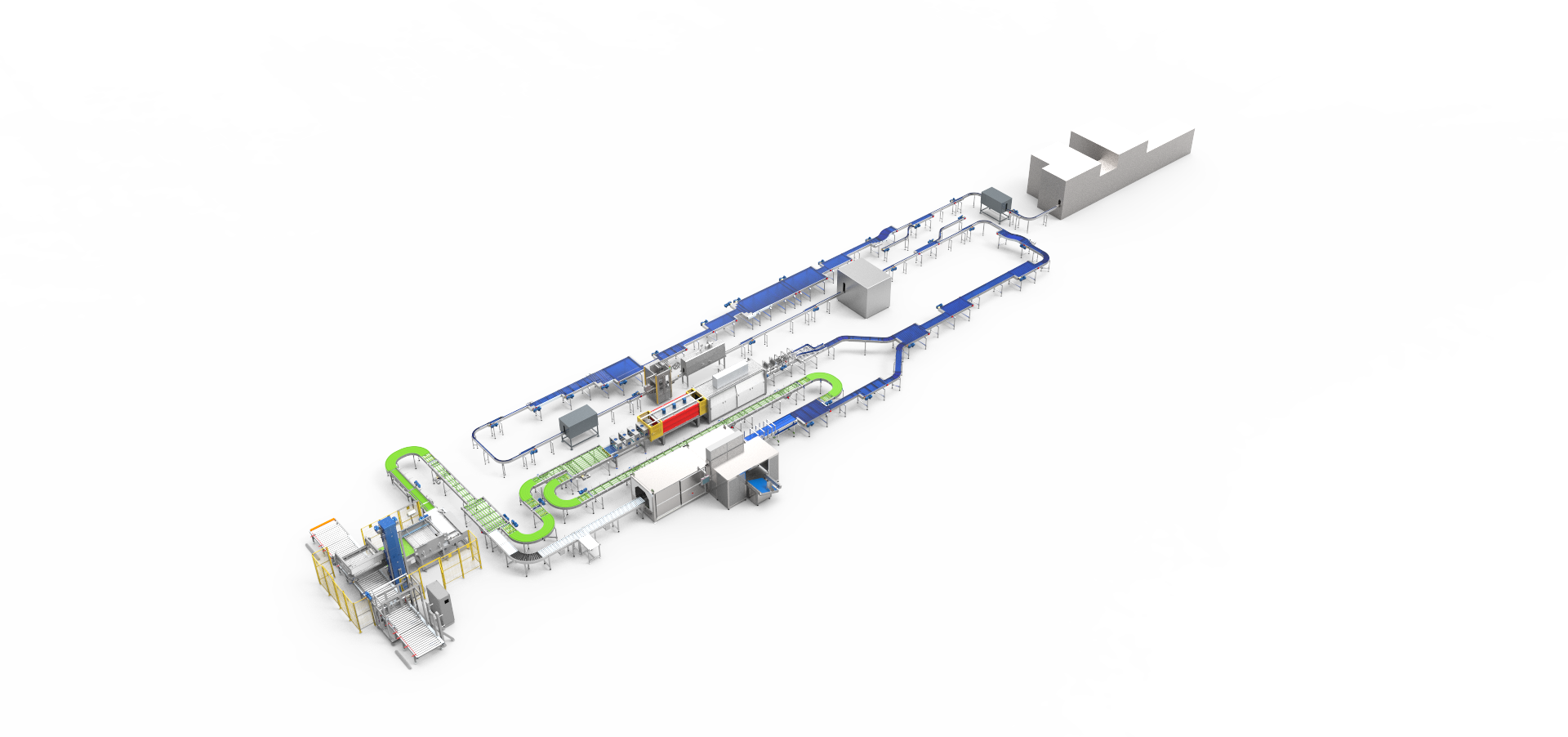
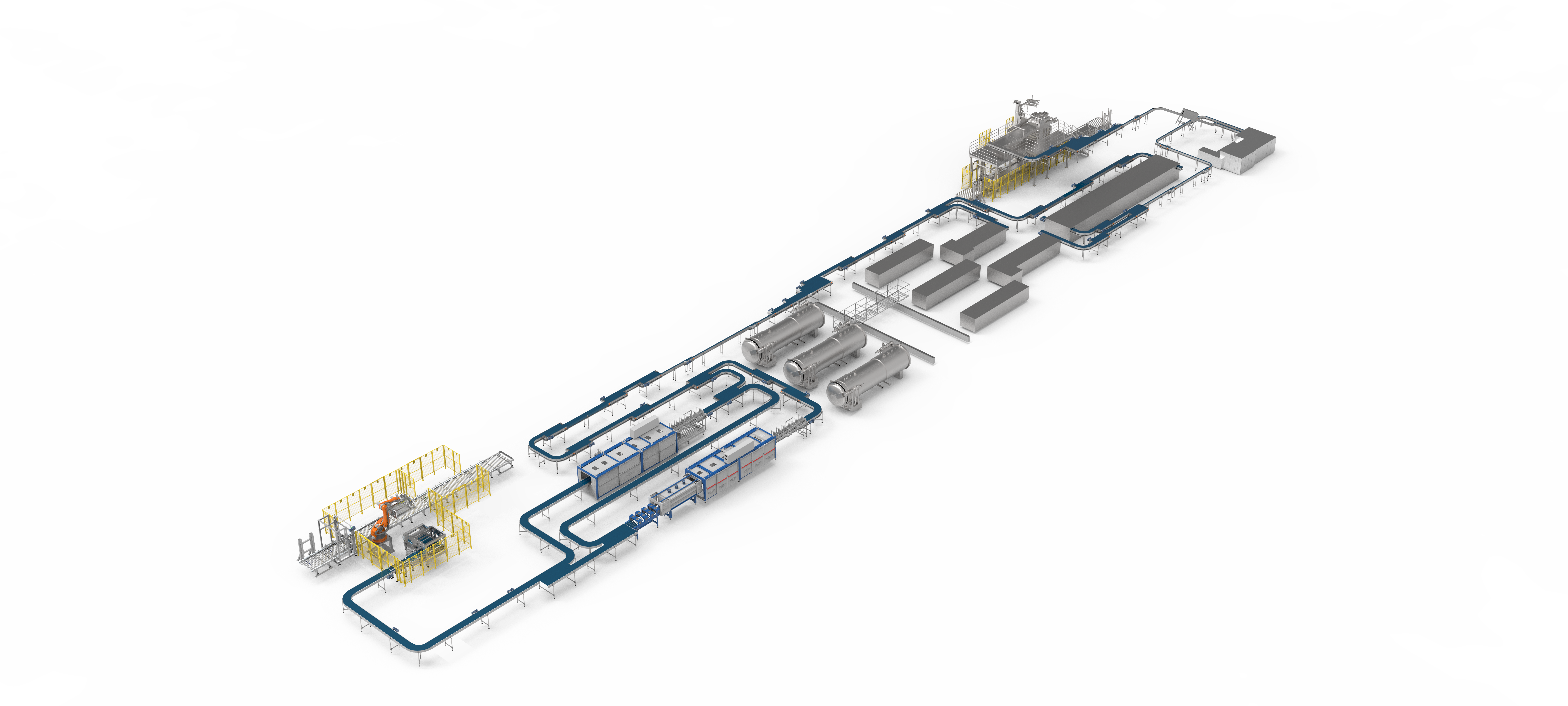
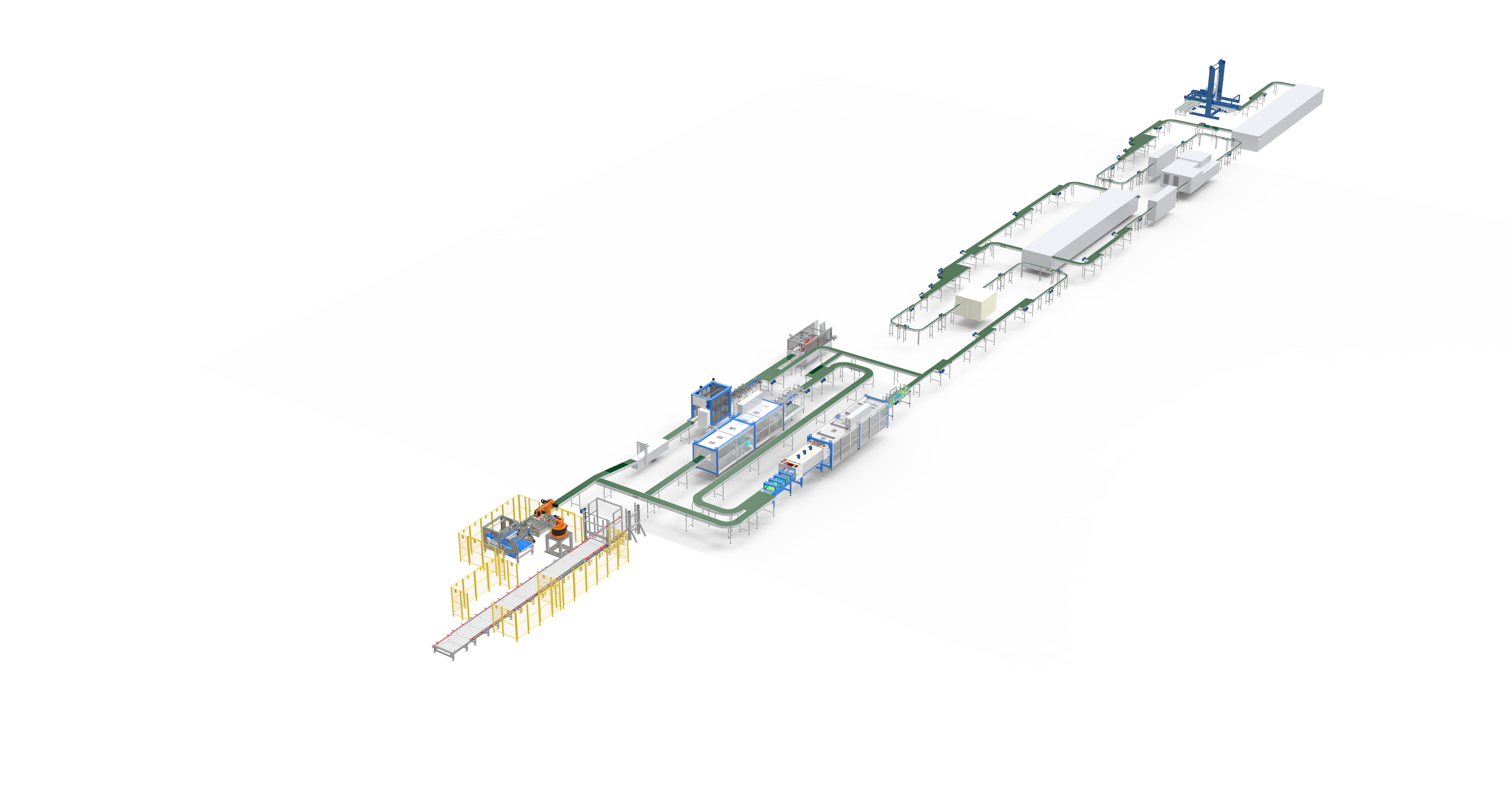
juice beverage processing line
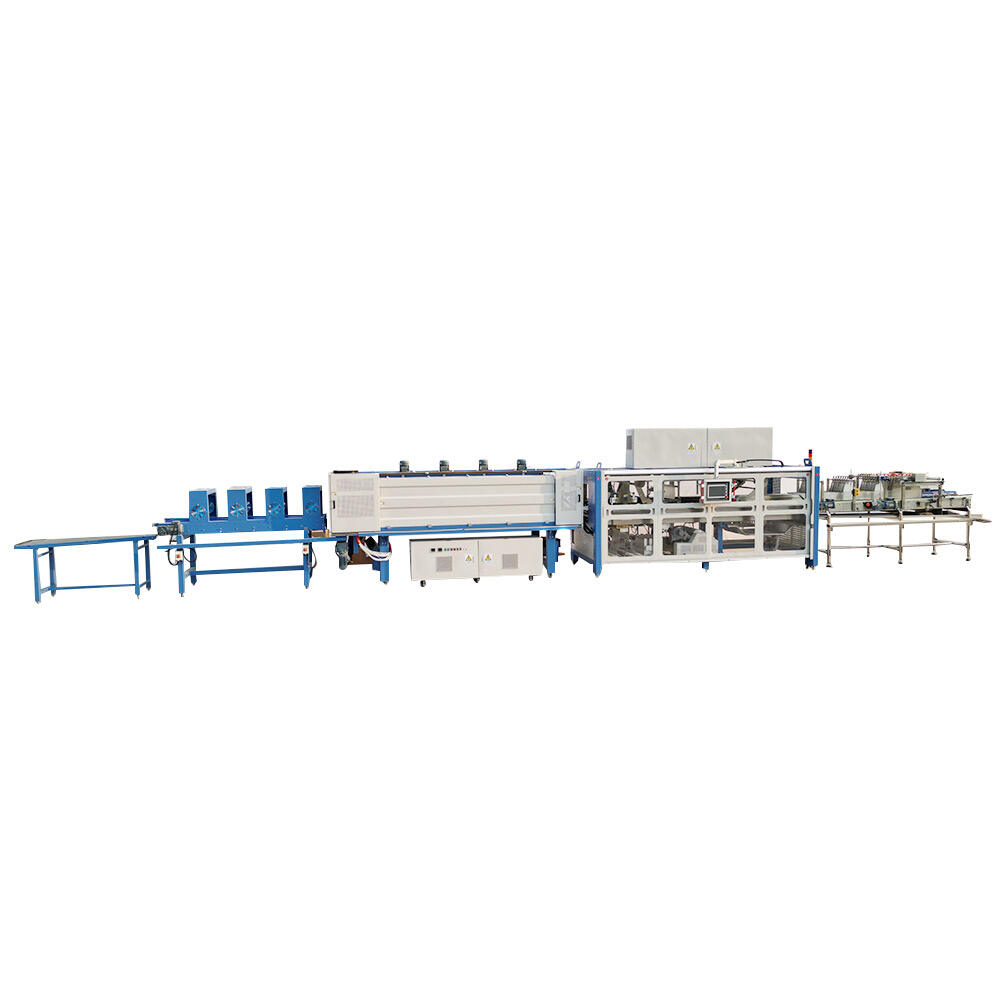
A juice beverage processing line represents a comprehensive manufacturing system designed to transform raw fruits and vegetables into high-quality packaged beverages. This sophisticated equipment configuration handles the complete production cycle, from initial fruit reception and washing to final packaging and quality control. The juice beverage processing line incorporates multiple interconnected components that work seamlessly together to ensure consistent product quality and efficient production capacity. Modern processing lines feature advanced automation technology that minimizes human intervention while maximizing output efficiency. The system typically includes fruit washing stations, extraction equipment, filtration units, pasteurization chambers, blending tanks, filling machines, and packaging equipment. Each component serves a specific purpose in maintaining product integrity and meeting food safety standards. The juice beverage processing line utilizes cutting-edge technology such as enzymatic treatment systems, membrane filtration, and precise temperature control mechanisms. These technological features enable manufacturers to preserve nutritional content while extending shelf life and ensuring microbiological safety. The processing line accommodates various fruit types including citrus fruits, apples, berries, tropical fruits, and vegetable combinations. Production capacity ranges from small-scale operations producing hundreds of liters per hour to industrial installations capable of processing thousands of liters hourly. The juice beverage processing line supports multiple packaging formats including bottles, cartons, pouches, and cans, providing flexibility for different market segments. Quality control systems integrated throughout the processing line monitor parameters such as pH levels, sugar content, turbidity, and microbiological safety. The equipment design emphasizes easy cleaning and sanitization procedures, supporting compliance with international food safety regulations including HACCP and FDA guidelines. Energy efficiency features reduce operational costs while maintaining optimal processing conditions.

 EN
EN