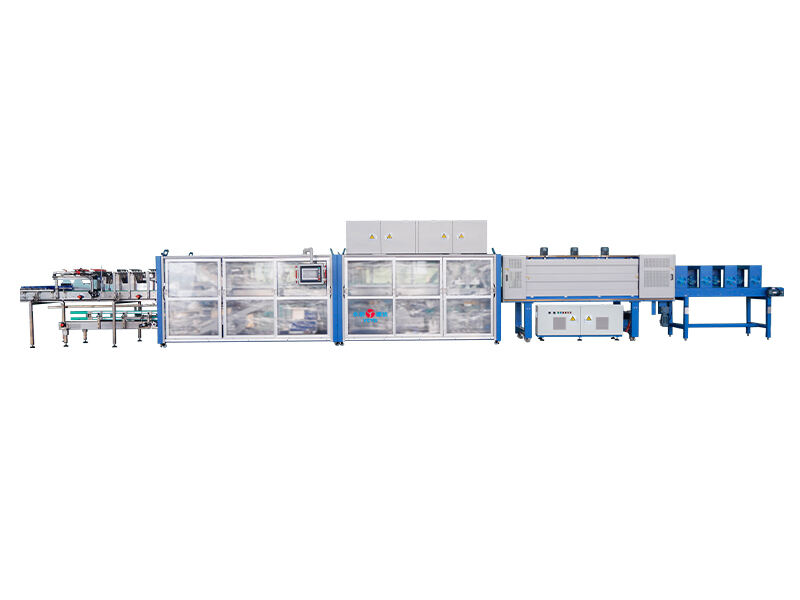
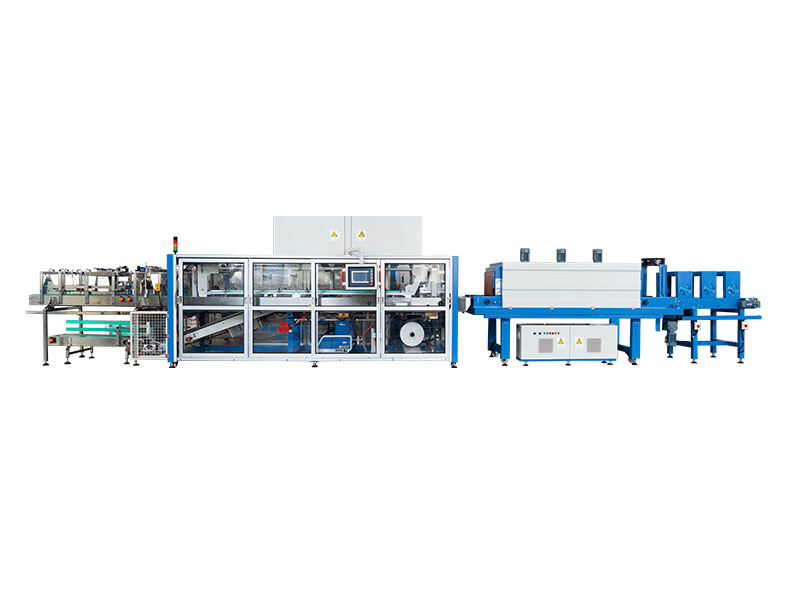
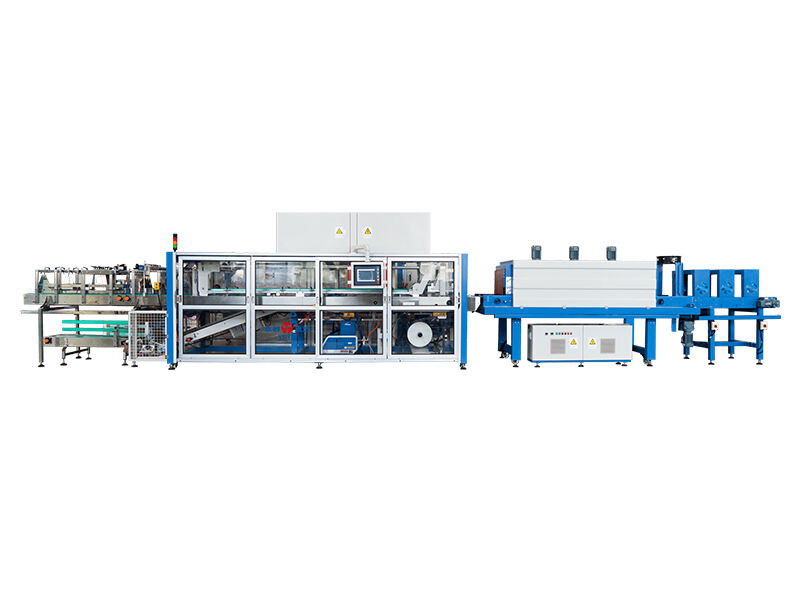
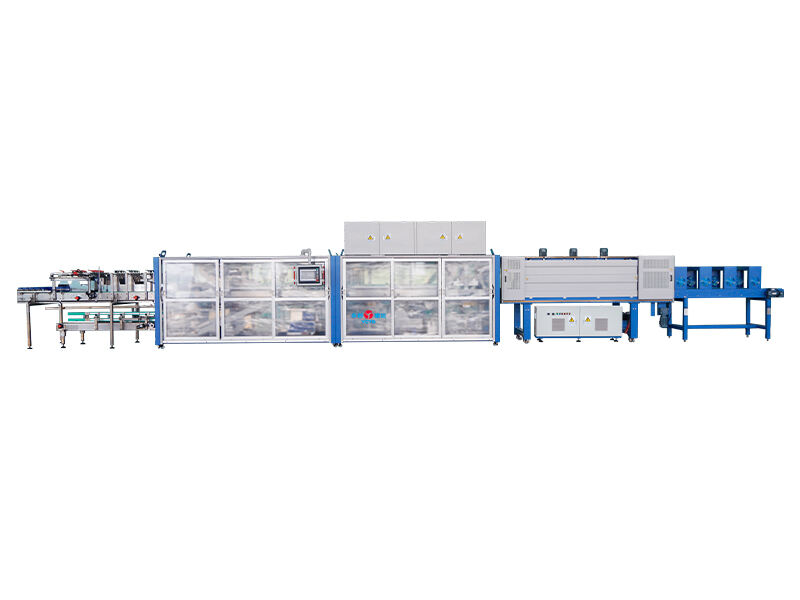
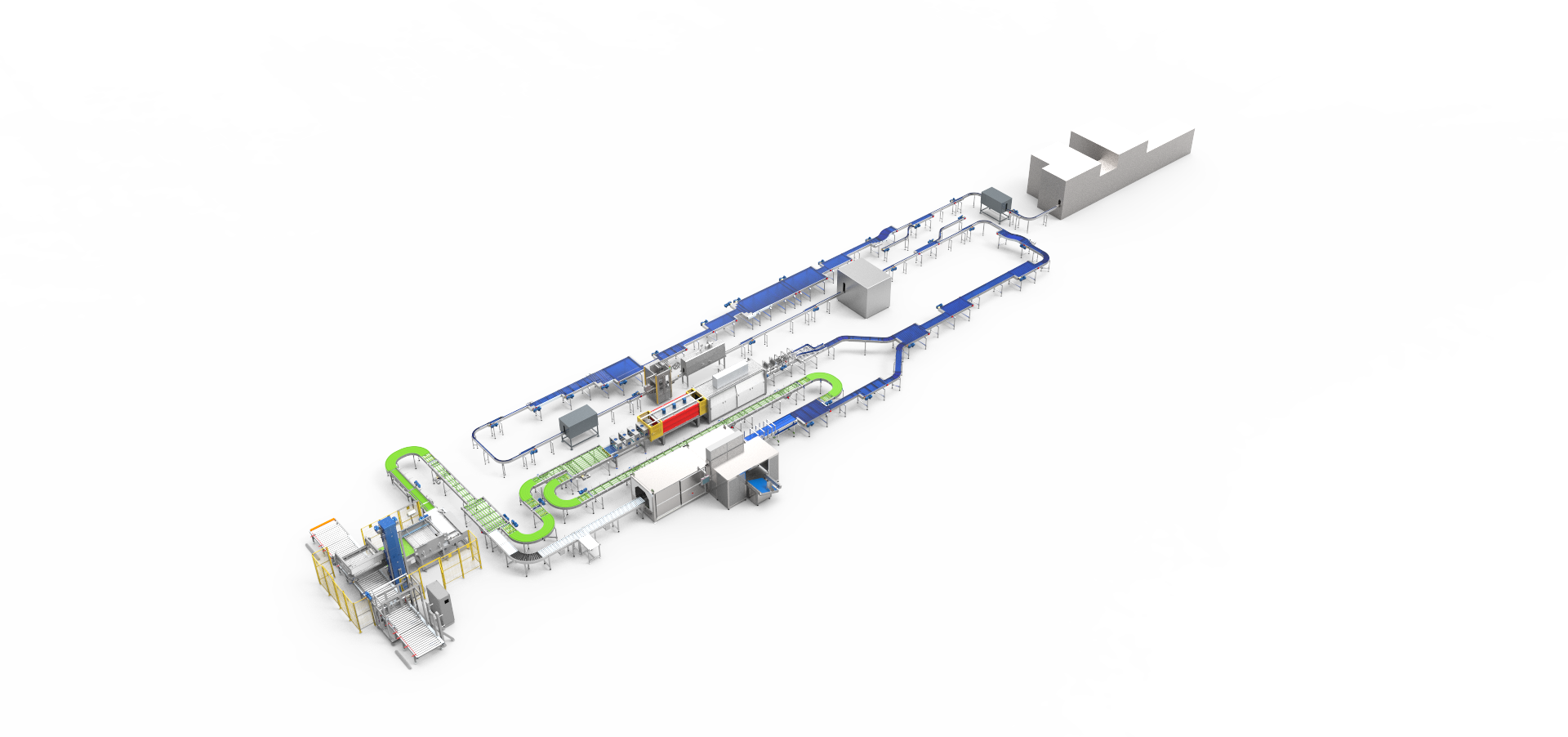
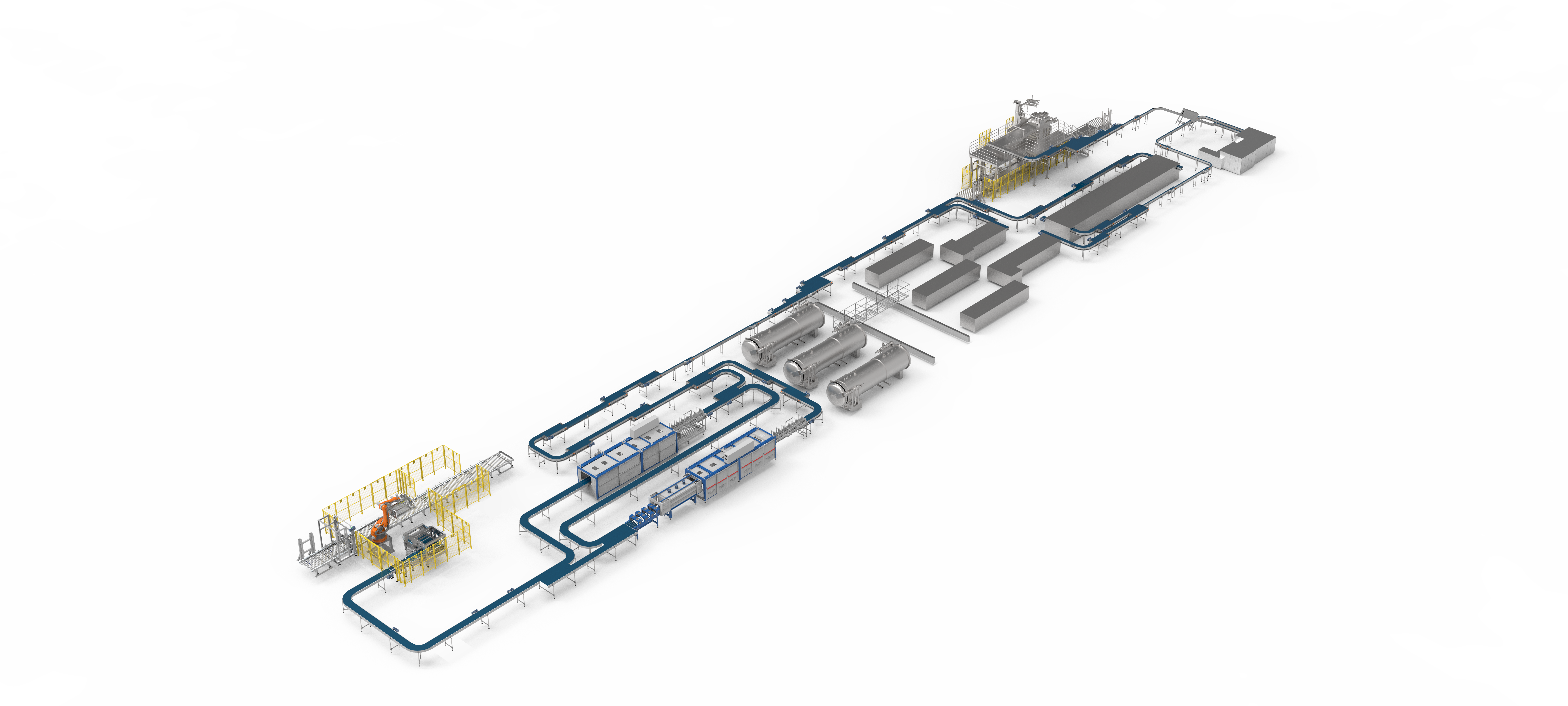
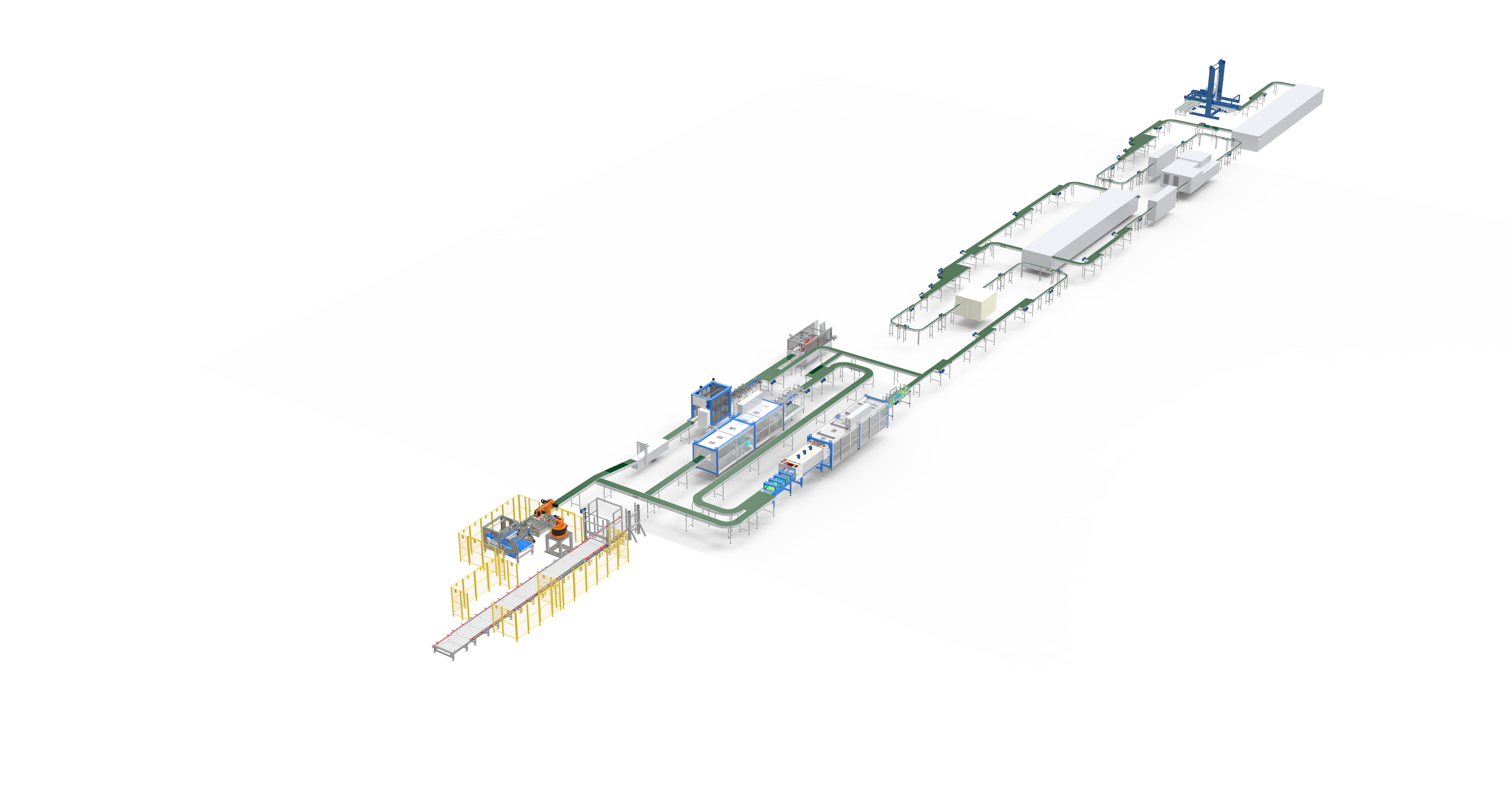
Advanced Beverage Production Line Solutions - Complete Manufacturing Systems for Quality Beverage Processing

All Categories

beverage production line

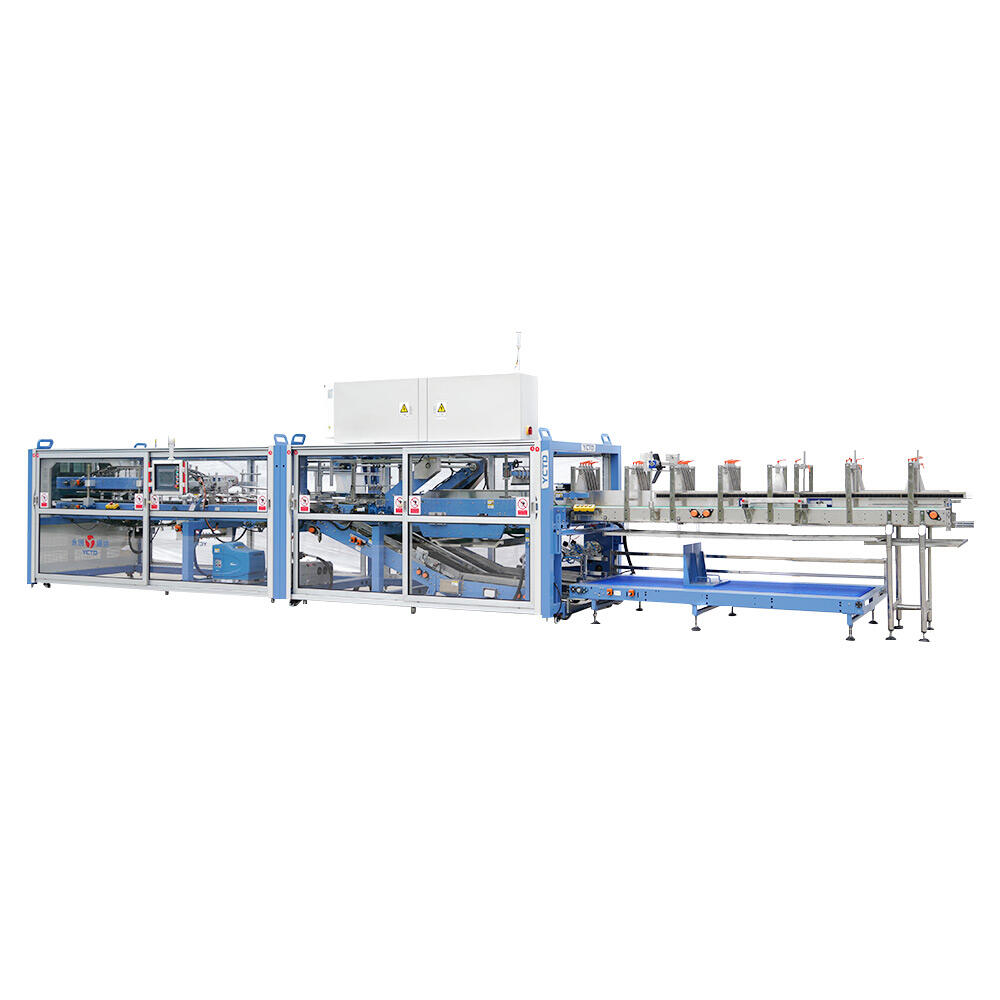
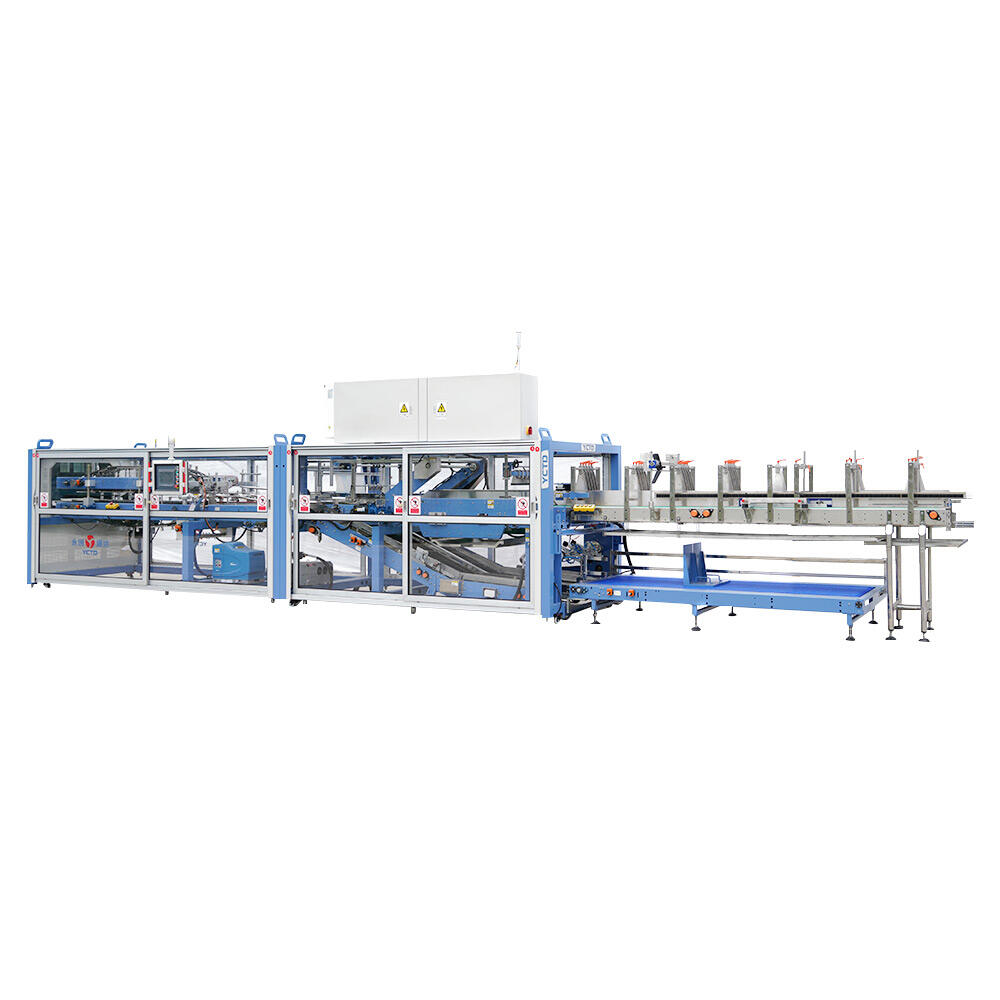
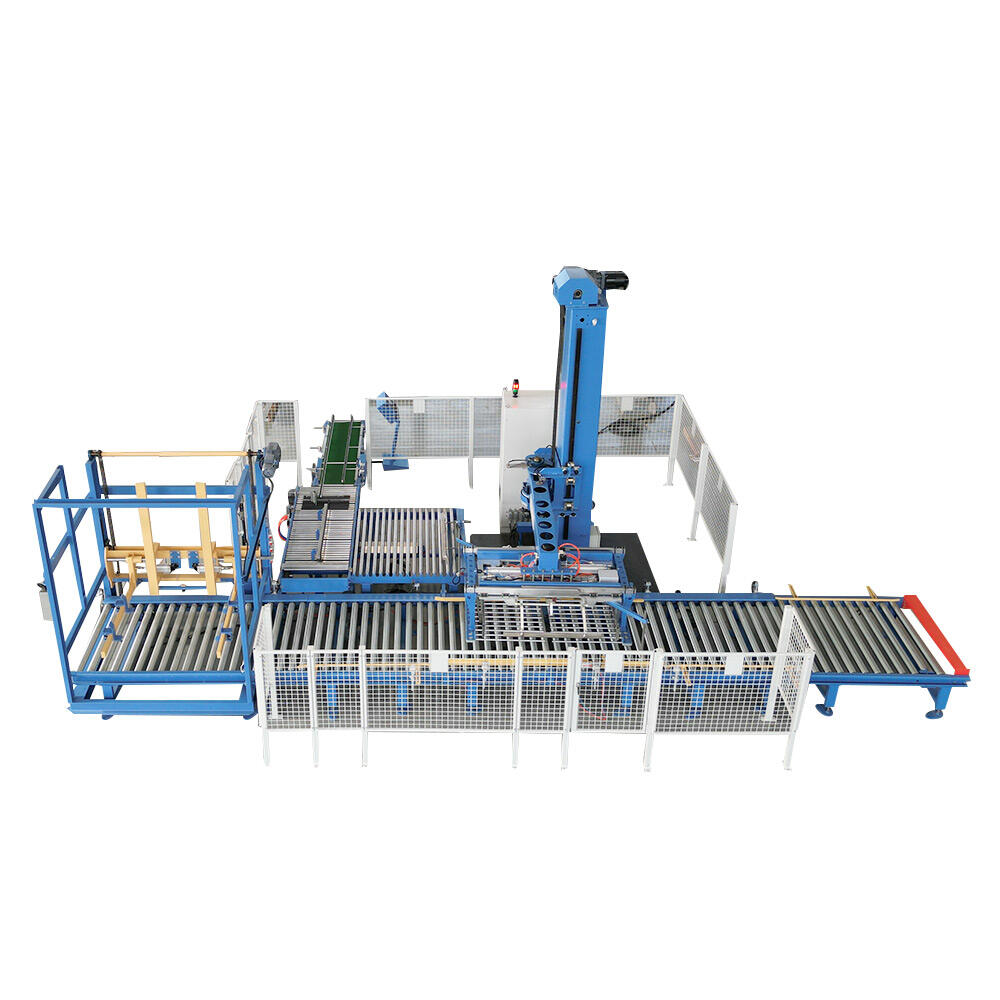
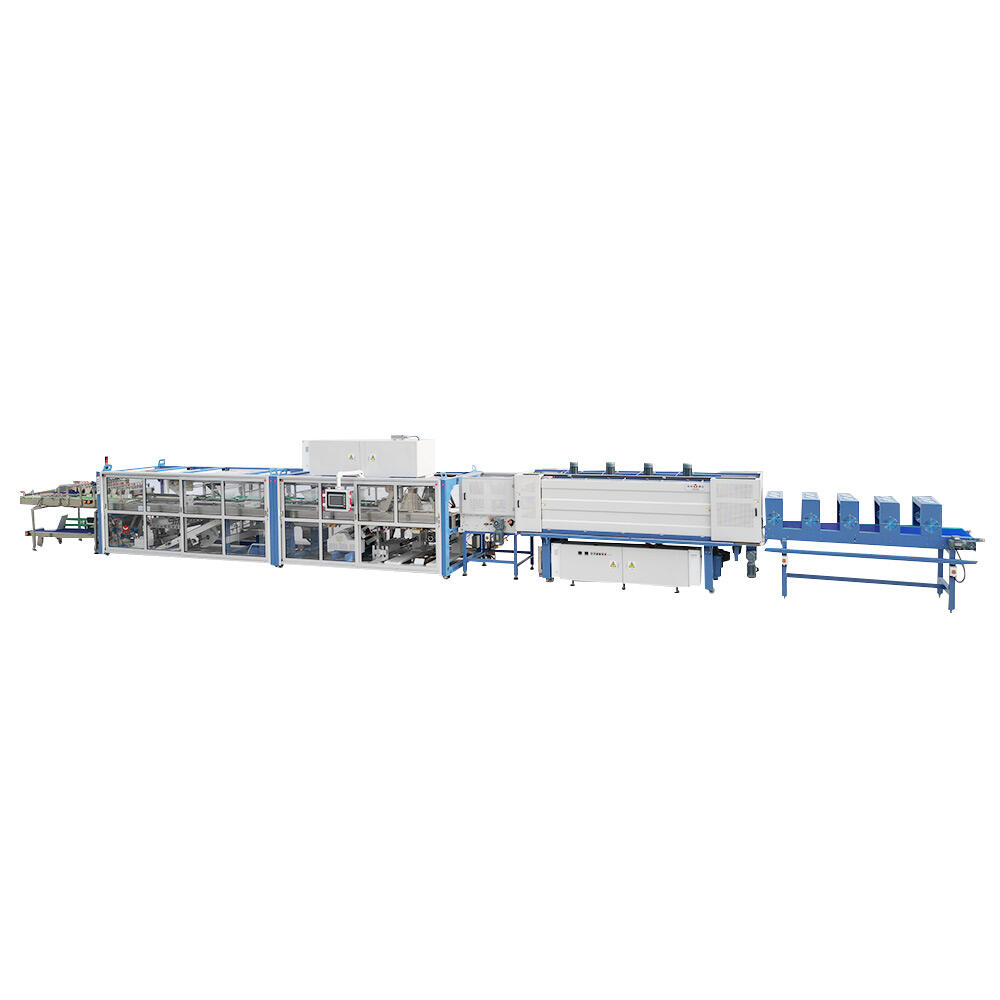
A beverage production line represents a sophisticated manufacturing system designed to transform raw materials into finished drinks through automated processes. This comprehensive system integrates multiple stages including mixing, pasteurization, filling, capping, labeling, and packaging to create high-quality beverages efficiently. Modern beverage production lines incorporate advanced technology such as programmable logic controllers, computerized monitoring systems, and precision sensors to ensure consistent product quality and optimal operational efficiency. The main functions of a beverage production line encompass raw material preparation where ingredients are precisely measured and blended according to specific formulations. The mixing process combines various components including water treatment, syrup preparation, and additive integration to create the final beverage formula. Pasteurization systems eliminate harmful microorganisms while preserving taste and nutritional value through controlled heating and cooling cycles. The filling stations utilize advanced volumetric or gravimetric filling techniques to ensure accurate product volumes in containers. Capping mechanisms apply secure closures using torque-controlled systems that prevent leakage while maintaining product freshness. Labeling equipment applies product information, branding, and regulatory compliance details with precision positioning and adhesion quality. Quality control systems throughout the beverage production line monitor parameters such as temperature, pressure, flow rates, and fill levels to maintain consistent standards. Modern production lines feature modular designs that allow manufacturers to customize configurations based on specific beverage types including carbonated drinks, juices, energy drinks, water, dairy beverages, and alcoholic products. These systems can handle various container formats from glass bottles to plastic containers, aluminum cans, and flexible pouches. The integration of Industry 4.0 technologies enables real-time data collection, predictive maintenance scheduling, and remote monitoring capabilities that optimize production efficiency while reducing operational costs and minimizing downtime through proactive maintenance strategies.

New Product Releases

Beverage production lines deliver exceptional operational efficiency by automating complex manufacturing processes that would otherwise require extensive manual labor and time-consuming procedures. These systems significantly reduce production costs through optimized resource utilization, minimized waste generation, and improved energy efficiency compared to traditional manufacturing methods. The automation capabilities eliminate human error while ensuring consistent product quality across large production volumes, which directly translates to enhanced customer satisfaction and reduced quality-related complaints or returns. Modern beverage production lines operate at remarkable speeds, processing thousands of units per hour while maintaining precise quality standards that meet stringent industry regulations and consumer expectations. The scalability features allow manufacturers to adjust production capacity based on market demand fluctuations without requiring major infrastructure modifications or significant capital investments. This flexibility enables businesses to respond quickly to seasonal variations, promotional campaigns, or emerging market opportunities while maintaining operational profitability. The integrated quality control systems provide real-time monitoring and immediate feedback mechanisms that detect potential issues before they impact product quality or safety standards. This proactive approach prevents costly batch rejections and ensures compliance with food safety regulations including FDA, USDA, and international quality certifications. Energy-efficient components and optimized process flows reduce utility consumption while environmentally sustainable practices minimize waste generation and support corporate responsibility initiatives. The standardized production processes ensure reproducible results that maintain brand consistency across different production runs and geographic locations, which is crucial for maintaining consumer trust and market positioning. Advanced cleaning and sanitization systems reduce downtime between product changeovers while ensuring hygienic conditions that prevent contamination risks. The user-friendly interface design allows operators with varying skill levels to efficiently manage complex production processes through intuitive controls and comprehensive training programs. Predictive maintenance capabilities identify potential equipment issues before failures occur, reducing unplanned downtime and extending equipment lifespan while optimizing maintenance costs. The modular construction facilitates future expansion or reconfiguration based on evolving business requirements without disrupting existing operations or requiring complete system replacement investments.

Practical Tips

Can a Case Packer Reduce Labor Costs and Increase Productivity?

20

Nov

Can a Case Packer Reduce Labor Costs and Increase Productivity?

Understanding the Impact of Automated Case Packing Solutions In today's competitive manufacturing environment, optimizing operational efficiency while managing costs has become more crucial than ever. The implementation of a case packer represents a ...
View More
How Carton Packaging Machines Improve Speed and Consistency?

20

Nov

How Carton Packaging Machines Improve Speed and Consistency?

The Evolution of Modern Packaging Automation The packaging industry has undergone a remarkable transformation with the introduction of carton packaging machines. These sophisticated pieces of equipment have revolutionized how manufacturers handle the...
View More
Can a Palletizer Reduce Labor Costs and Boost Productivity?

19

Dec

Can a Palletizer Reduce Labor Costs and Boost Productivity?

Manufacturing facilities across industries are increasingly turning to automated solutions to address rising labor costs and productivity challenges. Among these innovations, palletizing equipment stands out as a transformative technology that can si...
View More
Top 5 Best Shrink Wrappers for Small Businesses in 2026

04

Feb

Top 5 Best Shrink Wrappers for Small Businesses in 2026

Small businesses seeking efficient packaging solutions often turn to shrink wrapping technology to protect their products while maintaining professional presentation. The right shrink wrapper can transform your packaging process, reducing labor costs...
View More

Get a Free Quote

Our representative will contact you soon.
Company Name
Name
Email
Mobile/WhatsApp
Message
0/1000

beverage production line

Advanced Automation Technology Integration

Advanced Automation Technology Integration

The integration of cutting-edge automation technology represents the cornerstone of modern beverage production lines, transforming traditional manufacturing processes into highly efficient, precise, and reliable operations. These sophisticated systems utilize programmable logic controllers combined with human-machine interfaces that provide operators with comprehensive control over every aspect of the production process. The automation technology encompasses sensor networks that continuously monitor critical parameters including temperature variations, pressure fluctuations, flow rates, and fill level accuracy to ensure optimal performance throughout the entire beverage production line. Real-time data collection systems capture operational metrics that enable manufacturers to identify optimization opportunities, track production efficiency trends, and implement continuous improvement initiatives that enhance overall equipment effectiveness. The automated recipe management capabilities allow operators to store multiple beverage formulations and switch between different products with minimal setup time and reduced risk of formulation errors. This technology integration includes automatic ingredient dosing systems that precisely measure and combine raw materials according to predetermined specifications, ensuring consistent taste profiles and nutritional content across production batches. The advanced automation features also include predictive analytics capabilities that analyze historical performance data to forecast potential maintenance requirements, optimize production scheduling, and prevent unexpected equipment failures that could disrupt production schedules. Safety systems integrated within the automation framework include emergency stop mechanisms, protective interlocks, and fail-safe procedures that protect both personnel and equipment while maintaining product integrity. The centralized control architecture enables remote monitoring capabilities that allow management teams to oversee production operations from multiple locations while maintaining real-time visibility into key performance indicators. These automation technologies significantly reduce labor requirements while improving production consistency, quality control standards, and operational efficiency metrics that directly impact profitability and competitive positioning in the beverage manufacturing industry.
Comprehensive Quality Control Systems

Comprehensive Quality Control Systems

Comprehensive quality control systems embedded throughout beverage production lines ensure that every product meets stringent safety standards and maintains consistent quality characteristics that satisfy consumer expectations and regulatory requirements. These sophisticated monitoring systems utilize advanced inspection technologies including vision systems, weight verification equipment, and contamination detection sensors that automatically identify and reject products that fail to meet predetermined quality criteria. The multi-stage quality control approach begins with raw material inspection where incoming ingredients undergo comprehensive testing for purity, contamination, and specification compliance before entering the production process. During the mixing phase, continuous monitoring systems track ingredient ratios, mixing times, and homogeneity levels to ensure proper blend characteristics and prevent formulation deviations that could affect taste or nutritional content. Pasteurization monitoring systems continuously track temperature profiles and heating duration to ensure effective pathogen elimination while preserving product quality and extending shelf life without compromising taste or nutritional value. Fill level inspection systems utilize precision measurement technologies to verify accurate product volumes in each container, preventing underfilling or overfilling issues that could result in customer complaints or regulatory non-compliance. Container integrity inspection systems detect defects including cracks, chips, or contamination that could compromise product safety or presentation quality before products reach the sealing stage. Label inspection technologies verify correct placement, legibility, and regulatory compliance information to ensure proper product identification and traceability throughout the supply chain. The integrated data management systems maintain comprehensive quality records that facilitate traceability investigations, regulatory audits, and continuous improvement initiatives based on quality performance trends. Statistical process control capabilities analyze quality data patterns to identify potential issues before they impact production quality while enabling proactive adjustments that maintain consistent product standards. These quality control systems support compliance with international food safety standards including HACCP, SQF, and ISO certifications that demonstrate commitment to product safety and quality excellence.
Flexible Production Capabilities

Flexible Production Capabilities

Flexible production capabilities represent a defining characteristic of modern beverage production lines, enabling manufacturers to efficiently produce diverse product portfolios while adapting to changing market demands and consumer preferences. This flexibility encompasses the ability to handle multiple beverage categories including carbonated soft drinks, still beverages, juices, energy drinks, functional beverages, and alcoholic products within the same production facility through rapid changeover procedures and adaptable equipment configurations. The modular design architecture allows manufacturers to reconfigure production line layouts to accommodate different container types, sizes, and materials ranging from glass bottles to plastic containers, aluminum cans, and flexible packaging formats without requiring extensive equipment modifications or significant downtime periods. Quick changeover systems minimize transition times between different products through automated cleaning procedures, rapid recipe changes, and efficient setup protocols that maximize production efficiency while reducing labor requirements and operational costs. The scalable capacity features enable manufacturers to adjust production volumes based on seasonal demand variations, promotional campaigns, or market expansion opportunities through modular equipment additions or process optimization strategies. Format flexibility supports various container sizes from single-serving portions to family-size packages, allowing manufacturers to respond to diverse consumer preferences and market segments while optimizing packaging costs and distribution efficiency. The adaptable recipe management systems accommodate formulation variations including sugar-free options, organic ingredients, functional additives, and regional flavor preferences through programmable control systems that maintain consistent quality standards across product variants. These flexible capabilities also support co-packing operations where manufacturers can produce beverages for multiple brands or private label customers while maintaining strict quality standards and regulatory compliance requirements. The versatile production scheduling capabilities enable efficient batch planning that optimizes resource utilization, minimizes changeover frequency, and maximizes overall equipment effectiveness while meeting delivery commitments and inventory management objectives. This flexibility extends to packaging options including multi-pack configurations, promotional packaging, and seasonal variations that support marketing initiatives and enhance product appeal in competitive retail environments while maintaining production efficiency standards.
Advanced Beverage Production Line Solutions - Complete Manufacturing Systems for Quality Beverage Processing

Get a Free Quote

Our representative will contact you soon.
Company Name
Name
Email
Mobile/WhatsApp
Message
0/1000