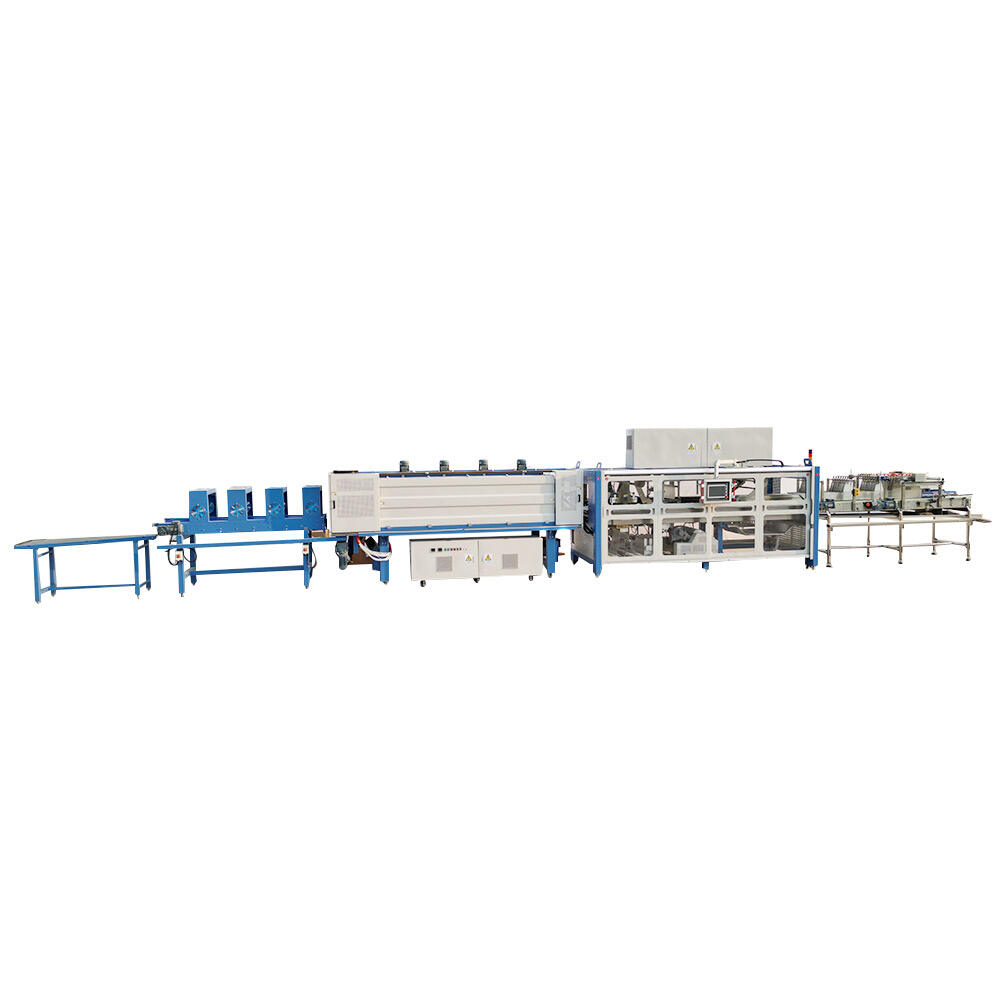
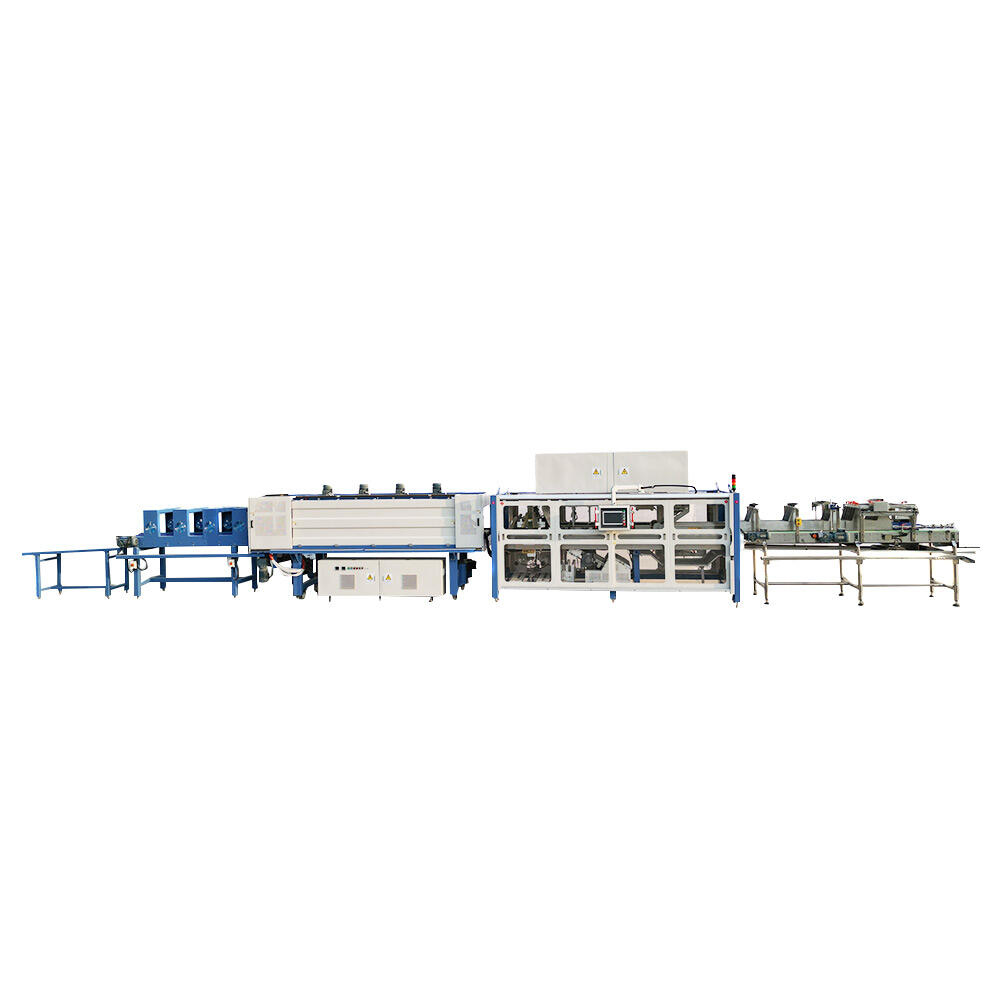
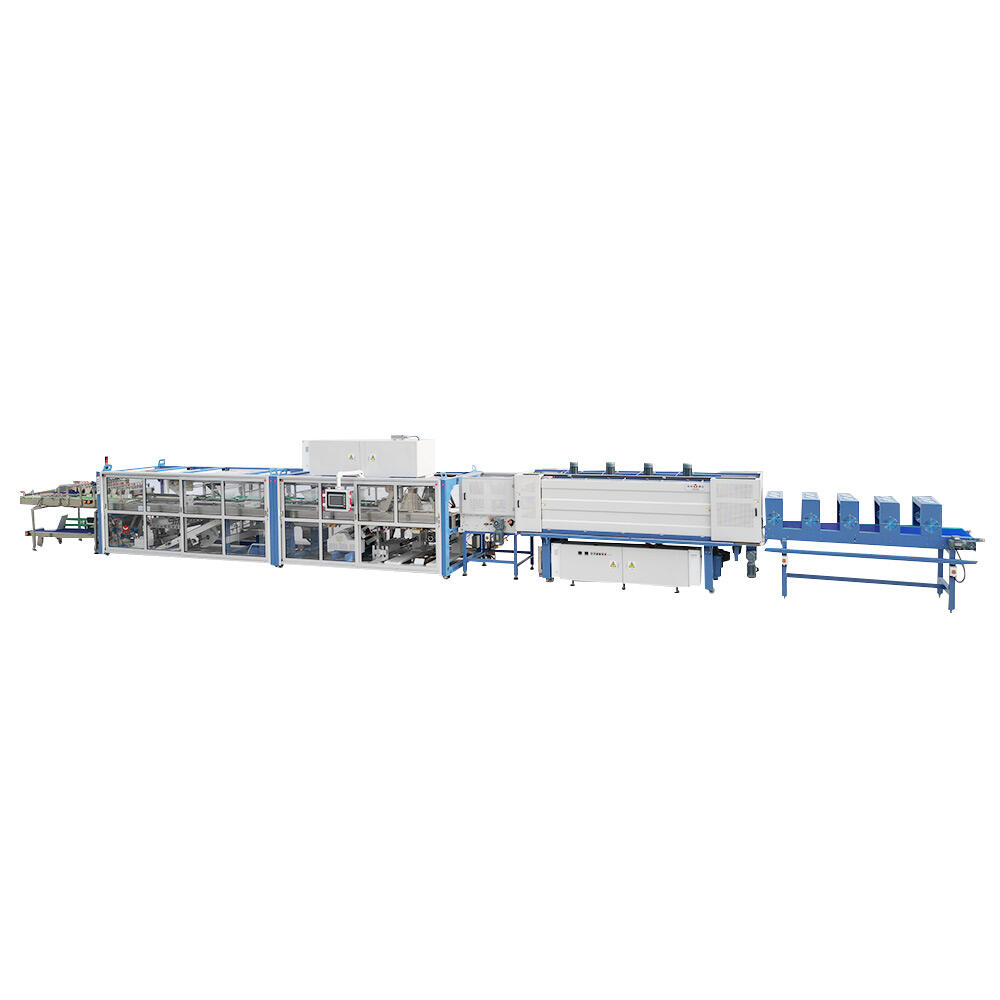
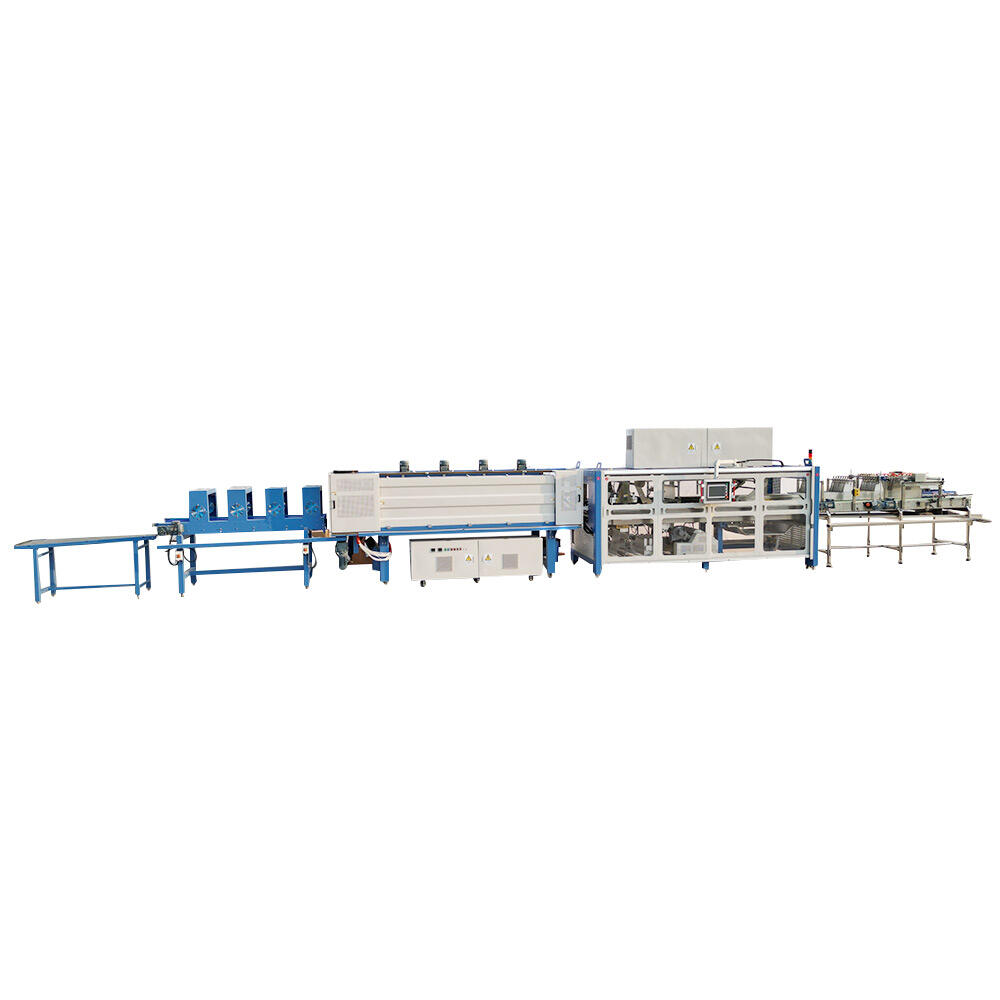
Comprehensive Quality Assurance and Safety Systems
The beverage line incorporates comprehensive quality assurance and safety systems that exceed industry standards through integrated monitoring, control, and documentation capabilities that ensure product integrity and regulatory compliance. Advanced quality control stations positioned at critical process points perform automated inspections including fill level verification, cap torque testing, label placement accuracy, and container integrity assessment, rejecting non-conforming products before they enter distribution channels. Microbiological safety measures include validated pasteurization systems, sterile processing environments, and contamination prevention protocols that eliminate pathogenic organisms while preserving product flavor and nutritional characteristics. The safety framework encompasses operator protection through emergency stop systems, lockout procedures, and protective barriers that prevent accidents while maintaining accessibility for routine maintenance and cleaning operations. Traceability systems capture detailed production records including ingredient lots, processing conditions, and quality test results, enabling rapid response to quality issues and supporting product recall procedures when necessary. Clean-in-place systems automate sanitation procedures using validated cleaning protocols that ensure effective removal of product residues and microorganisms without requiring equipment disassembly. Environmental monitoring systems track air quality, temperature, and humidity conditions throughout production areas, maintaining optimal conditions for product safety and shelf-life stability. Quality documentation systems generate comprehensive batch records that include all critical control points, deviation reports, and corrective action records required for regulatory compliance and customer audits. The beverage line implements hazard analysis and critical control points principles throughout the design, identifying potential risks and implementing preventive measures that minimize quality and safety hazards. Continuous improvement programs analyze quality data trends and implement process enhancements that drive ongoing improvements in product quality, safety performance, and operational efficiency while maintaining cost-effectiveness and competitive positioning in the marketplace.

 EN
EN